Full Article
about Navarrete
Landmark on the Camino de Santiago and pottery hub; its historic quarter is listed as a Bien de Interés Cultural.
Hide article Read full article
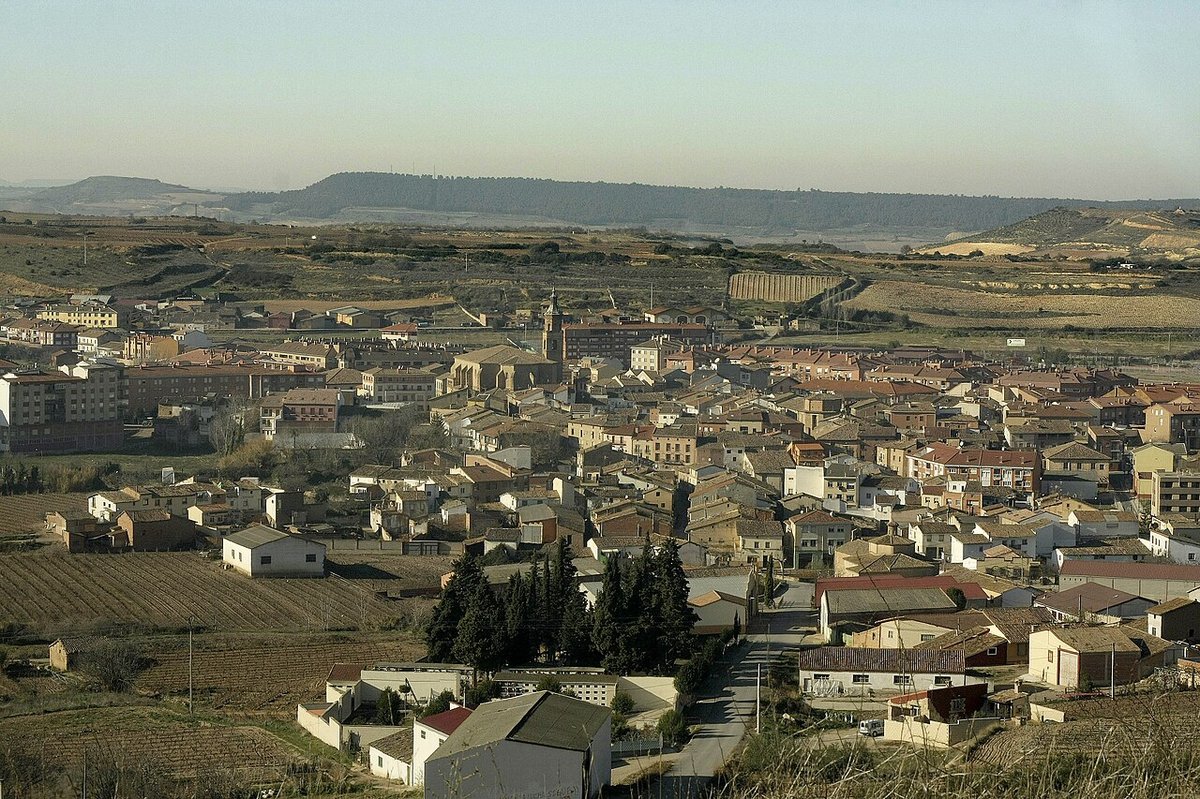
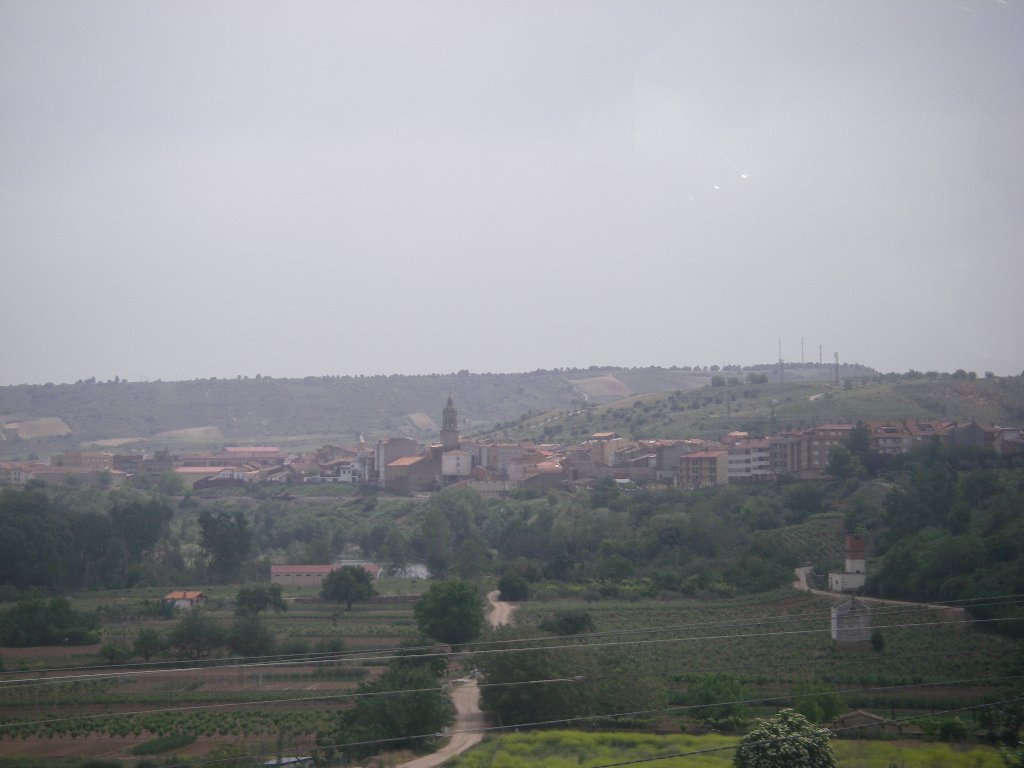
In Navarrete, the day often begins with clay. Workshop doors open while the earth is still cool and damp, hands sink into soft mud, and the faintly sweet scent of fermenting wine drifts from nearby bodegas. From certain windows you can see the tower of the church etched against the clear sky of La Rioja Alta. In autumn, the vineyards behind it turn a deep purple that almost looks black as evening falls.
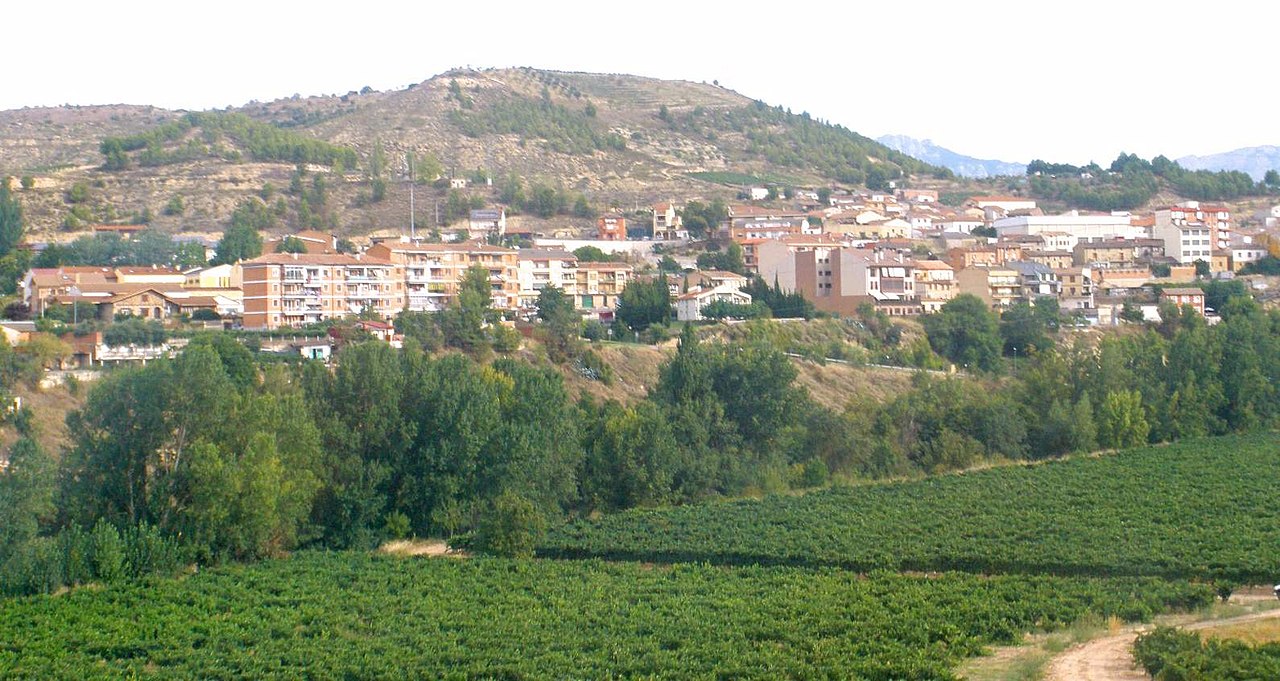
Just a few kilometres from Logroño, Navarrete moves at a different pace. The Camino de Santiago crosses the town from west to east, and for centuries the steady flow of walkers with rucksacks has shaped its character.
Red Stone and Sloping Streets
Walking through Navarrete means following narrow streets that rise and dip, lined with stone in a distinctive reddish tone. In some stretches you pass beneath cocinos, covered passageways that link houses and allow thin strips of light to filter through. When the sun is low, that light falls diagonally, bringing out the rough texture of the walls.
There are also certijos, traditional arcades that once offered shelter from both sun and rain. Beneath them you can still sense the imprint of a town that was a regular stopping point for merchants and pilgrims on their way to Santiago.
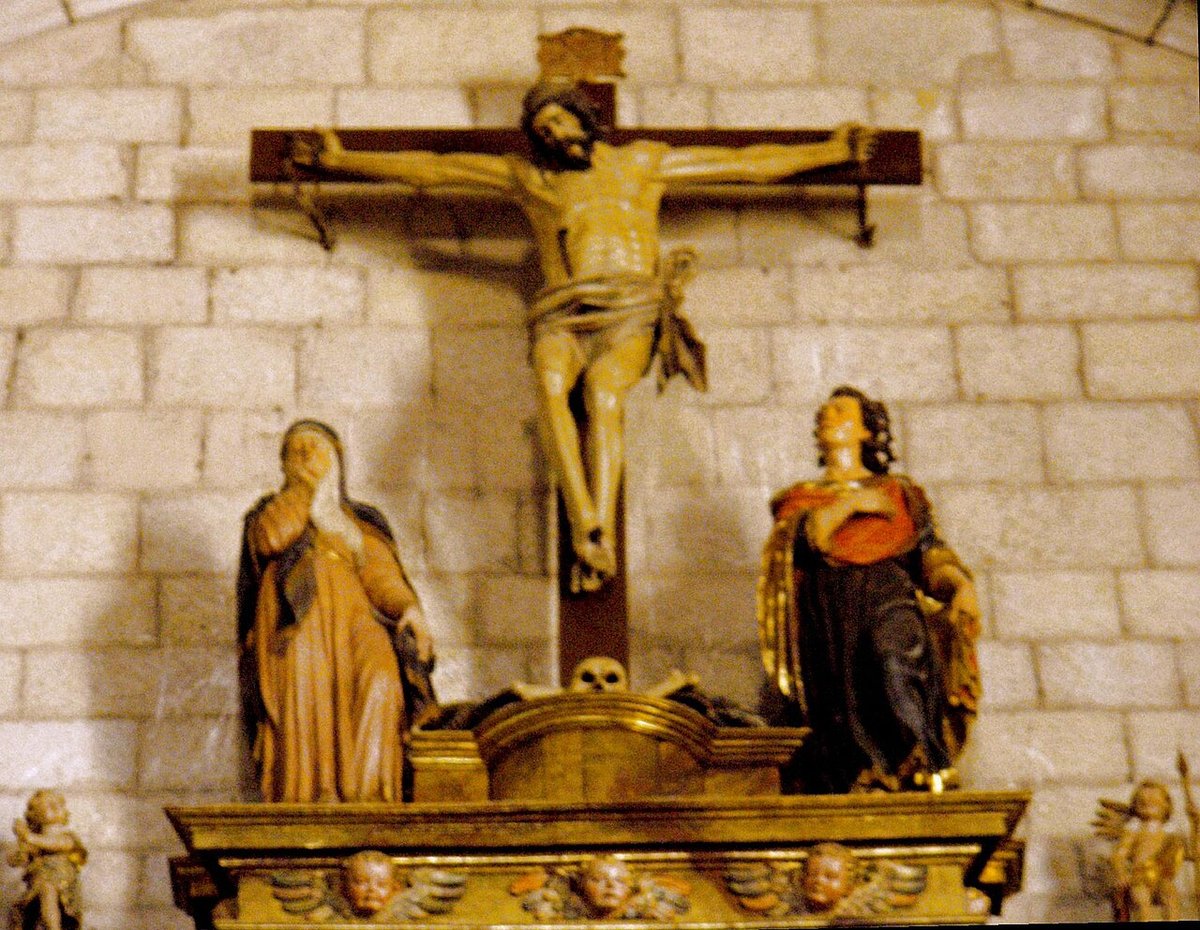
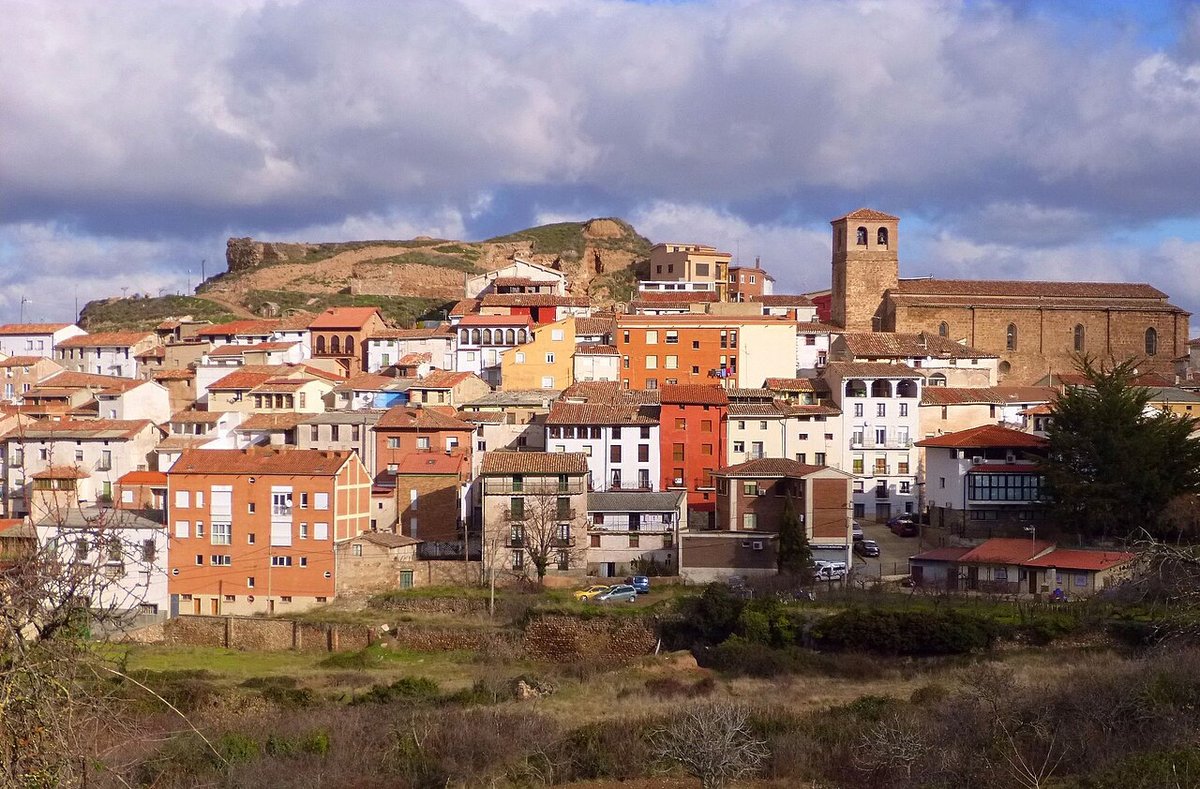
At the highest point of the old quarter stands the church of Santa María de la Asunción, visible from almost anywhere in town. Its tower is one of the tallest in La Rioja. The building took shape over several decades between the 16th and 17th centuries, which explains the blend inside: late Gothic details sit alongside Renaissance and Baroque elements.
Climbing the tower involves a long stone staircase worn smooth by time. From the top, the Ebro valley opens out in a patchwork of vineyards, farm tracks and small areas of woodland that shift in colour with the seasons.
The Potters’ Quarter
If one material defines Navarrete, it is clay. The barrio de las Alfarerías, the Potters’ Quarter, preserves a ceramic tradition that dates back at least to the Middle Ages. For much of the last century, many houses had their own kiln.
Later in the day, when the streets grow quieter, the low hum of potters’ wheels can sometimes be heard. Pieces left to dry in the sun form part of the everyday scene: cántaros for carrying water, wide dishes for the oven, large vessels once used for wine. They are rarely perfectly symmetrical. A slight mark of the hand usually remains, a reminder of the person who shaped them.
Each summer the town organises a fair dedicated to contemporary pottery. For a few days, stalls and open-air demonstrations appear, and it is easy to watch artisans working the clay in front of passers-by. The craft is not presented as a museum piece but as something active and ongoing.
San Blas and a Sweet-Savoury Tradition
The local calendar revolves around one very specific date: San Blas, on 3 February. On that day people queue outside the church to collect the well-known bollito de San Blas.
It is a small sweet bread eaten with chorizo covered in sugar. On paper it sounds unusual. In practice, it works. The lightly sweet dough and the caramelised chorizo create a combination that here is regarded as pure tradition. Many residents say they have been eating it since childhood, and that winter does not properly begin until San Blas arrives.
In August the town also celebrates its patron saint festivities. During those days it is common for households to cook calderetas, slow-cooked stews prepared over a gentle heat, with each family following its own version. The atmosphere changes noticeably: more visitors arrive and the streets in the centre become busier.
The Camino de Santiago Through Town
The Camino enters Navarrete between agricultural plots and vineyards. Pilgrims usually arrive from Logroño, dust on their boots and the sun of La Rioja Alta at their backs.
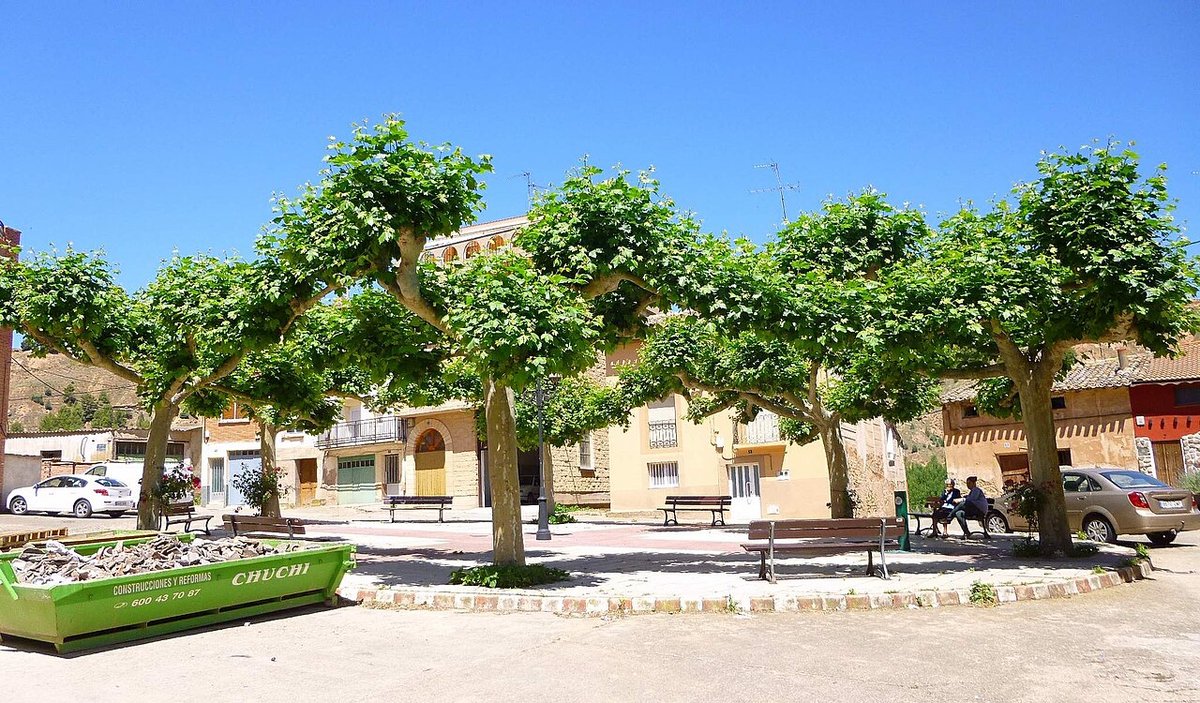
In the square it is common to see rucksacks resting on the ground while someone cools their feet in the fountain. It is a natural pause before continuing on towards Nájera.
On the outskirts, near the cemetery, stands the Romanesque doorway of the former hospital of San Juan de Acre. The original building was dismantled and moved stone by stone in the 19th century when the road was constructed. What remains today is a silent fragment of the old hospital where sick pilgrims were once cared for.
From that point the landscape opens up again: vines stretching into the distance, farm tracks cutting across the fields, and the wind moving through the leaves as evening approaches.
When to Visit
Spring is often the most pleasant time to explore Navarrete. The vines are beginning to bud, the air is still cool in the morning, and the Camino is less crowded than at the height of summer.
In August, the town feels different. Visitor numbers increase and traffic in the central streets becomes heavier. If arriving during those dates, it is advisable to park in the lower part of town and walk up.
Early in the day, before the movement of the Camino becomes noticeable, Navarrete has another rhythm altogether. Shutters are raised slowly, someone sweeps the front step, and the church tower casts a long shadow across the rooftops.
It is a good moment to wander through the oldest streets without a fixed plan and watch how the light shifts across the red stone. Clay, vineyards and the pilgrim route continue to shape daily life here, just as they have for centuries.