Full Article
about Ocón
Municipality made up of several villages (La Villa, Pipaona, Santa Lucía, Luesia, El Rincón, San Vicente, El Royo, Viveda, El Molino and La Ermita) spread across a valley between the Ocon and Iregua rivers.
Hide article Read full article
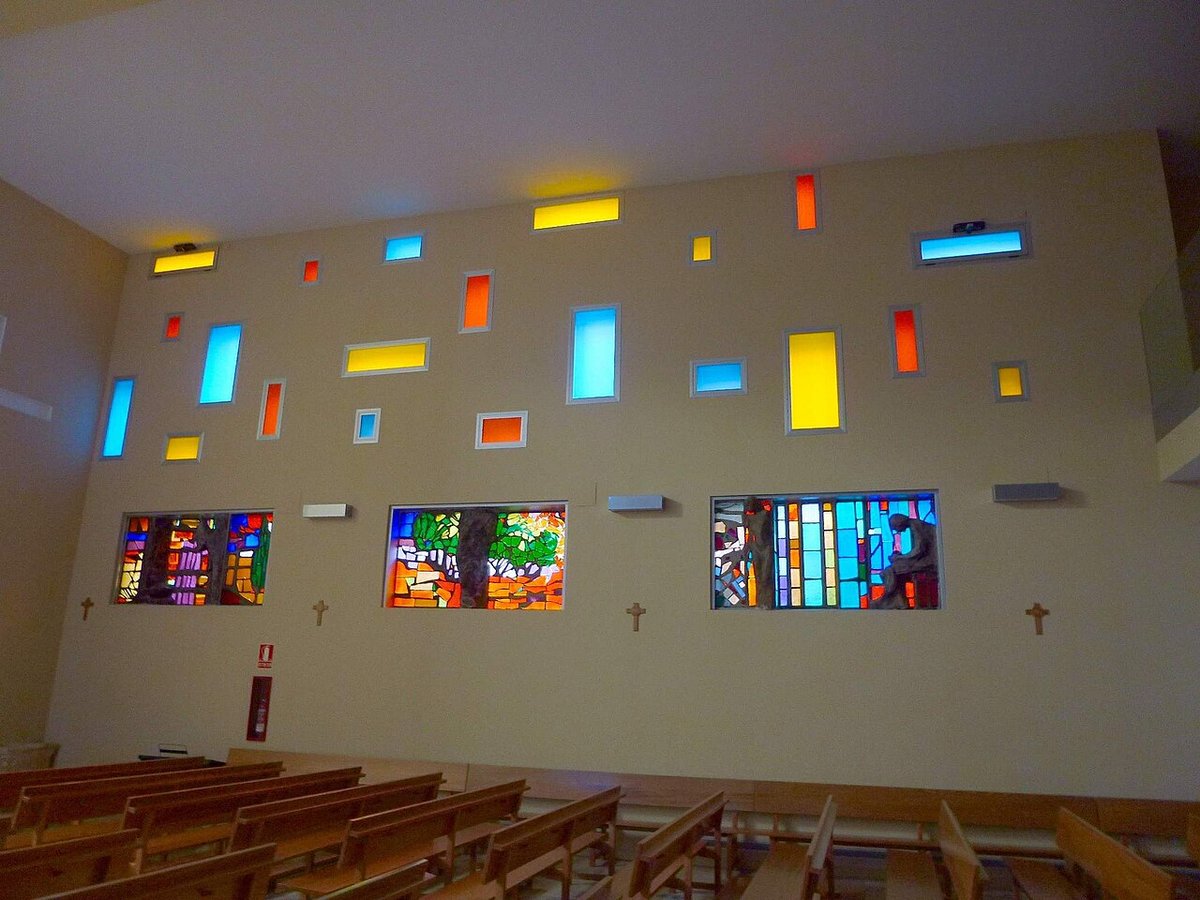
By mid-afternoon, light falls diagonally through the windows of the church of San Martín, revealing the grey tone of stone worn down by wind and long winters in the sierra. For a few minutes there is barely a sound, perhaps a pigeon shifting on the roof, the dry creak of a door opening further down the street. Tourism in Ocón feels much like that: made up of quiet moments that can pass unnoticed if you arrive in a hurry.
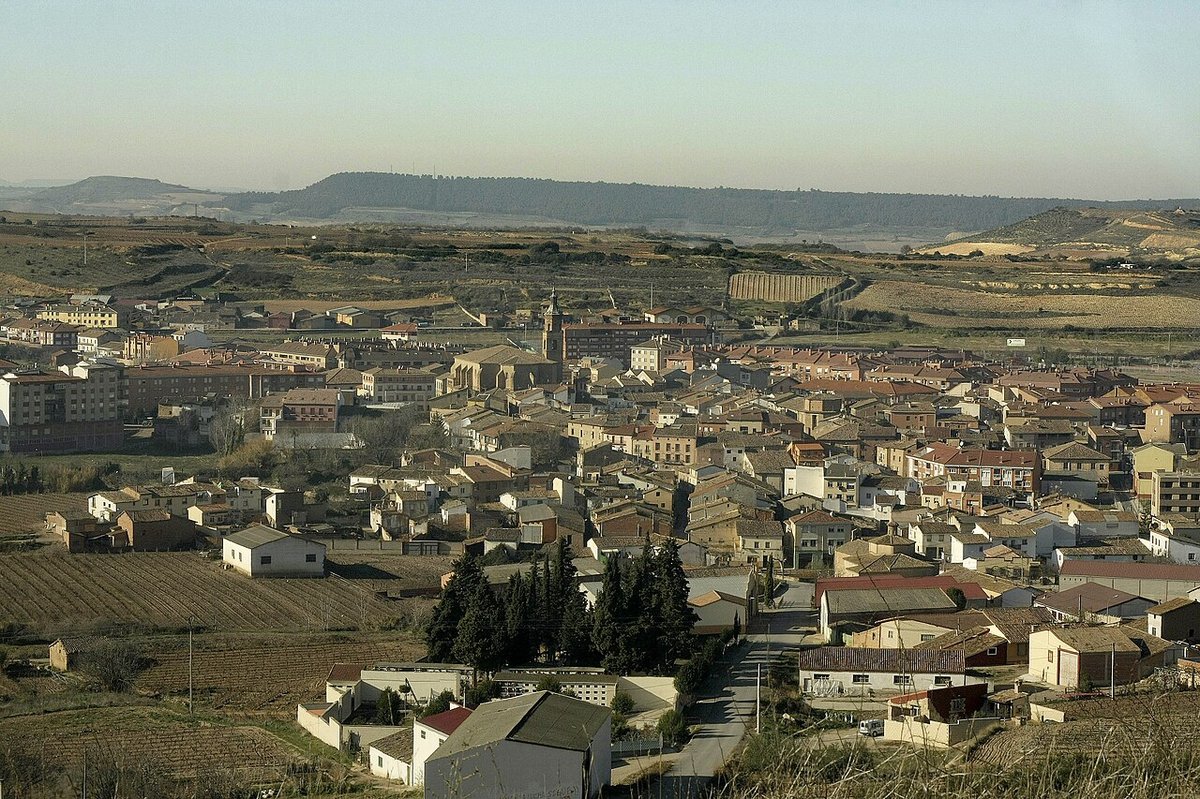
Ocón lies in the valley of the same name, in La Rioja, away from the region’s busiest roads. The municipality has just over three hundred inhabitants and is divided into several small settlements, separated by vegetable plots, gentle hills and agricultural tracks. Life moves at a different pace here. Tractors pass slowly, dogs bark from farmyards and wood smoke drifts through the air when the temperature drops.
There is no long checklist of sights and no streets full of activity. Instead, Ocón offers a rural valley that has been carefully preserved, where daily life still follows patterns set decades ago.
Through the Old Streets
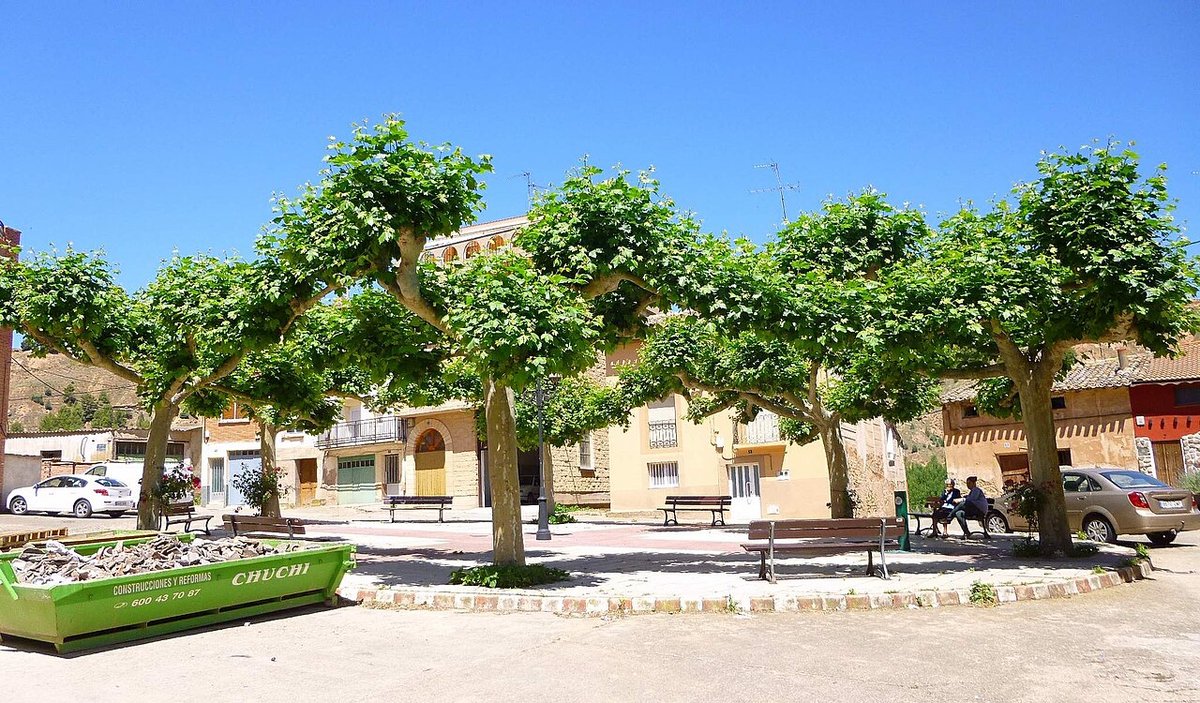
The centre is compact and easy to explore on foot. Some streets are narrow and sloping, shaped for walking rather than traffic. Houses have thick stone walls, wooden gates and iron grilles that have seen generations come and go. A glance through a half-open courtyard might reveal a chicken coop, farm tools or a vine that casts shade in summer.
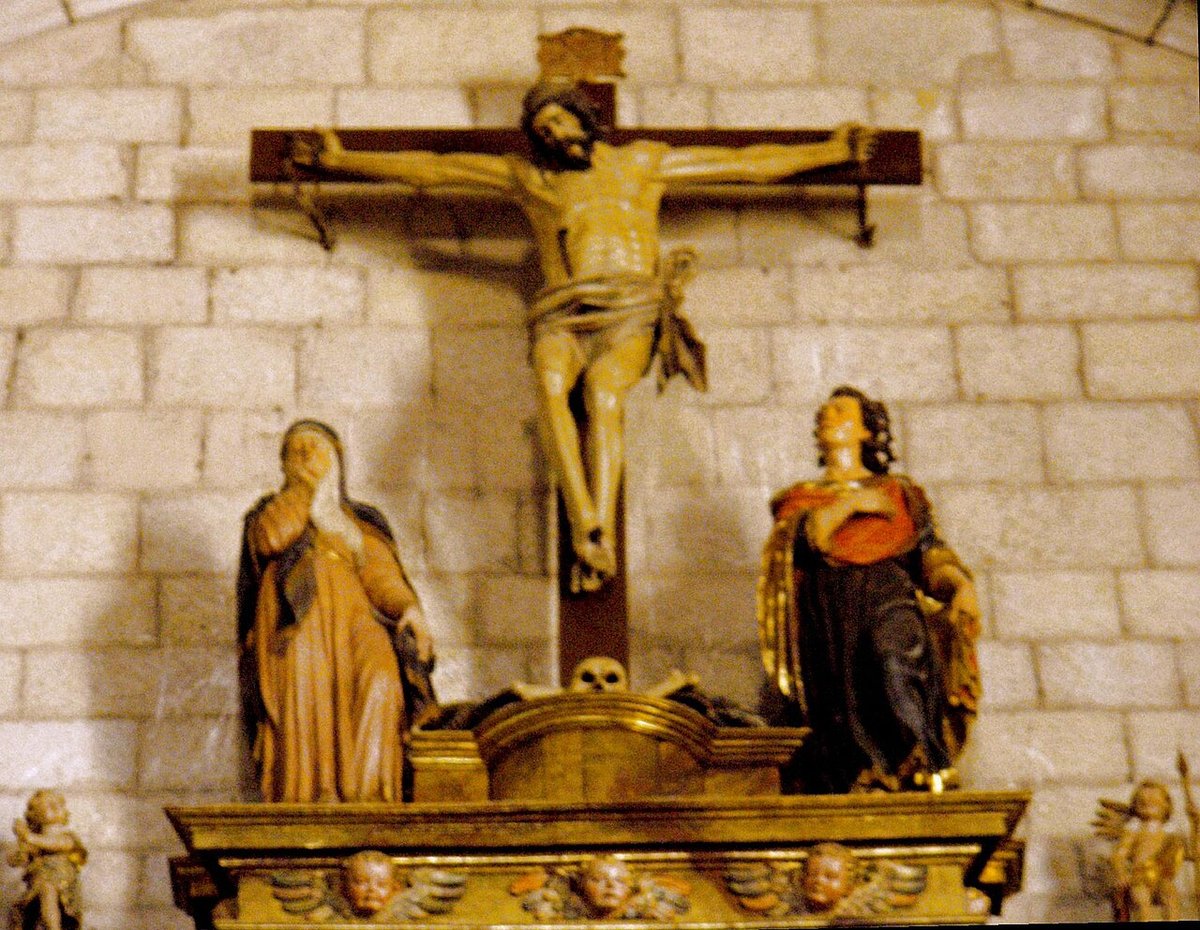
The church of San Martín stands at one of the most visible points in the village. Parts of the building are very old. Its walls are plain, and the stone doorway carries little decoration. Inside, there is often semi-darkness even in the middle of the day. Footsteps echo more than expected in such a modest space.
Wandering without a fixed plan works better than searching for specific landmarks. A short walk brings up small details that say a great deal about the place: lintels carved with dates, small niches set into façades, exterior staircases that once led up to haylofts. The appeal lies in these fragments of everyday architecture rather than in grand monuments.
Because the village is small, it does not take long to cross it from one end to the other. Yet slowing down changes the experience. A bench against a wall, the texture of worn stone, the angle of a street as it turns uphill all add to a sense of continuity between past and present.
The Landscape of the Ocón Valley
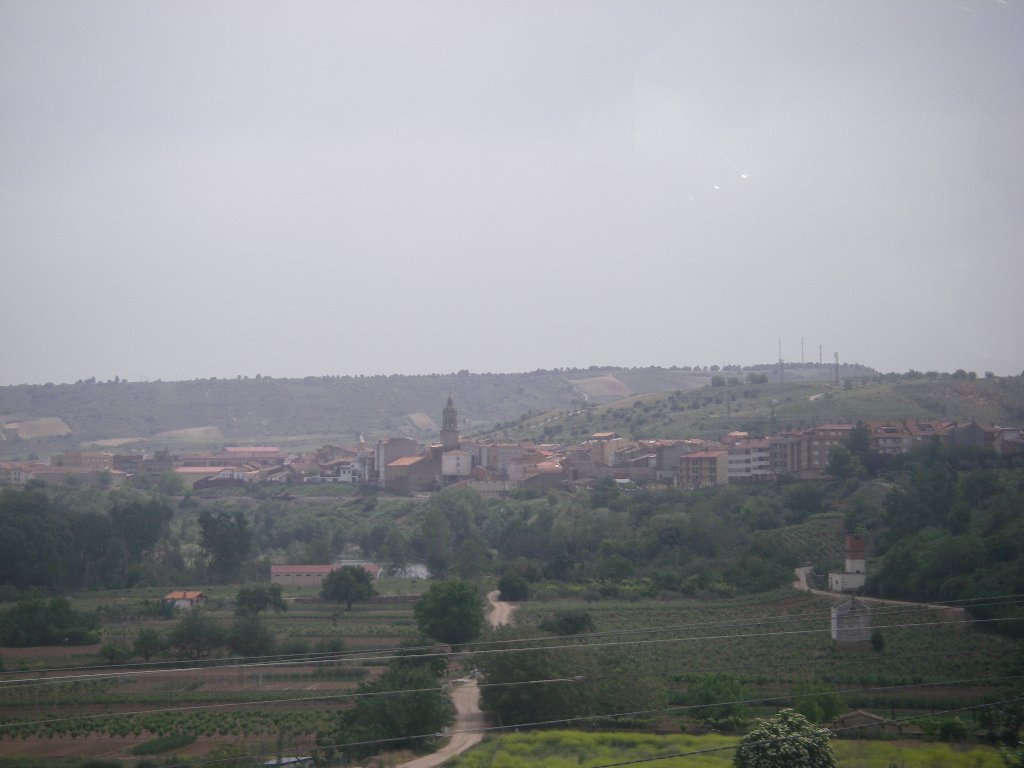
Step beyond the last houses and the terrain opens out almost immediately. Dirt tracks circle the village and pass through scattered holm oak woods, cultivated plots and slopes where old terraces can still be traced. You do not need to walk far to gain a little height and see the valley as a whole: clusters of houses, rectangular fields and the sierras closing the horizon.
The seasons alter the mood. In autumn, oaks and vegetation in the hollows shift noticeably in colour. In summer, the landscape turns drier and more ochre. At midday the silence can feel almost complete.
Several rural tracks allow for straightforward walks around the main settlement or link up with other villages in the valley. They are not designed as carefully signposted hiking routes. Local residents and farmers use them as working paths, so comfortable footwear is advisable and signposts cannot be expected at every junction.
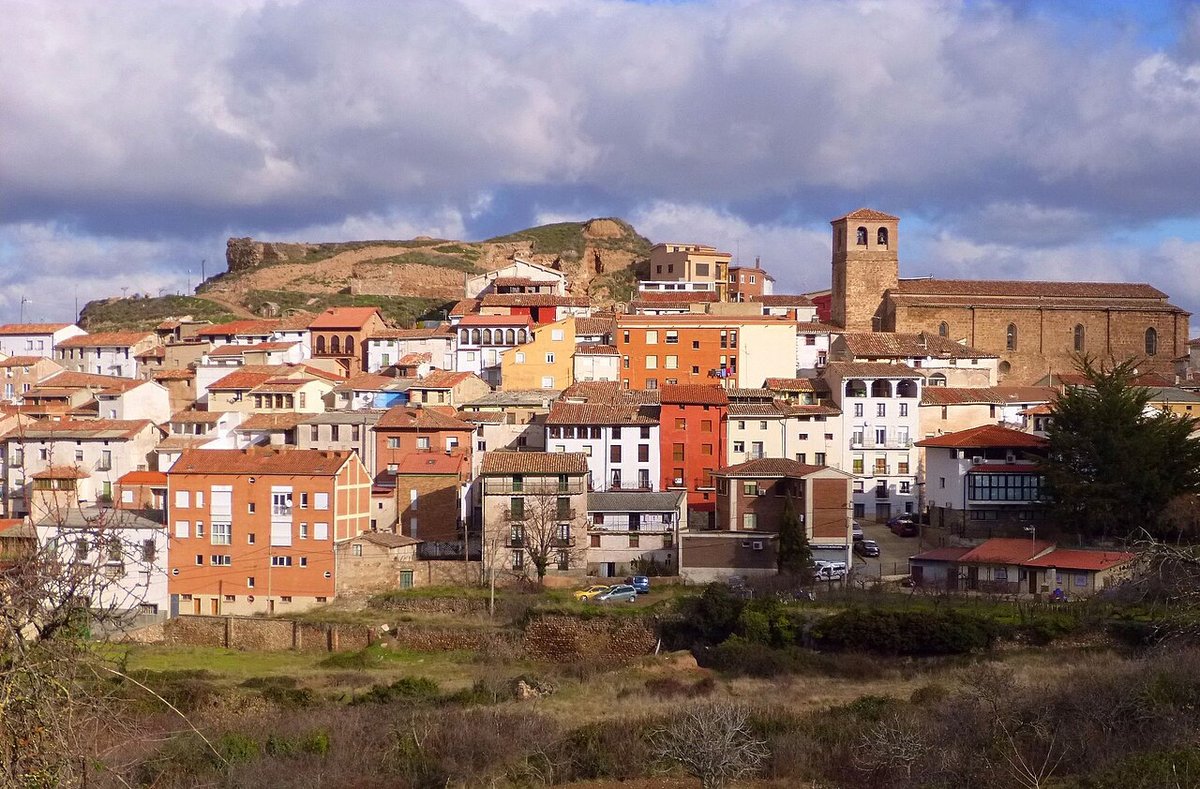
From these tracks, the structure of the valley becomes clearer. Fields change tone depending on the time of year. Roofs with reddish tiles cluster around the church. Gentle hills frame the scene without dramatic peaks or abrupt drops. The setting feels open, shaped as much by agriculture as by nature.
Birds, Wind and Stillness
Sound shifts once you pause on one of the low hills around the village. Song thrushes and warblers can be heard in the scrub, and a partridge may move through the undergrowth. Birds of prey are not unusual, circling overhead when the air begins to warm in the late morning.
Binoculars can help, although they are not essential to appreciate the setting. The wind makes a stronger impression. On clear days it blows with some force on higher ground, even when the air feels milder down in the village streets. That contrast between shelter and exposure adds another layer to a simple walk.
Silence is one of the defining features here. It is not absolute, but it is constant enough to notice. Away from engines and traffic, small sounds stand out: dry grass shifting, a distant bark, the hum of insects in warmer months. Time seems to stretch slightly in those pauses.
How Long to Spend
Ocón can be covered quickly if you focus strictly on the built-up area. In a little over an hour it is possible to cross the village several times, step inside the church of San Martín and climb to a point overlooking the valley. The visit becomes more rewarding if you add a short walk along the surrounding tracks.
Summer requires some planning. The central hours of the day are best avoided, as there is little shade outside the village centre and heat gathers on the slopes. Early morning and late afternoon bring a noticeable change in atmosphere.
It is also worth bearing in mind that some services open only at certain times of day or on specific days of the week, something common in municipalities of this size. Flexibility helps, as does accepting that options may be limited.
A Quiet Corner of La Rioja
Visitors arriving in Ocón will not find a dense concentration of monuments or a packed programme of activities. What they encounter instead is a rural valley in La Rioja where small settlements remain closely tied to their surroundings.
From the paths around the village, the view settles into a simple composition: soft hills, fields that shift in colour with the seasons and red roofs gathered around the church. Sit quietly for a while, on a bench, a grassy bank or a stone by the side of the track, and the character of the place becomes clear. It is discreet, somewhat removed and deeply connected to the landscape that shapes it.
Tourism in Ocón does not rely on spectacle. It rests on light entering a stone church in the afternoon, on the outline of terraces along a hillside, on the steady rhythm of rural life. Those who arrive without rushing are more likely to notice what makes this valley distinct within La Rioja.