Full Article
about Ribafrecha
Town in the Leza valley; known for its market gardens and proximity to Logroño.
Hide article Read full article
The Tower That Sets the Tone
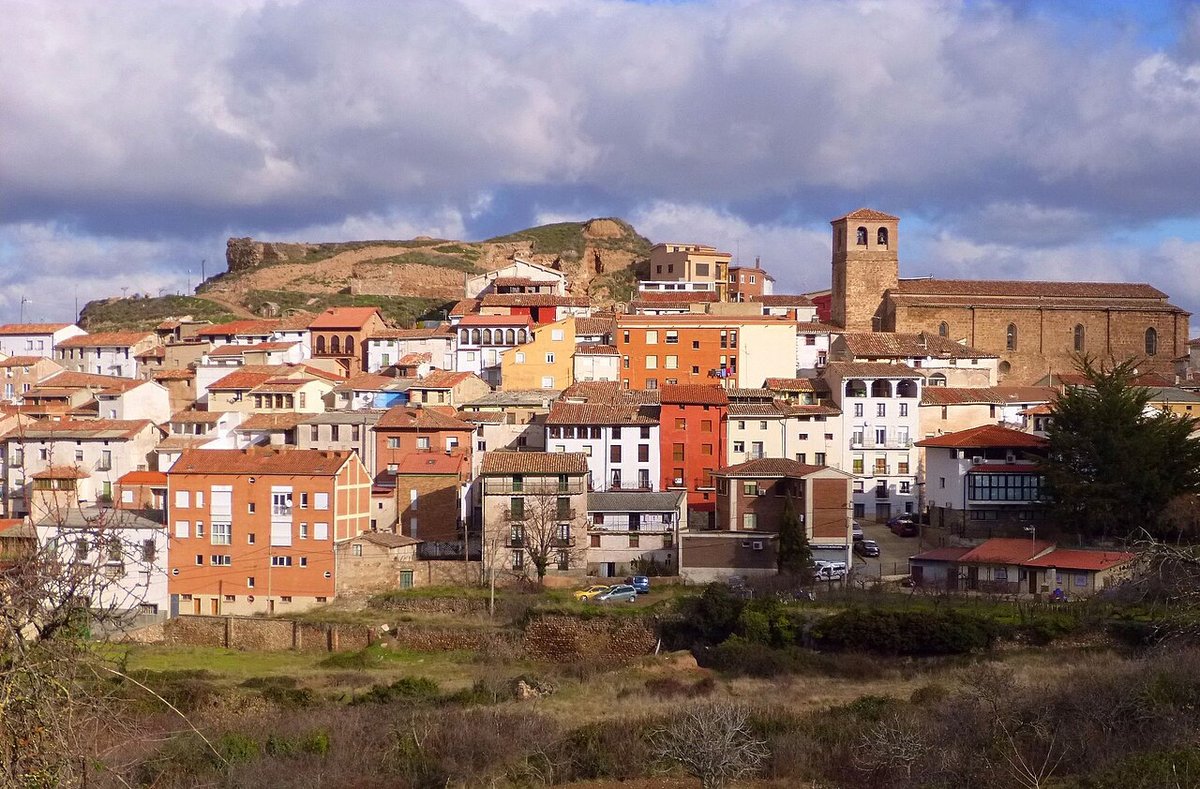
Early in the morning, when Ribafrecha is still half quiet, most visits begin in the same place: the tower of the church of San Martín de Tours. It rises above Calle Mayor and can be seen from different points along the street, peering over the rooftops. The stone carries a muted grey tone, deepened by the damp of cold mornings. When the bells ring, the sound bounces off nearby façades before fading out towards the surrounding fields.
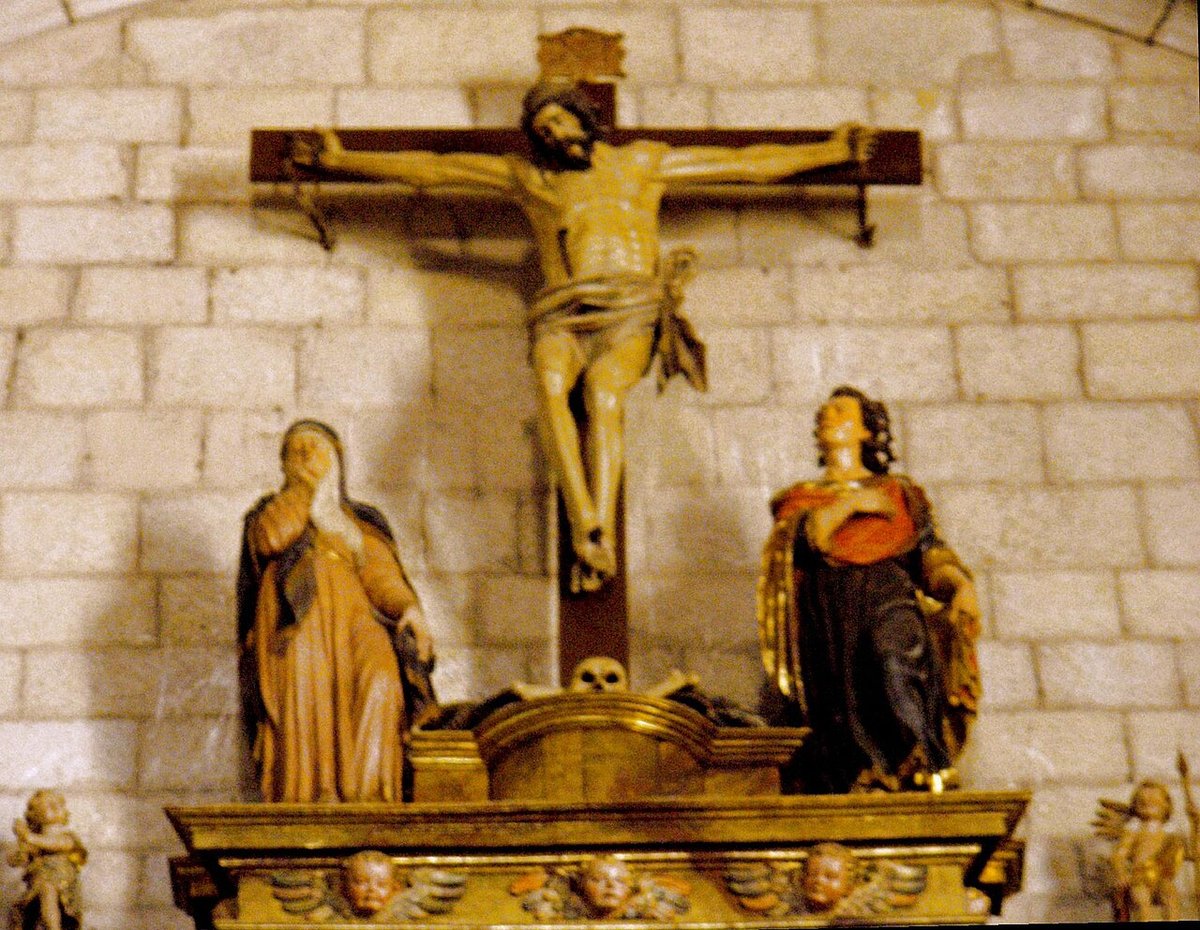
The church shapes the centre of the village. Its current appearance reflects several phases of construction and later alterations, visible in the changes of stonework and in the additions to the bell tower. A slow walk around the exterior reveals fine cracks, marks in the ashlar masonry and areas where restoration is more recent. Nothing feels overly polished. The building shows its age in quiet details rather than grand gestures.
San Martín de Tours, the village’s patron saint, remains an important reference point in the local calendar. His feast day in November brings religious events and gatherings in the square, blending tradition with everyday life rather than turning into a spectacle for outsiders.
Straight Streets and Everyday Corners
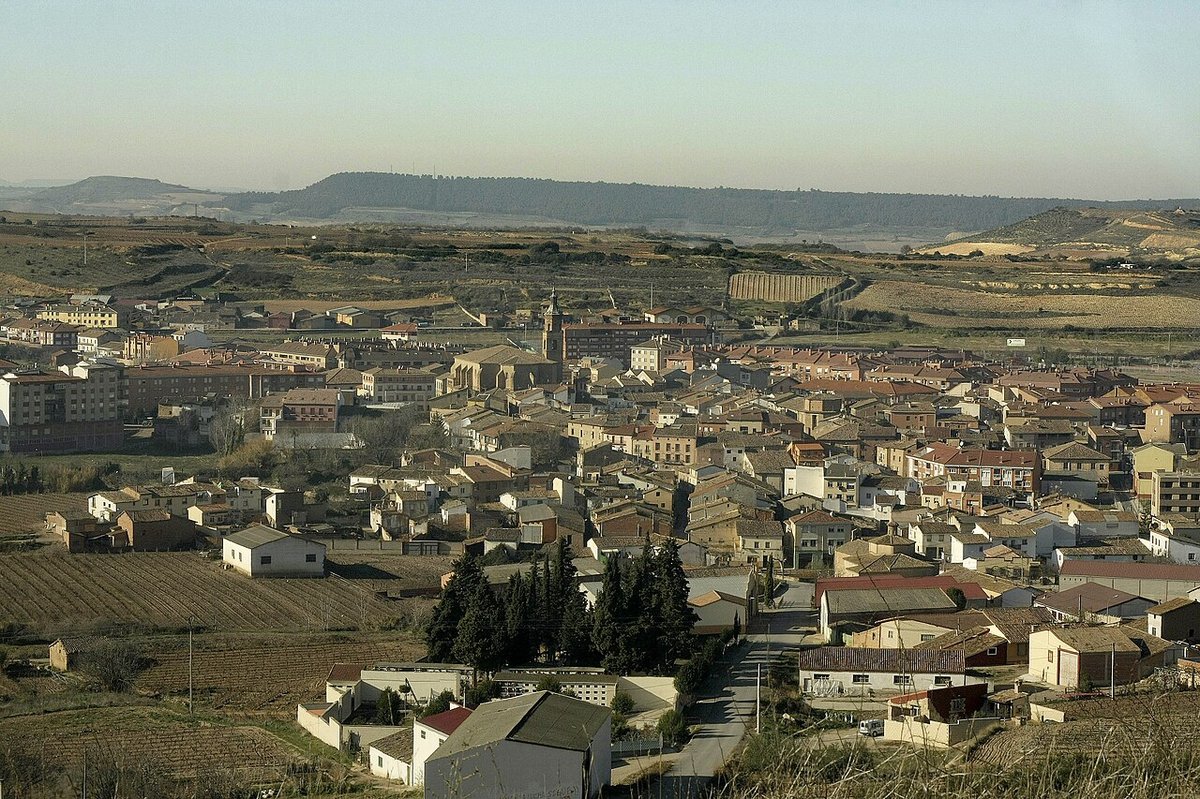
Ribafrecha’s urban centre is small and easy to navigate. Several straight streets lead away from the area around the church, lined with brick and rammed earth houses. Many have dark iron balconies that in summer fill with potted plants and in winter stand bare, their paint slightly worn.
Stone coats of arms can still be seen on some façades. These are not grand palaces but solid, sober houses where such details survive almost by habit. Turning certain corners in the colder months, the smell of firewood drifts through the air. At times there is the metallic clang of a workshop or the sound of a garage door opening.
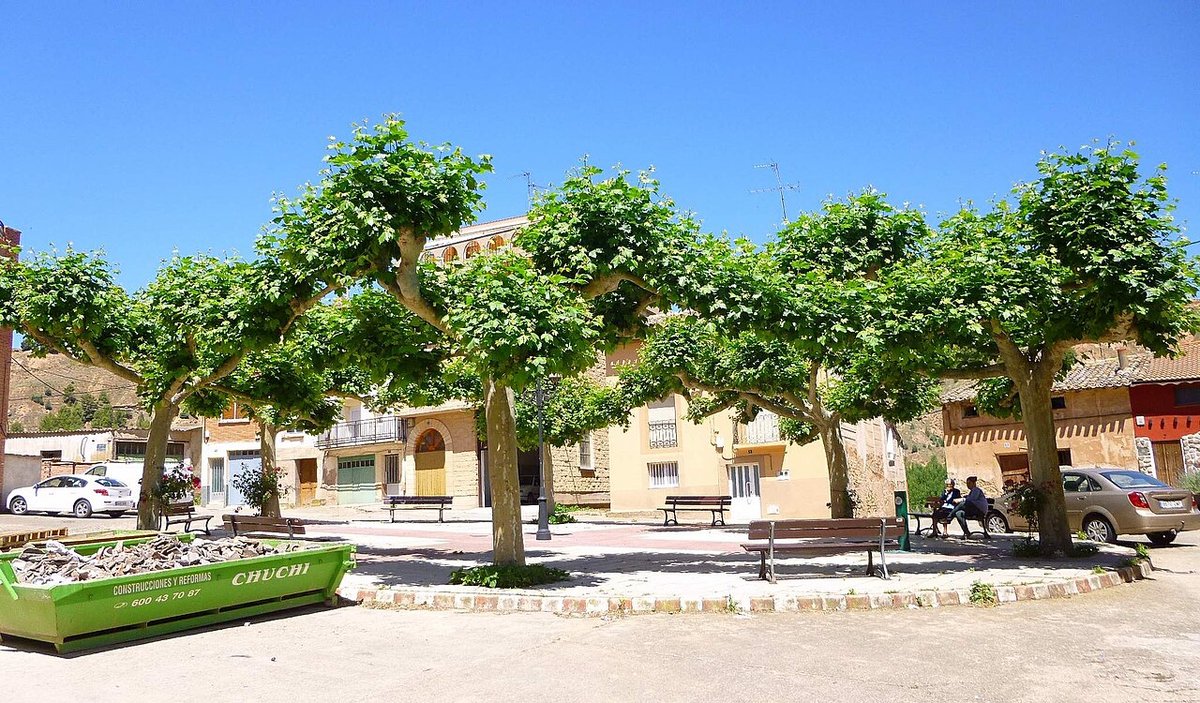
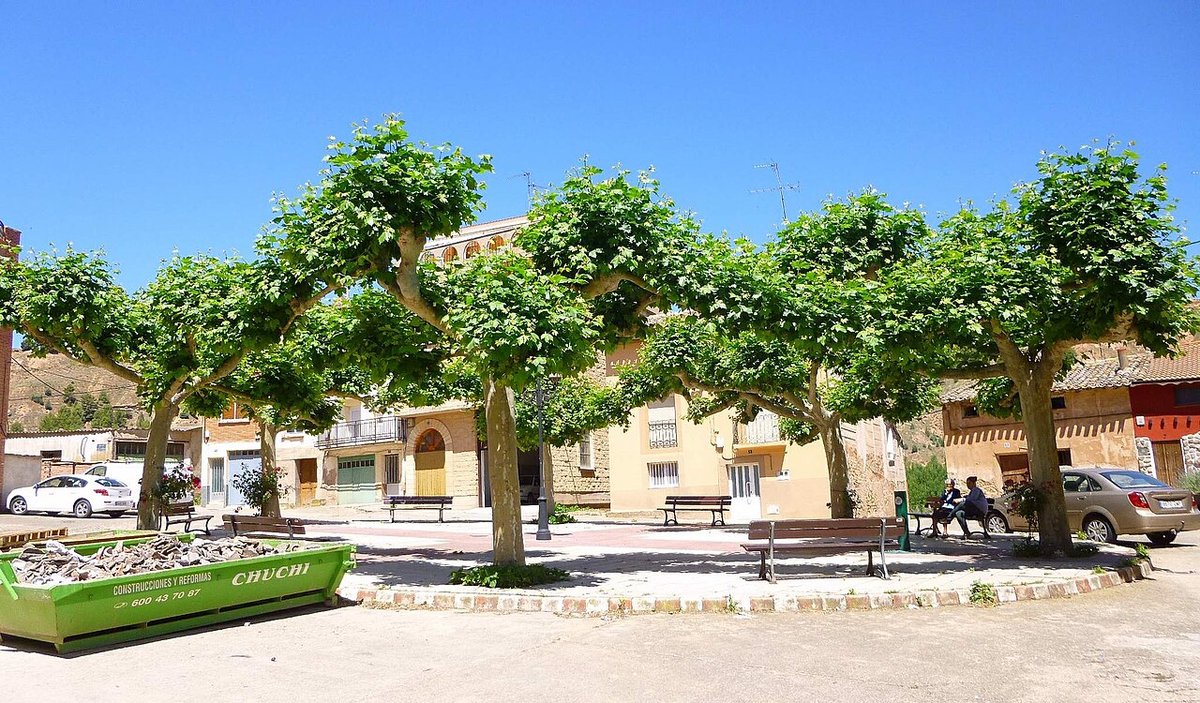
The main square functions more as a meeting point than a monumental space. On some days hardly anyone passes through. On others it fills with brief conversations, errands and cars stopping for a moment. The rhythm changes according to the day, yet it rarely feels hurried.
This is a village where daily routines remain visible. Nothing is arranged for display. The centre is simply where people live, talk and get on with things.
Fields at the Edge of the Last House
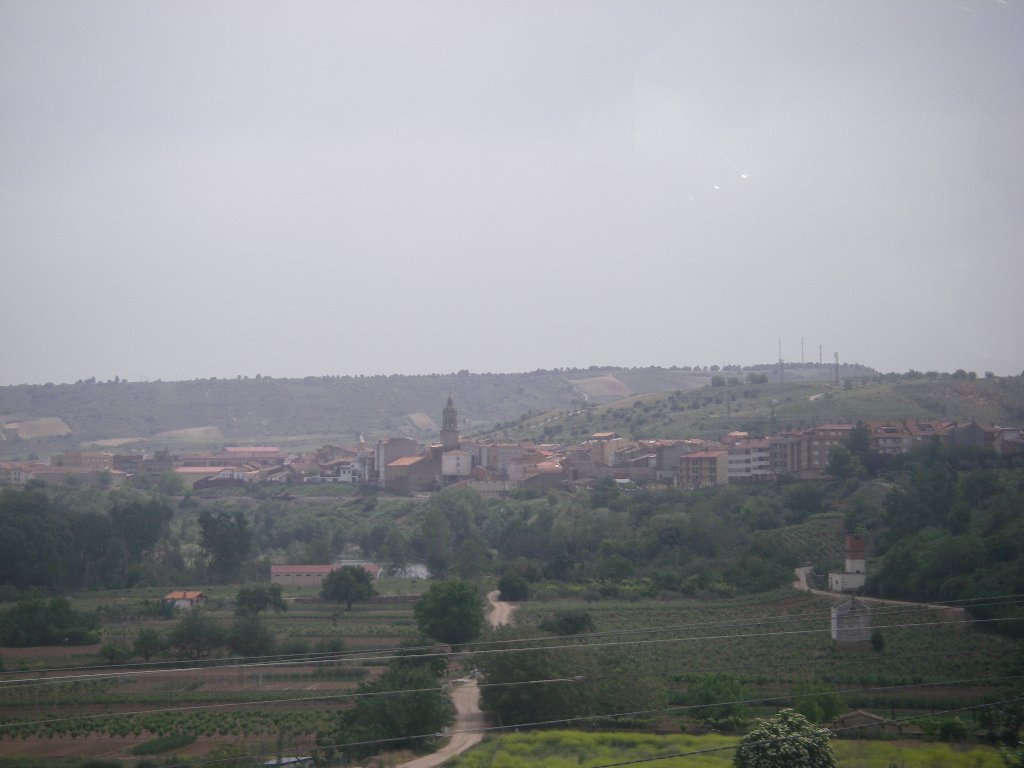
A short walk is enough for the final houses to give way to open land. The transition is almost immediate: first a line of vegetable plots, then vineyards and cereal fields stretching out across the valley.
In autumn, during the grape harvest known as la vendimia, tractors move in and out of the village hauling trailers piled with grapes. The air shifts at that time of year. It smells of must, damp soil and dry leaves. In spring, by contrast, fresh green shoots line the vines in clear, ordered rows that define the landscape.
Agriculture continues to set the pace of Ribafrecha. Terraced plots with vegetables can be seen near the village, alongside small parcels still worked in a fairly traditional way. The connection between the built centre and the countryside is direct. There is no long road separating them, no clear boundary beyond the last wall and the first furrow.
The vineyards form part of the broader wine culture of La Rioja, a region internationally associated with wine production. In Ribafrecha, this tradition is often tied to small, family-run wineries linked to the cultivation of their own vines. Some still produce wine on a reduced scale, maintaining practices passed down through generations, although they are not always open for casual visits.
Walking Without Rushing
The area around Ribafrecha offers several agricultural tracks that can be followed on foot without much difficulty. These are wide, compacted earth paths used by farmers and by local residents who go out for a walk. They are practical routes rather than signposted hiking trails.
A gentle hour is enough to complete a small circular walk starting from the village itself. The route does not require special preparation, although after heavy rain mud appears quickly, so footwear with good grip is sensible. Conditions can change from one week to the next depending on the weather.
Shade is limited in summer. The openness that makes the landscape easy to read also leaves it exposed. Walking tends to be more comfortable early in the morning or later in the afternoon, when the sun drops towards the slopes and the light softens. At those times the village returns to the slower pace it still keeps outside the busiest dates of the year.
These walks are less about reaching a viewpoint and more about understanding the agricultural setting. A stretch between vines is often enough to grasp how closely Ribafrecha is tied to the surrounding land.
Seasonal Tables and Local Celebrations
Food in Ribafrecha follows the rhythm of the fields. The cuisine revolves around what is grown nearby: vegetables from the huerta riojana, legumes cooked slowly and cured sausages prepared during the winter months. Dishes depend heavily on the season and on what the year’s harvest has yielded. There is little separation between what is cultivated and what appears on the table.
The agricultural cycle influences the atmosphere of the village as much as the calendar of festivities. In summer, the local fiestas briefly alter the routine. The square becomes busier than usual and activities appear for different age groups. For a few days, conversations stretch later and the centre feels more animated. Outside those dates, Ribafrecha returns to its calm pattern.
San Martín de Tours in November keeps a distinctly local character. Religious ceremonies are accompanied by gatherings in the square, where tradition blends naturally with daily life. Visitors are present, but the focus remains on the community itself.
A Short Visit That Makes Sense
For those arriving with limited time, starting along Calle Mayor and around the church is the most practical approach. This area contains the most recognisable part of the historic centre. From there, it takes only minutes to step onto the agricultural tracks that frame the village.
Two hours are enough to walk through Ribafrecha at an unhurried pace and continue a short way among the vineyards to understand the landscape that surrounds it. The visit works best without overcomplicating it. A stroll through straight streets, a pause by the church, a stretch along the paths between vines.
In summer, avoiding the middle of the day is advisable. Heat settles heavily over the streets, and the open tracks offer little shade. Early morning or late afternoon suits the place better. At those times the bells of San Martín de Tours carry further, the fields breathe more gently, and Ribafrecha keeps to the steady rhythm that defines it for most of the year.