Full Article
about Robres del Castillo
Scattered municipality in the Jubera valley; includes depopulated hamlets and wild surroundings.
Hide article Read full article
When the light fades over the hills
Late in the afternoon, as the sun begins to drop behind the low hills, Robres del Castillo settles into near silence. A door closes somewhere, a dog barks in the distance, and the fading light slips across walls of stone and adobe. Tourism here has little to do with ticking off sights. It is more about walking slowly and paying attention to what is already there.
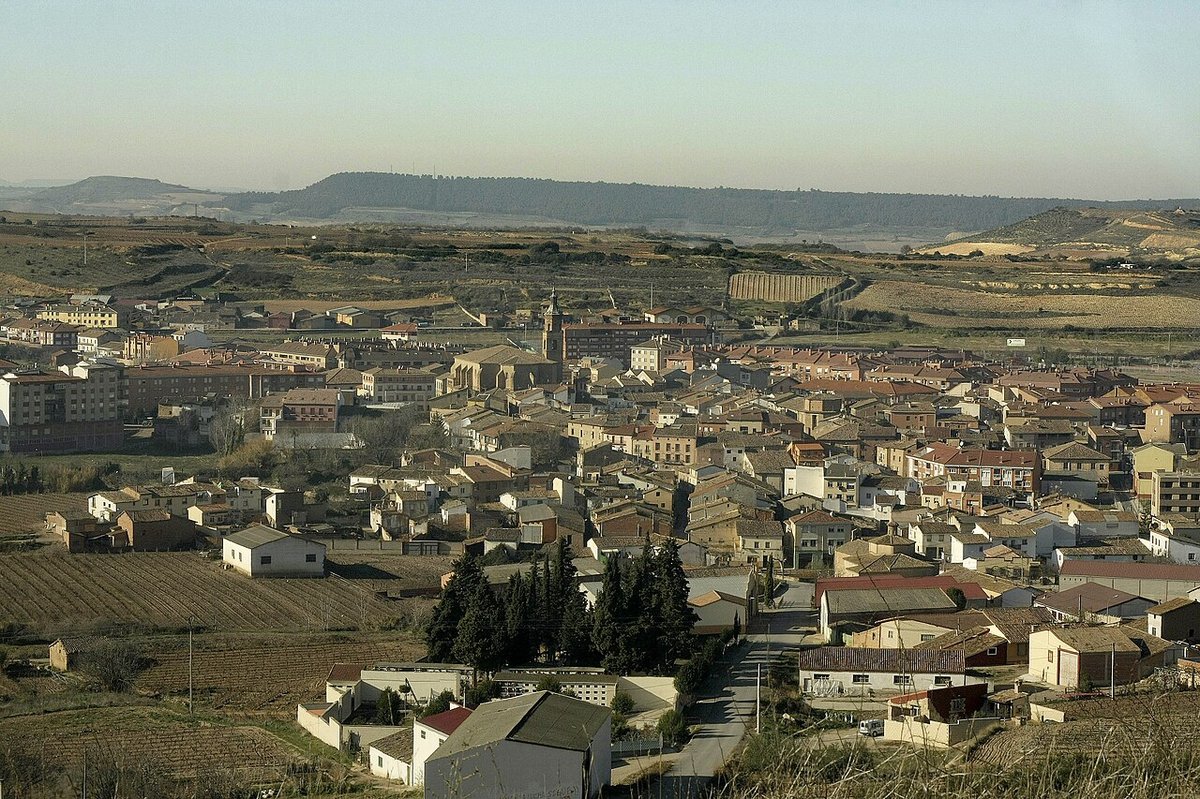
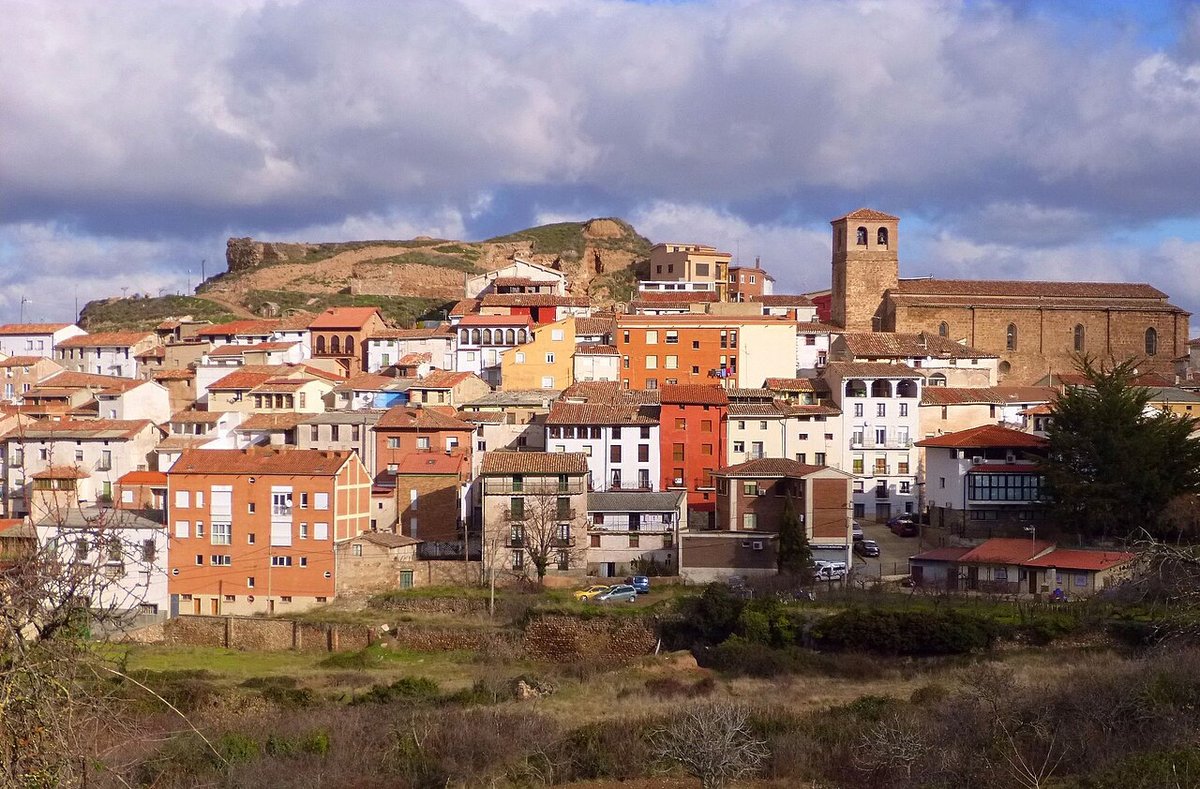
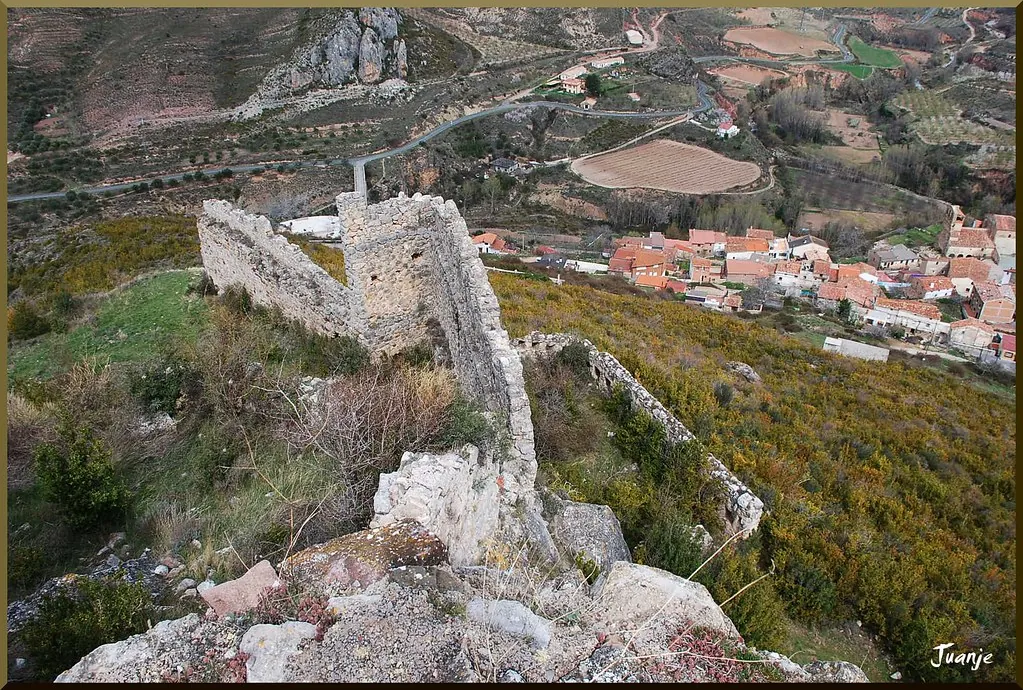
The village has barely around twenty residents and lies about twenty kilometres from Logroño, in an area where the rhythm of life still follows the fields. Streets are short and slightly uneven, lined with façades where stone sits alongside adobe and timber darkened by time. Run a hand along some of the walls and the rough texture of mud mixed with straw can still be felt. In spring, after rain, the scent of damp earth drifts in from the nearby kitchen gardens and paths.
The church and the heart of the village
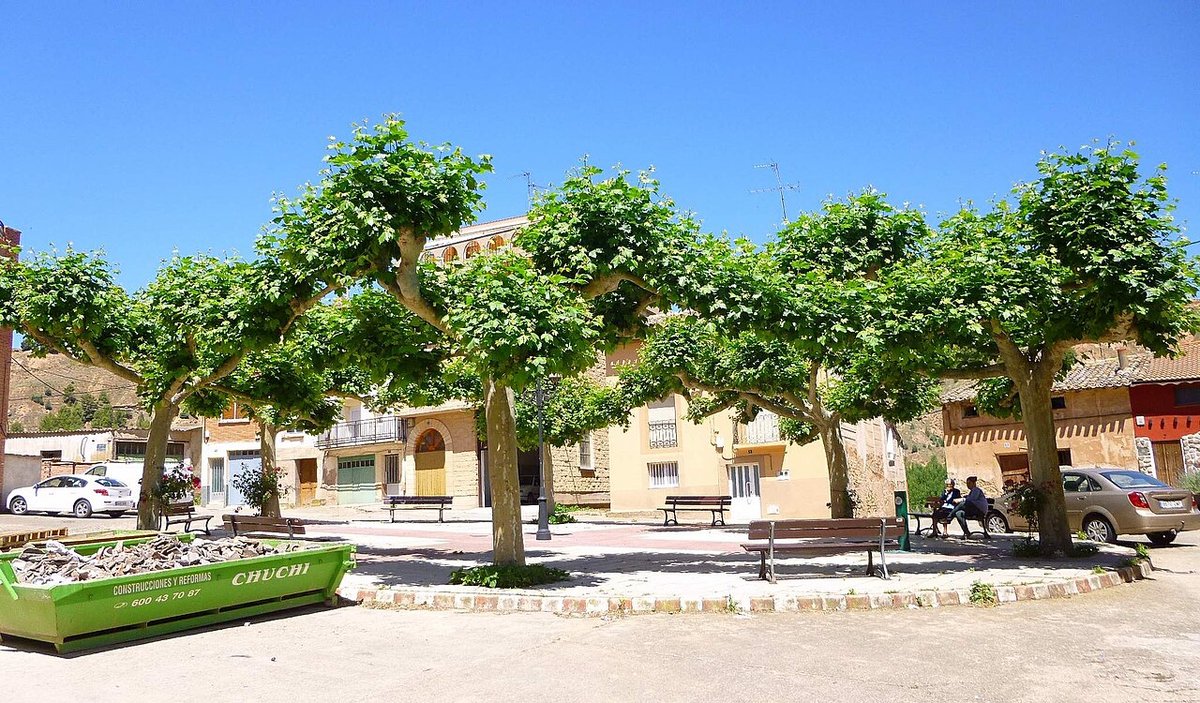
The Iglesia de San Pedro occupies the most open space in the centre. It is not large, yet its presence defines the square. Its façade is built in dressed stone, and the bell tower follows fairly simple lines. Local accounts suggest that the current building may date from the 16th or 17th century, although it has undergone later alterations.
Around it stand several houses with narrow doorways, small windows and, in some cases, wrought-iron grilles. These details reflect a way of life closely tied to both climate and agricultural work. On quiet days, the sound of wind passing through overhead cables can be heard, along with the occasional sharp knock of a shutter being closed.
Tracks through cereal fields and vineyards
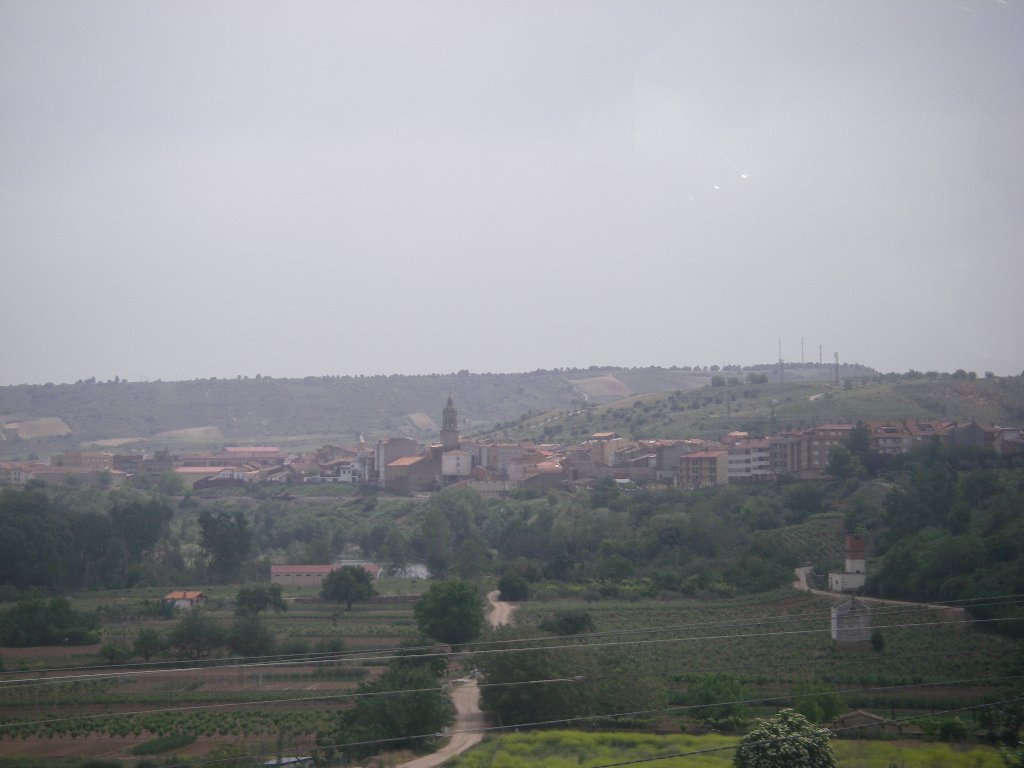
Step beyond the built-up area and agricultural tracks quickly appear, cutting through cereal fields and small plots of vines. There is no need to plan a long route. Following one of these paths for a while is enough, especially if you turn back to look at the village from a distance. From there, Robres del Castillo reduces to a cluster of houses and the church tower rising above them.
As evening approaches, the landscape shifts noticeably. The hills take on warmer, more golden tones, while the green of the vines softens. On calm days, the beat of wings from a bird of prey may carry across the fields, or the quick movement of a partridge slipping through scrub. At times, a rabbit appears at the edge of the path, holding still for a few seconds before vanishing again.
A short walk is enough
Robres del Castillo can be explored in a short time. An hour or so is enough to walk its main streets, pause in the square by the church and wander a little way out towards the surrounding fields. The interest lies in the small details: old locks, heavily worn wooden gates, walls that reveal different layers of construction.
For those with a camera, the most rewarding moments tend to come at sunrise or as the sun is setting. At those times, shadows stretch across the terraces and the colour of the stone shifts subtly with the light.
When to come and what to bear in mind
Spring and early summer are usually the most pleasant times to walk in the area. The fields are green and there is still a breeze moving across the hills. In the height of summer, the heat becomes intense during the middle of the day, so it makes more sense to set out early or wait until late afternoon.
It is worth arriving with a bit of planning. The village is very small and services are limited, so if you intend to walk along the surrounding tracks it is sensible to bring water and something to eat.
A quiet pause in rural La Rioja
Robres del Castillo works best as a brief stop within a wider route through this part of La Rioja, a region in northern Spain known for its agricultural landscapes. There are no major monuments and no constant activity. What stays with visitors is something less tangible: the sound of wind moving across the fields, the colour of the الأرض as the day fades, and the feeling of being in a place where time passes more slowly than on the road that leads here.