Full Article
about Santa Engracia del Jubera
Large municipality with several villages (Jubera, Santa Engracia, Ribas, Viguera, Venta de San Julián, Piqueras, and Lomos de Orios) spread across the valley of the River Jubera and the surrounding mountains.
Hide article Read full article
A small village in the Jubera valley
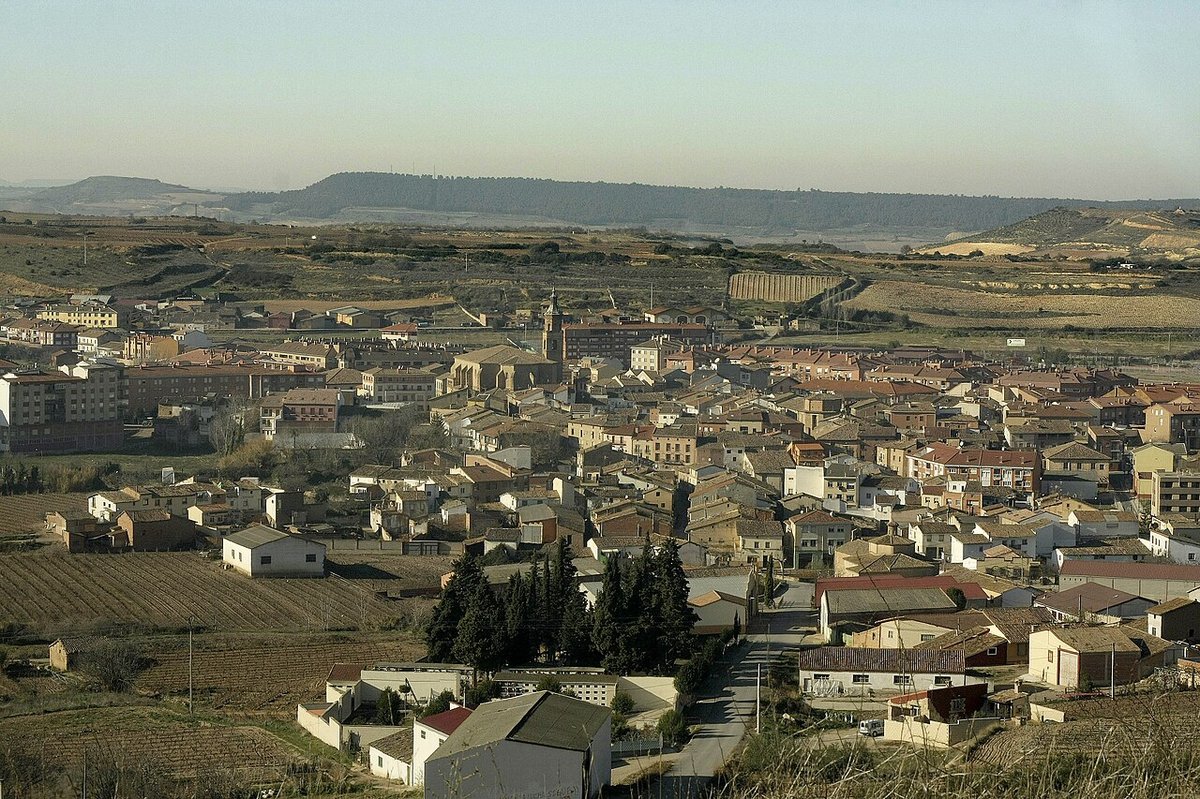
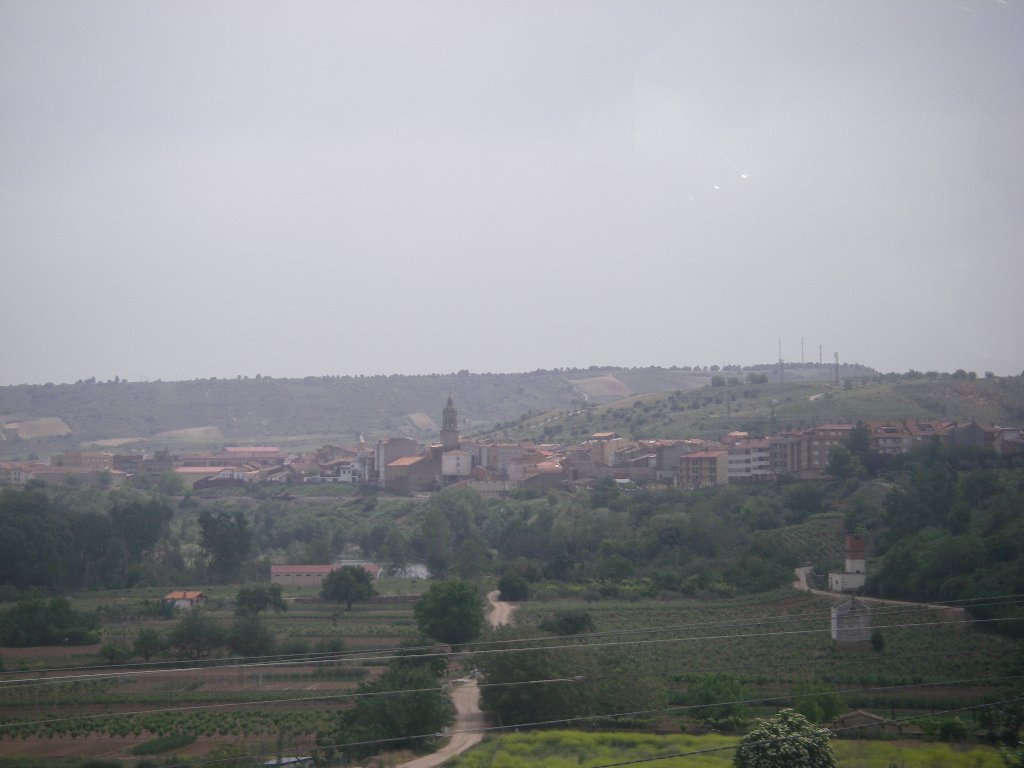
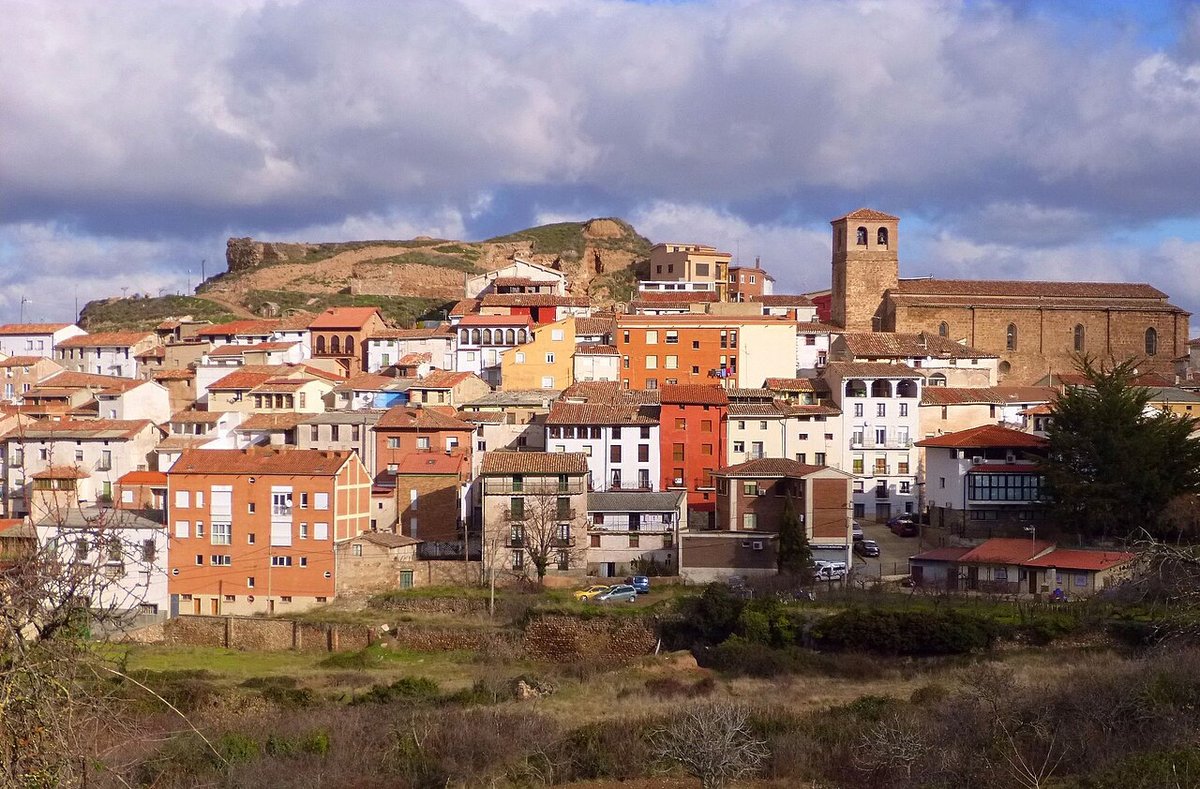
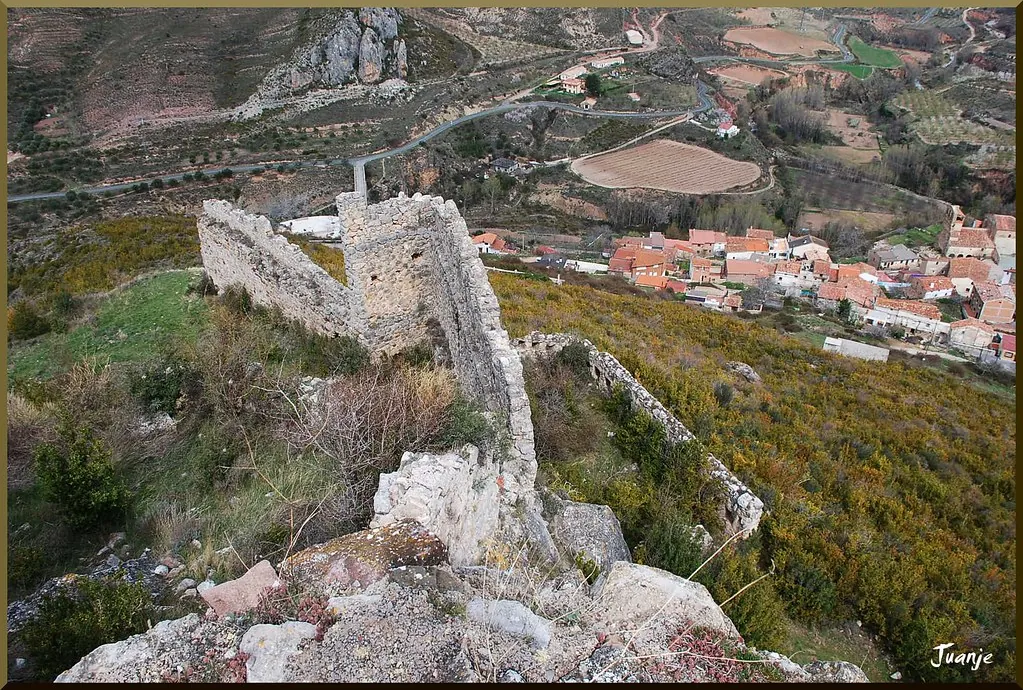
Santa Engracia del Jubera lies in the valley of the Jubera, to the south-east of Logroño in La Rioja. The village rests on a low hillside close to the river. Today it has fewer than two hundred registered residents, and its setting explains much about daily life. The countryside and the river still set the pace.
The Jubera valley acts as a natural route between the Ebro basin and the inland sierras. This is not an area of large towns. Instead, small settlements are scattered at intervals, separated by vegetable plots, patches of vines and stretches of scrubland.
The overall impression is of a rural landscape that has changed slowly. Fields and watercourses shape both the scenery and the routines of those who live here. Santa Engracia is compact, easy to grasp at a glance, and closely tied to its surroundings.
History, landscape and the parish church
The village takes its name from Santa Engracia, a martyr from Zaragoza. Her dedication appears in the parish church, which has ancient origins, perhaps medieval, although it has been altered several times over the centuries.
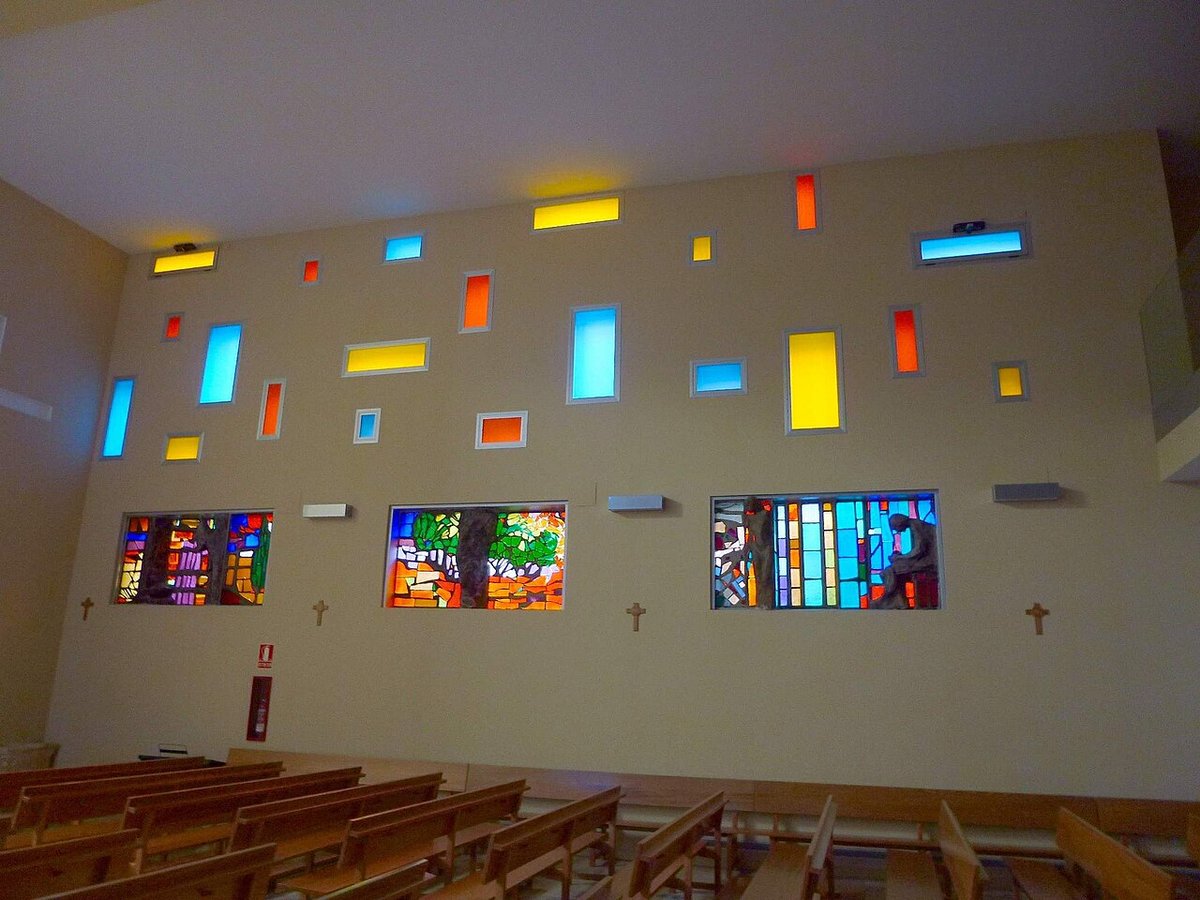
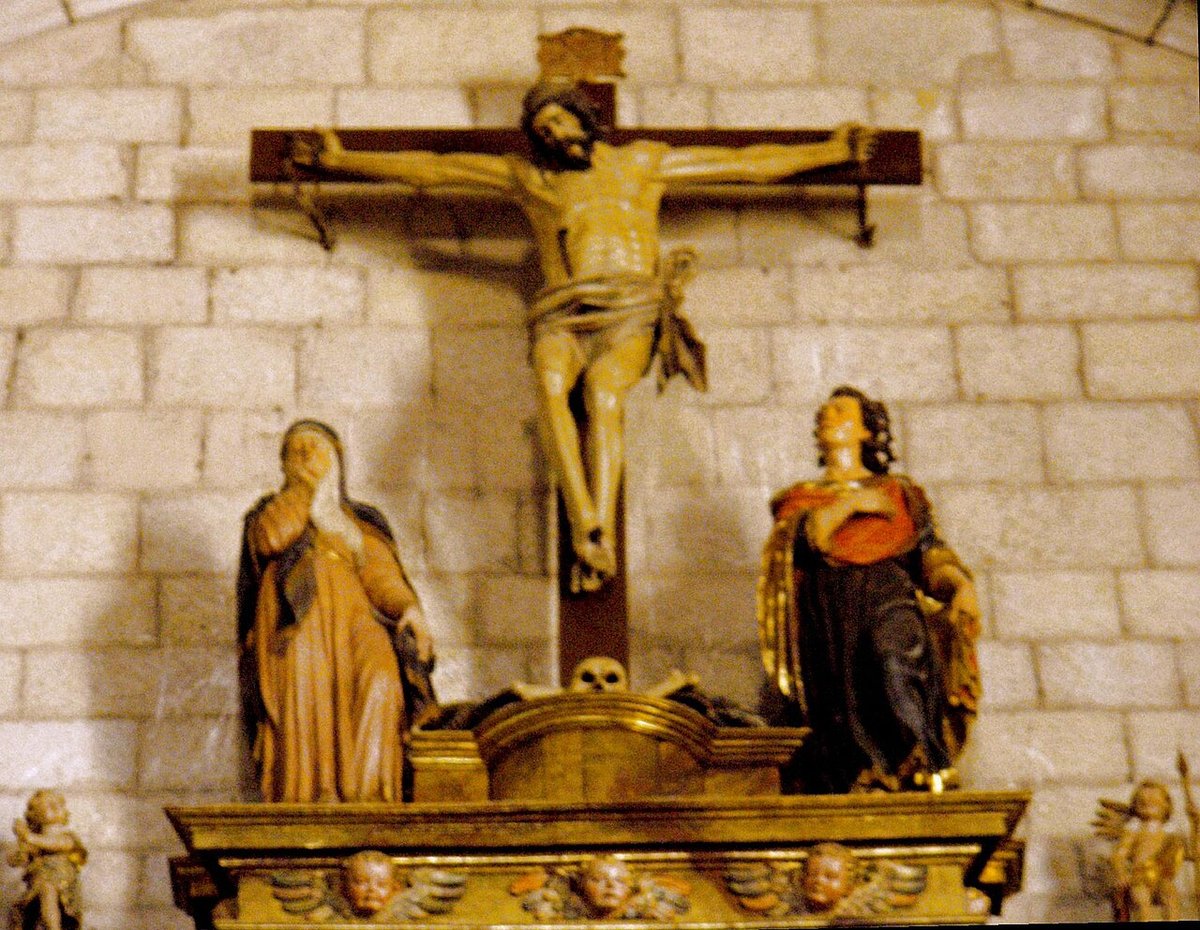
The present building is restrained in style. It does not aim for grandeur. Inside, there is usually an altarpiece and some devotional paintings. These are modest works, typical of rural parishes in this part of La Rioja.
The River Jubera defines the landscape. In some stretches it runs in a narrow channel; in others it opens out into small riverside flats. For centuries these spaces have been used for vegetable gardens and pasture. The river is not just a feature of the view but a practical resource that has supported agriculture and livestock.
The historic development of the village is closely linked to this geography. Access to water, workable land and routes through the valley determined where people settled and how they built.
Streets, houses and everyday architecture
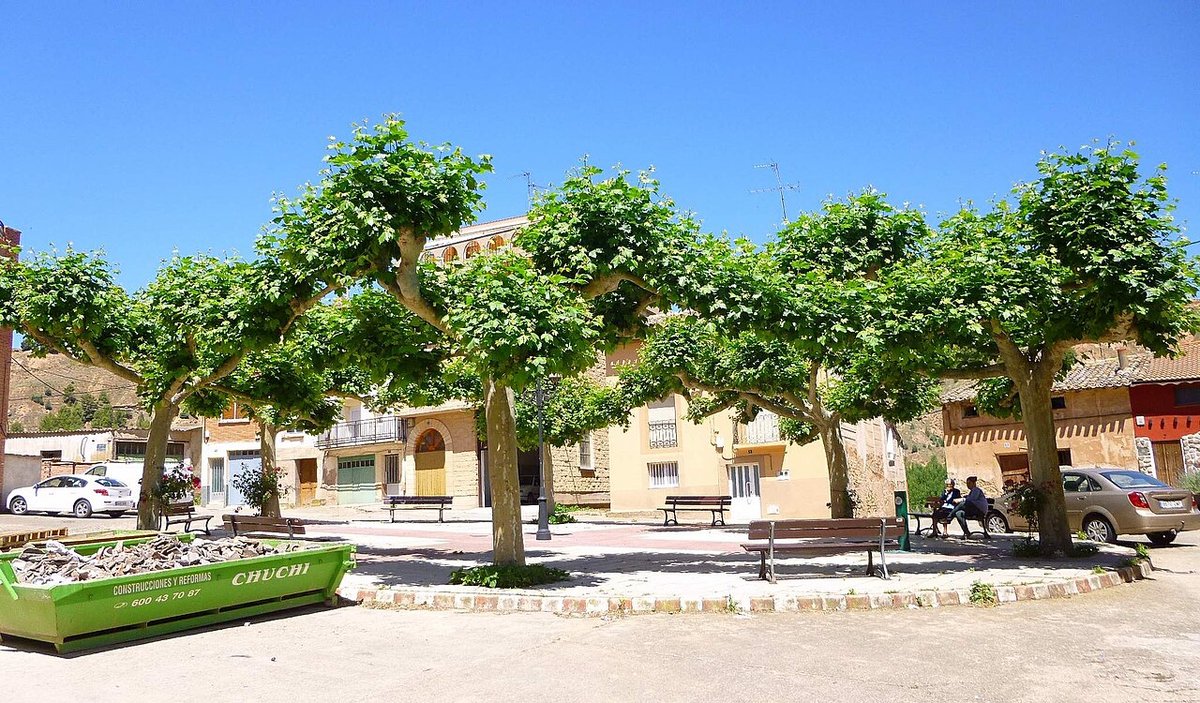
The houses cluster around a small square where the church stands. From this point, several short streets branch off. Many end quickly in yards, threshing floors or tracks leading out towards the fields.
Local building materials define the look of the village. Stone and adobe appear side by side, often with later additions that reveal practical repairs carried out with whatever was available at the time. Some façades display simple coats of arms or ashlar stone doorways, modest signs of past status or local pride.
Wooden eaves are worth noticing, as are the wrought iron balconies that are common in the area. On the edges of the village stand haylofts and old wine cellars linked to agricultural work. These structures underline how closely homes and labour were once connected.
Santa Engracia del Jubera can be explored in a short walk. The scale is intimate, and the layout makes sense quickly. A turn through the square and along the surrounding lanes offers a clear picture of how rural communities in this valley have been organised.
Walking through the Jubera valley
Several rural tracks leave Santa Engracia and head into the valley. Many follow former working routes that once connected the village with other settlements in the Jubera valley.
The landscape alternates between vegetable gardens, cereal fields and scattered patches of vines. Vineyards here are not extensive. Viticulture has traditionally played a secondary role compared with other crops.
Near the river grow poplars and willows, providing some shade in summer. In winter the valley feels more open and quiet, with fewer leaves to soften the outlines of the land. Seasonal changes are noticeable and affect how the place is experienced.
Birdlife linked to the river and surrounding fields can sometimes be seen, particularly at dawn or towards evening. Human activity remains limited, which adds to the sense of stillness. Walks do not require complicated planning. A short route along a track or beside the river is enough to understand the relationship between the village and its environment.
Festivals and local life
The main celebration is usually dedicated to the patron saint, Santa Engracia. It takes place around mid-September and includes religious events as well as gatherings in the streets. For visitors unfamiliar with Spanish village traditions, such fiestas often combine church services with communal meals or informal socialising outdoors.
In summer, the atmosphere shifts slightly. Several houses reopen as families who live elsewhere return for a few days. The population increases, even if only briefly, and the streets feel more animated.
Social life revolves less around formal programmes and more around meetings between neighbours. Conversations in the square or on a doorstep play an important role. The rhythm is defined by familiarity and routine rather than by scheduled events.
Practical notes before visiting
From Logroño, the road follows the Jubera valley upstream. The route passes through several villages before reaching Santa Engracia. The final stretch is narrow in places, so driving calmly is advisable. The journey takes a little over half an hour from the regional capital, depending on the starting point.
Santa Engracia del Jubera can be covered quickly. A circuit of the village and a short walk into the valley are enough to gain a sense of the place. It is not a destination packed with sights but one that invites quiet observation.
Services are limited and may vary depending on the time of year. If planning to walk in the surrounding countryside, it is sensible to carry water.
When parking, it is better to leave the car in open areas at the edge of the village. Some streets are narrow and lead to yards or working tracks. Asking a local resident for guidance usually helps to avoid inconvenience.
Santa Engracia del Jubera offers a straightforward experience of rural La Rioja. Its scale, its church dedicated to Santa Engracia, and the steady presence of the River Jubera together define a place shaped by landscape and continuity.