Full Article
about Sojuela
Municipality in the Sierra de Moncalvillo with a housing development and golf course; wooded natural setting.
Hide article Read full article
The road up from Logroño
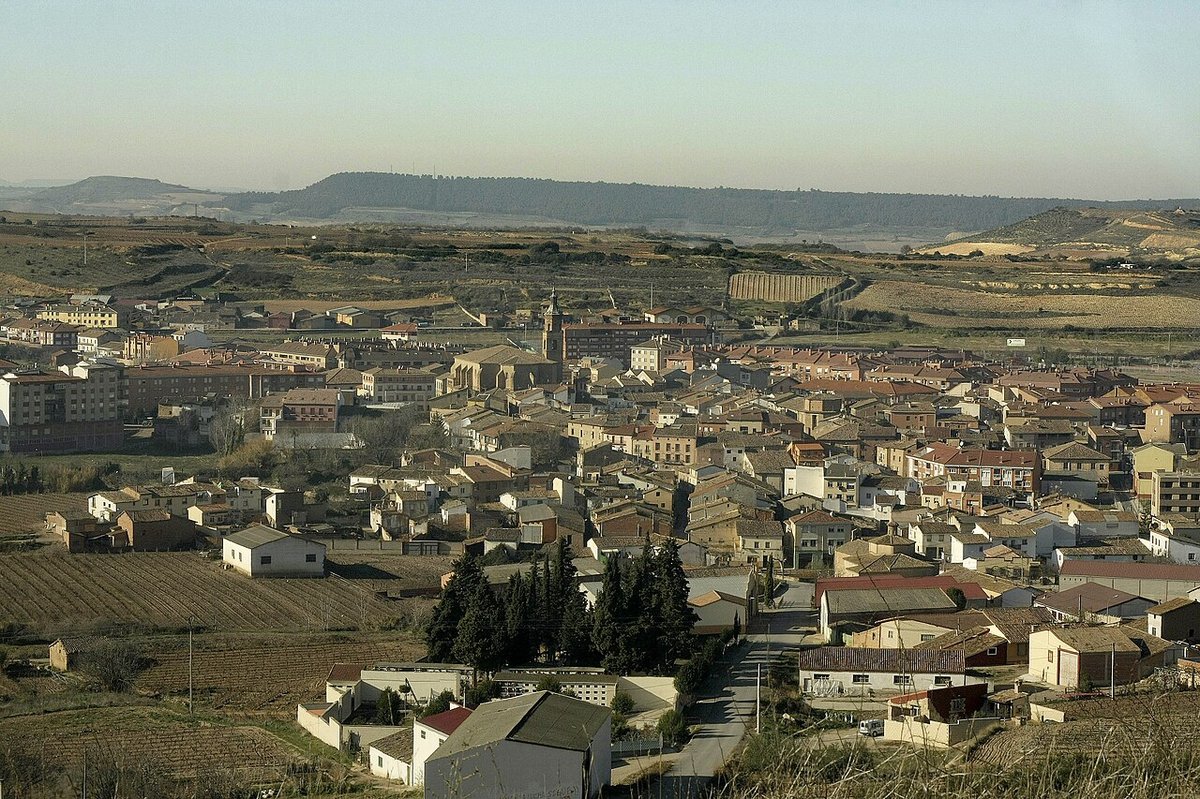
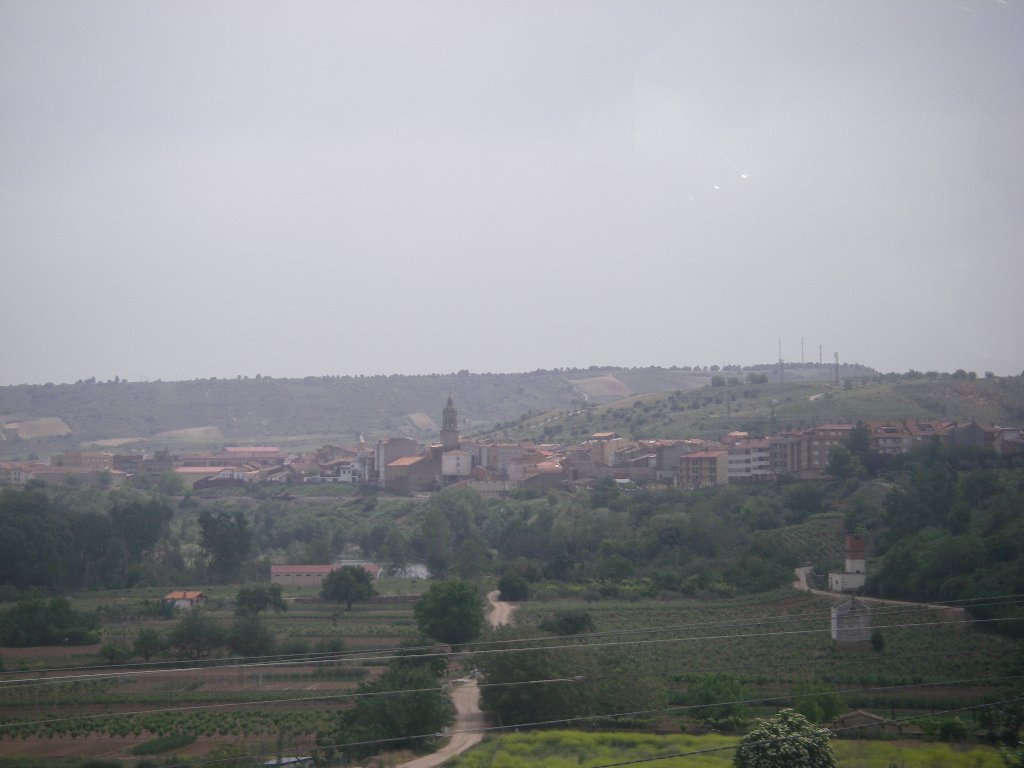
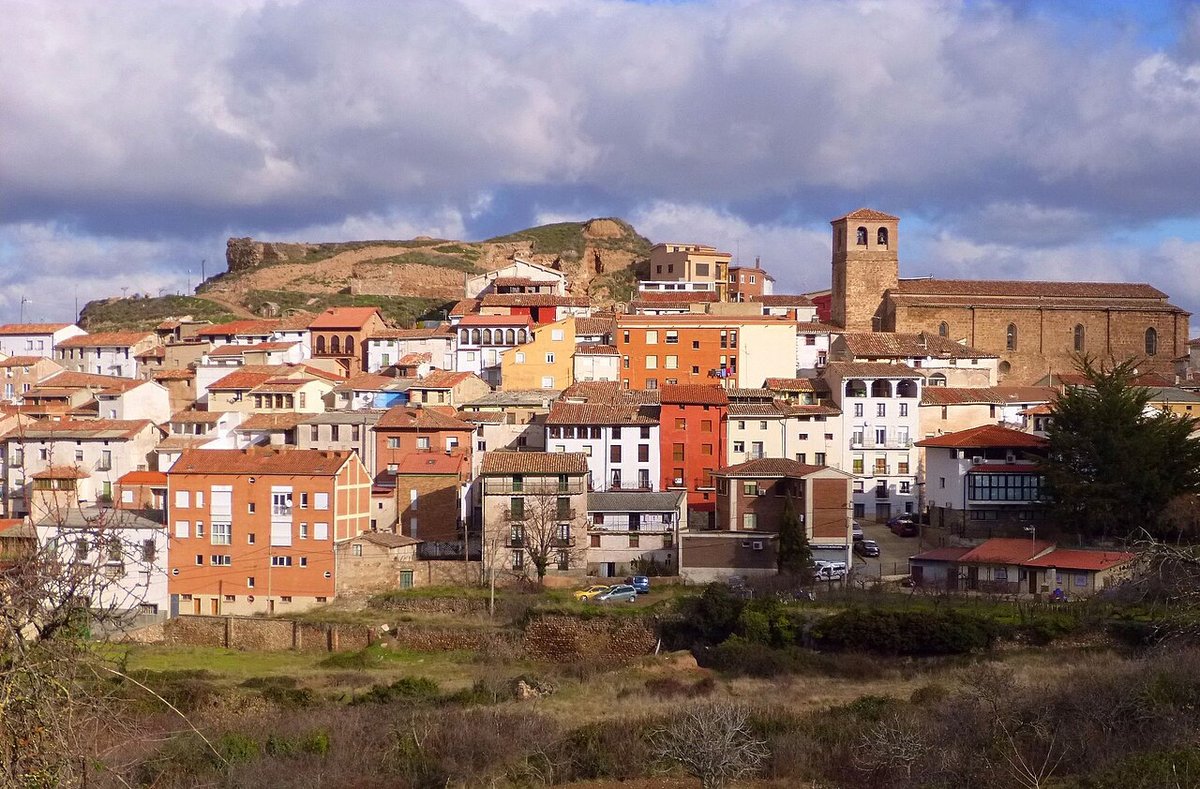
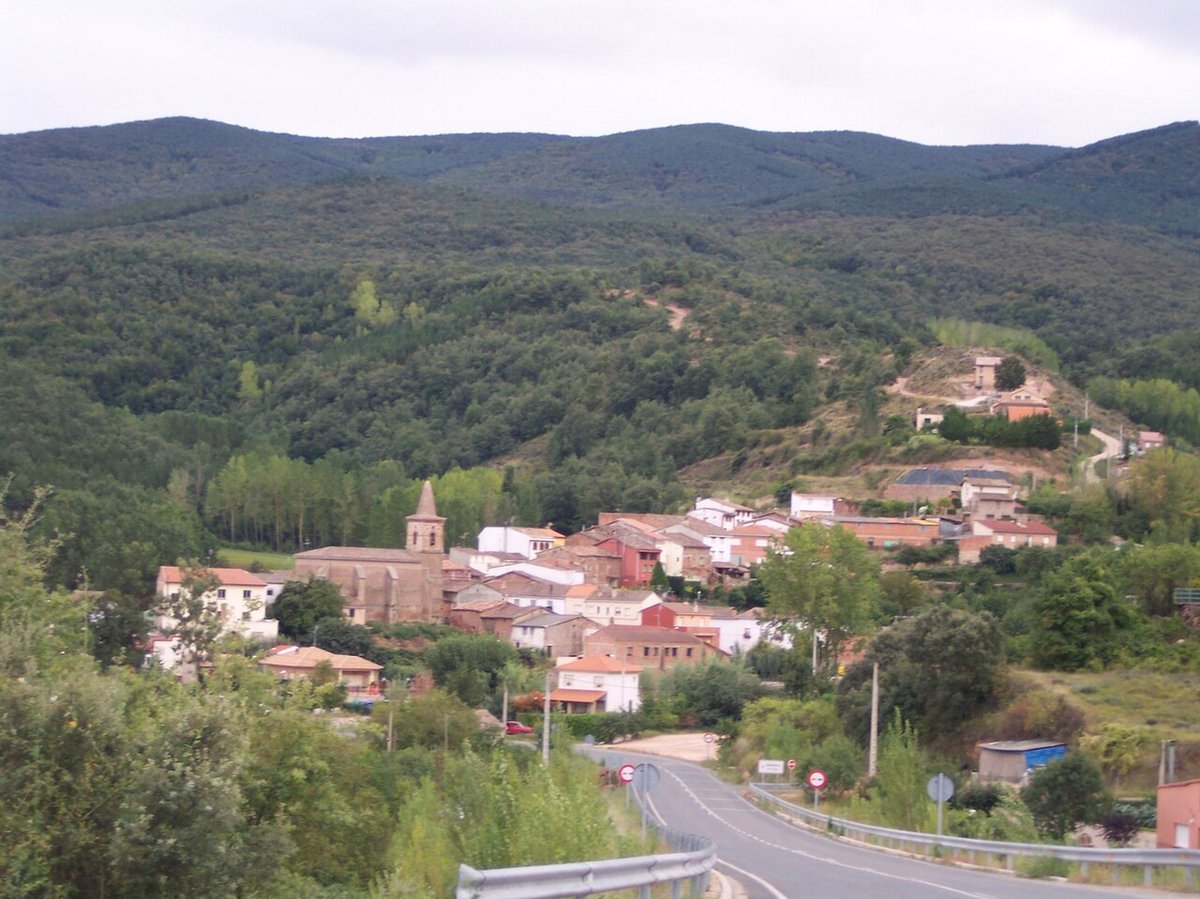
At five in the afternoon, the shadows of the vineyards stretch across the road that climbs towards Sojuela. The village appears suddenly as you round a bend. Yellow stone houses with red tiled roofs cling to the slope. From the car, the church tower stands straight above the rooftops, easy to pick out against the sky. During the grape harvest, the air often carries the smell of turned earth and burnt vine cuttings drifting in from nearby plots.
Sojuela sits just a few kilometres from Logroño, yet the ascent shifts the pace. The road narrows, pine woods begin to appear, and once inside the village the streets rise and fall with that older logic of places shaped directly by the land beneath them.
Sunday morning in the square
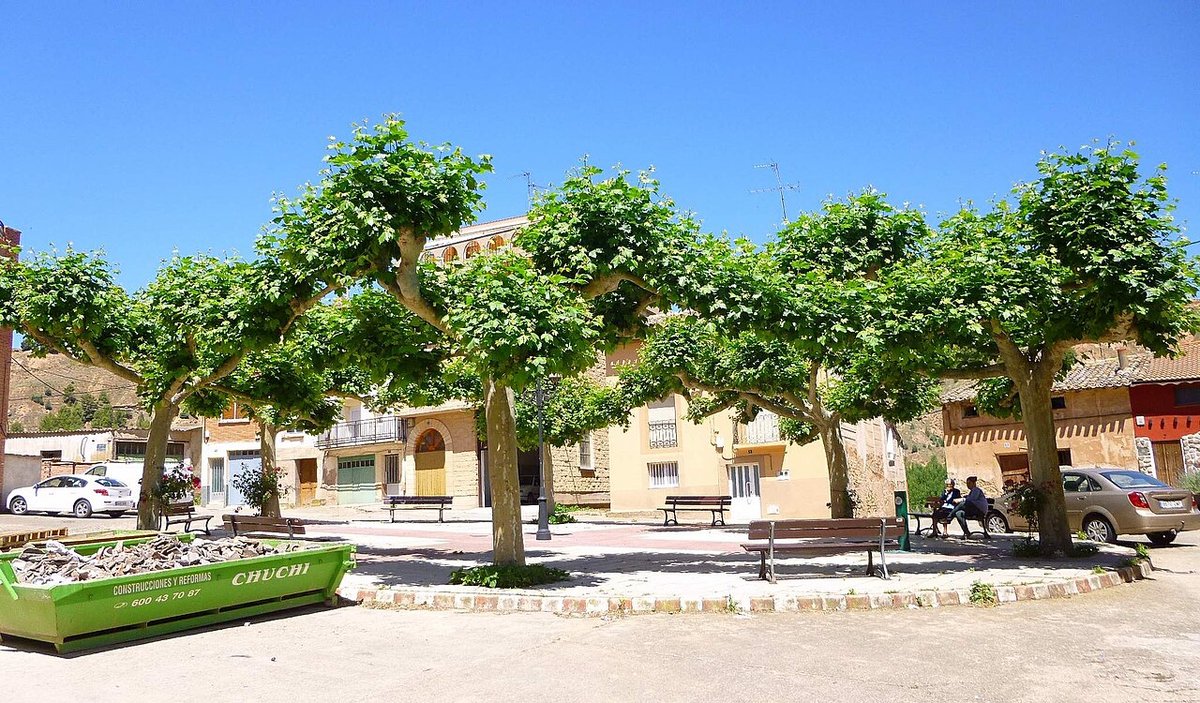
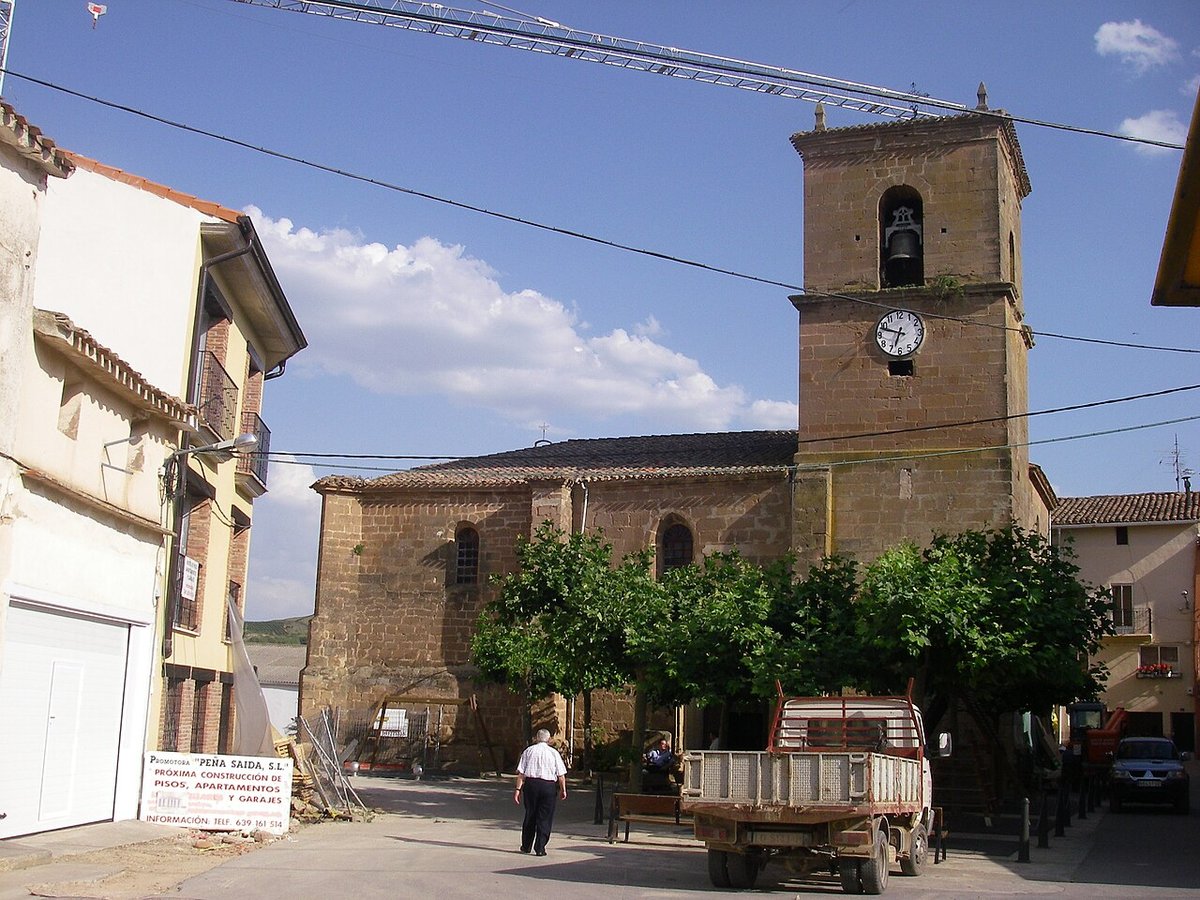
Early in the day, the square moves slowly. A door opens here, someone sweeps the pavement there. In a small shop selling bread, the loaves are still warm and people step in with cloth bags. Voices stay low, not by rule, more by habit.
Sundays tend to stretch out in the square. Vermouth is a common fixture, along with conversations about the vineyards and whether the coming week will be dry. In many homes, lunch revolves around what is in season: alubias, vegetables from the garden, slow-cooked stews that spend the morning over a low flame. When windows open, those smells drift out into the street.
There is no rush to the rhythm. Time expands a little, carried along by routine and familiarity rather than any set schedule.
San Julián among the pines
Above the village, a dirt path climbs towards ruins known locally as the monastery of San Julián. The trail winds through pine trees and low scrub. In summer, the ground crunches underfoot with dry needles.
What remains of the building is a series of walls, open arches and stone covered in moss where sunlight barely reaches. It is often empty. By mid-afternoon, the dominant sounds are insects and wind moving through the pine tops. Light enters at an angle through gaps in the walls, drawing sharp rectangles across the ground.
It is worth wearing closed shoes for the walk. The path is straightforward, though some stretches are loose underfoot.
The setting has a stillness that feels unarranged. Nothing directs how long to stay or where to stand. The place simply holds its shape, half claimed by vegetation, half open to the sky.
Short streets and painted doors
The village centre can be covered quickly. Narrow streets, some sloping, are lined with stone houses that show repairs from different periods. Many doors are painted in bold colours: deep blues, dark greens, reds slightly faded by the sun.
In summer, pots of geraniums appear on balconies and ledges. In winter, the tone shifts. The stone turns greyer, and the village grows quieter, especially during the week.
If arriving by car, it is usually easier to leave it in the lower part of the village and continue on foot. Space within the older streets is limited, and they are not designed for turning or manoeuvring.
Walking here is less about reaching specific points and more about following the natural lines of the streets, noticing small variations in façades, doors, and the way light falls at different times of day.
The stillness of midday
Around two o’clock, the village lowers its volume. A shutter closes somewhere, a car passes slowly, a dog barks in the distance. Many households keep to the traditional pattern of a long lunch followed by rest.
At this hour, walking through Sojuela has a distinct feel: heat settled into the stone, the smell of cooking escaping through open windows, and very few people outside.
Late spring, especially May and June, tends to be a good time to come. The vines are already green and the temperature still allows for walks along the surrounding paths. September brings more movement with the grape harvest. August, particularly at weekends, changes the atmosphere noticeably. Many second homes fill up, and cars become more present in streets that do not have much room for them.
Sojuela does not try to organise itself around visitors. Its pace follows the land, the seasons, and long-standing routines. That is what shapes the experience of being there, more than any single sight or landmark.