Full Article
about Sorzano
Mountain village known for the Cien Doncellas pilgrimage; surrounded by oak groves.
Hide article Read full article
Sorzano, entre el valle y la sierra
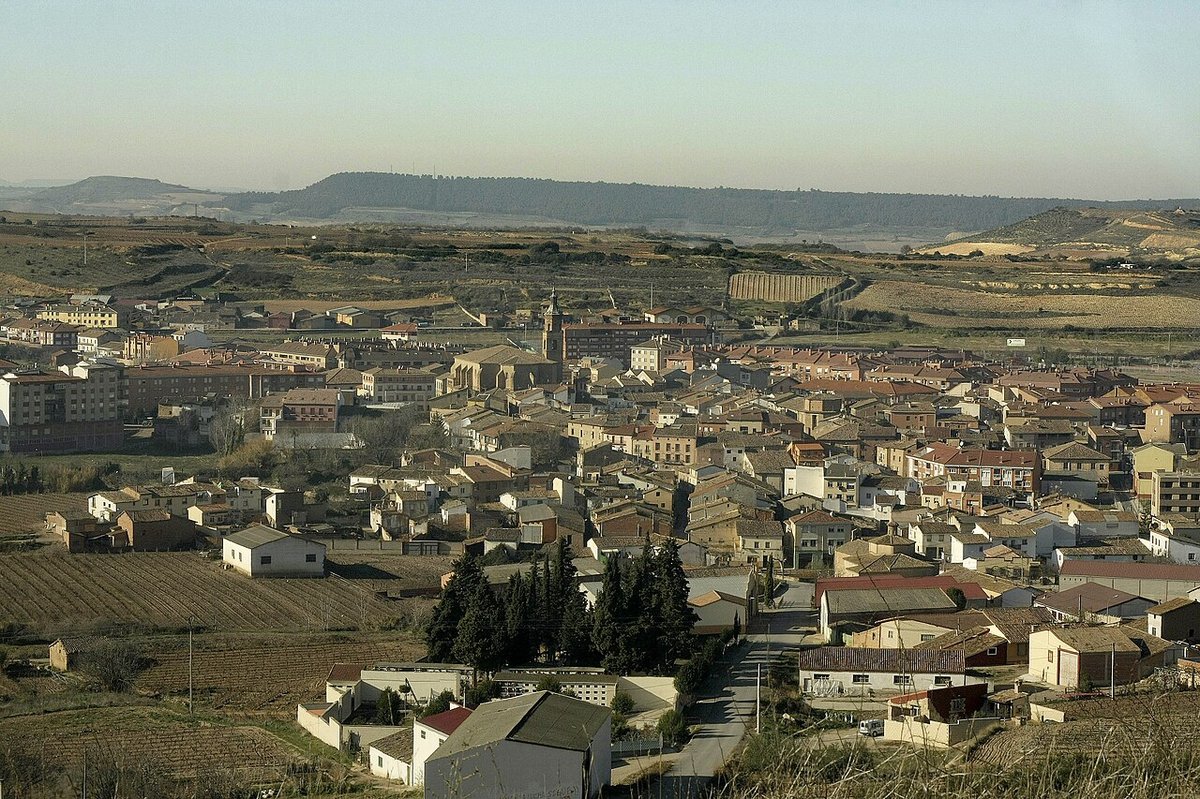
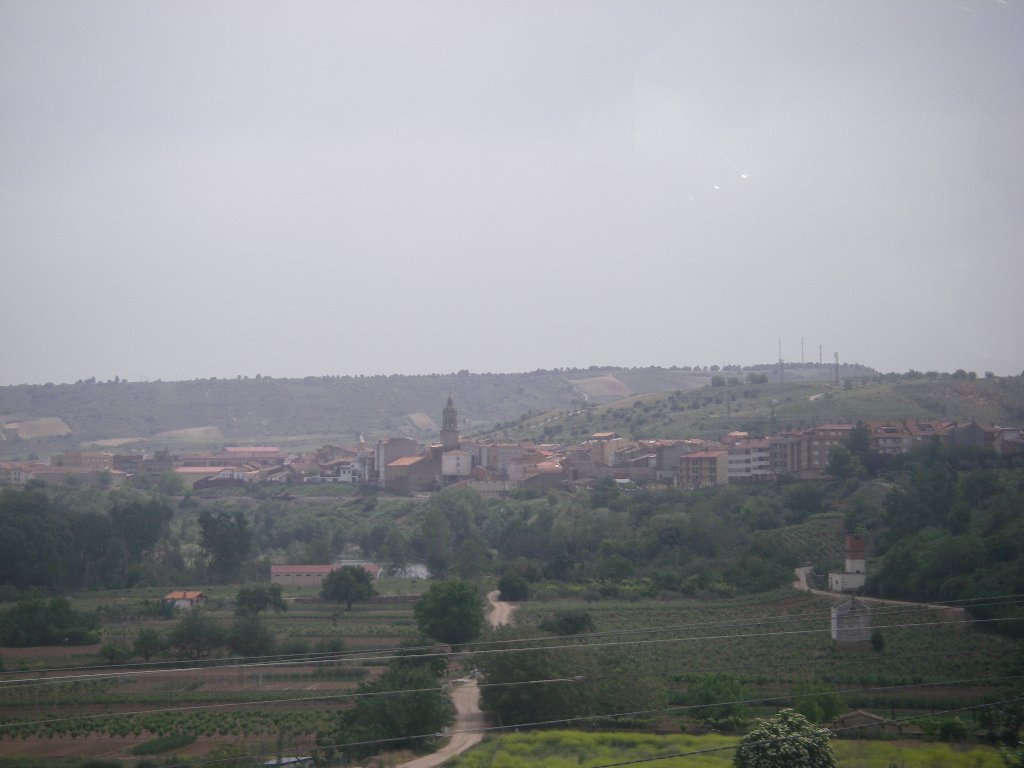
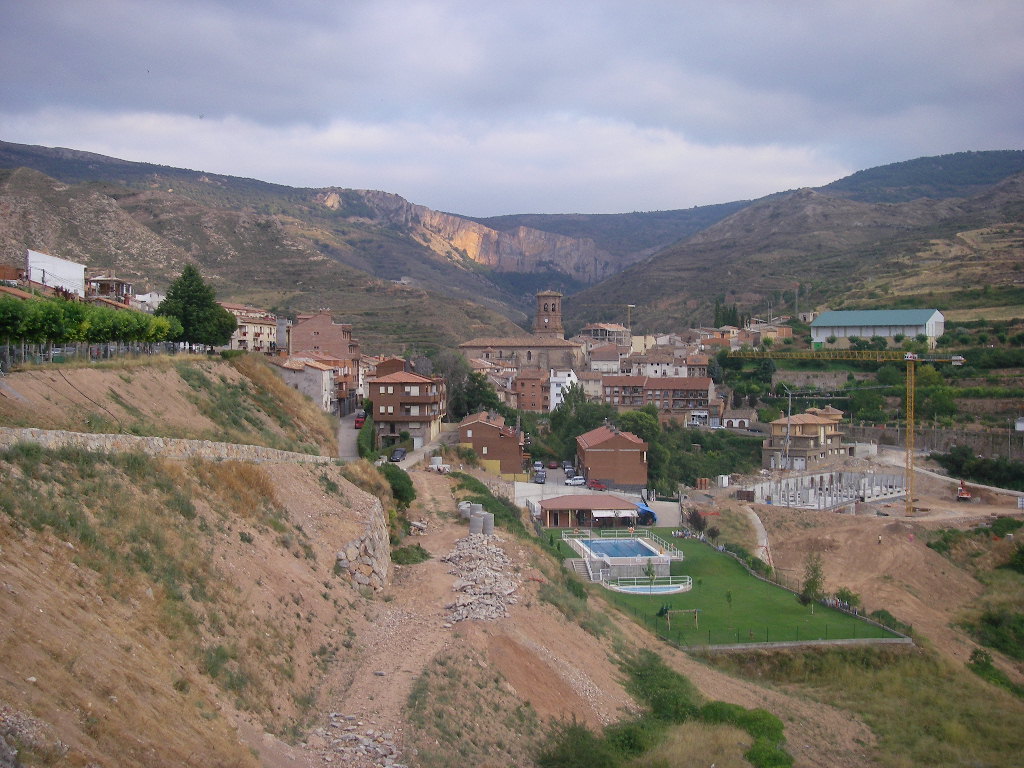
La carretera desde Logroño sube hacia Nalda y, poco después, un desvío lleva a Sorzano. El pueblo se asienta en el límite donde la llanura del Ebro cede a las primeras laderas de la Sierra de Moncalvillo. Son poco más de doscientas personas, rodeadas de un paisaje agrícola donde los viñedos se alternan con campos de cereal y manchas de monte bajo.
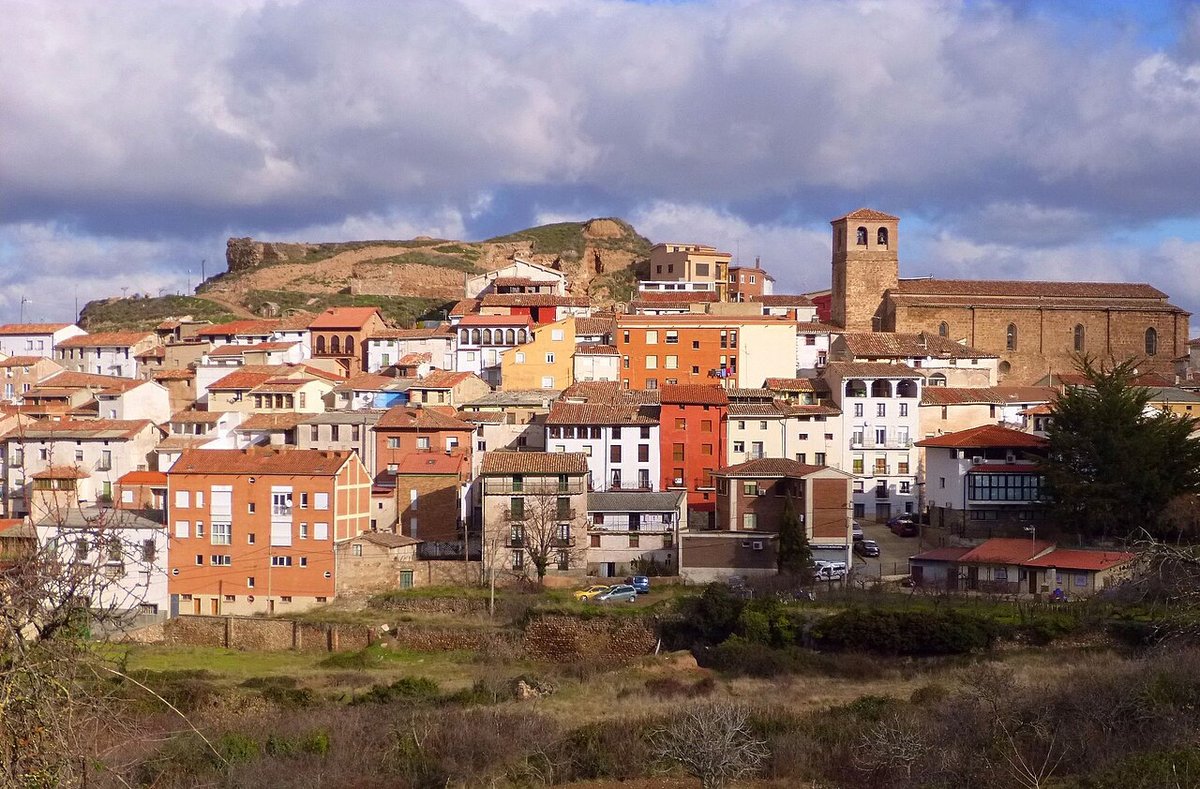
Su trazado lo explica esa topografía. Las calles no siguen una cuadrícula, sino la curva natural del terreno. No hay expansiones recientes ni planes de ordenación ambiciosos. El crecimiento fue el de un núcleo rural que se adaptó, casa a casa, a lo que el suelo permitía.
La iglesia de San Martín de Tours
La parroquia de San Martín domina el perfil del pueblo. Su origen se sitúa en el siglo XVI, aunque lo que se ve hoy es el resultado de reformas posteriores. Los muros son de mampostería, con muy poco ornamento. No fue una construcción para impresionar, sino para servir a la comunidad que la levantó.
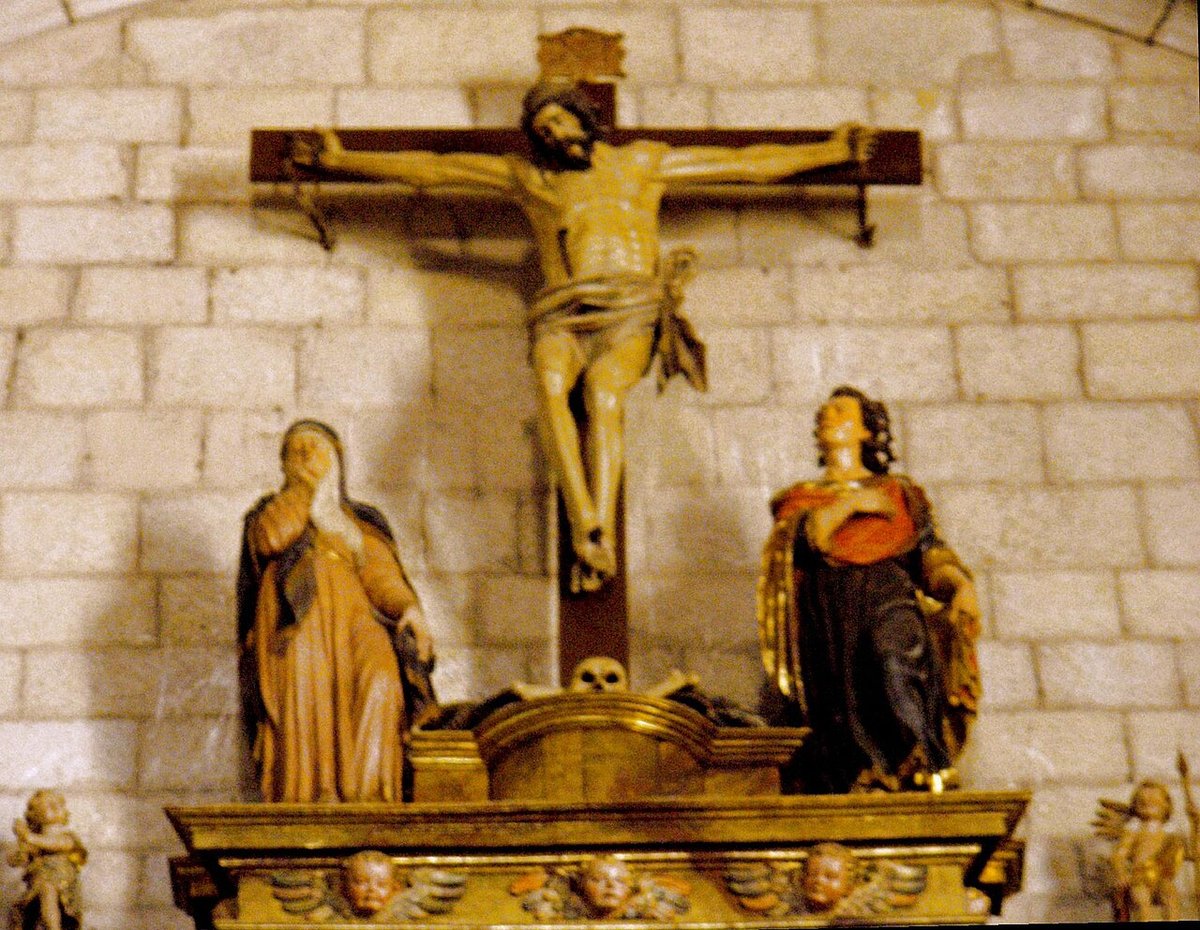
Si la encuentras abierta, dentro hay otro nivel de lectura. El retablo y las imágenes religiosas muestran distintos momentos de devoción, superpuestos a lo largo de generaciones. No forman un conjunto estilístico unitario, sino que reflejan cómo cambió y persistió la práctica local.
Un paseo por el casco
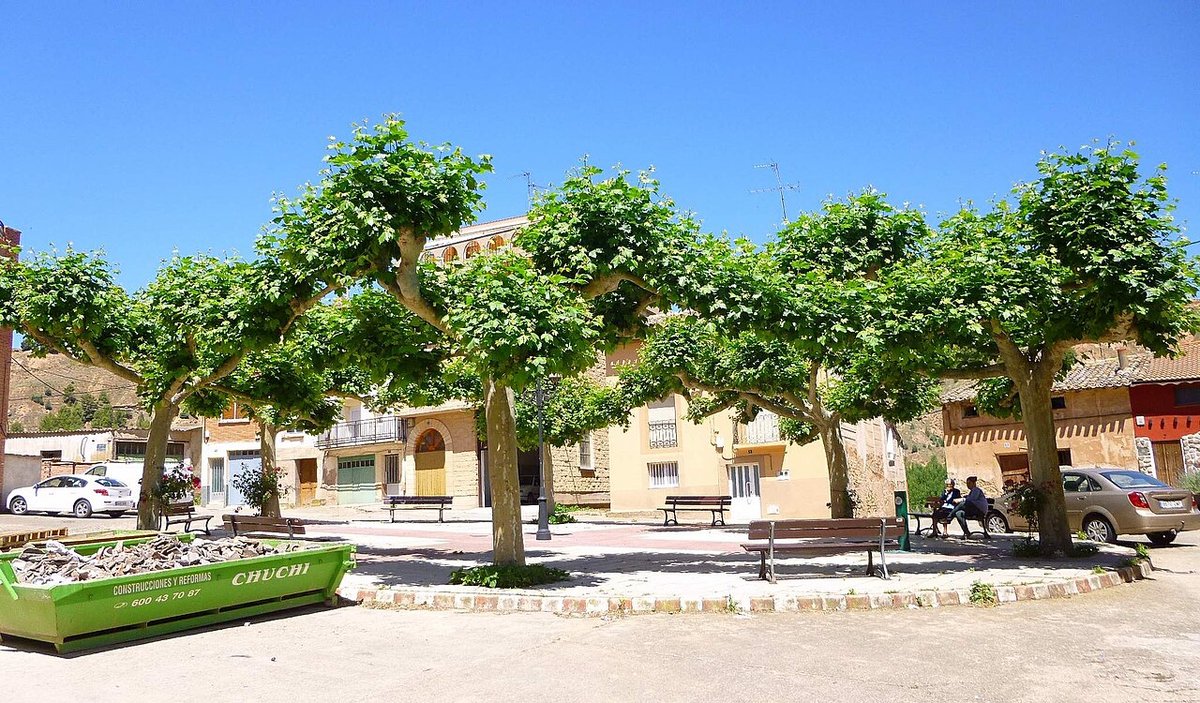
El centro se recorre en poco tiempo. Las calles son cortas y con pendiente suave, ajustándose al desnivel. En las fachadas se ven combinaciones de materiales prácticas: piedra en la base, adobe y entramado de madera en los pisos superiores. Son soluciones de la construcción tradicional riojana, sin pretensiones arquitectónicas.
En algunas puertas hay escudos de piedra labrada. Corresponden a casas de familias que tuvieron cierta posición dentro del pueblo, ya fuera por cargos administrativos o por el volumen de sus tierras. No forman un conjunto monumental, pero recuerdan las distinciones sociales que organizaban la vida en estos lugares.
El paisaje desde las afueras
Al salir del último grupo de casas, la vista se abre enseguida. Desde alguna cuesta cercana se entiende cómo se organiza el campo en esta parte de La Rioja. Viñas y parcelas de cereal se suceden, unidas por una red de caminos de servicio que llegan hasta pueblos vecinos.
En días despejados, desde puntos algo más altos se distingue el valle del Ebro al norte. Hacia el sur, el terreno empieza a ganar altura hacia las sierras riojanas. Este cambio gradual explica la economía tradicional: la labranza domina las zonas bajas, mientras que las elevaciones se asocian al bosque y a usos menos intensivos.
Los caminos de las viñas
Varias pistas agrícolas salen de los límites del pueblo. No están señalizadas como rutas de senderismo; son accesos a campos y viñedos. Aun así, pueden recorrerse a pie o en bicicleta con cuidado de no interferir con el trabajo del campo.
El terreno es llano, sin desniveles importantes. Eso permite paseos cortos y accesibles, en un entorno muy silencioso. Con algo de quietud, es frecuente ver aves propias de campos abiertos: cernícalos, perdices. Su actividad es mayor a primera hora de la mañana o al atardecer, cuando la luz se suaviza y el movimiento en las parcelas decrece.
Para organizar la visita
Sorzano no exige mucho tiempo. Un paseo por el casco y otro breve por alguno de los caminos próximos bastan para hacerse una idea clara del lugar.
La época del año condiciona la experiencia. Primavera y otoño suelen tener la luz más favorable sobre campos y viñedos. El verano puede ser duro, con sol fuerte en caminos que ofrecen poca sombra. El invierno trae un ambiente más seco y quieto, con menos movimiento en el exterior.
Desde Logroño se sigue la carretera que sube hacia Nalda y luego se toma el desvío local. Es habitual dejar el coche a la entrada y continuar a pie; las distancias dentro del pueblo son muy cortas.