Full Article
about Sotés
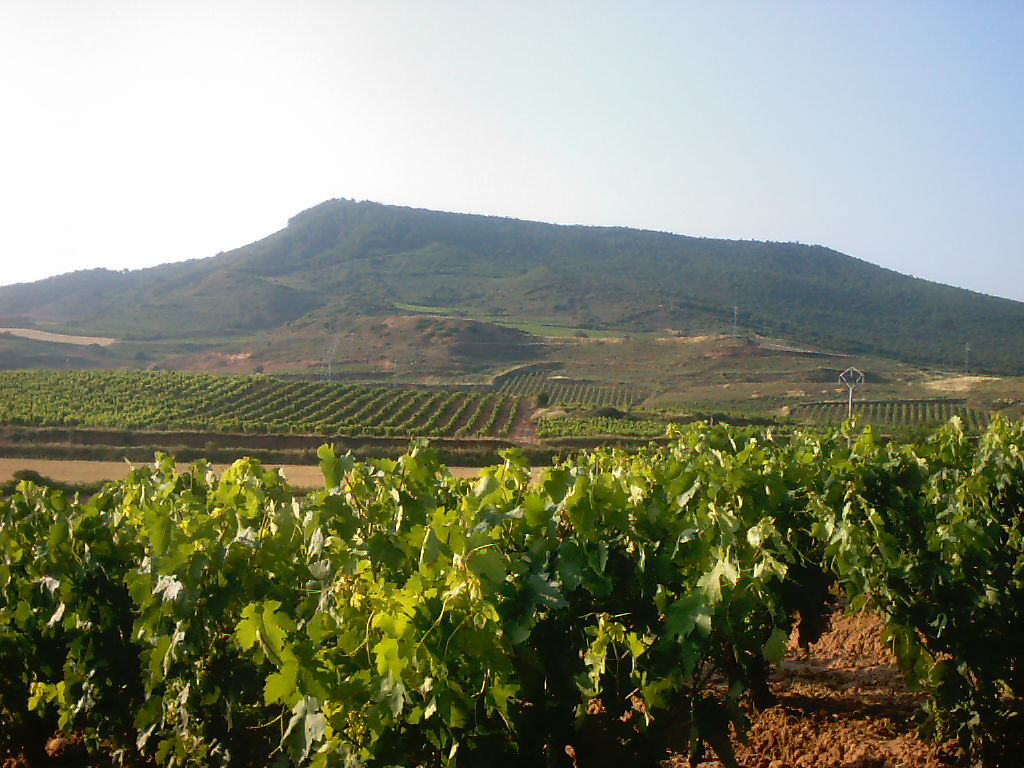
Wine-growing village on the slopes of Moncalvillo; vineyards mingle with low scrub.
Hide article Read full article
A hillside village near Logroño
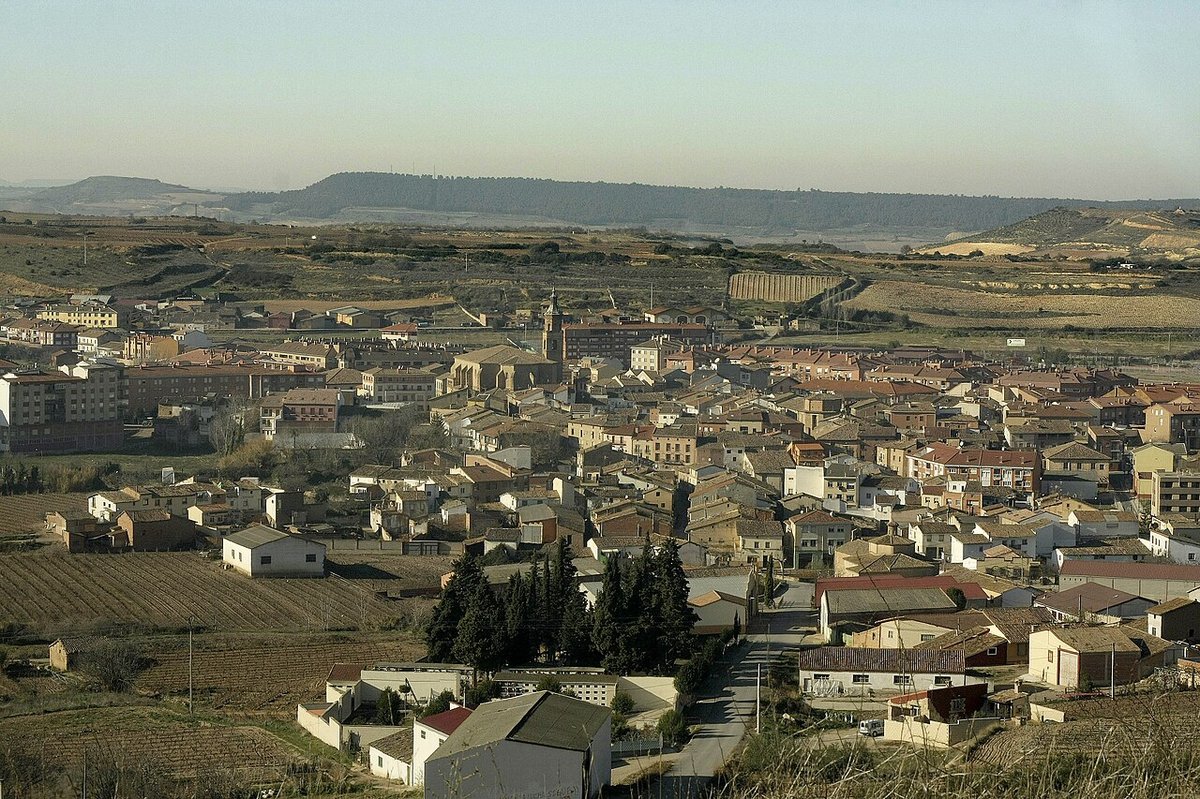
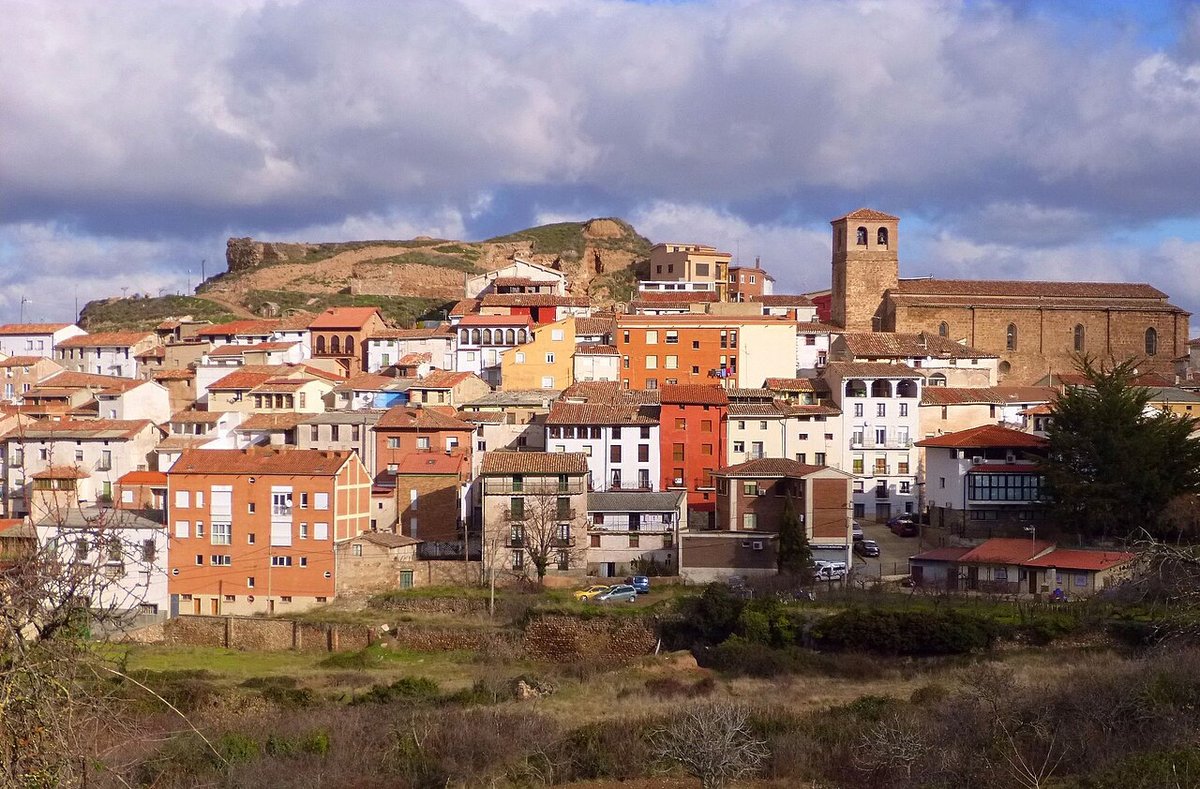
By mid-morning, when the sun is already pressing down on the slope, tourism in Sotés tends to begin in near silence. A wooden door opens somewhere, footsteps echo briefly, and then everything settles again. The village sits gathered on a hill, its houses built from stone and brick in shades of red and ochre. In summer, the air carries the dry scent of dust and nearby vines. In winter, damp conditions darken the façades and the streets seem to close in slightly.
Sotés lies a short distance from Logroño, in the western part of its comarca, a local administrative area. Around 261 people live here today, and that scale shapes everything. Life moves slowly. Cars pass now and then. Many houses still have wide gateways, a reminder that agriculture has long defined daily routines.
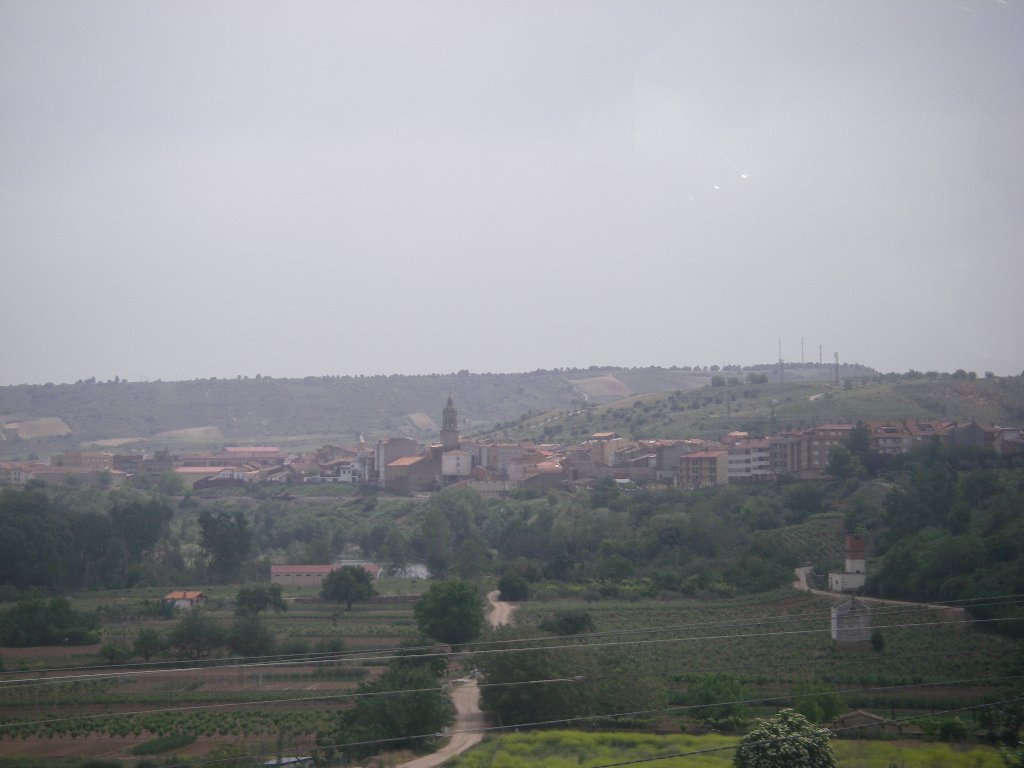
From a distance, one feature stands out clearly: the tower of the parish church of San Millán. At its base, Romanesque remains are still visible, although the building as a whole has changed over the centuries. Up close, the tower rises above low roofs and chimneys, becoming a useful point of reference as you move through the village streets.
Short streets and worn details
The centre can be covered quickly, but it rewards a slower pace. Wooden doorways still display old iron fittings. Several façades carry stone coats of arms, now softened by time. Every so often, a half-open door reveals a glimpse of interior courtyards, where tools, stacked firewood or small animal pens sit in plain view.
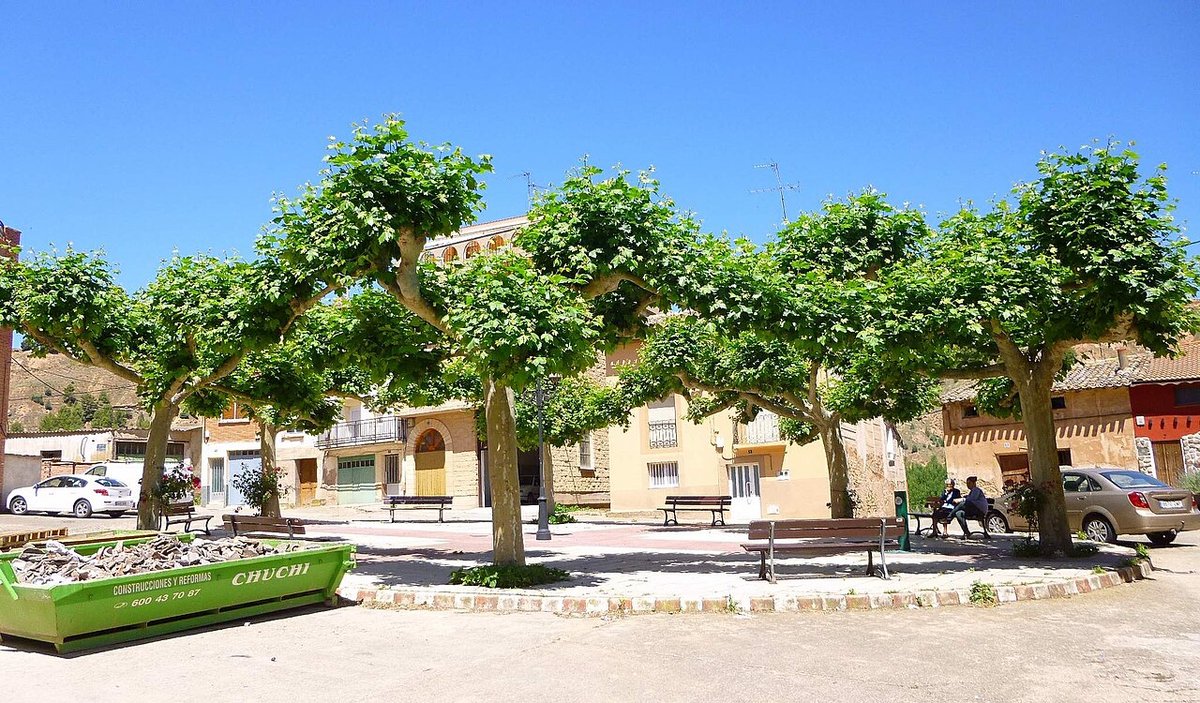
There are no grand squares or imposing public buildings. Instead, the layout follows the hillside, with short streets that slope gently up and down. The sense of enclosure shifts as you walk, with corners turning suddenly and views opening just as quickly.
Late in the day, the light drops low between the houses. It catches on the rough surfaces of stone walls, bringing out textures that go unnoticed at other hours. The effect changes the feel of the same streets you might have crossed earlier under a harsher sun.
Out into the fields
Leaving the built-up area takes only a few minutes. Dirt tracks begin almost immediately beyond the last houses, crossing farmland devoted to cereals and vineyards. These paths form a natural extension of the village, used both for work and for walking.
The hills around Sotés are gentle rather than dramatic. From certain points, the wider Rioja landscape becomes clear. Lines of vines run in orderly rows, plots of freshly turned soil sit alongside them, and patches of grass shift in colour as the seasons pass. After rain, green tones become more vivid. In high summer, straw colours dominate.
These are straightforward walks, without steep climbs or difficult terrain. During the grape harvest, known locally as the vendimia, activity increases. Tractors and trailers move along the same tracks, so sharing the route with agricultural vehicles is part of the experience at that time of year.
In the surrounding area there are also small, family-run wineries, known as bodegas. Some of them, if contacted in advance, open their doors to explain how they work and how wine is produced on a small scale, closely tied to the vineyards around them.
When Sotés changes pace
The most noticeable shift in the village comes during the festivities in honour of San Millán, usually held in August. For a few days, the quiet rhythm gives way to something more animated. Streets fill with people, music continues into the night, and processions move through the centre.
For visitors, this period offers a chance to see the social life of Sotés more clearly. At the same time, it is when the village is at its busiest and noisiest. Outside those days, calm returns quickly and the slower pace reasserts itself.
Planning a short visit
In summer, the middle of the day is best avoided. The sun falls directly onto the hillside and the heat builds in streets with little shade. Early morning and late afternoon are more comfortable for walking, and the changing light alters the look of the fields quite noticeably.
Sotés can be reached from Logroño by local road in under half an hour, depending on traffic. The route is straightforward. During the harvest season, it is common to encounter agricultural machinery along the way, which can slow the journey slightly.
The village is small, and staying for several days without exploring further afield may feel limiting. It works well as a quiet stop on a wider route through the surrounding villages, or as a short trip from Logroño to spend time walking among vineyards and silent streets.