Full Article
about Torremontalbo
A curious municipality dominated by a large strong tower and largely private property.
Hide article Read full article
A Quiet Street in La Rioja
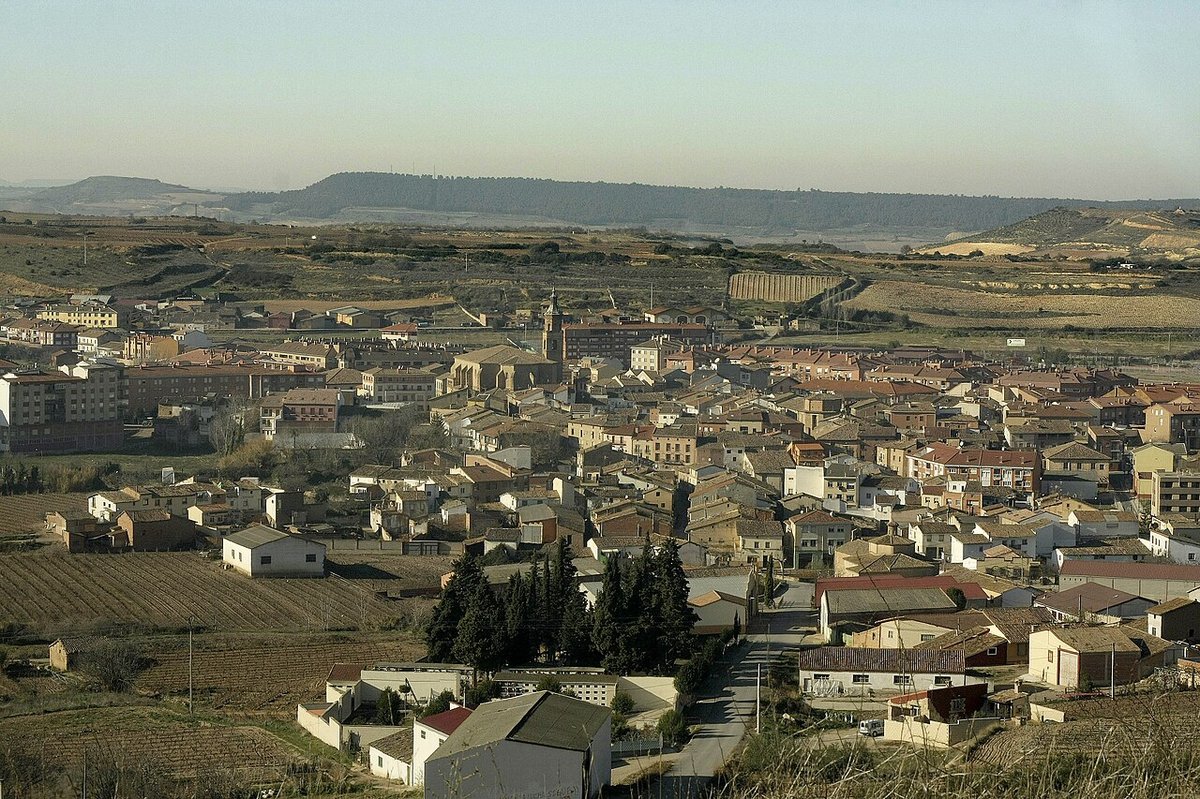
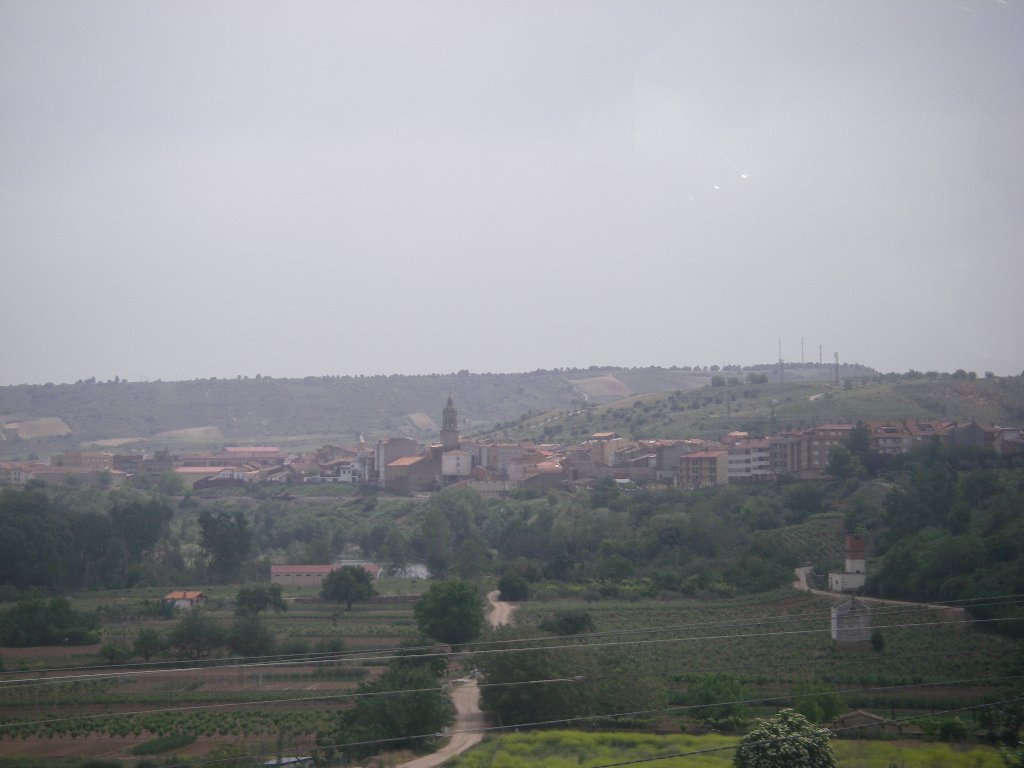
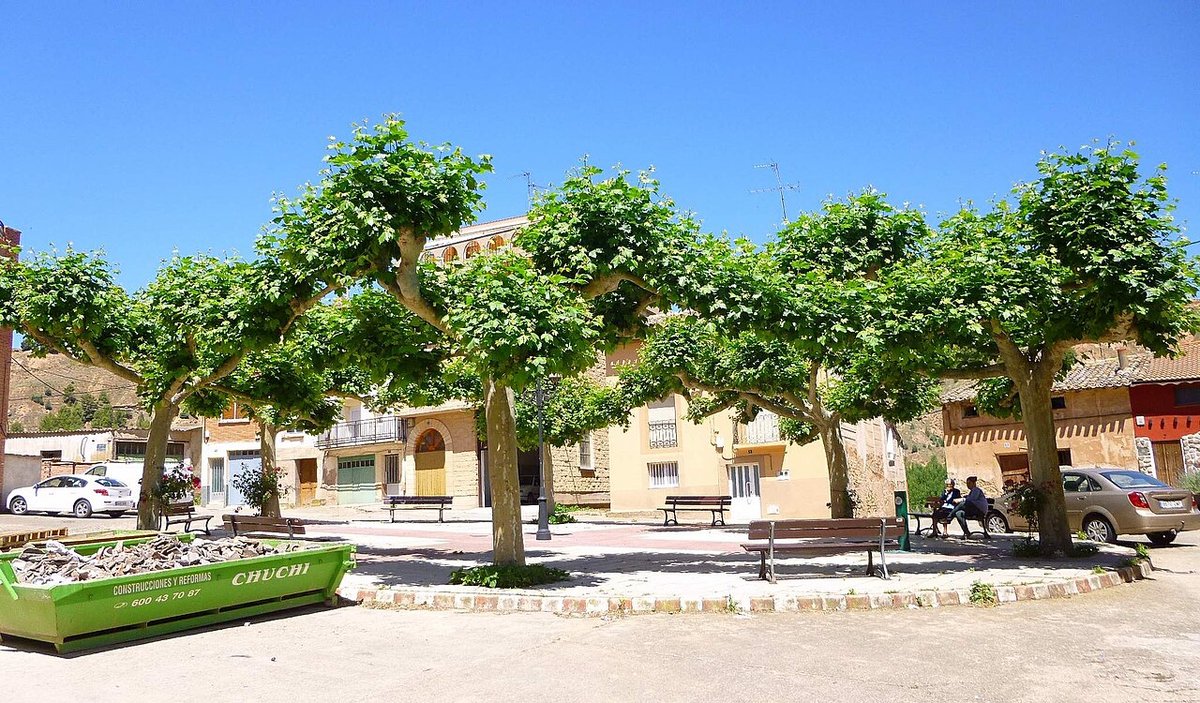
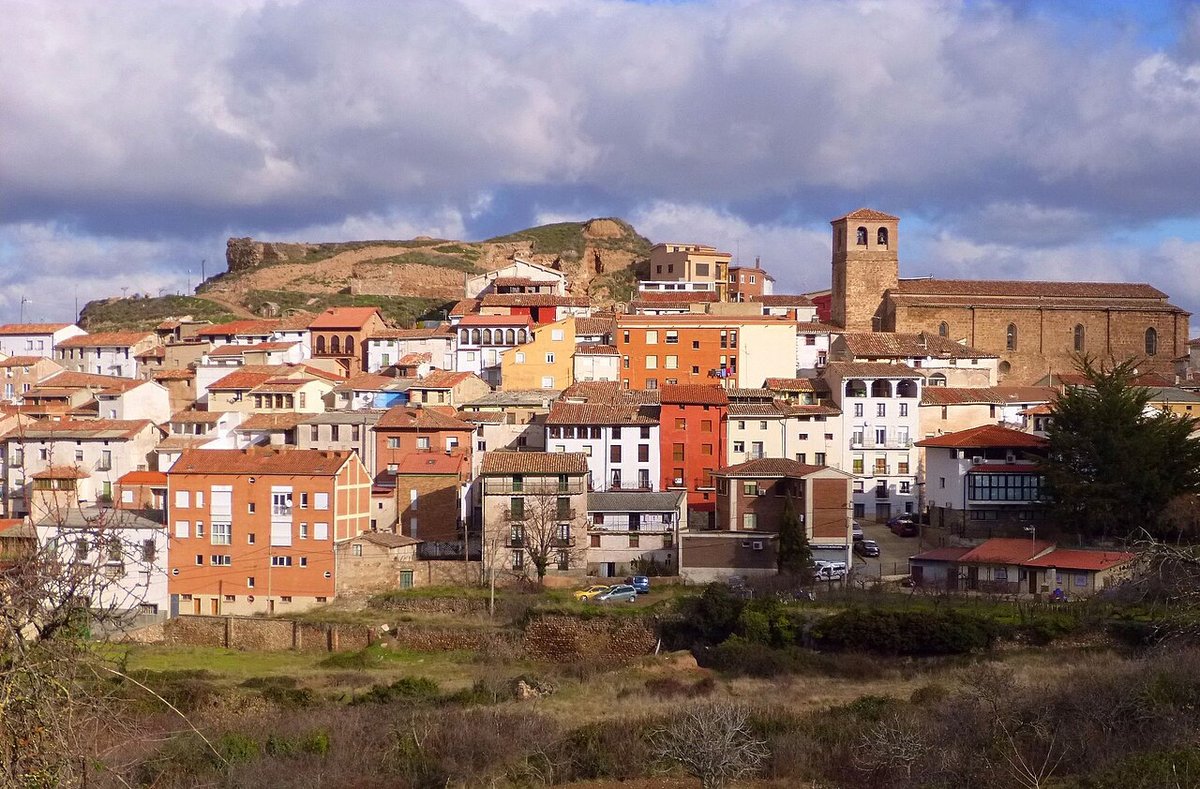
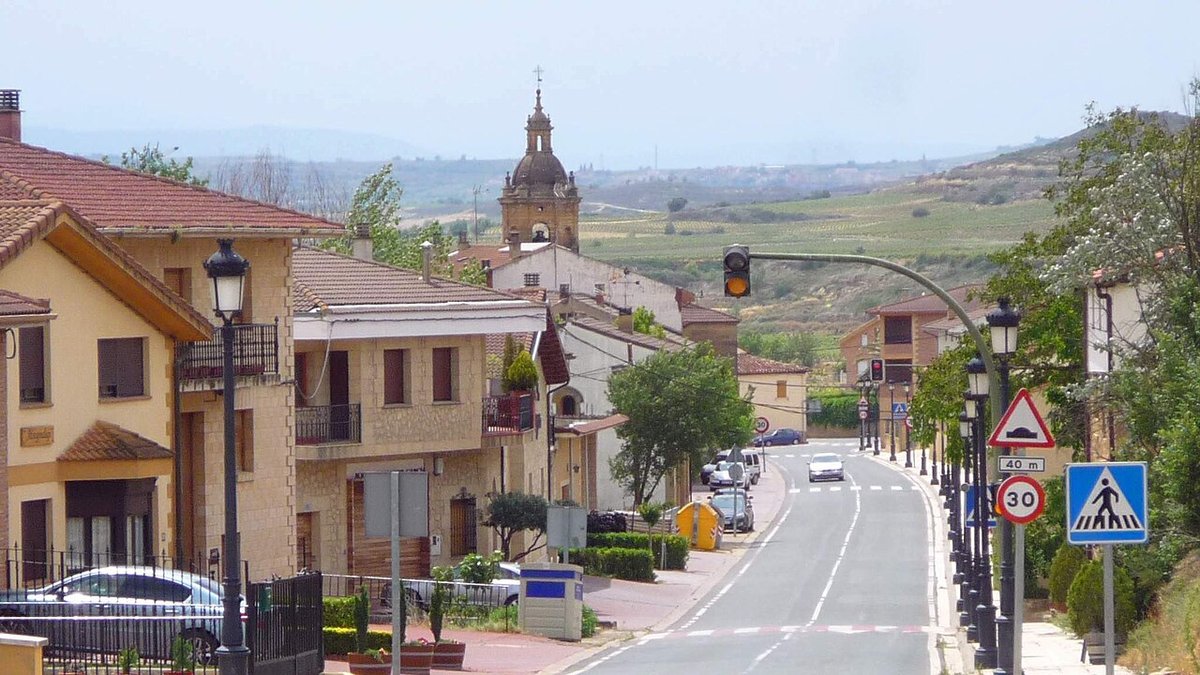
Early in the morning, when the air still carries a trace of night-time damp, Torremontalbo barely makes a sound. There is one short street, a small cluster of houses, and open countryside pressing in close. With just seven registered residents, this village in La Rioja reveals itself quickly: stone walls, compacted earth underfoot and vineyards stretching out around it.
The main street runs straight through the settlement without detours. Houses stand shoulder to shoulder, built with thick walls and heavy wooden doors darkened by age. Some still retain entrances to cellars cut into the rock. These cool cavities were designed to store wine when summer heat made other spaces unsuitable. Although wine remains central to the landscape, most of the work now takes place out in the vineyards and in nearby facilities rather than within the village itself.
You can walk from one end of Torremontalbo to the other in a matter of minutes. It is worth slowing down. Small details appear in the façades: slightly bent iron grilles, uneven roof tiles, marks left by past alterations. The village does not give the impression of rushing to modernise, yet it does not feel artificially preserved either. What stands here is the result of gradual change rather than dramatic transformation.
Vineyards at the Doorstep
The countryside begins as soon as you pass the last houses. Pale gravel farm tracks wind between plots of vineyard and cereal crops. This is wine country, part of a wider region known for its viticulture, and the vines shape both the economy and the view.
In autumn, the scene shifts week by week. Vine leaves turn towards red and ochre tones, and the fields take on a different character as the season advances. The change is visible even over a short stay.
Climb any of the nearby low hills and Torremontalbo shrinks to a handful of rooftops. Beyond that, there is little to interrupt the openness of the land. Birdsong carries across the fields. From time to time, the sound of a tractor drifts over from someone working the plots.
Shade is scarce once you leave the built-up area. Anyone planning to walk for a while should carry water, especially in summer when the sun falls directly onto the tracks and there is little cover. The terrain is straightforward, with agricultural paths rather than marked hiking routes, and the experience is more about open space than about reaching a particular viewpoint.
A Village Without Services
Torremontalbo has no shops and no daily bustle. There is no commercial centre or steady flow of activity. It is the sort of place you take in over a short visit rather than somewhere designed to fill an entire day. Many people arrive after exploring other villages in the Logroño area and stop here to stretch their legs before moving on.
A walk along Calle Mayor, the main street, is enough to understand the layout. Houses are attached to one another, their small windows and solid walls built to withstand cold winters. The architecture reflects practical needs rather than ornament. Function comes first: protection from weather, storage space, thick masonry that holds its temperature.
The former wine cellars carved into the rock are a reminder of how closely daily life was once tied to production. They provided natural insulation at a time when mechanical cooling did not exist. Although activity has shifted towards the vineyards and nearby installations, these spaces remain part of the village’s fabric.
There is little traffic and few signs of movement. The stillness is part of what defines Torremontalbo. It feels more like a pause in the landscape than a destination packed with sights.
Light, Season and Timing
The most pleasant moments to visit tend to be at the start or end of the day. Low light filters between the houses and softens the outlines of the fields beyond. At midday, especially in the height of summer, the brightness can be harsh and the lack of shade becomes more noticeable.
If you come during the hottest months and plan to explore the surrounding tracks, avoiding the central hours of the day is sensible. The sun bears down directly on the gravel paths, and there are few places to step out of it.
Parking is informal rather than structured. The simplest approach is usually to leave the car along one of the edges of the village and continue on foot. From there, there is no set itinerary. The experience is about walking the short length of the street, noticing the textures of stone and wood, and seeing how the houses open straight onto vineyards.
Torremontalbo does not present a list of attractions to tick off. Its scale means that everything is visible at once: the compact core, the agricultural land, the horizon. The relationship between settlement and countryside is immediate. Within a few steps you move from doorway to dirt track, from wall to vine.
For travellers exploring La Rioja, particularly the area around Logroño, Torremontalbo works as a brief stop that shifts the rhythm of the day. After busier towns, its reduced scale stands out. The silence is not absolute, but it is noticeable enough to change your pace.
In practical terms, there is little to organise. There are no services to schedule around, no queues to consider. The village can be understood in the time it takes to walk its single street and wander a little way along a farm track. What remains afterwards is an image of stone houses facing rows of vines, and a sense of how closely life here has been tied to the land.