Full Article
about Ventosa
A Camino de Santiago town known for the Trato market and open-air art.
Ocultar artículo Leer artículo completo
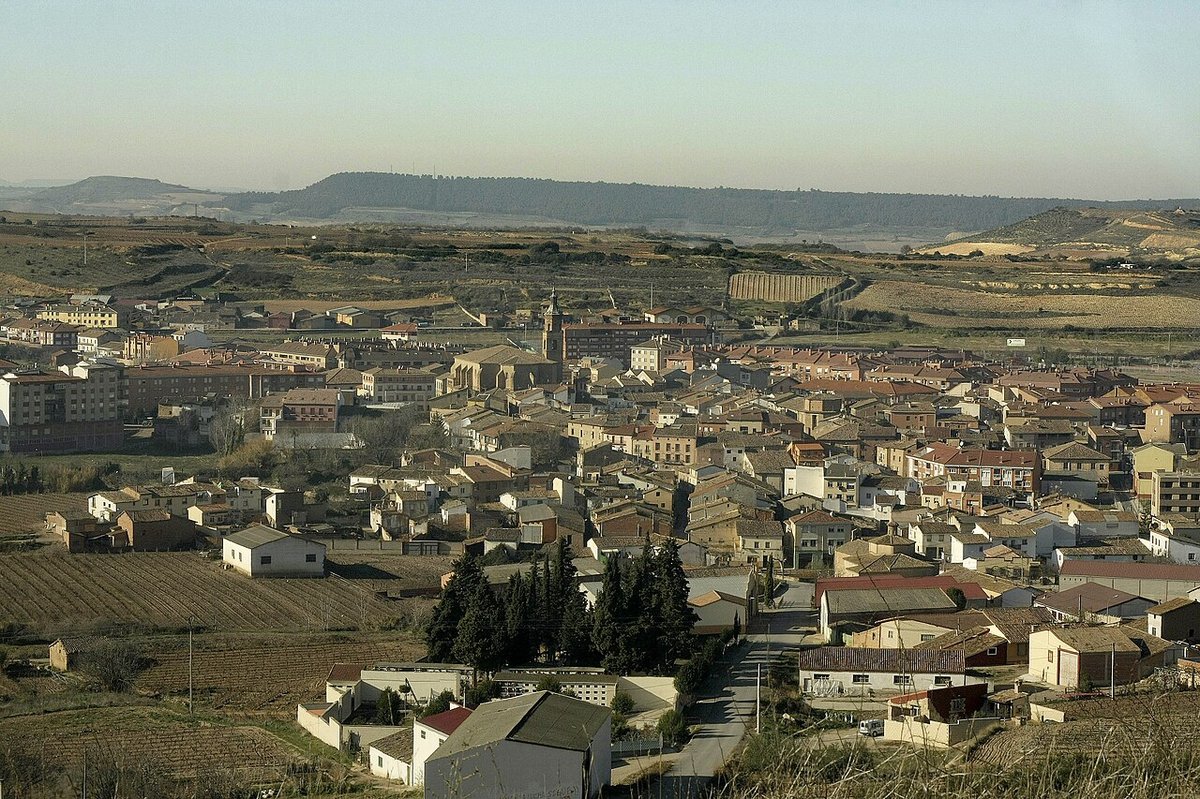
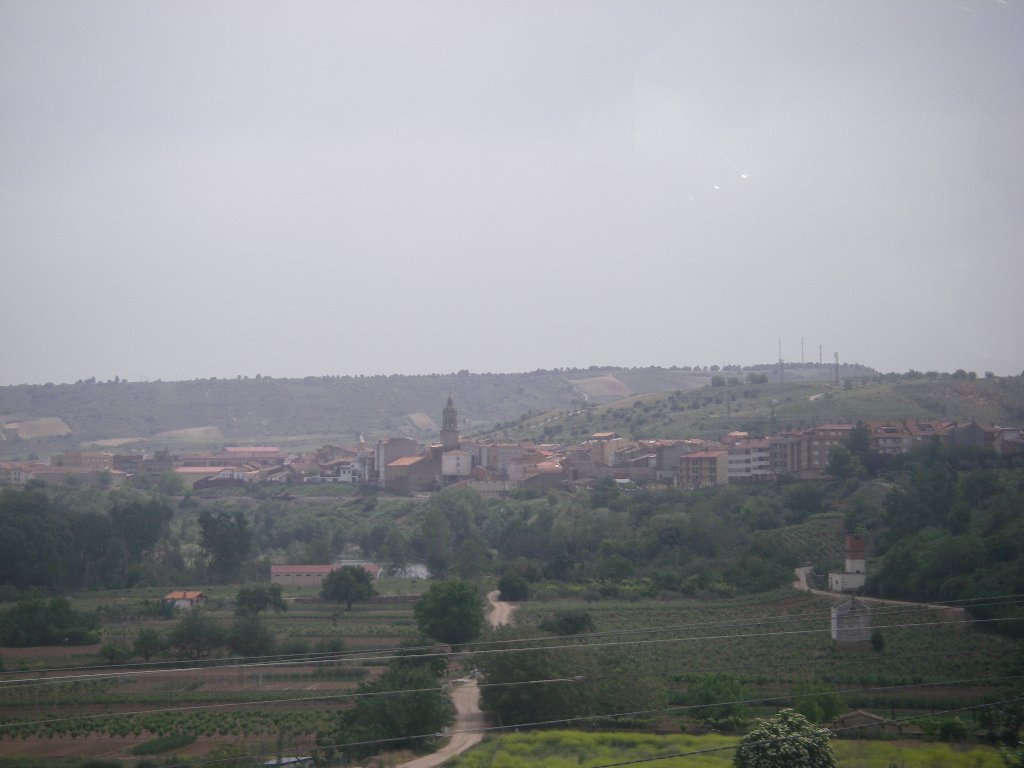
The church bell strikes eleven and every dog in Ventosa seems to answer. Two elderly men pause their card game on a stone bench, tractors grumble somewhere beyond the last houses, and the only shop-café-bar is already on its second pot of coffee. At 640 m above the Ebro plain, this single-street settlement feels higher than it is: the air carries a faint scent of vine sap and cold stone, and the horizon keeps sliding away into rows of garnacha and tempranillo.
A village measured in footsteps, not metres
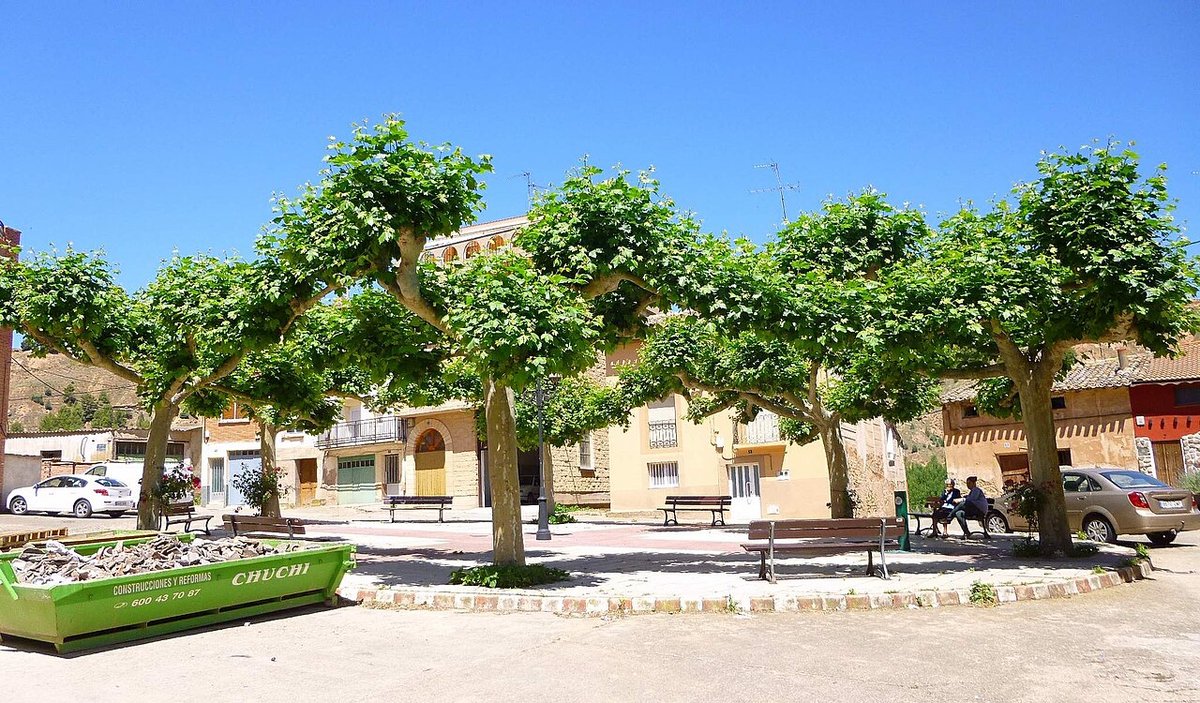
There is no need for a map. Starting at the stone fountain in the small plaza, a slow three-minute walk east brings you to the last lamppost; turn round and you can still read the beer prices chalked outside Bar Ventosa. The census claims 205 residents, but even that sounds optimistic on a weekday morning. What keeps the place alive is movement at the edges: grape pickers at dawn, the occasional lorry from Bodegas Alvia, and pilgrims following the yellow arrows of the Camino de Santiago as it cuts between the vineyards.
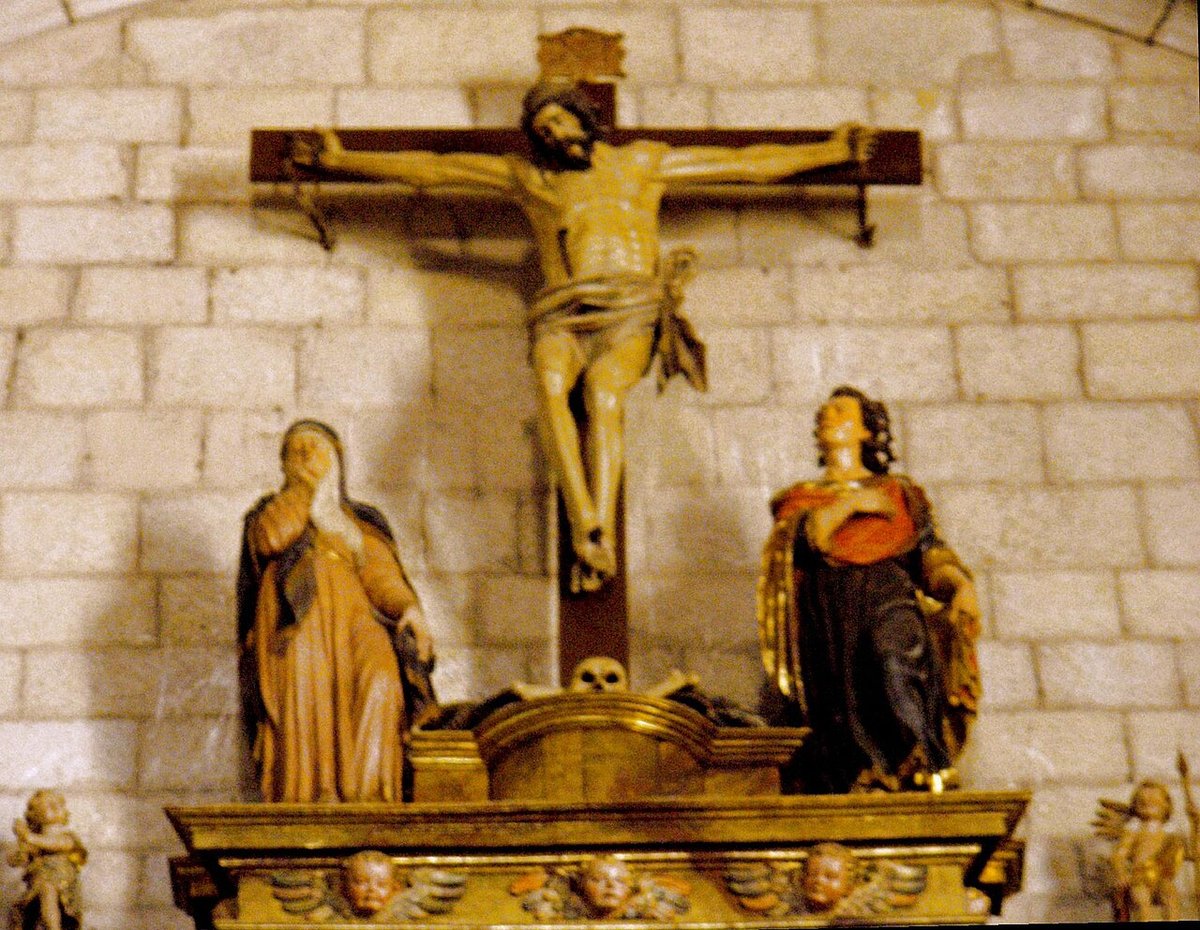
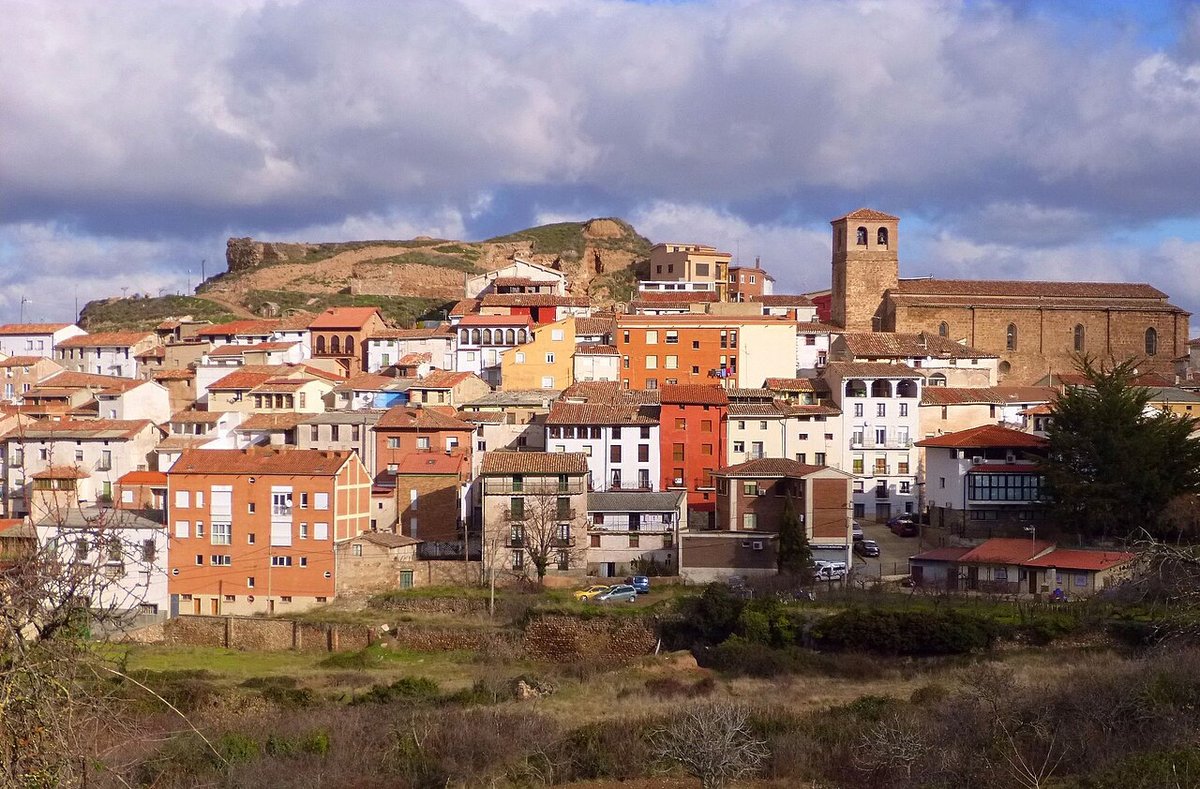
The architecture is practical rather than pretty: terracotta roofs heavy with lichen, adobe walls the colour of digestive biscuits, iron balconies barely wide enough for a flower pot. Yet the overall effect is cohesive; nothing jars, nothing shouts. The 16th-century parish church squats in the middle like a referee, its Romanesque doorway repaired so often the stone resembles crazy paving. Step inside and the temperature drops five degrees; the interior smells of wax and the previous night’s incense, simple and still used.
Vineyards that work for a living
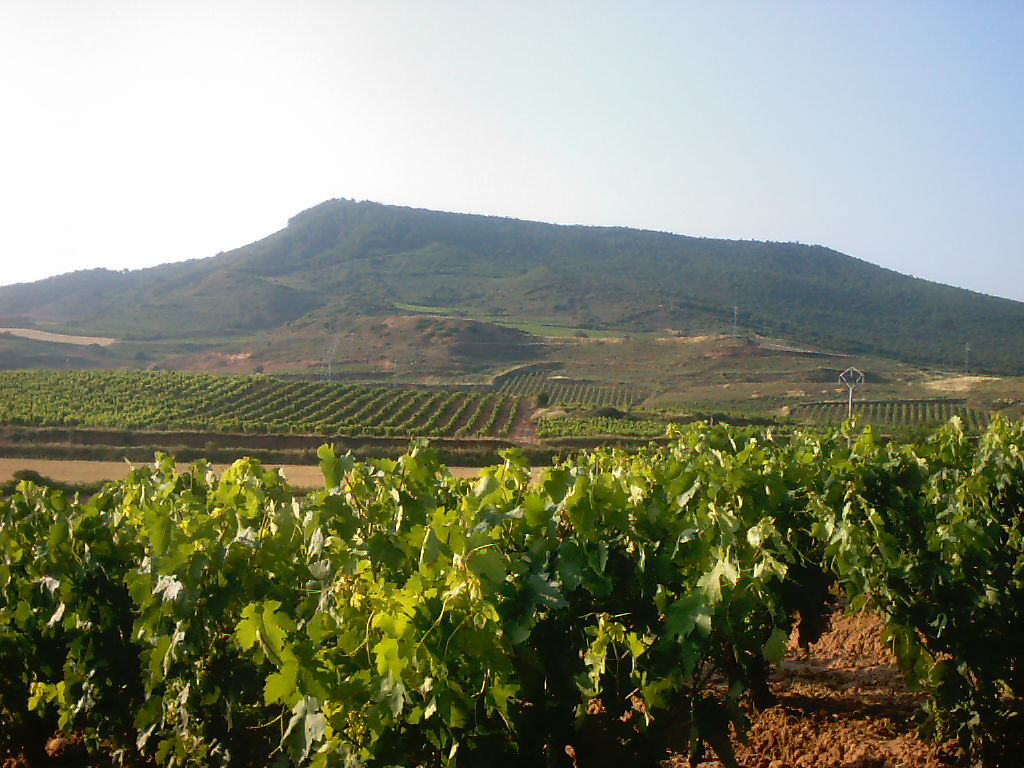
Walk fifty paces past the last house and the village ends abruptly. Concrete gives way to ochre earth, each vine trained low so the grapes can soak up reflected heat. The plots are small—many less than half a hectare—yet they add up to a patchwork that stretches to the river. Public footpaths are marked with green-and-white posts, legacy of an EU grant that also erected rustic picnic tables no one seems to use. Pick any track at random and within ten minutes the only sounds are metallic cicadas and the soft pop of pruning shears. The gradient is gentle, ideal for an afternoon amble rather than a serious hike, but carry water: there is no shade between the rows, and in July the thermometer can nudge 36 °C.
Spring is kinder. In late April the buds swell overnight and whole hillsides look as though they’ve been lightly iced with lime-green paint. By mid-May the Sierra de Cantabria still carries snow on its highest ridge, a white stripe that makes the grapes below seem even greener. Return in October and the same landscape glows rust and copper; tractors towing grape trailers clog the narrow road, and the air smells of crushed fruit and diesel—oddly pleasant, a reminder that wine here is agriculture first, romance second.
Honey, toast and the last cash machine
Ventosa’s three cafés line up like railway carriages along Calle Mayor. If the first shutter is down, the second is 30 seconds away; if both are closed you’ve probably arrived on Sunday. The shop section of Bar Ventosa sells tinned tuna, torch batteries and the sort of rubber sandals British chemists retired in 1987. Order a cortado and you receive a glass of water without asking—an old Rioja habit designed to rinse the palate before caffeine.
The one experience that makes walkers linger is La Mieleria, a tiny honey-tasting studio wedged between two houses. Inside, row upon row of jars catch the light like liquid ambers. The owner, Álvaro, speaks deliberate, school-English and enjoys explaining why his rosemary honey sets hard while the sunflower version stays runny. A spoonful on warm toast costs €2 and buys you the right to sit at the courtyard table sketching the vines for as long as you like; no one hustles you onward.
Practical note: there is no ATM. The last cash machine sits six kilometres back in Navarrete, so fill your wallet before the bus drops you off. Cards are accepted in the bars, but the pilgrim hostel and the vegetable stall beside the church are cash only.
When to come, and when to stay away
Weekdays outside harvest see Ventosa at its most honest. The baker arrives from the next village at 09:30, sells out of croissants by 10:00, and the plaza returns to its natural soundtrack of sparrows and distant chainsaws. Accommodation is limited: the municipal albergue opens at 13:00, offers 18 beds for €8, and turns off its lights at 22:00 sharp. The alternative is Casa de la Abuela, three rustic rooms run by Sue, a former Leeds librarian who swapped Wetherby for tempranillo and now provides Yorkshire tea alongside chorizo sandwiches. Rates hover around £65 a night, breakfast included, Wi-Fi patchy enough that you might finish that paperback after all.
Avoid August weekends unless you enjoy sharing the single street with Spanish coach parties on a wine-route blitz. They come, they photograph the church, they buy one jar of honey, they leave—forty minutes door-to-door. The village handles the influx politely, but tranquillity evaporates until the coach air-con roars away down the hill.
Winter is a gamble. At elevation the wind can knife straight across the plateau, and the odd snow flurry drifts in from the Sierra. Bars still open, but kitchens close at 16:00; evening meals are rare unless Sue takes pity and fries you an egg. On the other hand, crisp blue skies turn the vineyards into rows of black lightning forks against white soil—photographers’ weather, if you remember gloves.
Getting here without the car
From the UK it is refreshingly simple. Fly direct to Bilbao with Vueling or easyJet (two hours from London, two-and-a-bit from Manchester). An ALSA coach leaves the airport every couple of hours and reaches Logroño in 1 h 45 min through tunnel-cut hills that feel like northern Spain’s apology for plains. In Logroño, regional bus 303 departs the city’s modest estación de autobuses at 12:15 and 18:00, taking twenty minutes to cover the 20 km of country road. A single ticket costs €1.65—exact coins only—or a taxi will do the same run for €22 if you bargain in advance.
Drivers should note the final approach: the LR-137 narrows to a single track just before the village, and stone walls have scars to prove it. A passing bay outside the albergue lets you reconsider; park there and walk the last 200 m unless you enjoy three-point turns under the gaze of retired farmers.
An honest goodbye
Ventosa will not change your life. It offers no castle, no Michelin star, no Instagram waterfall. What it does give is a concise lesson in how Rioja functions when the guidebooks aren’t looking: a place where wine is work, afternoons are slow, and strangers are noticed but not fussed over. Spend a night and you’ll leave with the smell of beeswax in your jacket and a vague sense that somewhere between the vineyard and the honey jar you’ve tasted the region without the marketing. Keep walking, and twenty minutes later the vines finish and the industrial estates of Logroño begin—proof that this pocket of quiet was never a secret, just politely waiting its turn.