Full Article
about Viguera
Gateway to the Cameros beneath towering cliffs; former kingdom of Viguera in the Middle Ages.
Hide article Read full article
A change of pace in the Iregua valley
Some places make you slow down without trying. You park, take a few steps, and your pace drops, like when you leave the car and join a footpath. Tourism in Viguera works like that. It is not about major sights, but about how the place feels when you are not in a hurry.
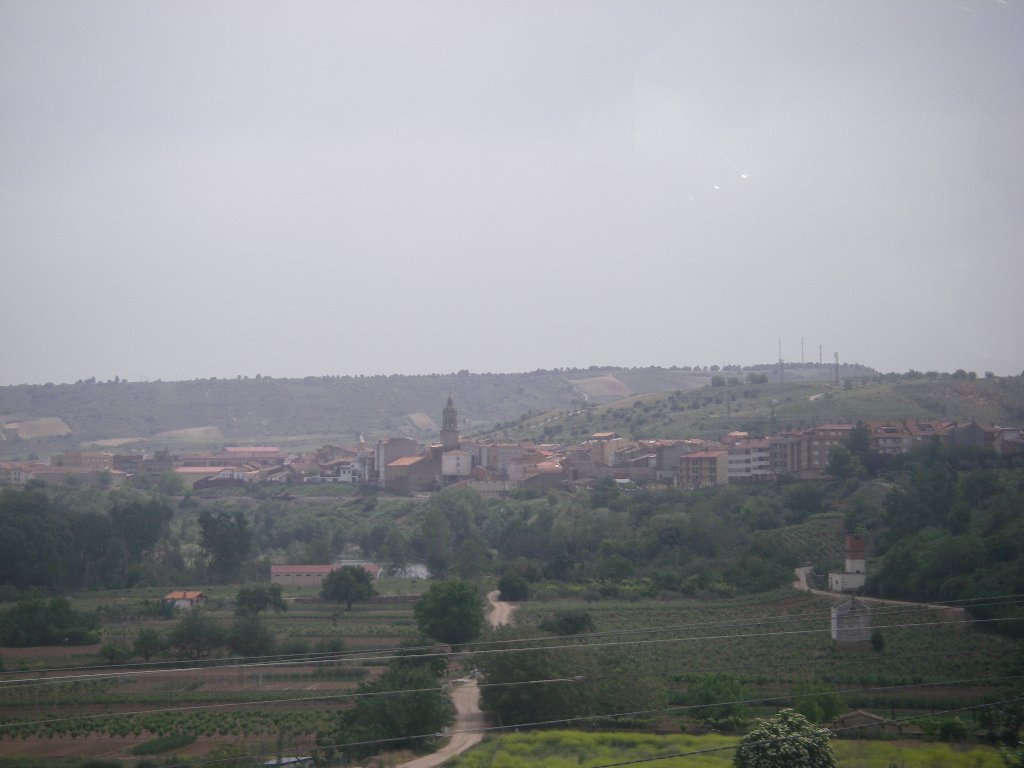
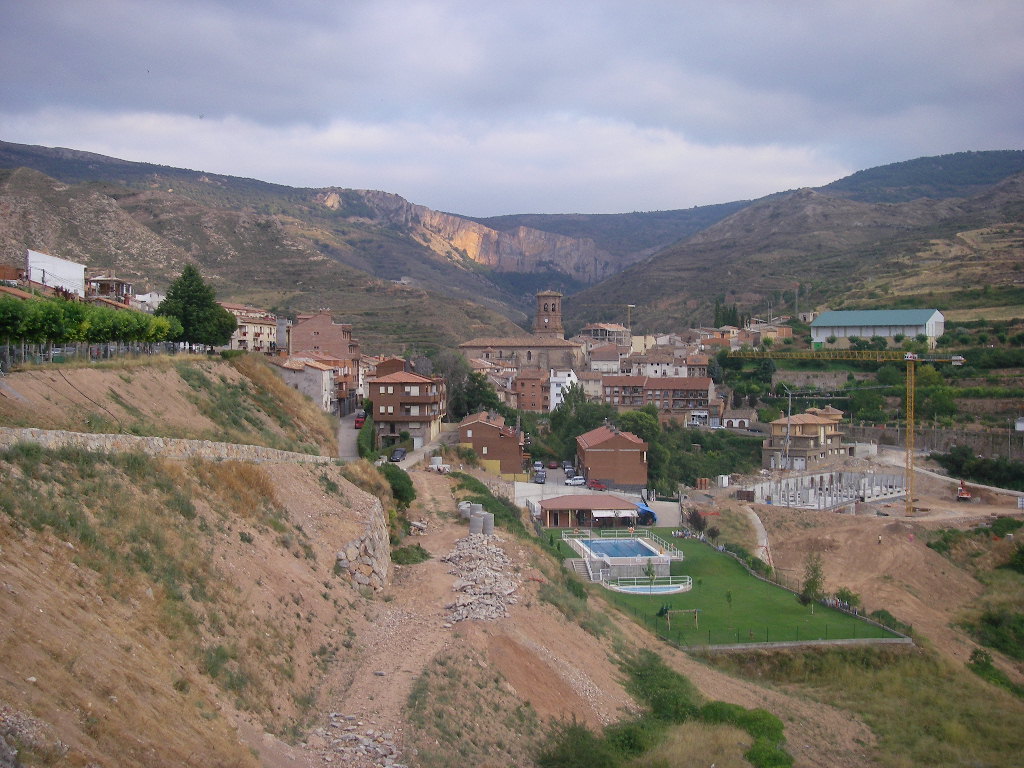
Viguera sits about 30 km south of Logroño, following the Iregua valley up towards the sierra, the local mountain range. On a map it looks like a short detour. In reality, it is one of those points where the valley begins to narrow and the landscape shifts quite suddenly. There is less sense of the nearby city and more hillside, more open land.
Where the landscape enters the village
You can walk across Viguera quickly. In under an hour you will have a clear sense of it.
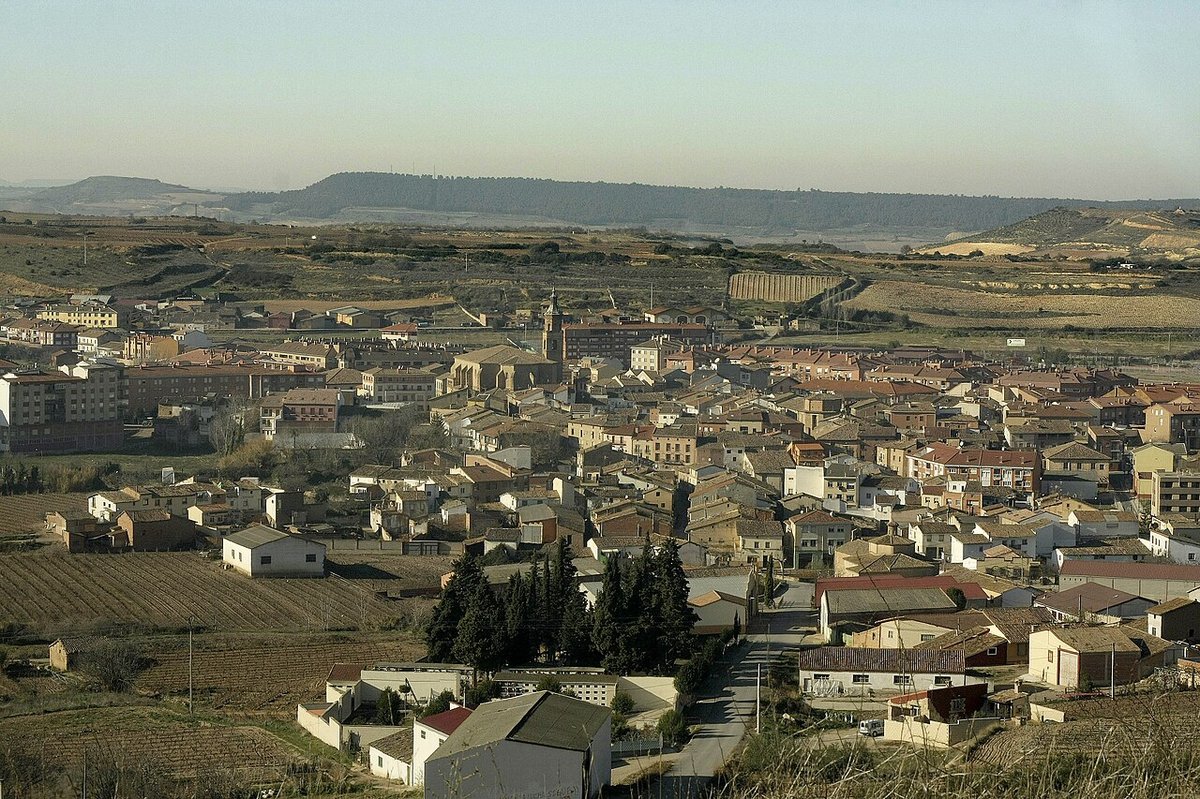
What stands out is how the surrounding landscape seeps into the village itself. You turn a corner and there are vegetable plots, the occasional vineyard, and low scrub climbing up the slopes. The mountains start to show themselves just behind the last houses.
There is no formal viewpoint marked out. Still, if you follow any of the farm tracks that lead out of the village and climb a little, wide views of the valley open up. They are not arranged for photos, but often work better than signposted lookouts. The scene feels unprepared, which is part of the appeal.
Looking around the centre
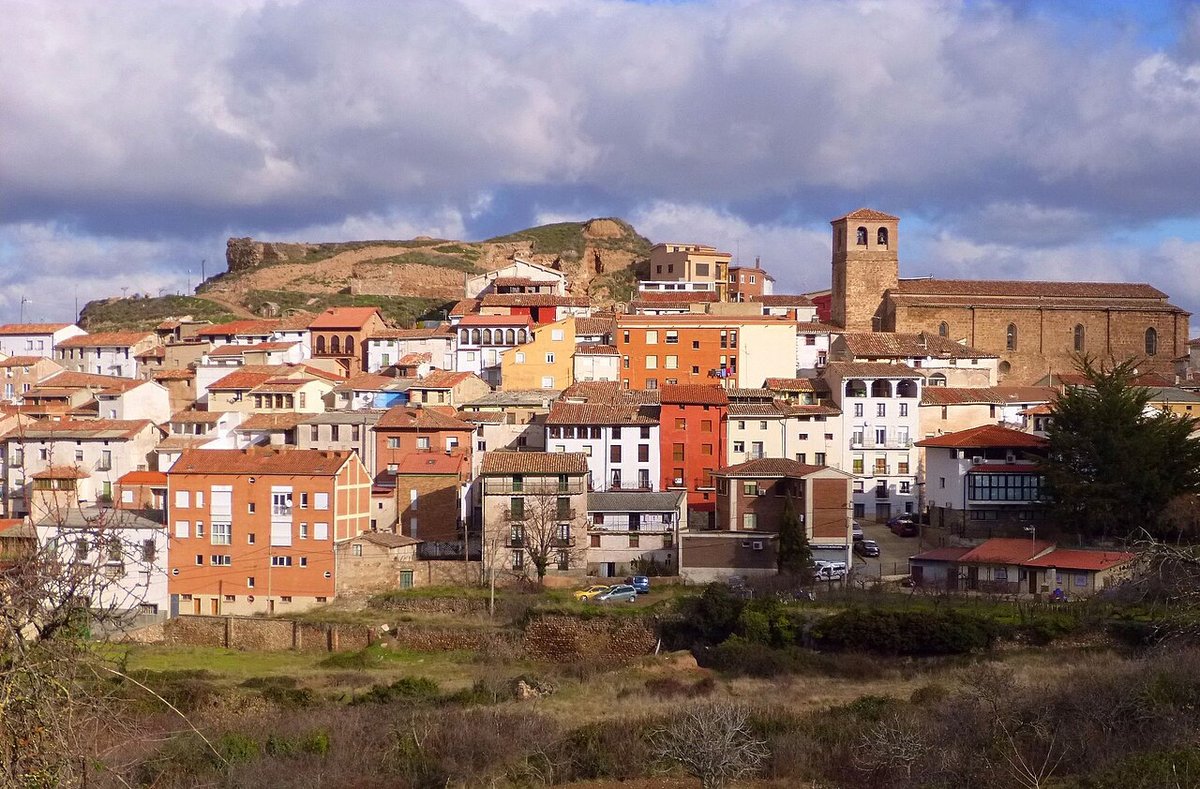
The parish church is the building that catches the eye in the centre. It is built in stone, with simple lines and very little decoration. It is not monumental, yet it carries the quiet presence of a village church that has stood through many winters.
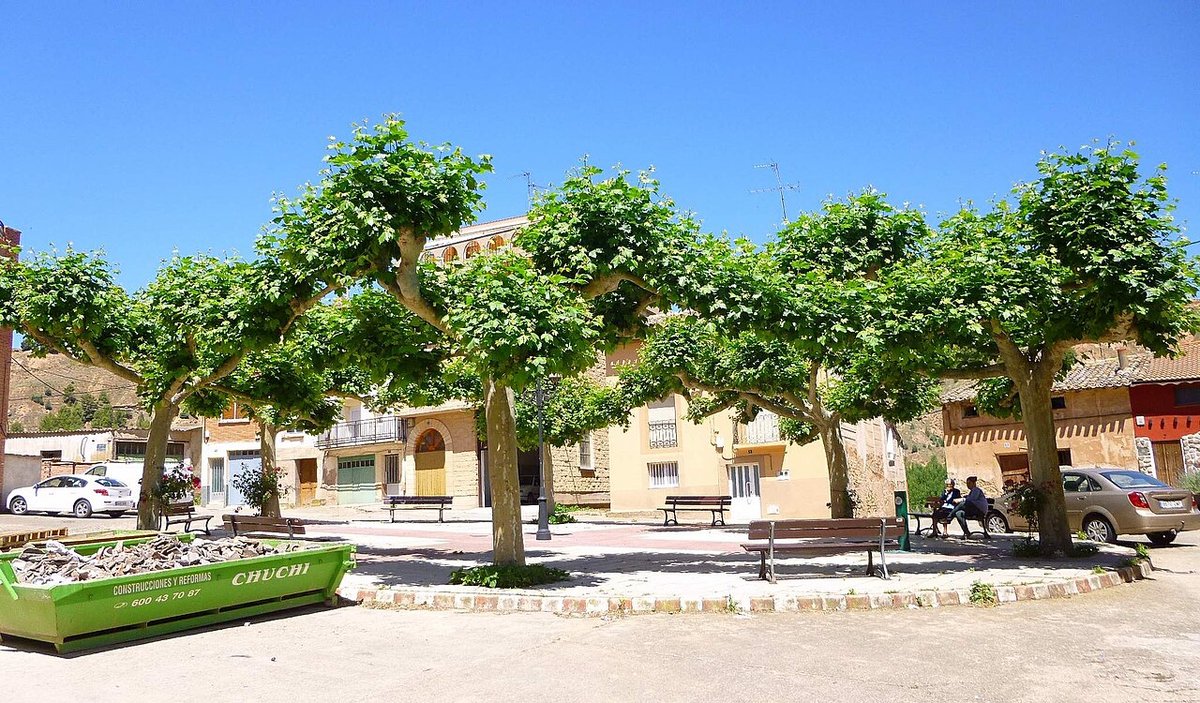
Beyond that, the architecture is straightforward and rural. Solid houses, wooden gates worn by time, and agricultural buildings as you leave the built-up area. Anyone who enjoys small details will find plenty to notice. An arch set into a wall, an uneven façade, a courtyard tucked between buildings, these elements give the place its character.
Walking beyond the last houses
For those who like walking, several rural paths begin almost at the edge of the village. Some cross fields; others gradually gain height towards the hills.
They are not difficult routes, but it helps to get your bearings before setting off. Many tracks intersect and several look very similar. After a while, everything can start to blend together, like trying to remember where you parked in a very large car park.
Light changes the experience more than you might expect. Early in the morning and towards evening, the valley appears deeper and more defined. Around midday, the light flattens the view and softens the contrast of the landscape.
Times of year and local life
Local celebrations are usually concentrated in the summer months, when there is more activity and people who live elsewhere during the year return. These events tend to combine religious elements with music and shared meals.
In autumn, the atmosphere of the grape harvest, the vendimia, spreads across the Iregua valley. There are not always organised activities open to visitors, but the landscape itself changes. Tractors appear, trailers filled with grapes move along small roads, and there is a noticeable increase in activity in the fields.
If you are looking for something specific, the most sensible option is to check local information or ask in the village. Programmes can vary quite a bit from one year to the next.
A short and simple stop
Viguera works well as a brief stop. A walk through the centre, some time along one of the nearby tracks, and not much more is needed.
In a couple of hours you can form a clear impression of the place. It feels similar to stopping at a natural viewpoint during a longer journey. It may not be the main destination, but it leaves a distinct image of the surrounding landscape.
There are a couple of practical points worth keeping in mind. If you plan to walk, take water. Several of the routes pass through open areas where heat can build quickly on warm days. After heavy rain, some tracks can become muddy. Driving onto them often leads to awkward manoeuvres when trying to get back out. It is usually easier to leave the car in the village and continue on foot.
Viguera is not defined by major monuments or streets lined with explanatory signs. The landscape sets the tone, and the village follows its lead. Approached with that in mind, the visit makes far more sense.