Full Article
about Villamediana de Iregua
Municipality bordering Logroño, rapidly expanding; still has a traditional winery quarter.
Hide article Read full article
A village next to Logroño
Tourism in Villamediana de Iregua begins with a simple fact: it sits just a few minutes from Logroño. Many people arrive by car from the regional capital. Parking is usually straightforward if you stay near the entrance areas, while the centre has narrower streets and less space.
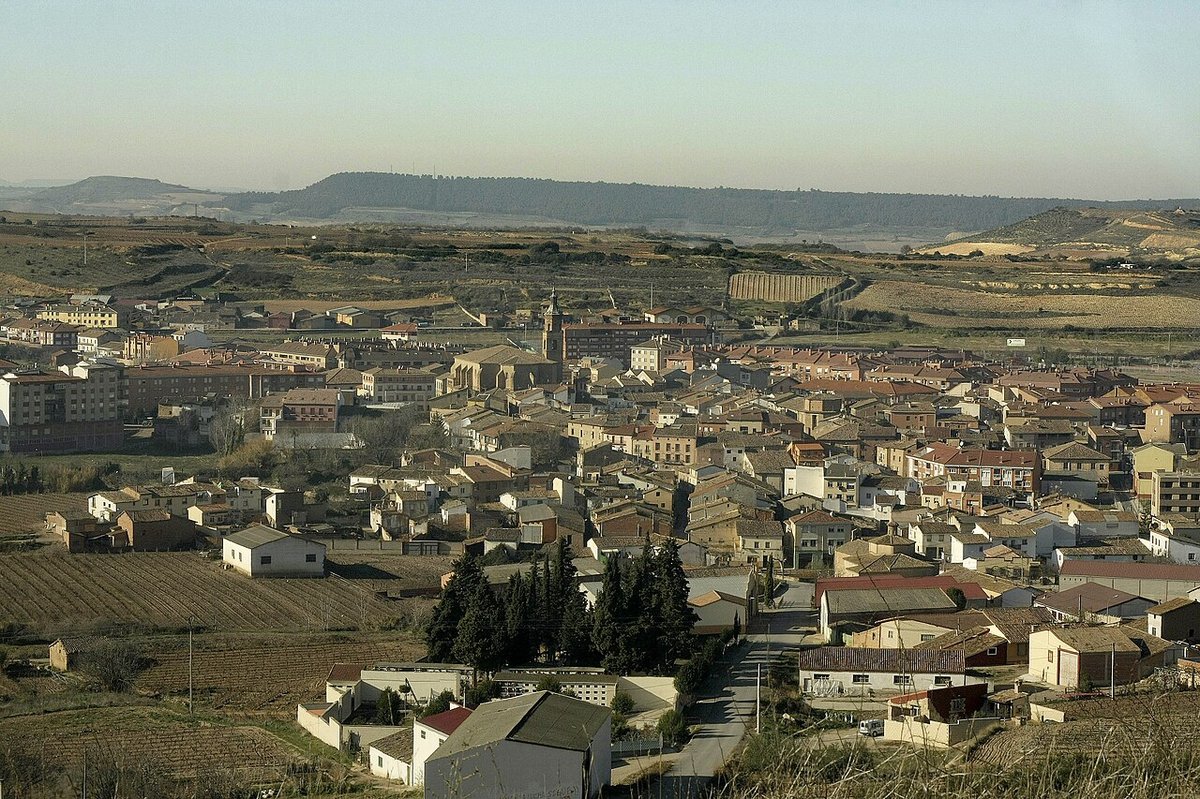
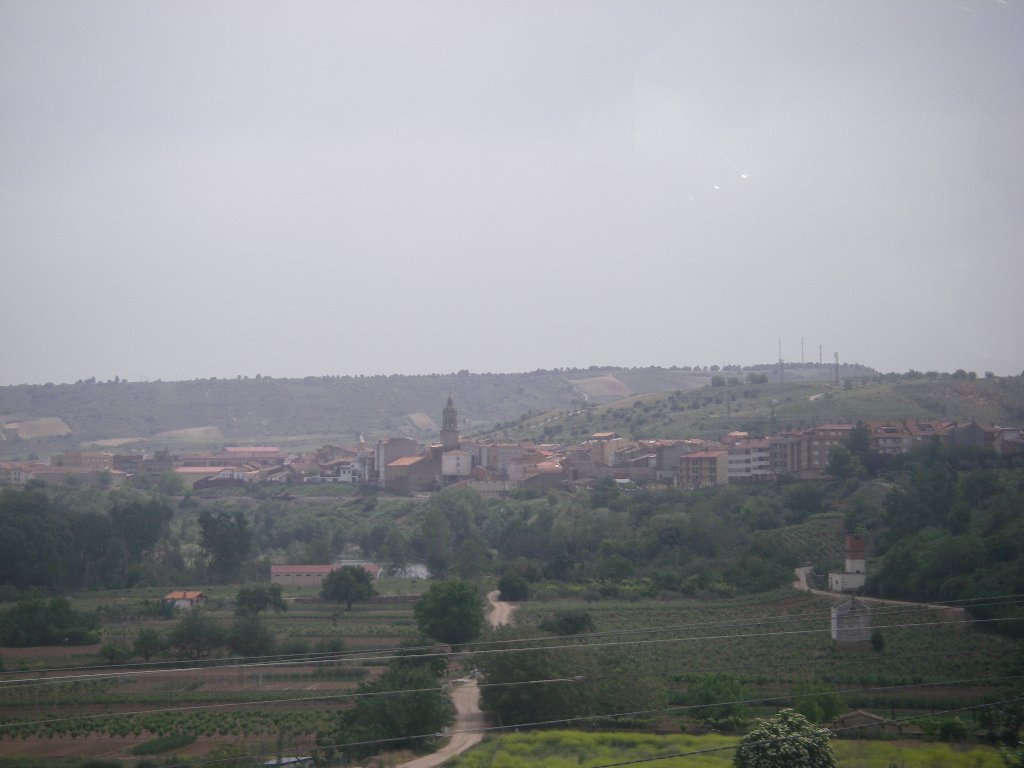
The Iregua river defines the place. It runs alongside the village and shapes much of daily life. From there, the layout is easy to grasp: newer residential areas, low houses, and a small centre that can be covered quickly.
What you will find, and what you will not
Villamediana does not depend on tourism. It is a town of more than nine thousand residents, closely linked to Logroño. Many people work in the city and return here at the end of the day.
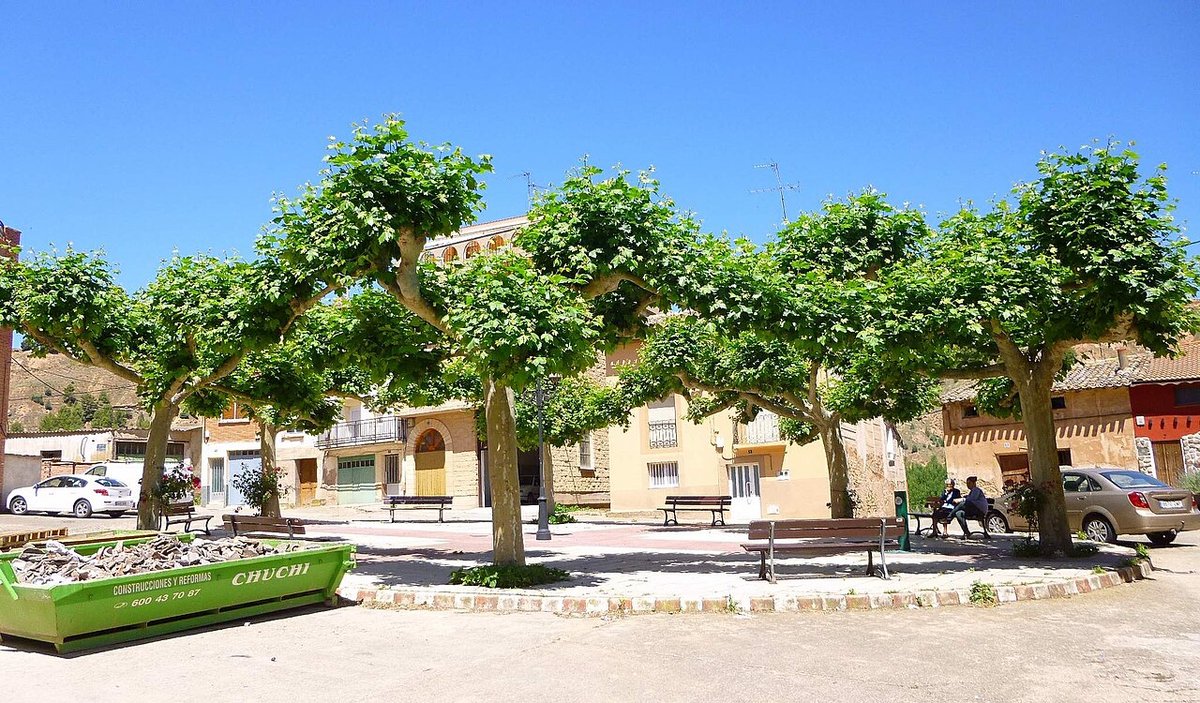
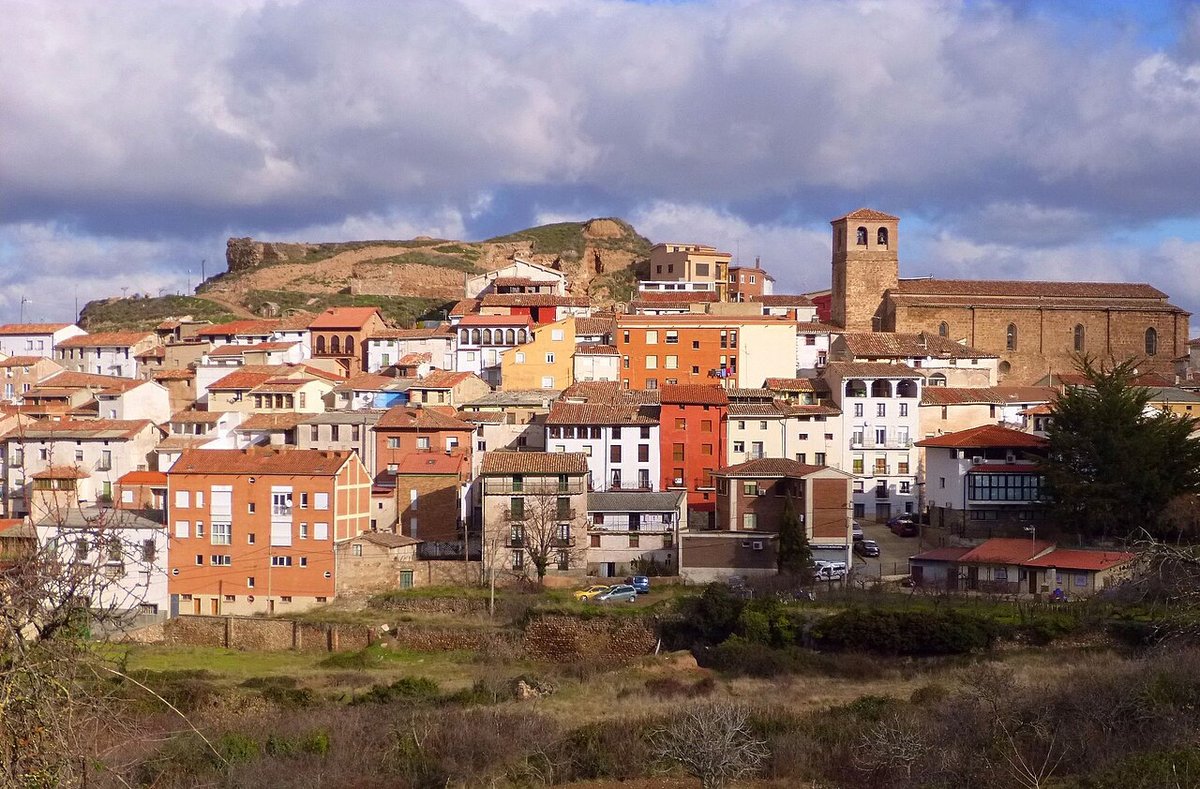
The old quarter is brief. There is the parish church, the town hall, and a handful of older houses that reflect its agricultural past. It is not a large historic ensemble, and it does not take long to see. Around half an hour is enough to walk through it.
Where the place comes into its own is along the river. The Iregua park is widely used. Runners pass through, children cycle, dogs roam off lead, and benches are occupied for much of the year when the weather is good. It feels like a shared space rather than a formal attraction, part of everyday routine rather than something set aside for visitors.
Walking and cycling routes
The path alongside the Iregua is the most practical option for walking or cycling. From here, routes extend towards other villages in the valley such as Lardero, Alberite or Albelda.
These are easy routes. The terrain is flat, with market gardens around and the river never far away. It is not dramatic scenery. There are no big viewpoints or steep climbs. But if the aim is simply to stretch your legs or go for a relaxed bike ride, it does the job.
For anyone looking for mountain landscapes or striking panoramas, this is not the place. For a calm, steady outing, it works well.
Local festivals and traditions
The fiestas of San Isidro are usually the liveliest point of the year. San Isidro is traditionally associated with farmers, and the celebration reflects that rural background. There is a romería, a kind of local pilgrimage or procession, along with music and a noticeable buzz in the streets.
In September, a harvest festival linked to the grape harvest takes place. Events revolve around grapes and wine, which fits naturally in La Rioja, a region known for its wine production.
In recent years, an art festival has also appeared. It takes over streets and squares for a weekend. It is small and very local in character. The interest lies in seeing residents themselves take part, rather than in large-scale exhibitions.
Daily life: sport and school
Villamediana’s growth as a residential town is clear in its daily rhythm. Sport is a visible part of life. In the park, it is common to see training groups or young people running together.
Triathlon has a particular presence thanks to a municipal school focused on the sport. Training covers swimming, cycling and running during the week. It is not designed as a spectacle for visitors. It is grassroots sport, centred on local participation.
The public school in the town even offers the first years of secondary education. This means many families do not need to send their children to Logroño at an early stage. It reinforces the sense that Villamediana functions as a place to live first, rather than somewhere oriented towards tourism.
When to go and a simple approach
Spring is usually the best time to visit. The park turns green, and people return outdoors after winter. Summer brings heat, as in much of the Ebro valley. Winter is quieter, with less activity in the streets.
If you pass through, the most sensible plan is also the simplest. Park near the river, cross the park, and follow the path for a while. That is enough to understand how Villamediana works. There is no need for a long checklist. And if you want more movement or variety, Logroño is very close by.