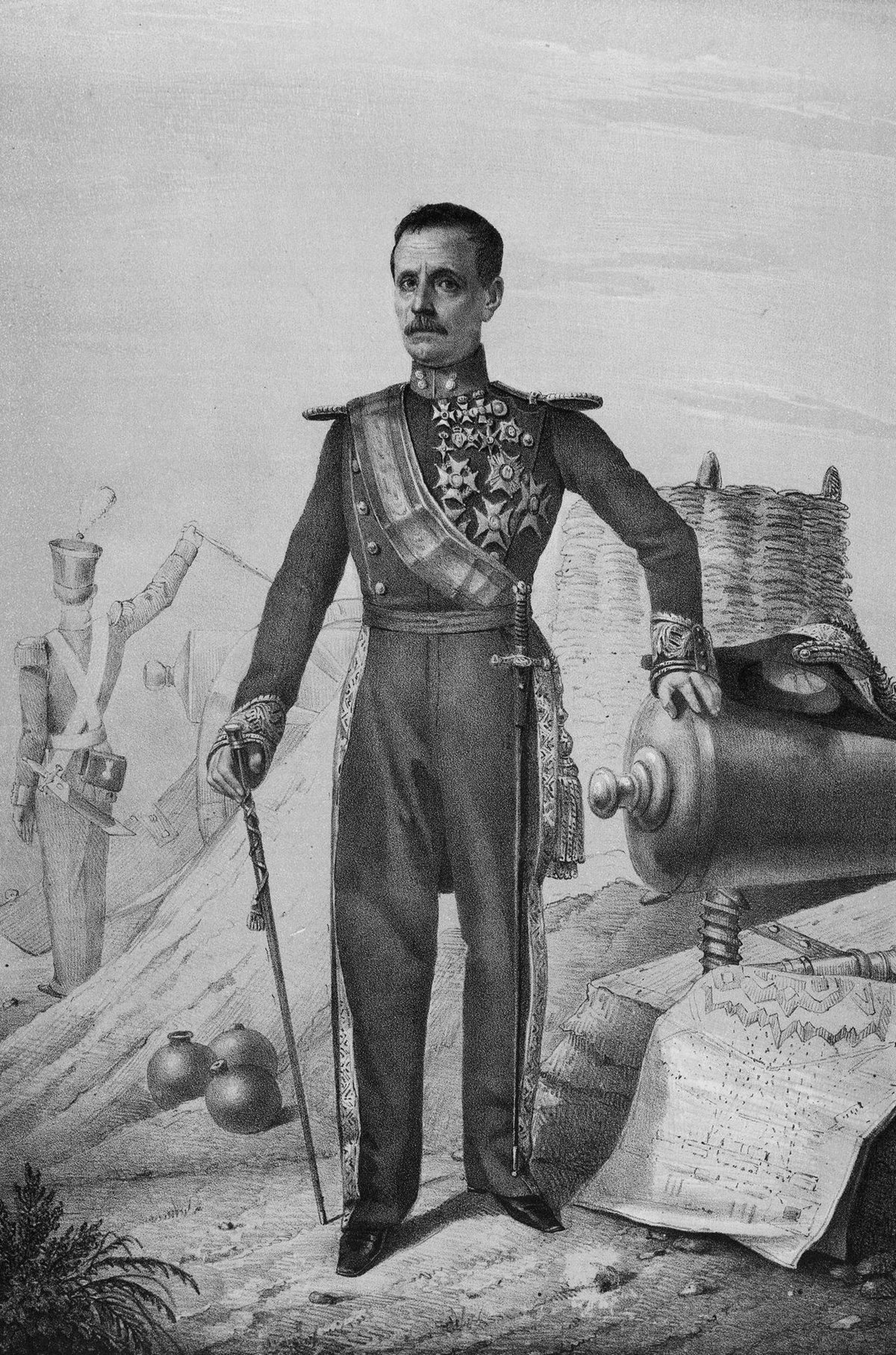
1852, Estado Mayor General del Ejército Español, Atanasio Alesón (cropped).jpg
Not stated. · Public domain
La Rioja · Land of Wine

Alesón

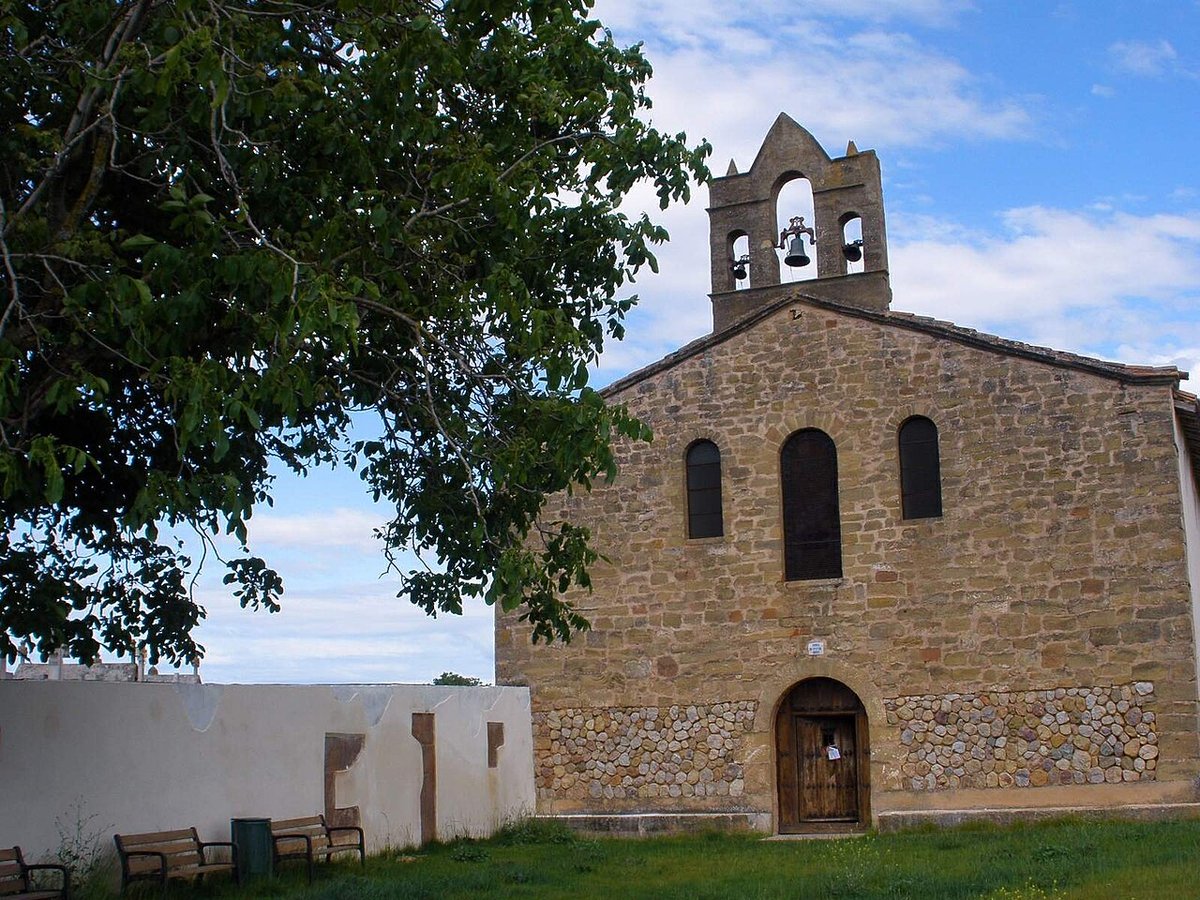
The church belltower of Alesón catches the morning light before anything else in the valley. At 941 metres above sea level, this stone village rise...

92 inhabitants · INE 2025
576m Altitude

Why Visit

Church of San Martín Rural walks

Best Time to Visit

summer

Santa Ana (July) julio

Things to See & Do
in Alesón

Heritage

  • Church of San Martín
  • traditional architecture

Activities

  • Rural walks
  • Landscape photography

Festivals
& & Traditions

Fecha julio

Santa Ana (julio), San Martín (noviembre)

Las fiestas locales son el momento perfecto para vivir la autenticidad de Alesón.

Full Article
about Alesón

Quiet village on a river terrace; open views, easy-going countryside.

Ocultar artículo Leer artículo completo

The church belltower of Alesón catches the morning light before anything else in the valley. At 941 metres above sea level, this stone village rises high enough that dawn arrives earlier here than in nearby Nájera, twelve kilometres down the winding LR-413. The altitude shapes everything: how the wheat ripens, where the grapes can grow, and why even summer mornings carry a sharpness that sends locals reaching for jackets they'd abandoned down in the valley.

Ninety souls call Alesón home year-round, though that number swells slightly when harvest crews arrive. Their houses huddle around the parish church, built from the same golden limestone that carpets the surrounding hills. Adobe walls two feet thick keep interiors cool through July's fierce afternoons, when temperatures can swing twenty degrees between midday heat and evening chill. It's the kind of place where weather matters—not for small talk, but because a sudden frost can wipe out the scattered vineyards clinging to south-facing slopes.

Walking the single main street takes ten minutes if you dawdle. Wooden balconies sag under geraniums. Iron grilles guard ground-floor windows, though crime seems improbable when everyone knows whose tractor that is rumbling past at dawn. The real interest lies in spotting the tell-tale ventilation bricks marking calados—underground cellars dug into the hillsides. Some still store wine in dusty bottles. Others stand empty, their wooden doors warped shut, respirador bricks crumbling like stale bread. No guided tours here. Just peer through gaps and imagine.

The church interior rewards those who find it unlocked. Inside, simplicity rules: white-washed walls, a Baroque retablo whose gold leaf has dulled to bronze, and pews polished smooth by centuries of Sunday worship. The wooden pulpit dates from 1687, its carvings depicting wheat sheaves and grape clusters—the two crops that built this village. Look closer at the floor tiles. Several bear medieval mason's marks, symbols carved to ensure payment for work completed.

Step outside and the landscape grabs attention. Brown agricultural tracks radiate from the village like spokes, leading through secano—dryland farming country where cereals dominate and irrigation remains a dream. These fields produce some of Spain's finest wheat, though you'd never know it from the modest farmhouses dotting the horizon. Walk any track for fifteen minutes and the village shrinks to toy-town proportions below. Keep walking and you'll reach the Sierra de la Demanda, whose 2,000-metre peaks form a dramatic backdrop visible from every street.

Spring brings the best walking weather. April showers turn the surrounding hills an almost Irish green, splashed with crimson poppies that locals consider weeds. Temperatures hover around 18°C—perfect for following the signed footpath that loops 5km through fields and up to the Ermita de San Cristóbal. The chapel stands ruined but romantic, its empty window frames framing views across three valleys. Autumn proves equally pleasant, when stubble fields glow amber and the grape harvest brings tractors trundling through at agricultural pace—slow enough to stop and pass time of day.

Summer demands strategy. By 11am the sun beats down mercilessly. Shade exists only in the church porch and beneath scattered walnut trees whose roots seek water deep underground. Smart visitors arrive early or wait until 6pm, when shadows lengthen and temperatures drop to manageable levels. Even then, bring water. The single village fountain dried up during the 2017 drought and hasn't flowed properly since.

Winter transforms Alesón into a different place entirely. Snow falls occasionally, though rarely settles long. More common are hard frosts that silver the stone walls and turn puddles to glass. The population drops further as elderly residents decamp to Logroño apartments belonging to grown-up children. Those who remain light wood-burning stoves whose smoke drifts across fields lying fallow beneath iron skies. Views extend for miles on clear days—right across to the Montes Obarenes, sixty kilometres distant.

Practicalities prove straightforward if you plan ahead. Logroño's bus station offers no service here; you'll need wheels. The drive takes thirty-five minutes via the A-12 motorway, then smaller roads that narrow alarmingly when agricultural traffic appears. Parking means squeezing against stone walls wide enough for donkeys, not Renault Kangoos. Leave the car by the cemetery—always space there—and walk the final hundred metres. Your paintwork will thank you.

Food options remain limited. The village bar closed during the 2008 crisis and never reopened. Nearest restaurants sit four kilometres away in Nájera, though the asador there serves excellent chuleton—a T-bone steak big enough for two, grilled over vine cuttings that impart subtle wine flavours. Better still, pack a picnic. The small shop on Calle Mayor stocks local cheese and chorizo, plus crusty bread baked in Azofra. Buy supplies, add a bottle of Rioja from the cooperative in nearby Uruñuela, and head for the hills.

Accommodation means staying elsewhere. Alesón offers no hotels, no guesthouses, not even a room to rent. Treat it as what it is: a breathing space between overnight stops, a place to walk off lunch before heading to your next destination. Logroño provides plentiful options, from the parador in the old town to simple hostals near the bus station. Book ahead during harvest season—September brings wine tourists whose numbers surprise even locals.

The best approach? Combine Alesón with other villages. Nearby San Vicente de la Sonsierra boasts a hilltop castle and several excellent wineries offering tastings for €8-12. Sajazarra's medieval bridge photographs beautifully at sunset. Thread them together via back roads that wind through landscapes changing with every bend. That's when Alesón makes sense—not as a destination demanding attention, but as a pause in a longer journey through Spain's most overlooked wine region.

Come expecting grandeur and you'll leave disappointed. Visit anticipating silence broken only by hawk cries and distant tractors, and Alesón delivers something increasingly rare: a working Spanish village that hasn't remodelled itself for visitors. The grain fields don't care if you photograph them. The church bell will ring regardless. And those sweeping views? They're payment enough for making the journey uphill.

Key Facts

Region
La Rioja
District
Nájera
INE Code
26010
Coast
No
Mountain
No
Season
summer

Livability & Services

Key data for living or remote work

2024
HealthcareHospital 23 km away
EducationElementary school
Housing~5€/m² rent · Affordable
CoastBeach nearby
Sources: INE, CNMC, Ministry of Health, AEMET

Planning Your Visit?

Discover more villages in the Nájera.

View full region →

More villages in Nájera

Traveler Reviews