Full Article
about Arenzana de Abajo
Wine-growing village in the Najerilla valley; known for its quiet and surrounding vineyards.
Hide article Read full article
Arenzana de Abajo, o el arte de no hacer nada especial
Hay pueblos que funcionan como un reloj de cocina. Su tictac es lento y constante. Arenzana de Abajo, en La Rioja, es uno de ellos. Tiene poco más de doscientos habitantes. Está rodeado de viñedos y campos abiertos. Aquí el día se mide por las horas de trabajo en el campo, no por la pantalla del móvil.
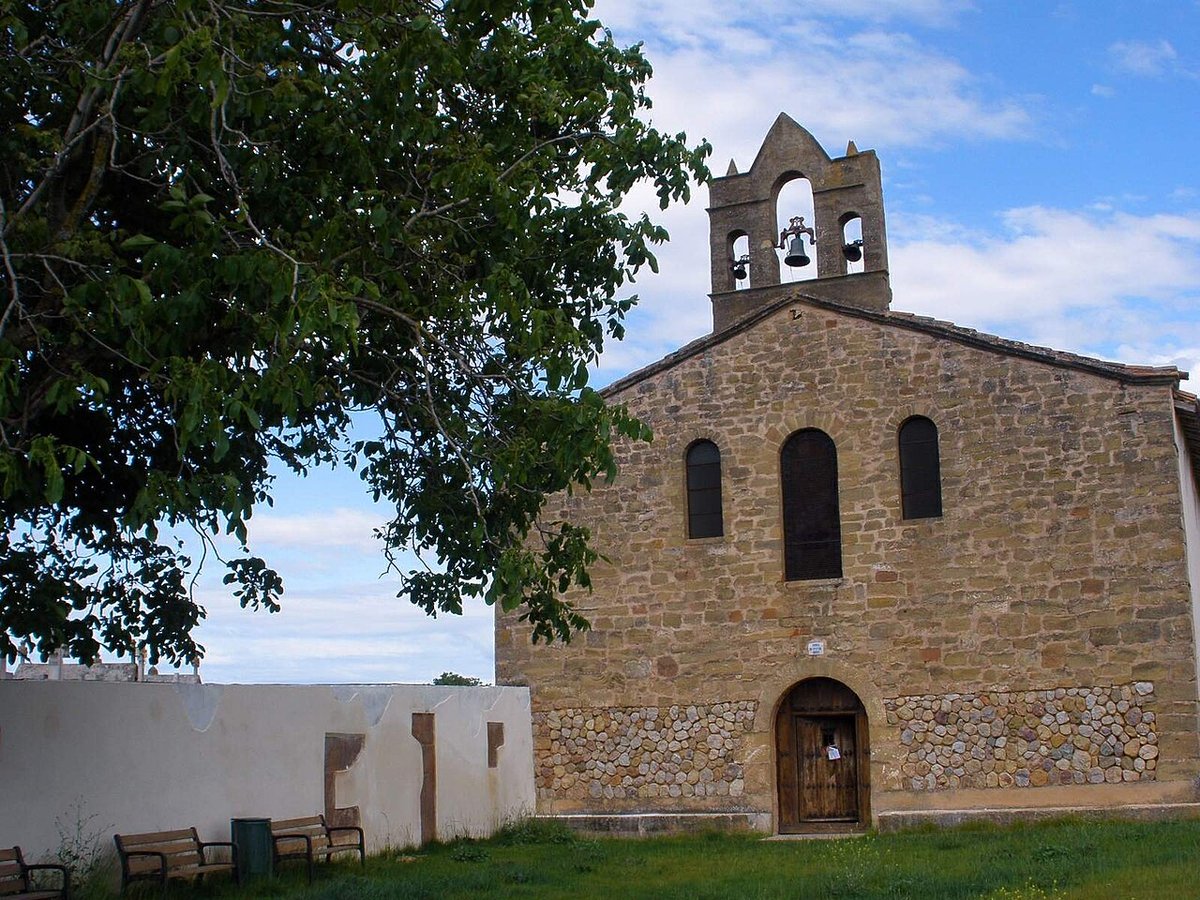
Llegas y en cinco minutos lo entiendes todo. El pueblo gira en torno a la iglesia parroquial de la Asunción, del siglo XVI. Es de piedra maciza, del tipo que aguanta décadas sin dar explicaciones. Alrededor hay casas con muros gruesos y puertas de madera. Algunas lucen escudos en la fachada. No es un lugar preparado para visitantes. Se parece más a la casa de un tío abuelo: quizás no sea perfecta, pero todo está donde debe.
Si caminas sin prisa aparecen los detalles. Rejas de hierro en las ventanas, muros que han visto muchos inviernos, patios cerrados donde asoman plantas trepadoras. Recorrer sus calles es como hojear un álbum familiar antiguo. Cada página guarda algo pequeño que mirar.
Un paseo corto entre calles y viñas
El pueblo se recorre rápido. Muy rápido. No es un sitio para ir tachando monumentos. Es más bien ese paseo corto después de comer.
La Calle Mayor y la Calle Real marcan el recorrido principal. No tienen gran misterio. Su sencillez forma parte del atractivo: calles tranquilas, algún vecino cruzando de una casa a otra y un silencio rural que solo rompe algún coche.
Pasas las últimas casas y empiezan los caminos agrícolas entre viñedos. Son pistas compactas de tierra con algún tramo asfaltado. No tienen dificultad técnica alguna.
El tiempo cambia las reglas del juego. Con lluvia fuerte o durante la vendimia aparece el barro. Es mejor ir despacio si vas en coche.
El paisaje del Najerilla
Los campos alrededor lo explican todo sin palabras. Dominan los viñedos, con algunos cereales y almendros dispersos.
En primavera el verde se extiende por todas partes. En otoño las cepas se ponen rojizas. Es un color vino tinto recién servido.
No hay miradores oficiales ni bancos estratégicos. Pero si sigues cualquier camino fuera del pueblo acabas encontrando vistas abiertas al valle del Najerilla. Suelen aparecer sin avisar, como al doblar una curva.
La vida diaria, sin filtros
Aquí no hay actividades organizadas ni carteles turísticos. La vida sigue otro ritmo, más cercano a lo cotidiano.
Puedes ver a un par de agricultores hablando junto a una cancela. O a alguien arreglando una verja. O a un grupo pequeño de vecinos sentados juntos. Es una escena común en pueblos pequeños. Se parece a entrar en un bar de barrio un martes por la tarde tranquilo.
Junto a la iglesia está el lavadero público. Es uno de esos sitios que en muchos pueblos aún sirve como punto de encuentro. No siempre está concurrido, claro. Pero cuando se junta gente suele haber conversación.
Cuánto quedarse y cuándo ir
Arenzana de Abajo no pide mucho tiempo. Si solo quieres ver el pueblo basta una visita breve. Es como parar en un área de descanso para estirar las piernas: corta pero útil.
Por eso mucha gente lo combina con una visita a Nájera, que está a pocos minutos en coche. Arenzana funciona bien como una pausa tranquila entre viñas.
La hora importa. En verano el sol del mediodía aprieta fuerte y hay poca sombra. Un paseo a primera hora o al atardecer resulta más cómodo. El paisaje también cambia con esa luz más suave.
Primavera y otoño suelen ser las estaciones más agradables para caminar por los senderos agrícolas. En invierno se nota el frío sobre todo cuando sopla el viento del valle aunque con un buen abrigo se puede andar bien bajo cero grados centígrados durante unos minutos antes necesitar refugio caliente otra vez dentro casa coche etcétera…
La lluvia lo cambia todo otra vez más todavía si cabe porque entonces sí que sí… Los caminos tierra pesan mucho más debido barro pegajoso tipo plastilina niños pequeños jugando modelarla manos manchadas ropa después limpiar difícilmente agua jabón simple grifo corriente casa normal ciudad grande donde vives tú ahora mismo leyendo esto probablemente… En esos días mejor quedarse dentro calles pueblo propiamente dicho así evitar problemas innecesarios calzado sucio disgusto general viaje fin semana estropeado por imprevisto meteorológico último momento…
Un lugar que sigue su camino
Arenzana de Abajo no intenta impresionar a nadie. No tiene grandes monumentos ni un centro histórico que exija atención constante. Lo que conserva es algo menos obvio y cada vez más raro: funciona según sus propias reglas sin adaptarse para dar espectáculo simplemente sigue adelante tranquilo manteniendo su propio ritmo interno como buen reloj cocina antiguo sabes nunca falla marca hora exactamente cuando necesita hacerlo nada más ni nada menos…