Full Article
about Berceo
Birthplace of Gonzalo de Berceo and gateway to San Millán; a literary village with rural charm.
Ocultar artículo Leer artículo completo
The only traffic jam in Berceo happens at 08:00 when the baker’s van blocks the single through-road while the driver hands loaves through a bar window. By 08:07 the street is clear again and the village reverts to its usual soundtrack: vines rustling, a dog barking two lanes away, and the faint clink of someone in the distance loading pallets of Rioja grapes.
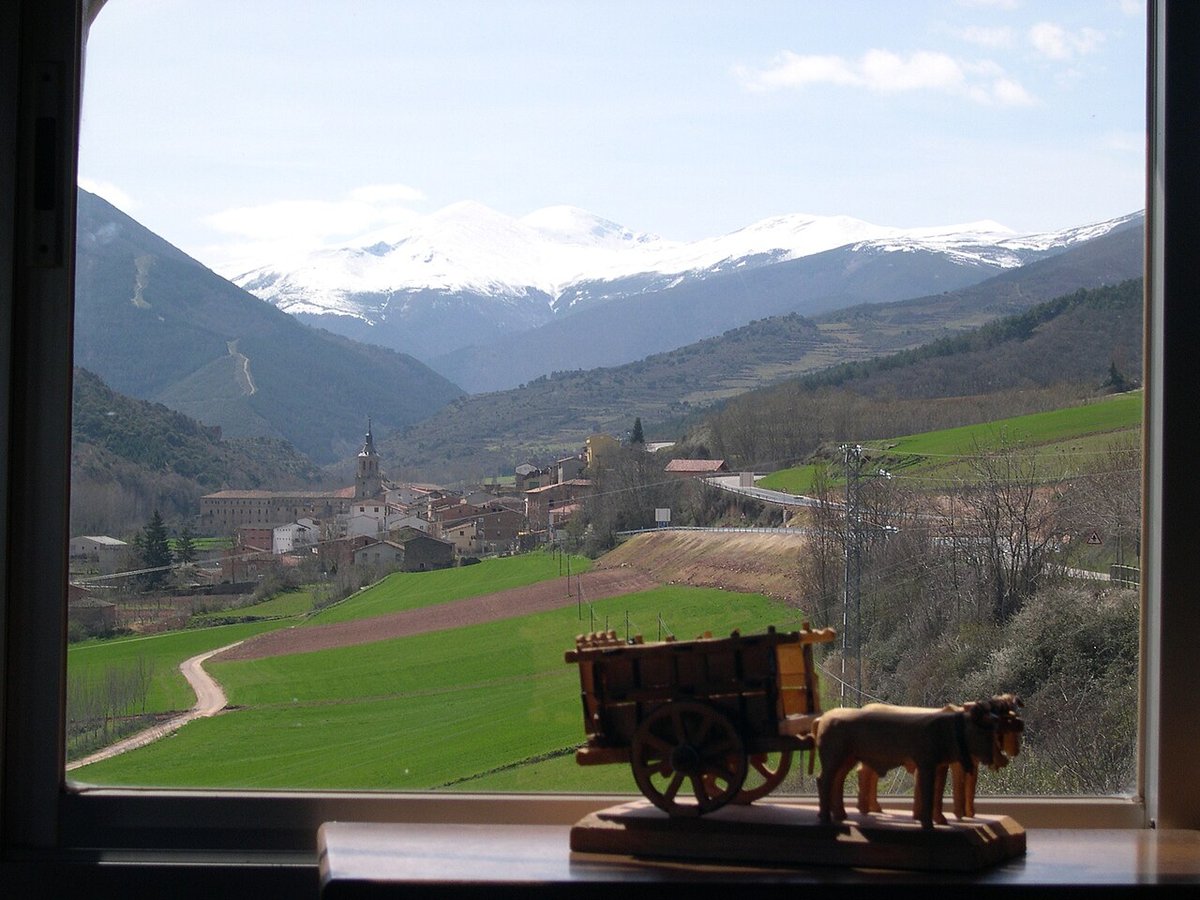
Berceo sits 16 km south-east of Nájera on the flat shoulder of the Rioja Alta plateau. The houses are low, the horizon is wide, and the population (about 230 at the last census) is outnumbered several times over by the bronze bust of Gonzalo de Berceo that keeps watch in the tiny main square. Gonzalo—priest, poet, and the first writer anyone can name in the Spanish language—was born here circa 1197. Eight centuries later his village still feels like an afterword to his footnotes.
A loop that takes twenty minutes, or eight hundred years
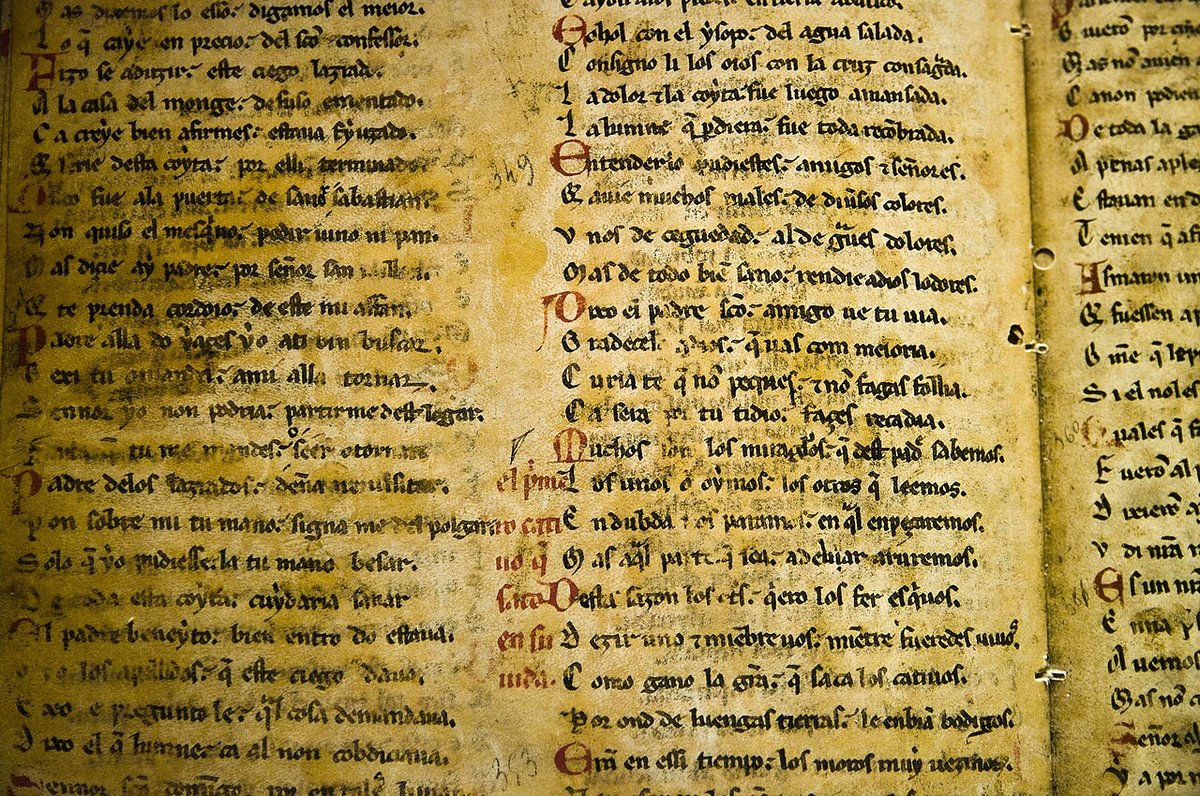
You can walk the entire urban core in the time it takes to drink a coffee in London. Start at the Centro de Interpretación Gonzalo de Berceo (open roughly 11:00-14:00 and 16:00-18:00, but Tuesdays can be erratic; ring +34 941 37 00 08 the day before). Inside, a single room does a clear, unfussy job of explaining the Milagros de Nuestra Señora, the 13th-century verse collection that turned local miracles into readable Castilian. Labels are in Spanish only, yet the short English leaflet is accurate and free.
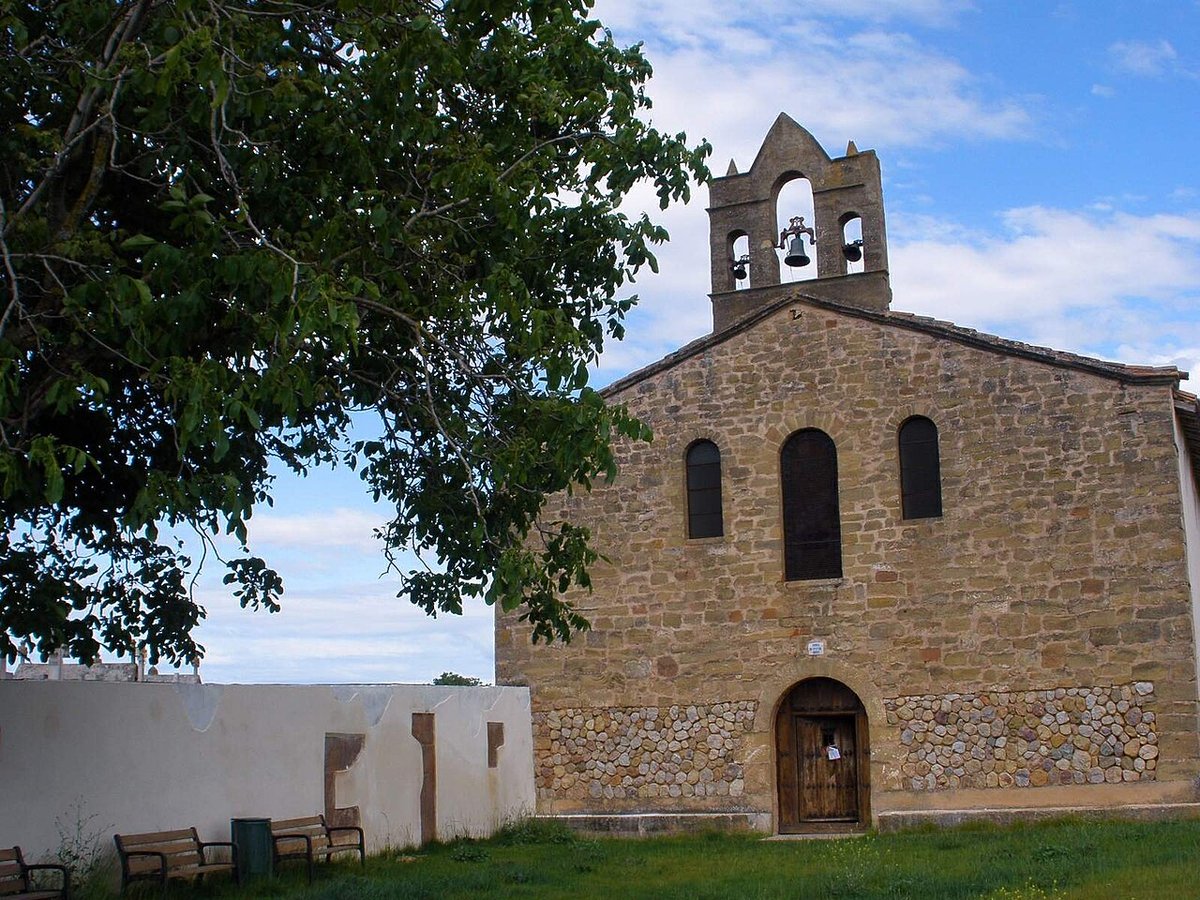
From the centre it is 120 paces to the Iglesia de Santa Eugenia, rebuilt so often that its Romanesque ankles peep out from beneath six centuries of later tailoring. The font inside is billed as Gonzalo’s baptismal basin; whether or not the claim holds water, the stone is pleasingly worn and the nave pleasingly cool on a hot afternoon. If the door is locked—likely outside fiesta weekends—peer through the wrought-iron grille and you have still seen 90 % of what the building offers.
Carry on for another minute and you reach the alleged birthplace, a narrow house with a 1970s façade and a plaque. There is no museum ticket to buy, no audio guide to swipe; just the knowledge that the first named writer in Spanish slept somewhere on this spot when the town was called Berzeo and the kingdom of Navarre collected the taxes.
Out among the vines, where the poems started
Head east past the last houses and the tarmac turns into a farm track striped with tractor mud. You are now walking the caminos that Gonzalo trudged on his way to the monastery of San Millán de la Cogolla, 3 km away and still visible as a pale smear of stone against the hillside. The route is dead flat, unsigned, and shadeless; carry water between May and September. In October the air smells of crushed Garnacha and the only sound is mechanical harvesters humming like distant vacuum cleaners.
If you want proper footpaths, drive ten minutes to the Sierra de la Demanda foothills where way-marked routes climb through beech woods to viewpoints over the Ebro valley. Mid-October brings the berrea, the stag rut: throaty bellows echo at dawn and dusk. Bring binoculars and a coat; at 1,200 m the woods can be 8 °C cooler than the village.
What you will not find (and may not miss)
There is no supermarket, cash machine, or petrol station. The single village shop keeps Spanish hours: open 09:30-13:30, closed for siesta, reopens 17:00-20:30, and shuts entirely on Sunday. Stock up in Santo Domingo de la Calzada before you arrive. Mobile coverage is patchy on the valley floor; download offline maps while you still have 4G on the A-68.
Nightlife ends when the dueño of Bar Berceo stacks the last chair. Order the menú del día (€12 weekdays, €15 weekends) and you will get half a roast lamb shoulder, enough potatoes to sink the Armada, and a glass of crianza that costs less than bottled water. The wine is soft, oak-aged, and unlikely to frighten anyone who thinks Rioja tastes like the stuffOddbins sold in 1998. Vegetarians can survive on patatas a la riojana—the chorizo is visible but can be picked out.
Timing: when the fields change colour
Late April turns the surrounding cereal stripes an almost Sussex green, but the effect lasts barely three weeks before the sun bleaches everything blond. Early September brings the harvest: tractors nose along the lanes and the air prickles with fermentation fumes. Winter is quiet, cold, and often fog-bound; the village can feel like the set of a Spanish noir film, though the café still opens at seven for the farmers’ carajillo (coffee laced with brandy).
Putting Berceo in a bigger day
Because the village itself occupies less than half a morning, most visitors bolt it between the UNESCO monasteries of San Millán de la Cogolla and the lunch slot in Nájera. That works: park once, see Suso and Yuso monasteries in the morning, dip into Berceo for the interpretación centre, then drive 12 km to Nájera’s Tuesday market for jamón and cheese. Trying to do the journey on foot or by bus is heroic but impractical; there are two buses a day from Nájera and none on Sunday.
The honest verdict
Berceo will never make a week-long holiday. It does not have a spa, a Michelin plate, or a souvenir shop flogging fridge magnets of its only celebrity. What it offers is a concise, authentic slice of rural Spain where you can stand in the silence that produced the first sentences we can still read in Spanish, then walk outside and see the same horizon Gonzalo described. If that sounds like half a day well spent, come. If you need more than one bar, book elsewhere and simply read the Milagros on the flight home.