Full Article
about Bobadilla
A farming village in the Najerilla basin, known for its poplar groves and vegetable plots.
Ocultar artículo Leer artículo completo
The wheat stops whispering only when the wind does. From Bobadilla’s last stone house to the crest of the next ridge it is a twenty-minute walk, yet the village feels higher than its 650 metres. In April the air still carries a nip that Londoners would recognise from early-morning commutes, though here it smells of wet earth rather than diesel. Winter lingers in the soil long after the almond blossom has come and gone, and even in July the nights drop to 14 °C—good news if you have forgotten to book anywhere with air-conditioning.
A village measured in footsteps
Bobadilla stretches for 280 paces end to end. Count them on Calle Mayor and you will pass nine occupied houses, one disused bread oven and a stone bench where the parish priest sits at 19:30 to gauge the temperature of local gossip. Numbers like these matter: when the bar closed in 2008 the nearest cortado became a six-kilometre drive to Nájera, and the village shop survives only because the mayor’s cousin opens her front room on Friday evenings. Bring water, tissues, plasters—whatever you habitually discover you need halfway round a walk—because retail therapy ends at the picnic table by the fountain.
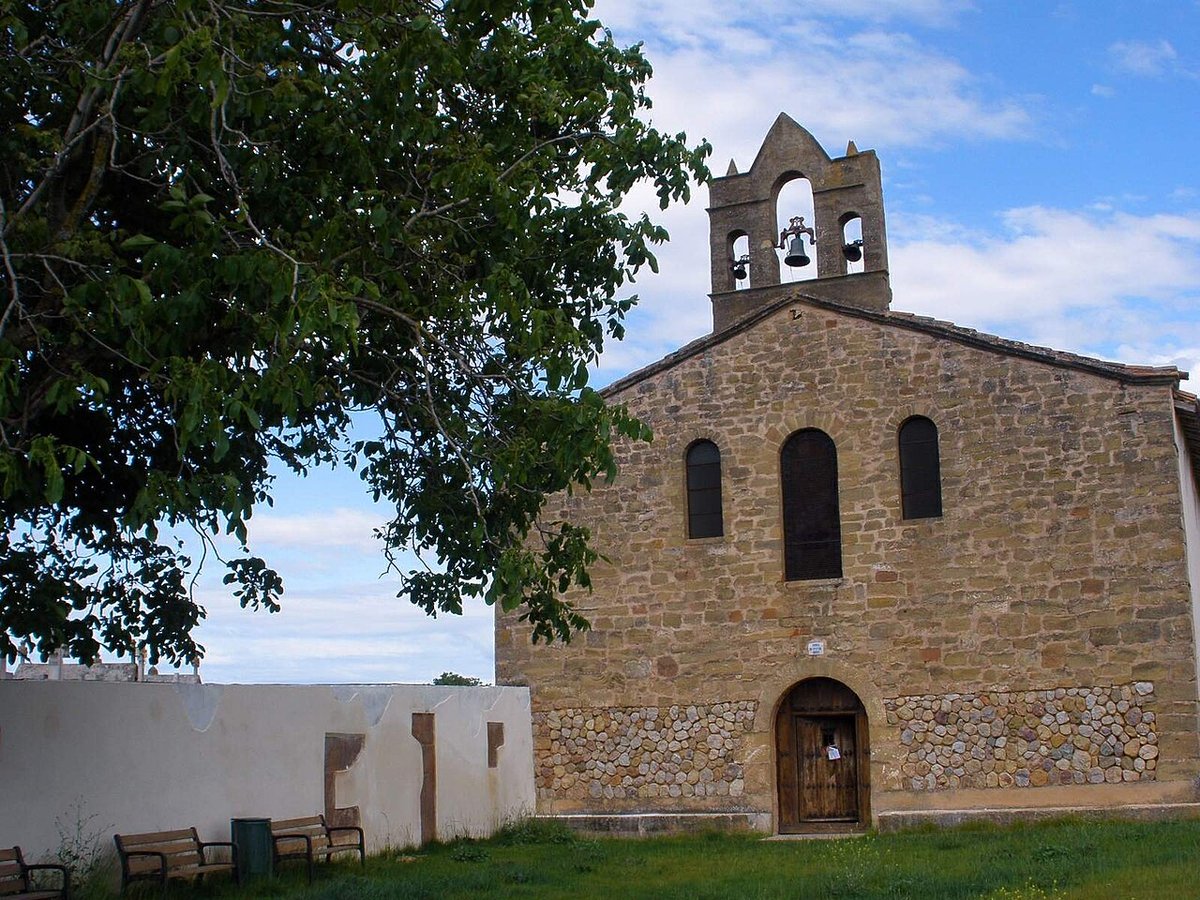
The church of San Andrés keeps the same discretion. Its Romanesque arch is plain limestone, the colour of an overcast Channel sky, and the wooden door is either unlocked or bolted; no middle ground, no posted times. Inside, the single nave is cool enough to store wine, which is exactly what farmers used to do here during the Civil War when the priest was away. A modest retablo glints with gold paint that never quite dries; step close and you can still smell the linseed. Photography is allowed, donations optional. Drop a euro in the box and the caretaker—if he is pruning roses outside—will nod without breaking conversation with his neighbour.
Tracks that remember harvesters
Leave the tarmac at the far end of the football pitch (no goals, just two jumpers) and you are on a camino that tractors have flattened since the 1950s. Head west and the path climbs 120 metres in a kilometre—enough to make Sussex knees complain—then plateaus on a razor-backed ridge. From here the Ebro valley unrolls like a relief map: Nájera’s industrial estate no bigger than a postage stamp, the river a silver scratch, the mountains of Cantabria bruise-blue on the horizon. Spring brings poppies so red they seem to hum; by late June the same soil is blonde stubble and the air smells of straw heated to 35 °C. There is no shade, so time the walk for the hour after dawn when larks are louder than the A-12 motorway hidden somewhere beyond the hills.
Cyclists share the tracks with combine harvesters. The surface is hard-packed when dry, porridge when wet; if it has rained within 48 hours, tyres leave centimetre-deep ruts that set like cement. A sign at the village entrance lists maximum axle weight, not gradient: this is farming country pretending to be a leisure trail. Ride, by all means, but expect to dismount for the occasional John Deere and accept a dusting of ochre on your lycra that will survive the flight home.
Cellars you cannot enter
Below the ridge, the ground is peppered with calados—hand-dug caves originally used for wine and grain. Their mouths are framed by unmortared stone, some bricked up, others yawning into darkness thick with cobwebs. They look intriguing, the sort of place a Spanish cousin might promise to unlock “mañana”, yet almost all remain private. Enter without permission and you risk a €600 fine plus an awkward conversation with a shotgun-toting owner whose grandfather dug the cave in 1923. Photographs from the path are fair game; flashlights and curiosity are better saved for the public wine museum in nearby Cenicero.
When the calendar decides to party
Bobadilla’s population quadruples on 15 August. Those who left for Bilbao or Madrid return with folding chairs and cool-boxes, the village square becomes an improvised dining room, and someone’s uncle wheels out a karaoke machine that only works at half volume. The event is the Assumption, but the atmosphere is closer to a family wedding where every generation claims the playlist. Visitors are welcome—bring tortilla or wine and you will be adopted within minutes—yet accommodation does not exist here. Plan to stay in Nájera or drive back to Logroño; the fiesta winds down by 02:00, Spanish time, meaning you still have an hour to find the car before the Guardia Civil lock the access gate.
San Isidro, 15 May, is lower key: a short procession, a blessing of the fields, almond cake for anyone who turns up. Dress code is Sunday best mixed with wellies; cameras acceptable, drone flights deeply discouraged. If nothing else, come for the gossip. Within ten minutes you will know whose peach trees frosted, who is selling a hectare of south-facing slope and why the Brit who bought the ruin on the hill has not been seen since October.
Getting here, getting out
No train line climbs this high. From London you fly to Bilbao, collect a hire car and head south on the A-68 for 90 minutes; after Logroño turn onto the LR-113 and follow signs for Nájera, then Bobadilla. The final 8 km wriggle through almond plantations where the tarmac narrows but remains two-way—until it isn’t. Meeting a lorry full of Rioja grapes teaches polite reversing on a ledge wide enough for one Fiesta and a prayer. In winter, frost can glaze the bends until 11 a.m.; carry sunglasses for the dazzle and a credit card for the petrol station outside Nájera, the last guaranteed fuel for 25 km.
Buses exist on Tuesday and Friday. They leave Logroño at 14:15, reach Bobadilla at 15:37 and turn around immediately. Miss the return and you are walking 14 km to the nearest hotel, so treat the timetable as gospel. Cycling the route is feasible if you enjoy gradients of 8% and drivers who believe pelotons are a foreign conspiracy.
Should you bother?
That depends on the story you want to tell. Bobadilla will not supply UNESCO plaques, boutique olive-oil tastings or Instagram backdrops with hanging geraniums. What it offers is a slice of upland La Rioja left largely to its own devices: a place where the loudest sound at midday is a hoopoe calling from the telegraph wire and where, if you sit on the bench long enough, someone will offer you a slice of chorizo and a lesson on why the previous year’s rain matters more than any government grant. Stay an hour and you will tick off every street; stay a morning and the wheat starts to look like an ocean; stay until dusk and you might understand why 93 people refuse to leave. Just remember to fill the petrol tank—and maybe bring a spare sandwich—in case tomorrow’s bus decides not to come.