Full Article
about Cañas
Home to the Monasterio de la Luz; a place of spiritual retreat and Cistercian art.
Hide article Read full article
First light over the monastery
Early in the morning, when the sun is still low in the eastern sky, the walls of the Cistercian monastery of Cañas take on a pale tone, almost bluish grey. If the night has been cool, the air often carries the scent of damp cereal crops. At that hour, before a car passes along the nearby road, tourism in Cañas makes most sense at walking pace, following the dirt track that runs along the fields.
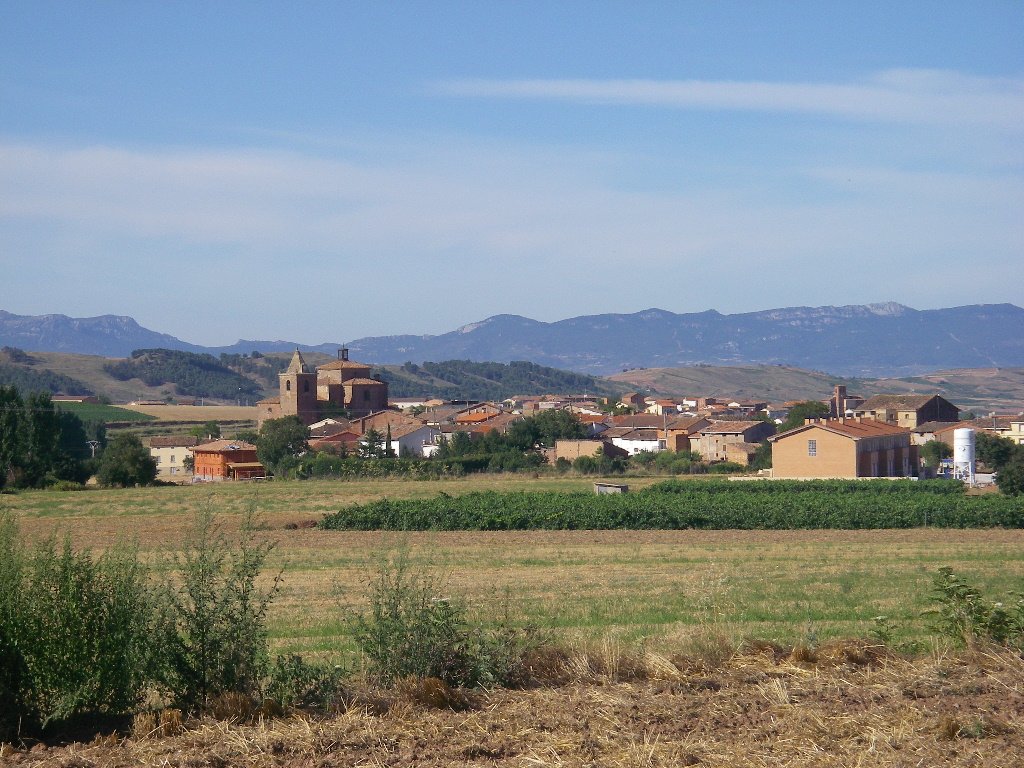
Everything seems arranged with an old, steady calm: stone boundary walls, long agricultural plots, and a quiet broken only by the distant sound of a tractor. Cañas itself is small, just a handful of streets, and revolves around the monastery that has shaped its rhythm for centuries. There is little urgency here. It feels like a place still operating on a domestic scale, where doors open onto inner courtyards and cats cross the road without a glance.
The monastery and the village streets
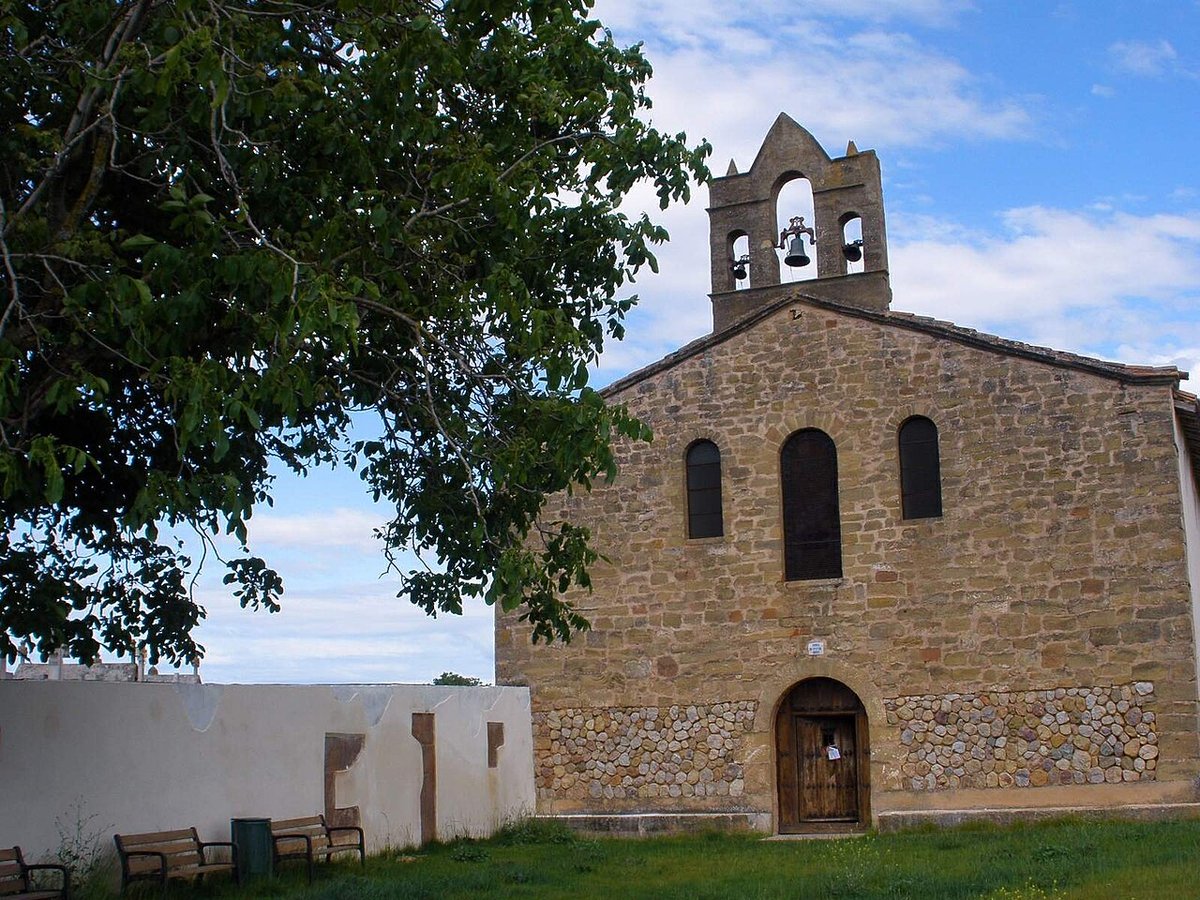
The Cistercian monastery appears almost suddenly as you approach by road. Its pale walls and the bulk of the church dominate the edge of the village. For much of the day, the sound of bells carries across the open fields.
The surrounding streets are short and generally quiet. There are masonry houses with heavy wooden gates, some windows fitted with old iron grilles, and courtyards that can only just be glimpsed behind walls. In a few corners, wooden galleries still survive, built to protect interior yards from both summer sun and winter cold.
The parish church of San Pedro occupies one of the central spots. Its brick bell tower rises above the sloping rooftops and can be seen from almost anywhere in the built-up area.
In summer, it is worth walking early in the day or later in the evening. At midday, the sun falls directly onto the open streets and there is very little shade.
Fields, tracks and the river Linares
Step just beyond the village and the landscape shifts quickly. Cereal fields surround Cañas on all sides, their colour changing through the year: bright green in spring, pale yellow as the grain ripens, and softer, muted tones after the harvest.
Scattered holm oaks stand among the plots, with twisted trunks and compact patches of shade. Nearby runs the river Linares, though in several stretches it remains partly hidden by vegetation and low rolling ground.
A network of agricultural tracks can be followed without difficulty. A relaxed walk of a little over an hour is enough to grasp the scale of the area: wide fields, the occasional isolated farm building, and the outline of the monastery always visible when you turn back.
With a bit of patience, it is possible to spot small birds such as goldfinches and wagtails, or a red kite gliding above the fields. For anyone interested in birdwatching, binoculars are useful, particularly early in the morning.
Local life and seasonal moments
The busiest time tends to arrive in summer. Traditionally, the village festivities are held around San Roque, in mid-August, when relatives who live elsewhere return and the streets fill more than usual. It is a brief shift in tempo, with more voices, more movement, and a stronger sense of gathering.
During the rest of the year, life remains quiet. At Christmas, some simple celebrations continue among neighbours and within the parish, maintaining a sense of continuity without much outward display.
Getting there and practical notes
The usual approach is by road from Nájera, a nearby town in La Rioja. The journey is short and passes through open farmland.
Cañas has limited visitor-oriented services, so it is sensible to bring water or something to eat if planning to spend several hours in the area. Parking is generally easy to find along the wider streets or near the church, though it is worth paying attention not to block gateways or garage entrances.
A quiet stop in the Nájera area
Cañas is not a place designed to fill a full day with activities. It works better as a calm توقف within the wider Nájera area: visiting the monastery, walking through the surrounding fields, and sitting for a while in the square as evening approaches.
In that low light at the end of the day, the stone walls lose the hard brightness of midday and the village settles back into near silence. Its rhythm becomes clearer then. Life here moves slowly, much like the fields that encircle the village and shift in colour with each passing season.