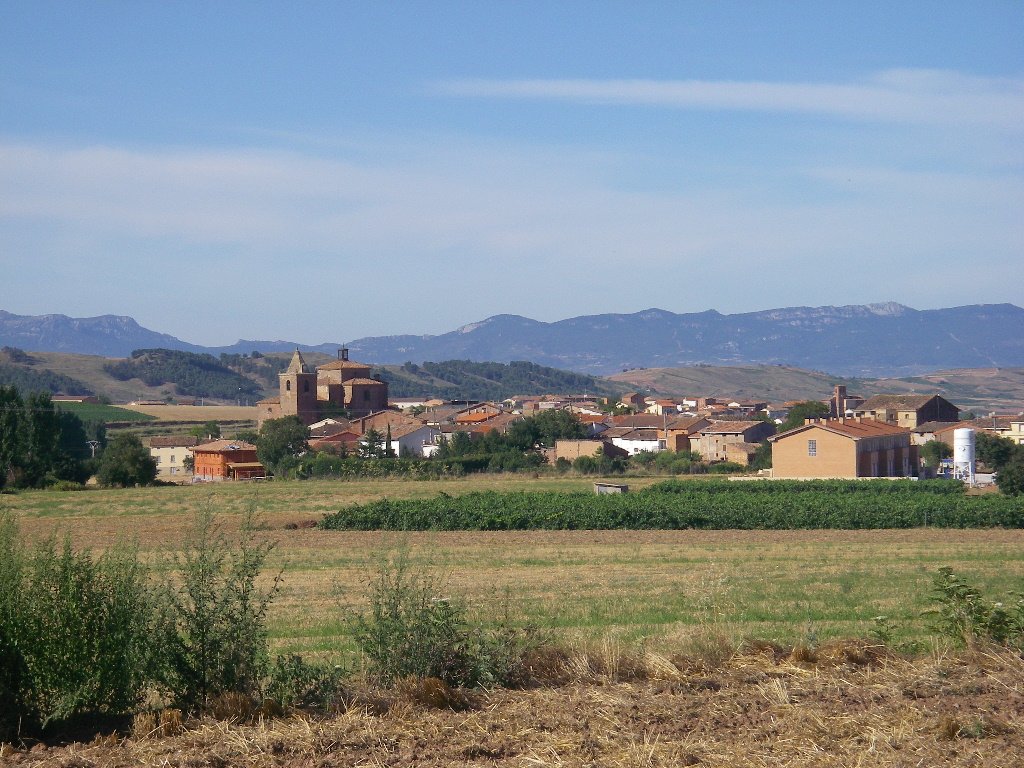
Canillas de Río Tuerto.jpg
La Rioja · Land of Wine

Canillas de Río Tuerto

The church bell strikes noon and nobody appears. Forty-nine residents, two dogs, and a concrete mixer are the only things moving in Canillas de Río...

43 inhabitants · INE 2025
624m Altitude

Why Visit

Church of San Martín Rural walks

Best Time to Visit

summer

San Martín (November) agosto

Things to See & Do
in Canillas de Río Tuerto

Heritage

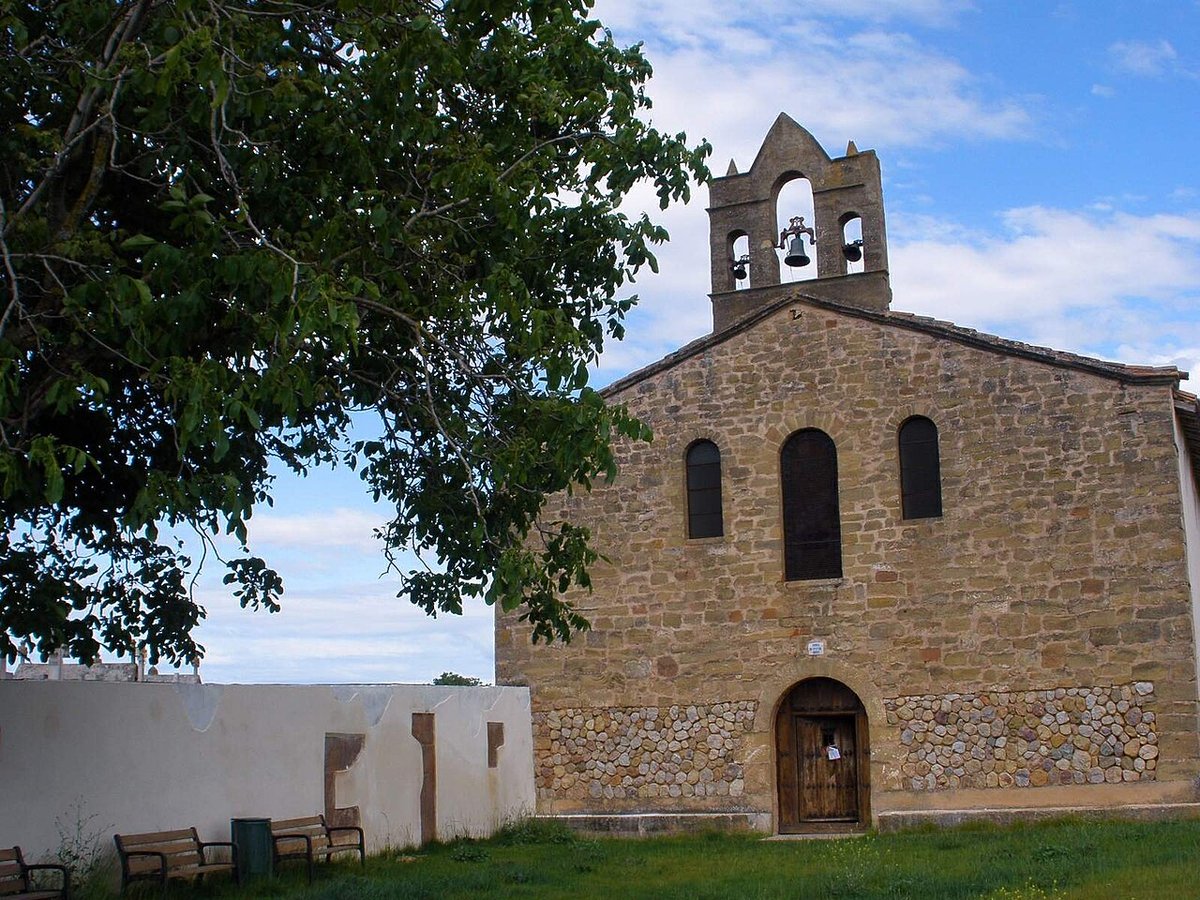
  • Church of San Martín
  • Small palace of the Manso de Zúñiga

Activities

  • Rural walks
  • Cycling

Festivals
& & Traditions

Fecha agosto

San Martín (noviembre), Virgen del Rosario (octubre)

Las fiestas locales son el momento perfecto para vivir la autenticidad de Canillas de Río Tuerto.

Full Article
about Canillas de Río Tuerto

Small farming village in the Tuerto valley; known for its quiet streets and stone manor houses.

Ocultar artículo Leer artículo completo

The church bell strikes noon and nobody appears. Forty-nine residents, two dogs, and a concrete mixer are the only things moving in Canillas de Río Tuerto at midday. At 624 metres above the Najerilla valley, the air carries the metallic scent of sun-baked adobe and distant sheep. This is not a place that waits for visitors; it's a place that gets on with being itself.

A Village That Fits in One Breath

Canillas stretches along a ridge for barely 200 metres. From the stone bench beside the fountain you can see both ends of the single street, the cemetery gate, and the track that disappears into wheat. Houses are built shoulder-to-shoulder, their stone walls the colour of weathered parchment, roofs tiled in the same ochre as the soil. No souvenir shops, no interpretive centre, not even a cashpoint. The last new-build was 1987, and it used the same beams as its 1780 neighbour.

Walk the length of the village in five minutes and you'll pass:

  • A locked colmado that opens when its owner feels like it
  • The ayuntamiento the size of a London corner shop
  • A church whose 16th-century doorway is still the widest thing in town

That's the inventory. The charm, if you insist on calling it that, lies in what isn't here: no traffic, no queues, nobody trying to sell you anything.

What the Altitude Gives You

Six hundred metres doesn't sound alpine, yet the climate behaves as if the Cantabrian peaks were closer than their actual 80 kilometres. Mornings stay cool well into June; by 4 p.m. in August the thermometer can still touch 34 °C, but the shade of the church wall drops ten degrees instantly. Autumn arrives two weeks earlier than in Logroño, tinting the surrounding poplars while the lower valley remains green. Winter brings proper frost—enough to silver the terracotta roofs—and the occasional snow that blocks the access road for half a day before the farmer clears it with his tractor.

For walkers this translates as layers: start with a fleece at 08:00, strip to T-shirt by 11:00, pull the fleece back on the moment the sun slips behind the western crest at 17:30. The lack of street lighting becomes a virtue after dark; on clear nights the altitude and the absence of light pollution deliver a Milky Way bright enough to cast shadows.

Paths That Belong to Work, Not to Tourist Boards

No glossy panels point the way. Instead you get tractor ruts cutting between cereal plots, stone markers half-erased by ploughs, and the occasional plastic fertiliser bag snagged on a briar. The most straightforward route leaves the village past the last house, drops to a dried stream bed, then climbs gently through almond terraces towards Cordovín three kilometres away. It takes 45 minutes, gains 120 metres, and delivers a view back over Canillas so compact you could cover it with your thumb.

Serious hikers sometimes stitch together a 14-kilometre loop that links San Vicente de la Sonsierra, Castillo de Clavijo ridge, and returns via the Najerilla riverside path. Do it in April and you'll thread scarlet poppies, lime-green vines, and the last of the almond blossom in a single morning. There is no café en route; carry water and expect to share the track with a shepherd on a quad bike who will nod but not break stride.

One Restaurant, One Menu, One Chance

La Cueva del Chato occupies a former grain store whose ceiling beams still smell of smoked pepper. It opens Friday evening, Saturday lunch and dinner, Sunday lunch. Turn up on Monday and the metal shutters stay down; so does every other possible place to eat within 18 kilometres. Book if you want the chuletón—a T-bone that arrives on a wooden board already sliced, salt crystals glittering, cooked exactly as requested because the grill man used to work in Bermondsey and understands medium-rare. The Rioja crianza is poured from a height into short glasses, a local habit that aerates the wine and entertains first-timers. Expect to pay €22–26 for the steak (serves two), €14 for a vegetable stew that changes with the season, and €2.20 for coffee that arrives in a glass thicker than your finger.

Vegetarians aren't an afterthought: roasted piquillo peppers stuffed with goats' cheese, wild mushroom scramble, and a tomato-pepper stew thickened with bread that tastes like summer even in February. Pudding is usually natillas, a set custard flecked with lemon zest—familiar enough to anyone who grew up on school dinners, yet somehow silkier when the eggs were laid three fields away.

The Logistics Nobody Prints

Getting here: From the A-12 Logroño–Burgos motorway take exit 17 (Nájera). Follow the LR-404 towards Badarán for 8 km, then turn right at the stone marker so small you'll miss it at 60 km/h. The final 2 km are concrete, single-track, with passing places every 200 metres. If you meet a tractor, reverse; the farmer won't.

Timing: Allow two hours for a wander plus lunch. Stay overnight only if you want silence loud enough to hear your own pulse. There is one self-catering cottage (two bedrooms, wood burner, €90 per night) and no hotel.

Supplies: Draw cash in Nájera; the nearest ATM is 10 km away and frequently empty at weekends. The village shop keeps Spanish hours: 09:30–13:30, closed Thursday afternoon and all Sunday. Stock up on water, sunscreen, and plasters unless you fancy explaining your blister to the barmaid in sign language.

Weather reality check: March can be 22 °C and sunny or 8 °C with horizontal rain. Check the forecast for Nájera, then subtract two degrees. In July the thermometer peaks at 37 °C but humidity stays low; you won't sweat, you will dehydrate. December afternoons hover around 6 °C—cold enough to make the restaurant's roaring grill welcome, not enough for serious alpine gear.

The Honest Verdict

Canillas de Río Tuerto will never make anyone's "Top Ten Spanish Villages" list because it refuses to perform. It offers no Instagram frame, no artisan cheese, no craft workshop where you can throw a wonky pot. What it does offer is a place where the modern world thins to a crackle of distant tractors and the only decision is whether to order the chuletón or the setas. Come for the space between things, not for the things themselves. Leave when the church bell strikes three and the dogs stop barking, and the village will carry on exactly as before—forty-nine people, two dogs, and a concrete mixer that might, or might not, be there tomorrow.

Key Facts

Region
La Rioja
District
Nájera
INE Code
26039
Coast
No
Mountain
No
Season
summer

Livability & Services

Key data for living or remote work

2024
HealthcareHospital 26 km away
Housing~5€/m² rent · Affordable
CoastBeach nearby
Sources: INE, CNMC, Ministry of Health, AEMET

Planning Your Visit?

Discover more villages in the Nájera.

View full region →

More villages in Nájera

Traveler Reviews