Full Article
about Cárdenas
Town in the Cárdenas valley; transition zone between valley and sierra.
Ocultar artículo Leer artículo completo
The wind arrives before you do. It sweeps across the cereal fields, rattles the few remaining vines, and whips through the stone houses of Cardenas with the confidence of something that knows every corner. At 569 metres above sea level, this is a village where altitude matters—not for bragging rights, but because it shapes everything: the temperature drop after sunset, the clarity of light over the Najerilla valley, and the way conversations seem to carry further than they should.
A Village That Measures Time in Harvests, Not Centuries
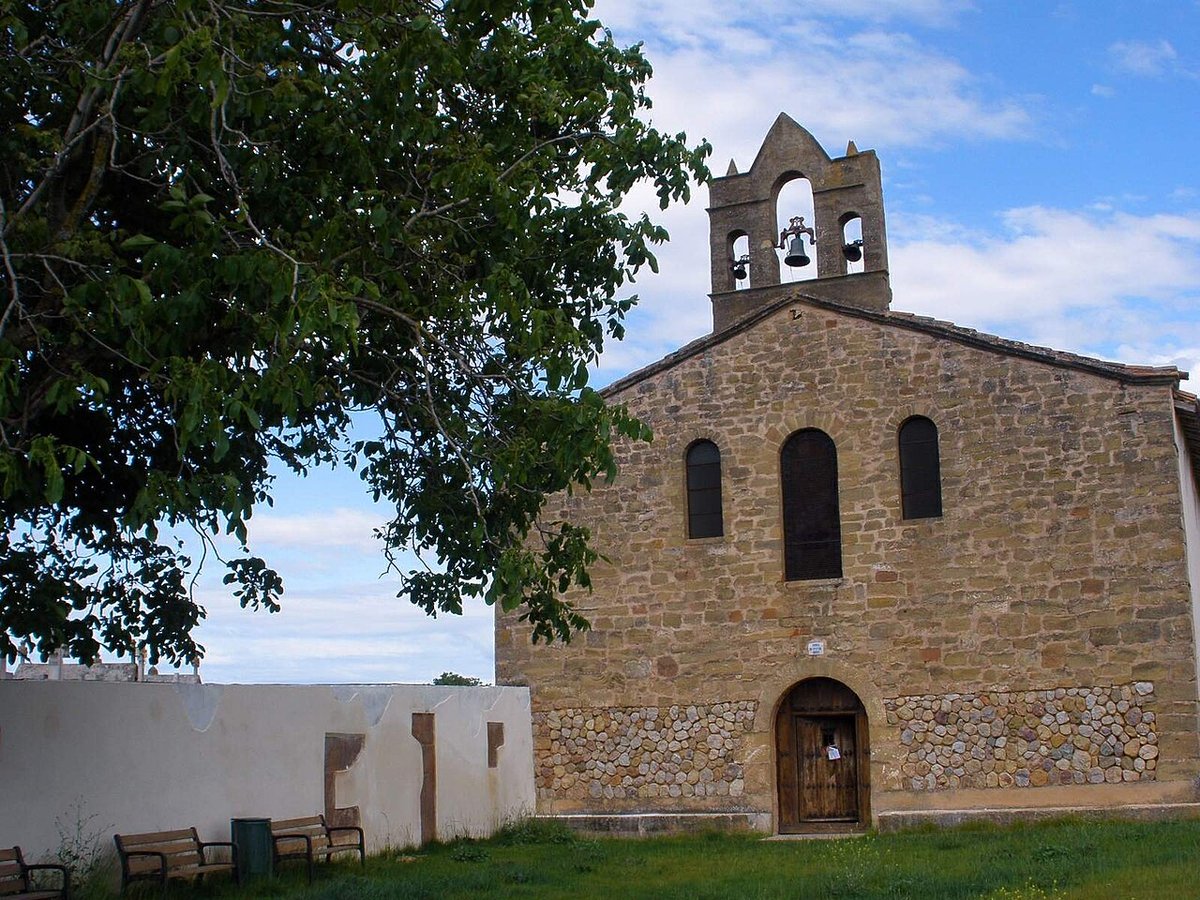
With 128 residents on the books (though you'll struggle to spot more than a handful at any given moment), Cardenas operates on agricultural rhythms that predate the N-120 road connecting it to Logroño. The church of San Miguel Arcángel anchors the village physically and temporally—its modest stone facade weathered to the colour of wheat, its bell tower serving more as a landmark for farmers than a call to mass. Inside, if the door happens to be unlocked, the interior reveals the practical beauty of rural Riojan architecture: thick walls designed for temperature regulation, simple wooden pews, and none of the baroque excess found in larger towns.
The streets radiating from the church plaza measure barely two hundred metres end to end. Adobe walls bulge slightly under the weight of terracotta tiles, their surfaces patched with cement where centuries of frost have taken their toll. Wooden doorways—some original, some replaced with modern imitations—show the marks of generations: iron knockers worn smooth, stone thresholds hollowed by countless footsteps, and those peculiar Riojan details that architects travel miles to photograph. The bodegas subterráneas aren't museums but working cellars, their heavy wooden doors occasionally ajar to reveal stone steps descending into earth-scented darkness where wine still ages in family barrels.
Walking Into the Landscape
The real revelation comes when you leave. Agricultural tracks head north towards Hormilleja and south to Alesón, their surfaces compacted by tractors rather than tourists. These aren't designated hiking trails with way-markers and car parks—they're working routes that happen to offer some of the most accessible walking in the region. A twenty-minute climb brings you to a small ridge where the entire Najerilla valley spreads below like a patchwork quilt sewn by someone who favoured earth tones. The Sierra de la Demanda forms a distant blue wall, its peaks still carrying snow well into April, while the immediate landscape rolls in gentle waves of ochre and green depending on the season's crops.
Summer walking requires strategy. The sun at this altitude carries genuine bite, and shade exists only where poplars line the dry watercourses. Early mornings offer the best conditions—local farmers have already finished their first round of work by 10 am, and the thermals rising from the valley create a cooling breeze that disappears by midday. Winter brings its own calculus: the roads stay clear unless snow arrives heavy, but the wind that felt refreshing in August becomes a knife that finds every gap in your clothing.
The Gastronomy of Availability
Food here follows the same pragmatic principles as everything else. The village's size means no restaurants in the conventional sense—no chalkboard menus promising modern takes on traditional cuisine, no wine lists curated by sommeliers. Instead, sustenance emerges through social connections and careful timing. The bar opens when the owner decides the day's farm work allows, serving coffee and basic provisions to whoever happens to be passing through. For anything more substantial, you'll need to travel three kilometres to neighbouring Nájera, or better yet, arrange in advance with one of the village families who still cook for visitors in their own kitchens.
What you might eat depends entirely on what's growing and who's cooking. Spring brings menestra de verduras—a vegetable stew that changes composition daily as asparagus gives way to artichokes, then peas, then beans. Lamb appears after local fiestas, slow-cooked with potatoes in clay pots that have seasoned decades of identical meals. The wine poured alongside comes from grapes grown within sight of the table, pressed in garages and fermented in those underground cellars you've walked past all morning. It's rough, honest, and entirely free of the tasting notes that accompany Rioja's more famous exports.
When the Village Decides to Celebrate
San Miguel's feast day at the end of September transforms Cardenas completely. The population swells to perhaps three hundred as former residents return, cars line the narrow streets, and the church bell rings with an urgency that suggests genuine belief rather than routine. The celebrations last three days but follow patterns established long before tourism became an industry. Morning Mass leads to processions where the saint's image—smaller than you'd expect—gets carried through streets strewn with rosemary and thyme. Afternoons mean communal meals in the plaza: long tables where seating isn't assigned but everyone knows exactly where to place themselves.
August's summer fiestas operate on a smaller scale but prove more accessible to outsiders. The village organises basic activities—petanca tournaments, card games in the shade, and evening meals that require advance booking through the town hall. These aren't performances for tourists but genuine community gatherings where visitors get welcomed rather than merely tolerated. The difference matters: instead of watching authenticity from a distance, you find yourself handed a plate and directed towards a seat between two locals who've been arguing about the same topics since childhood.
The Practical Mathematics of Small-Scale Tourism
Reaching Cardenas requires accepting certain realities. The nearest train station sits twelve kilometres away in Nájera, with buses connecting to Logroño twice daily except Sundays when the service reduces to once. Hiring a car from Logroño airport takes forty minutes along the N-120, then a final stretch on local roads where GPS signals flicker and sheep have right of way. Parking exists in a loose gravel area by the church—unmarked, unmetered, and rarely more than quarter full.
Accommodation presents similar challenges. No hotels operate within the village boundaries; the closest options cluster around Nájera's monastery complex or scatter across countryside fincas that require driving after dinner. Many visitors base themselves in Logroño and treat Cardenas as part of a wider exploration—the village works perfectly as a morning stop en route to the Monasteries of Suso and Yuso in San Millán de la Cogolla, or as an afternoon addition to wine tastings in the Rioja Alta.
The two-hour itinerary favoured by guidebooks barely scratches the surface. Yes, you can walk every street in twenty minutes, photograph the church, climb the nearest ridge for valley views, and be back in your car within 120 minutes. But you'd miss the point entirely. Cardenas rewards those who abandon schedules, who sit in the plaza long enough for locals to stop noticing them, who return at different times of day to see how the light transforms the stone from honey to amber to grey. It's a village that reveals itself gradually—through overheard conversations about rainfall, through the smell of bread from someone's private oven, through the realisation that the apparently abandoned house opposite the church actually hosts three generations who prefer keeping doors closed against the wind.
Come prepared. Bring water outside summer months when the bar might be shut, carry layers for temperature swings, and abandon any expectation of organised entertainment. Cardenas offers something increasingly rare: a place where the landscape dominates, where human presence feels temporary and slightly miraculous, where walking fifty metres from the last house returns you to agricultural land that hasn't fundamentally changed in centuries. The village doesn't need to justify itself through superlatives or attractions. It simply exists, 569 metres above sea level, waiting for visitors willing to adjust their rhythm to match the wind.