Full Article
about Castroviejo
Mountain village surrounded by forests; starting point for climbs in the Sierra de Moncalvillo.
Hide article Read full article
Castroviejo: el pueblo que llegó después de la montaña
Castroviejo es de esos sitios que te hacen pensar si alguien lo puso ahí a propósito. No parece un lugar elegido, sino más bien tolerado. La montaña está primero, y luego, casi de refilón, aparecen las casas. Cuando tomas el desvío desde la carretera que sube a la Sierra de la Demanda, ya te haces una idea: silencio, bosque y un puñado de tejados rojizos apretados en una loma a 955 metros. Viven unas cincuenta personas.
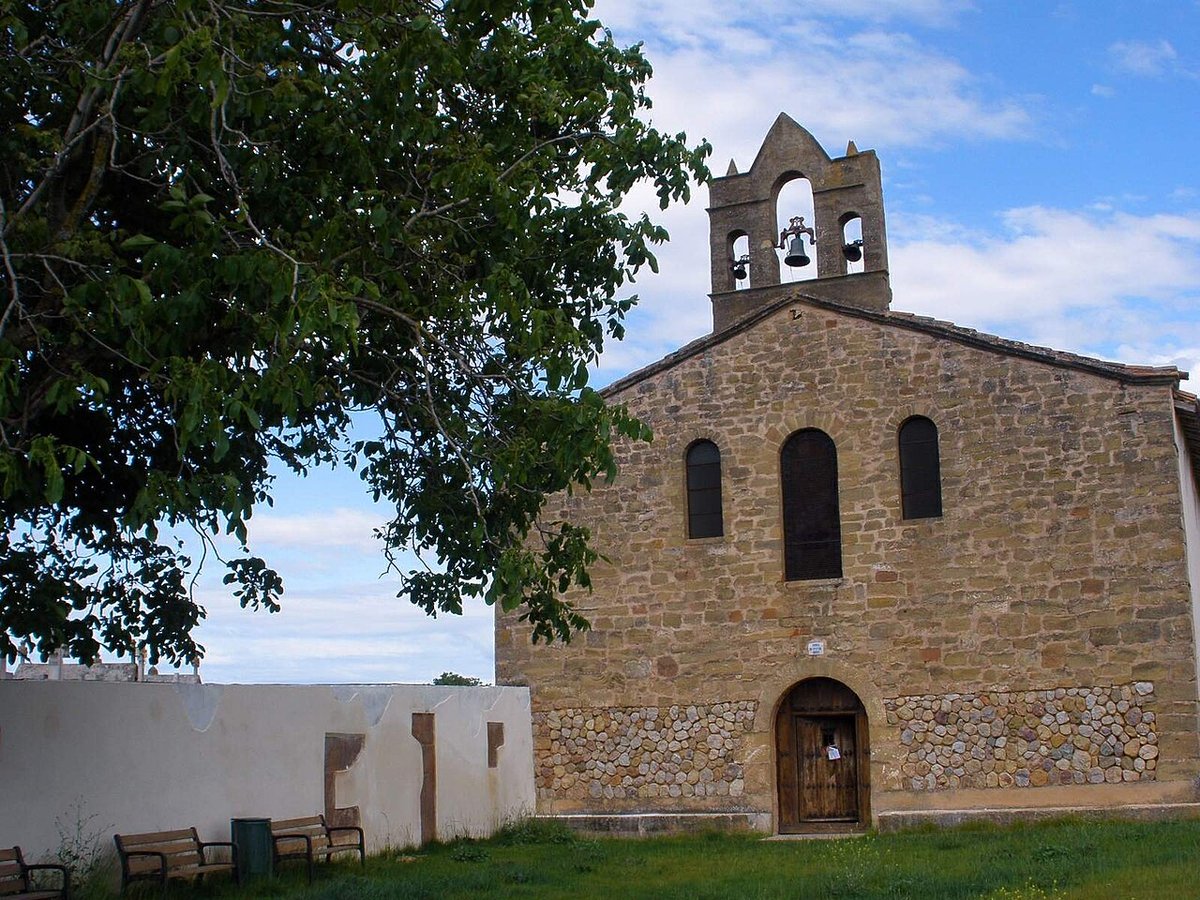
Conocer el pueblo no te lleva más de veinte minutos. Calles empedradas, casas de piedra con sus huertos y, si tienes suerte, el ruido de una puerta al cerrarse o alguien arrancando un coche. La iglesia de San Andrés del siglo XVI es tu punto de referencia; una torre sencilla y muros gruesos que te sirven para no perderte cuando todas las callejuelas empiezan a parecerse. Luego hay poco más: unas cuantas viviendas, alguna casa rural y varios senderos que se escapan hacia el monte.
Cuando el bosque se cierra alrededor
Lo que cambia de verdad aquí son los alrededores. Si vienes del valle del Najerilla, notas cómo el paisaje se aprieta. Pinos, hayas y robles crecen juntos, haciendo tramos por los que al mediodía cuesta que entre el sol.
En verano, esto se agradece. Mientras abajo el calor se queda pegado al valle, aquí arriba el aire se mueve y refresca. En otoño hay un cambio breve pero bestia: el bosque se pone amarillo y rojo durante unas semanas. Es fácil pararse a escuchar, sobre todo porque no pasa nadie. Se oyen pájaros en los árboles y, de vez en cuando, algún ave rapaz cruzando por los claros.
Desde algunos puntos altos, la vista se abre hacia el valle del Najerilla y las lomas de la sierra. No son miradores con barandillas ni carteles; son simplemente sitios donde la tierra te da un respiro antes de seguir subiendo.
Andar sin complicaciones
No hace falta preparar una gran ruta para moverse por aquí. Alrededor del pueblo, pistas forestales y caminos cortos se meten directamente entre los árboles. Muchos eran antiguos pasos usados por la gente del lugar para ir de un lado a otro del monte, y ahora son paseos fáciles que dan satisfacción.
Si te animas a alejarte un poco más, algunas sendas suben hacia cumbres cercanas. Ahí la cuesta se nota más, pero el esfuerzo se paga con vistas más amplias sobre la Demanda.
El invierno le da otra vuelta al lugar cuando nieva (que lo hace algunos años). Los caminos desaparecen bajo la nieve y ese silencio general se hace aún más profundo. El tiempo aquí puede cambiar rápido; si está inestable, conviene mirar bien la previsión antes de subir.
Comida y provisiones: mejor pensar antes
Castroviejo funciona como muchos pueblos de montaña: es pequeño y tiene lo justo. No hay muchos servicios y no todo abre todos los días. Lo práctico es llegar con lo que necesites ya en el maletero.
Por la zona, cuando toca temporada, es frecuente encontrar setas en mercados locales o en las cartas. Carnes de la sierra y quesos de la región también son habituales. Para hacer una compra más completa o encontrar más opciones para comer, normalmente toca bajar a pueblos más grandes del valle del Najerilla.
Con un par de horas basta
Castroviejo no es un sitio para dedicarle todo un día. Con pasear por sus calles, echar un vistazo a la iglesia y dar una vuelta por cualquiera de los caminillos que salen del pueblo ya tienes suficiente. En un par de horas te haces una idea clara.
Lo que no vas a encontrar aquí es actividad constante ni un centro histórico repleto de monumentos. El plan es simple: andar un rato, mirar las lomas y escuchar lo poco que suena.
Llegar hasta aquí (y algún detalle útil)
Desde Logroño lo normal es tomar la LR-113 hacia Nájera y luego seguir por carreteras locales que serpentean subiendo hacia la sierra. Los últimos kilómetros tienen curvas cerradas y tramos estrechos; es lo típico de la zona pero conviene ir atento al volante.
Estar cerca de los mil metros hace que las temperaturas bajen rápido en cuanto se va el sol, incluso en agosto. Llevar una chaqueta en el coche no es una mala idea cuando viajas por esta parte de La Rioja