Full Article
about Estollo
A village in the San Millán valley; it keeps traditional architecture and a quiet atmosphere.
Ocultar artículo Leer artículo completo
The church bell strikes noon, yet only two cars pass through Estollo's main street. At 746 metres above sea level, this granite outpost above the Najerilla Valley operates on its own schedule—one where an hour stretches comfortably into two, and where the loudest sound might be your own footsteps on medieval stone.
The Vertical Village
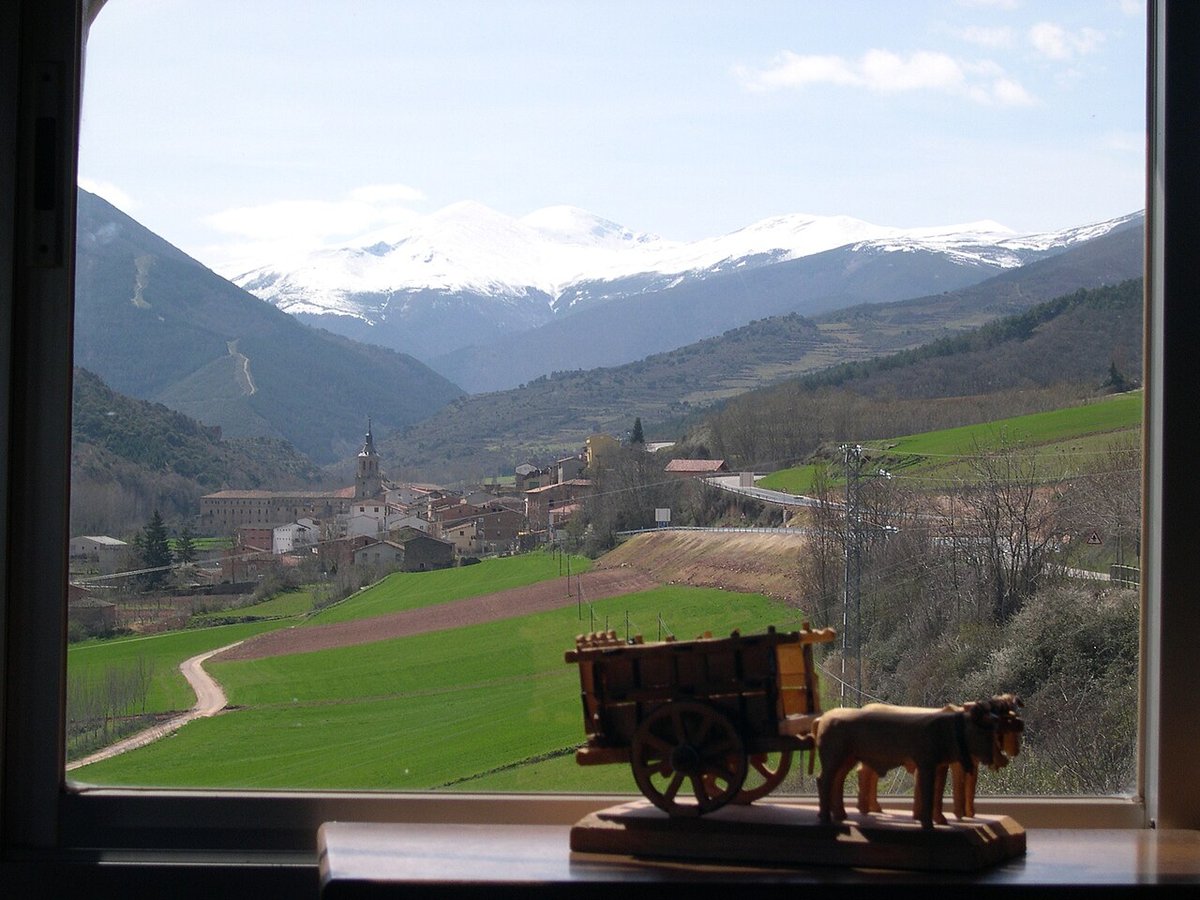
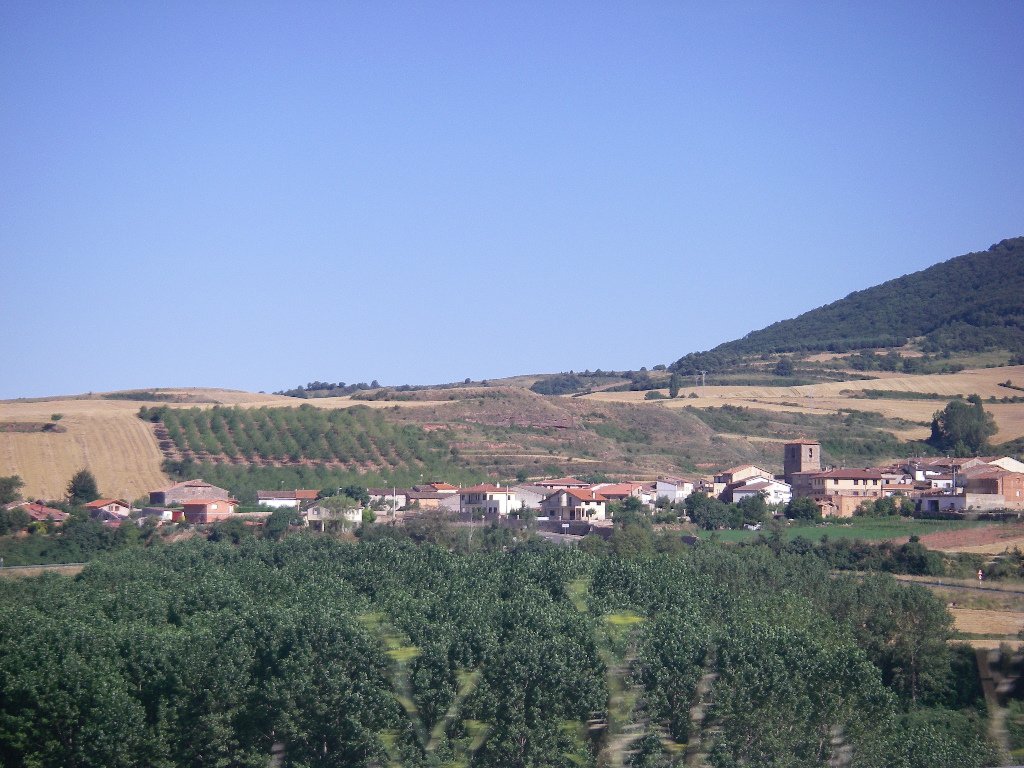
Estollo climbs its hillside in terraces of sandstone and determination. Traditional houses, some freshly whitewashed, others wearing centuries of weather like honourable scars, stack upwards from the valley road. The effect isn't accidental: every extra metre of altitude meant cleaner air and better surveillance during the village's formative centuries. Today, it means spectacular views across vineyards that shift from emerald to amber depending on the month.
The altitude matters more than casual visitors expect. Summer mornings bring relief that coastal Spain can't match—temperatures hover five degrees cooler than Logroño, the regional capital 35 kilometres south. Winter transforms the village entirely: when clouds fill the valley below, Estollo becomes an island above a white sea, accessible only via the LR-113's switchback curves that demand respect when ice glazes the tarmac.
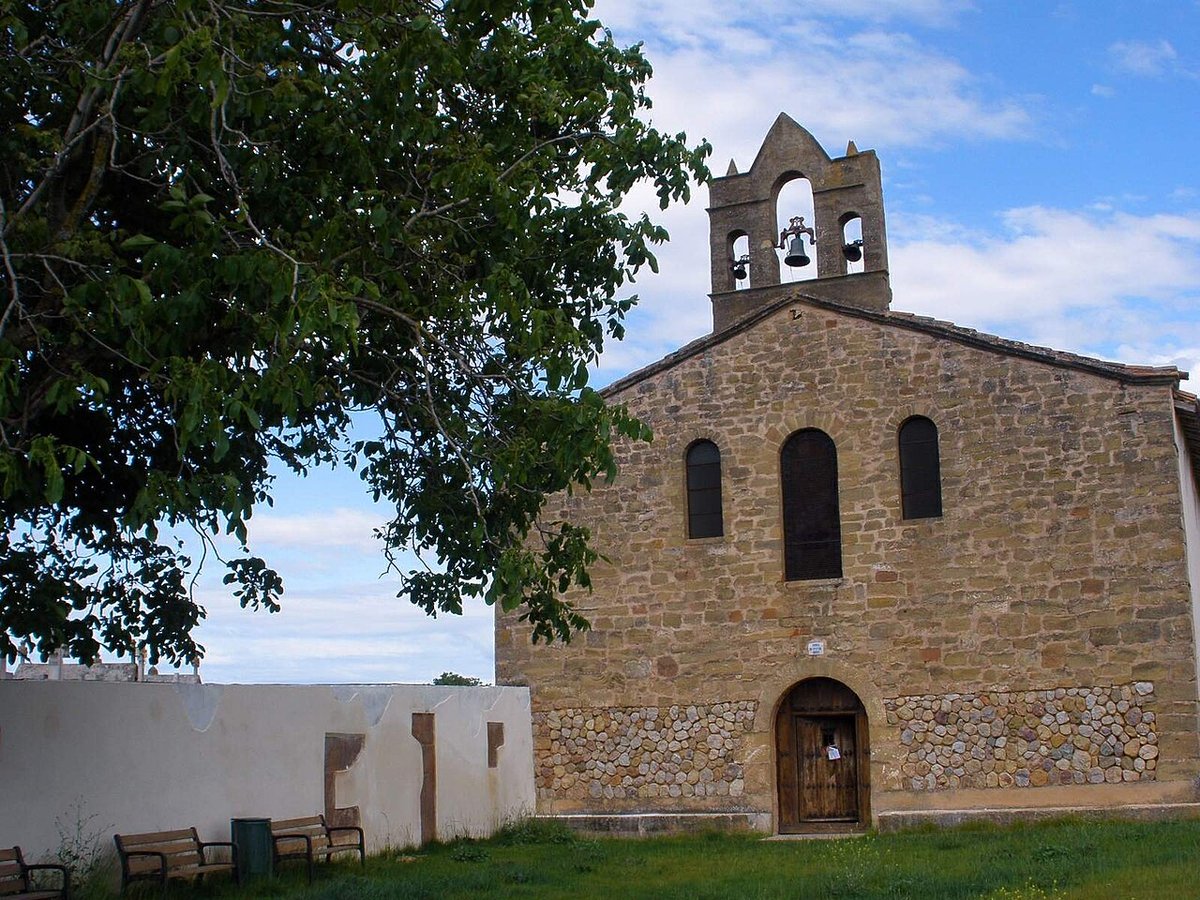
Walking shoes prove essential here. The medieval core follows mule-track logic rather than city planning, meaning staircases replace sidewalks and every journey involves calf-stretching gradients. The main church, dedicated to the Natividad de Nuestra Señora, sits at the village's crown—a 13th-century structure whose tower serves as both spiritual and navigational beacon for anyone who's wandered into the labyrinth of narrow lanes below.
What the Stones Remember
Unlike heritage sites preserved in amber, Estollo functions as a working village where history lives in continued use. The church's weathered sandstone blocks show mason's marks from multiple centuries—Romanesque foundations support Gothic additions that themselves carry Baroque embellishments. Inside, the altarpiece survived the Civil War thanks to villagers who bricked it up behind a false wall, a story you'll hear only if you arrive during the caretaker's irregular opening hours (mornings generally prove luckier).
The real architecture lesson happens at ground level. Wander the lanes between calle Mayor and calle del Medio to spot traditional bodegas—family wine cellars carved into hillsides, their heavy wooden doors often standing ajar to reveal cool darkness within. Ironwork balconies support geraniums in summer, while winter reveals the craftsmanship in their forging: each family's balcony slightly different, a quiet competition in metalwork that spans generations.
Look closely at doorways. Many retain medieval dimensions—built when people stood shorter and carried fewer possessions. Above modern knockers, limestone lintels show the parallel grooves of countless sharpening sessions: villagers once brought knives and sickles to their thresholds, turning daily maintenance into social ritual. These details vanish when viewed from car windows, which explains why Estollo rewards the slow approach.
Walking Through Calendar Pages
The village's location makes it an ideal base for understanding Rioja's seasonal transformations. Spring arrives late at this altitude—wild asparagus appears in April, not March, along paths that wind between cereal fields and vineyards. Local women still forage these green shoots, their plastic bags moving methodically along field edges where Roman roads once ran.
Summer hiking options range from gentle to demanding. The easiest route follows the GR-93 long-distance path southeast towards Cárdenas, offering valley views within twenty minutes of leaving the church square. More ambitious walkers can tackle the circular route up Pico Fragosto, a 1,300-metre summit that takes three hours return and rewards effort with views across three provinces. The path starts behind the cemetery—follow the stone wall until you spot the red-and-white waymarks painted on a weathered gatepost.
Autumn brings colour changes that painters attempt to capture and photographers fail to resist. Vine leaves turn through vermilion and bronze during October's final weeks, while wheat stubble fields provide golden contrast. The harvest festival in mid-September transforms the normally quiet Plaza Mayor into something resembling a medieval market, though one where mobile phones record traditional grape-treading demonstrations.
Winter walking requires different preparation. Snow falls perhaps five days annually, but frost occurs weekly from December through February. The village's north-facing slopes hold ice longest, turning casual strolls into careful negotiations with gravity. Those who brave the cold discover a different Estollo: woodsmoke scents the air, locals gather in the single bar for card games that last entire afternoons, and the valley views extend for miles through leafless trees.
The Practical Geography
Getting here demands accepting Spanish rural transport reality. From Logroño, the LR-113 winds through Najera before climbing to Estollo—35 kilometres that take forty minutes on good days, longer when agricultural traffic slows progress. Buses run twice daily except Sundays, though timetables shift seasonally and without notice. Hiring a car provides flexibility, particularly for exploring neighbouring villages like Uruñuela and Huércanos, each offering different perspectives on valley life.
Accommodation options remain limited. The village lacks hotels entirely; the nearest stay involves ten minutes of downhill driving to roadside hostels serving the Camino de Santiago. Most visitors incorporate Estollo into wider Rioja itineraries, allowing two hours for exploration plus walking time. This isn't a deficiency—it's realism from a place that never intended to become a destination.
The single bar serves as village hub, post office, and information point combined. Opening hours follow proprietor Miguel's whim rather than any posted schedule, though mornings between 9-11 and evenings from 6-9 prove reliable bets. Coffee costs €1.20, wine even less, and the tortilla arrives thick enough to fuel serious walking. Don't expect menus in English—pointing works, but attempting Spanish earns warmer responses and often complimentary chorizo slices.
When to Time Your Visit
Spring weekends bring Spanish day-trippers seeking cooler air than Logroño's urban heat. Their arrival around 11 am transforms silent streets into gentle bustle, though by 3 pm they're heading home for siesta. Early morning visits—arriving before 10—offer village ownership to the intrepid, plus photographic light that turns sandstone golden.
Summer demands strategy. Midday temperatures reach 32°C despite altitude, making 1-4 pm practically unbearable for walking. Mornings work best: arrive by 9, walk until noon, then retreat to the bar's shady interior. Late afternoon offers second chances, with sunset around 9 pm providing two golden hours for photography and comfortable temperatures for serious hiking.
Autumn delivers the sweet spot. October's stable weather combines with empty village streets—harvest is finished, winter preparations not yet begun. The light softens, emphasising stone textures and valley mists that rise like theatrical effects. Local mushrooms appear in the bar's seasonal cooking, though you'll need to ask—dishes change daily based on what foragers bring.
Winter visits suit the self-sufficient. Days run short: sunset arrives before 6 pm, and the single bar might close early if weather turns foul. Yet there's genuine reward in having the village essentially to yourself, in watching valley fog fill the Najerilla basin while you stand above it all in clear air. Bring layers—altitude amplifies weather, meaning sunshine can shift to sleet within an hour.
Estollo doesn't court visitors, and that's precisely its appeal. It offers instead an authentic measure of rural Spain: functioning, ageing, adapting, surviving. Come prepared for gradients, bring patience for irregular opening hours, and pack curiosity for details that reveal themselves slowly. The village rewards those who adjust to its rhythms rather than expecting it to match theirs—an increasingly rare quality in an age of instant gratification and curated experiences.