Full Article
about Hormilla
Well-connected town on the road to Nájera; known for farming and services.
Hide article Read full article
A las siete de la tarde, el sol rasante enrojece los sarmientos y el aire huele a tierra regada. El silencio aquí es físico; solo lo rompe el crujido de la grava bajo las ruedas de un coche que pasa despacio, o el motor lejano de un tractor. Hormilla tiene algo más de cuatrocientas personas y se recorre en unos minutos.
Las calles son cortas, a veces estrechas, flanqueadas por casas de piedra con portones grandes, pensados para guardar herramientas. La vida lleva un pulso lento y constante.
Una iglesia y el frescor de la piedra
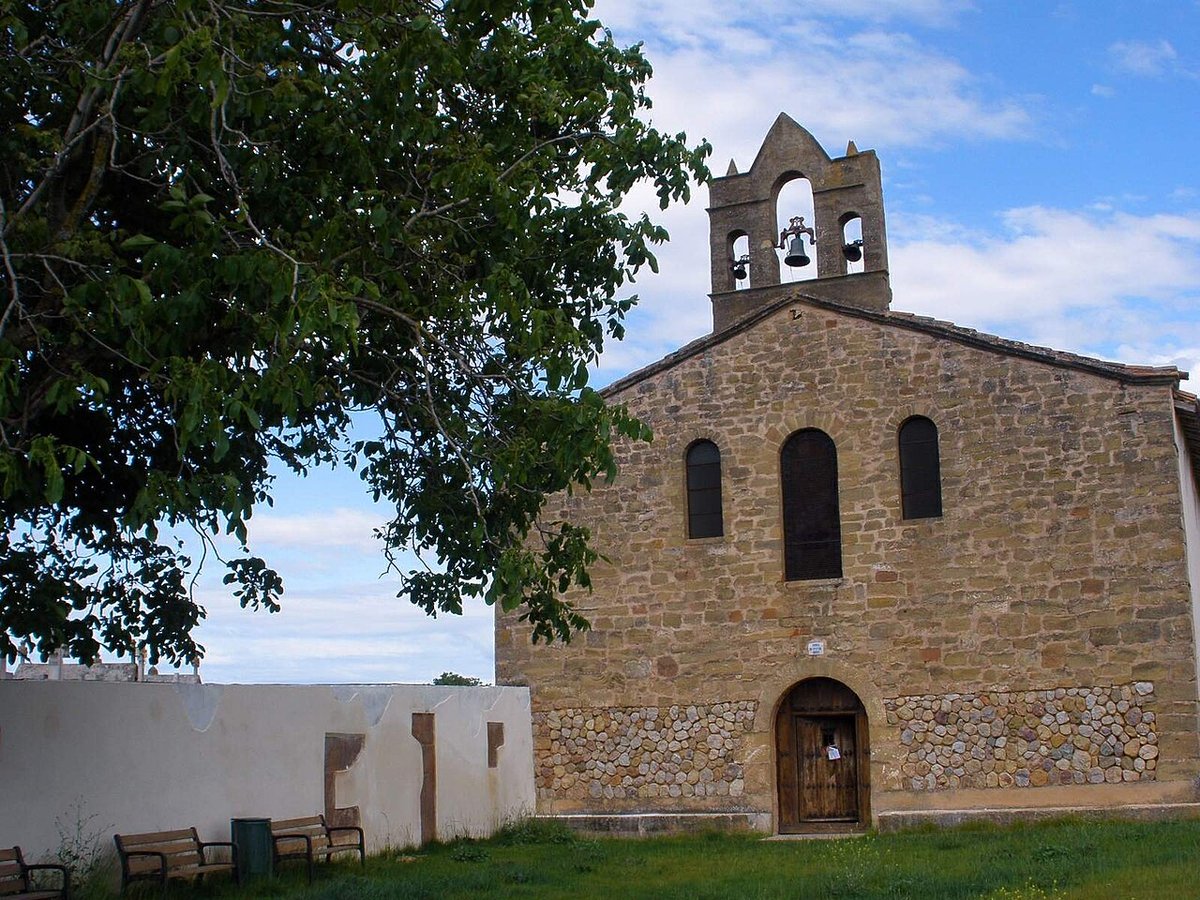
En el centro está la parroquia de Santa María de la Asunción. Su fachada es sobria, de piedra gris con poca decoración. Si la puerta está abierta, al entrar se nota el descenso brusco de la temperatura y un olor tenue a cera y madera vieja, común en las iglesias de esta parte de La Rioja.
Pasear por el pueblo revela más sobre la vida diaria que sobre una historia grandiosa. Hay patios con herramientas apiladas, pequeñas huertas pegadas a las casas y alguna gallina que se escapa a la calle. Con tan poco tráfico, la atención se va a los detalles: una puerta de madera gastada, una parra trepando por una fachada, el ruido de cubos o trozos de conversación que salen de un corral.
Donde terminan las casas
No hay un límite claro entre Hormilla y el campo. Las últimas casas simplemente ceden el paso a los viñedos. En primavera, los pámpanos son de un verde intenso. En verano, la tierra se vuelve seca y polvorienta, y los tractores levantan una nube baja al pasar. El cambio llega rápido en otoño: los racimos maduros y las hojas rojizas transforman el paisaje en cuestión de días.
Por aquí la variedad más extendida es el tempranillo, aunque también hay parcelas de garnacha. Los viñedos suelen ser trabajados por familias locales, a menudo en pequeñas parcelas.
Los caminos de tierra hacia Nájera
Varios caminos agrícolas salen del pueblo hacia Nájera o Cordovín. No son rutas turísticas; son vías de trabajo por donde pasan remolques, bicicletas y gente yendo a sus tierras.
El terreno es irregular, y tras varios días de lluvia el barro puede complicar el paseo. Conviene calzado con buen agarre y hay que respetar los cultivos. Las cuestas son suaves pero continuas, y cuando no hay nadie cerca, el paisaje sonoro se vuelve muy nítido: el viento moviendo las hojas de las viñas o el golpe seco de una rama.
Para una visita corta no hace falta mucha planificación. Basta un paseo lento. Empezar en la plaza y dirigirse hacia la iglesia da una idea del trazado. Desde allí, uno de los caminos del borde te introduce enseguida en el viñedo abierto, donde la relación entre el pueblo y la tierra se hace obvia.
Un banco a la sombra o una esquina tranquila sirven para parar un rato. A ciertas horas, la vida del pueblo se vuelve audible otra vez: alguien que vuelve del campo en coche, una voz que llama desde una ventana, el sonido metálico de una persiana que se cierra.
Cuándo ir y cómo moverse
La primavera y el principio del otoño suelen ser buenos momentos para ver el campo en movimiento. Durante la vendimia, según el año, se ven tractores entrando y saliendo de los viñedos desde primera hora.
En invierno, el paisaje está más desnudo y quieto. Tras lluvias fuertes, los caminos de tierra se embarran mucho; esos días es mejor quedarse por las calles del pueblo.
Hormilla no tiene miradores espectaculares ni monumentos llamativos. El paisaje es mayormente horizontal: casas bajas, campos abiertos y naves agrícolas en las afueras para guardar maquinaria. Pero hay escenas muy concretas que definen esta parte de La Rioja: las hileras de cepas recortadas contra el cielo, los caminos polvorientos y pálidos del verano, los remolques cargados con cajas durante la cosecha.
Llegar es sencillo. Desde Logroño, lo habitual es tomar la N-120 hacia Nájera y luego una carretera local que entra al pueblo. Se aparca sin dificultad en las calles cercanas al centro.
Lo mejor es llegar sin planes rígidos ni expectativas altas. Hormilla solo cobra sentido a pie, recorriendo despacio sus calles y saliendo después a los viñedos que empiezan justo donde terminan las últimas casas. No pide mucho más.