Full Article
about Ledesma de la Cogolla
Tiny village in the Najerilla basin; peace and direct contact with nature.
Ocultar artículo Leer artículo completo
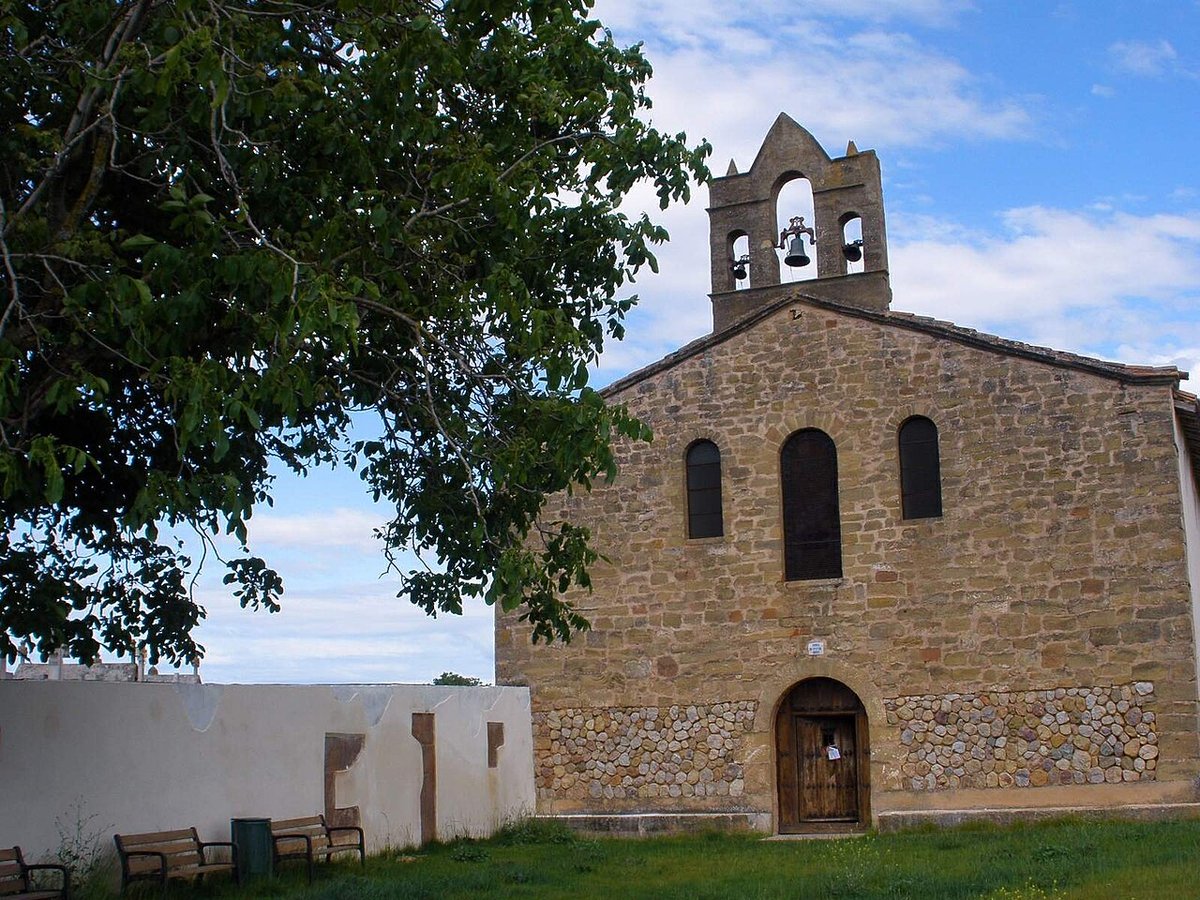
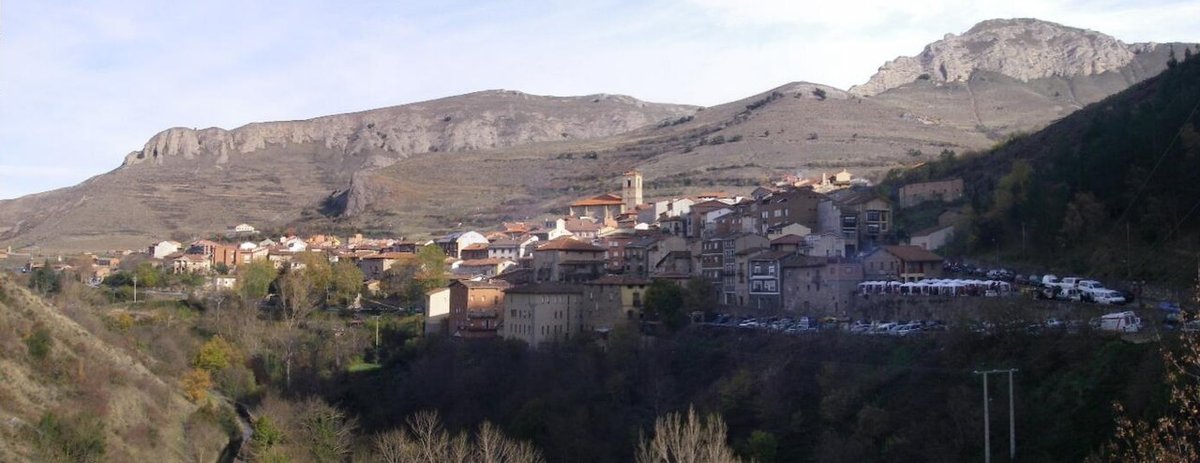
The single road into Ledesma de la Cogolla climbs so sharply from the Najerilla valley that hire-car engines grumble in second gear. At the crest, the asphalt levels out and the village reveals itself: two short rows of stone-and-adobe houses, a church tower the colour of weathered wheat, and exactly one streetlamp that actually works after dark. Population on the last census: eighteen. On some weekends it doubles when the mayor’s sons visit from Logroño; on others it halves when the shepherd follows his flock into the hills.
This is mountain Spain stripped to its bones. The altitude—753 m—keeps July temperatures five degrees cooler than the Rioja wine capital 25 km south, yet the sun still bites at midday when the narrow streets offer almost no shade. In January the same elevation traps cold air; night frosts whiten the terracotta roofs and the LR-113 can glaze over. Snow rarely lingers, but the wind that barrels up from the Cantabrian coast makes gloves advisable even in April.
What You Actually See When You Stop
There is no ticket office, no interpretive panel, no souvenir stall—just a hand-painted board that reads “Ledesma de la Cogolla, municipio de Nájera”. Park on the ridge before the road drops (space for six cars, seven if everyone breathes in). From here the village plan is simple: one north–south lane, one east–west lane, forming a crossroads around the fifteenth-century church of San Bartolomé. The church door is usually locked; the key hangs in the third house on the left, but you have to catch María before her midday nap (strictly 13.30–16.00).
Walk anyway. The pleasure is architectural shorthand: schist footings, adobe upper halves the colour of weak tea, timber balconies that sag like old cardigans. Notice the iron rings still bolted to some doorjambs—mooring posts for mules before tractors arrived. Halfway down the lane a plaque records the 1839 boundary agreement with neighbouring Najera; the letters are so eroded you have to trace them with your finger. Turn the corner and you’re out of village, facing a mosaic of cereal plots stitched together with dry-stone walls barely waist-high. The only sound is the clack-clack of a magpie staking territory in the almond trees.
Footpaths That Don’t Make the Guidebooks
Three footpaths leave the last house. The shortest drops 200 m to the Najerilla river through holm-oak scrub—twenty minutes down, thirty back up if you’re carrying picnic kit. Mid-way you pass an abandoned watermill; swallows nest inside the wheel-housing and the air smells of warm thyme. A longer loop heads east along the GR-190 long-distance trail towards Anguiano, famous for its cliff-hanging stilt dancers every July. You don’t need to walk that far: after 4 km the path crests a saddle giving a sightline south to the Montes Obarenes and north to the snow-dusted Sierra de la Demanda. Phone signal vanishes here; download your map while still on the ridge.
Boots matter. Even summer showers turn the slate bedrock into a slide; locals strap rubber crampons to their work boots from October to May. If you’re hoping for shade, set off before ten—once the sun clears the eastern crest there’s no cover until the river.
Eating (Elsewhere)
Ledesma itself has zero gastronomy. Bring water—at least a litre per person in warm months—and whatever food you fancy. The nearest coffee arrives eight kilometres away in Anguiano at Asador Aspe, a family dining room that smells perpetually of oak-charcoal and roast lamb. A quarter-kilo portion of cordero asado costs €18 and feeds two modest British appetites; they’ll split it if you ask nicely. Vegetarians get grilled peppers and a tortilla the size of a steering wheel. House Rioja (Crianza, €14 the bottle) is mellow enough for newcomers who find Spanish tannins aggressive.
Closer, but only open weekends, is the roadside venta in the hamlet of Pajares. Their menu del día is €12 and includes wine, but they close the kitchen the moment the last chair is wiped down—usually around 15.30. Miss that and you’re driving to Nájera, where Saturday’s indoor market sells vacuum-packed chorizo riojano and semi-cured queso camerano that survives a warm car boot.
How to Get Here Without Tears
Bilbao is the simplest gateway: BA and EasyJet cover the route from London and Manchester year-round. Collect a rental car at the airport, aim for the A-68 south, leave at kilometre 97 signed Nájera/Logroño, then follow the LR-113 north-west for 12 km. The final approach is single-lane with passing bays; meet a tractor and someone has to reverse. Large motorhomes are discouraged—turning circle at the church is exactly 9.5 m and stone walls don’t forgive.
No car? Forget it. There is no bus, no taxi rank, and the nearest railway halt is 20 km away in Albelda de Iregua. Cycling works if you enjoy 6 % gradients; road bikes need low gears, gravel bikes cope better when the surface chips.
The Honest Itinerary
Allow ninety minutes to circle the village, photograph the stone granaries, and stroll to the river. Add another hour if you want a serious walk along the GR-190. Anything longer requires you to enjoy your own company—there isn’t a second museum, café or castle to tick off. Treat Ledesma as a breathing space between monastery visits (Monasterio de Santa María la Real in Nájera, 15 min drive) or wine tastings in the Rioja Alta bodegas around Fuenmayor.
Come in late April and the slopes glow with yellow broom; come in late October and the almond trees drop nuts you can crack between two stones. Mid-August is technically fiesta time—San Bartolomé’s day—but the programme is a mass at 11.00 and one long table under a plastic awning. Outsiders are welcome if they bring plates and donate €10 towards the paella ingredients; without an invitation you’ll feel like wedding crashers.
What Can Go Wrong
Expect absolute silence and you’ll still be startled by it. The village sits in a wind tunnel; when the breeze drops, your own heartbeat feels noisy. That silence tricks visitors into speaking loudly—sound carries straight into living rooms where elderly residents still observe siesta. Keep voices down after 14.00.
Parking etiquette matters. The track beside the church doubles as a turning circle for the shepherd’s van and the weekly rubbish lorry. Block it and you’ll be woken at 07.30 by a polite but firm request to move, delivered in rapid Riojan Spanish. Finally, don’t confuse Ledesma de la Cogolla with the UNESCO World Heritage site of San Millán de la Cogolla—home to the Suso and Yuso monasteries—15 km south-east. Sat-navs routinely send travellers to the wrong village; punch in “Ledesma, 26311” to be certain.
Worth the Detour?
If your Spanish fantasy involves flamenco and tapas bars, stay on the A-68. If you’re content with a place where the loudest noise is a church bell that hasn’t kept accurate time since 1987, Ledesma delivers. Turn up, walk the lanes, eat your packed lunch on a wall that’s been standing since the seventeenth century, then leave before you need the loo—there isn’t a public one. Travel doesn’t always need to be epic; sometimes it’s enough to stand on a ridge, look across a patchwork of smallholdings, and remember how quiet Europe can still be.