Full Article
about Manjarrés
Small village in the Yalde valley; known for its quiet and recreational areas.
Hide article Read full article
A hilltop settlement near Nájera
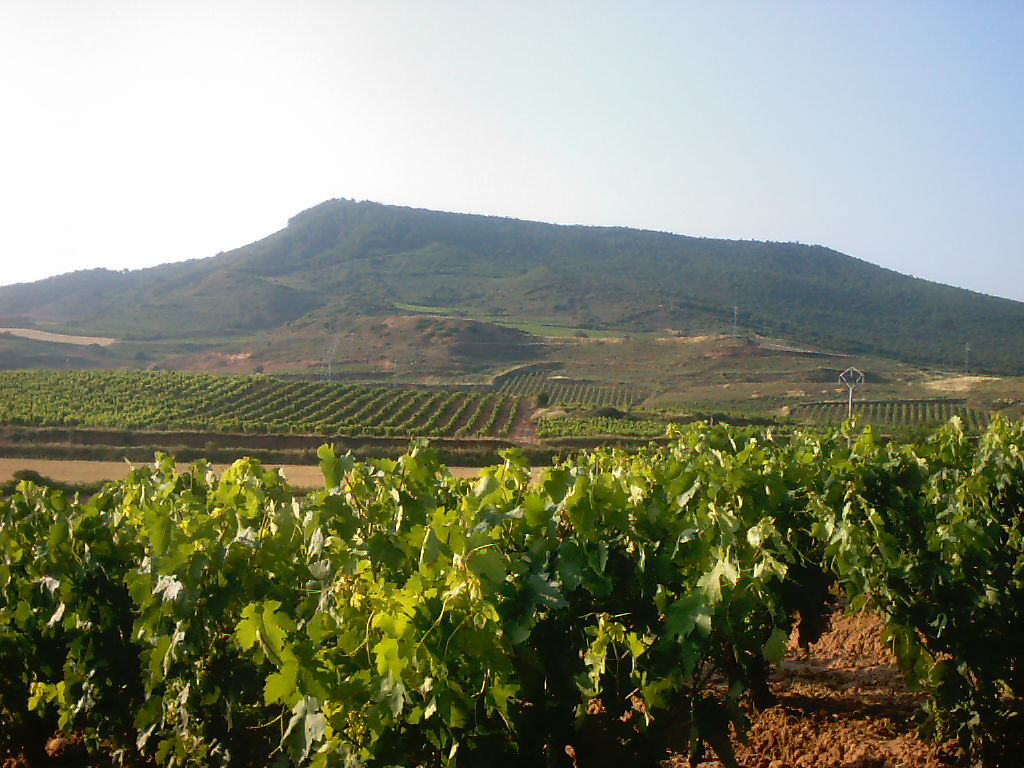
Tourism in Manjarrés means approaching one of those very small settlements that still survive on the hills around Nájera, in La Rioja. The village stands on a modest rise that opens out over the Najerilla valley. Fewer than a hundred people live here, with the population hovering around 97 residents, and the surroundings are almost entirely given over to vineyards and cereal fields.
The built area is compact. A short walk is enough to understand how the place has always functioned: agriculture as the backbone, wind sweeping across the higher ground, and a network of rural tracks linking Manjarrés to neighbouring villages. It is a place where geography and daily life still line up very closely.
The Church of the Asunción and the village layout
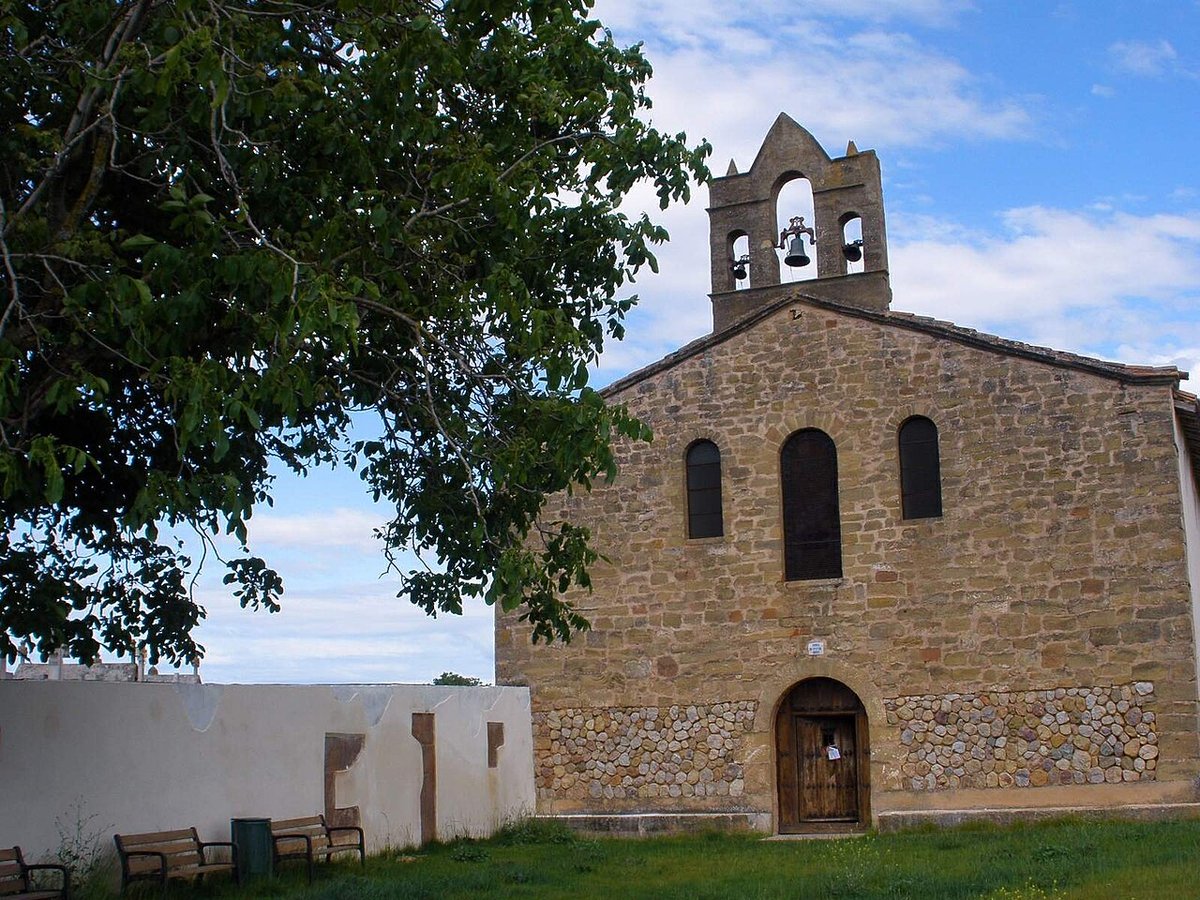
The main reference point is the parish church of the Asunción. It rises at the centre of the settlement and effectively organises the few streets that cluster around it. Like many buildings in very small villages, it has undergone several alterations over time. Each generation has repaired or adapted what it could, leaving a structure shaped by gradual change rather than a single plan.
Inside, the space is simple. There is a modest altarpiece, and the overall feel is more practical than monumental. The importance of the church also lies in its position. From here, there is a clear view over the small cluster of houses and the access routes that climb up from the valley below.
The houses themselves combine different materials and periods. Stone and adobe sit alongside more recent updates. Some façades still preserve cut-stone doorways or iron balconies, while others show newer additions. This mix offers a direct glimpse into the village’s recent past, where continuity and adaptation sit side by side.
Open land and wide views
Just beyond the edge of the village, the landscape opens out into the rolling hills that define this part of the Nájera area. Agricultural tracks run between vineyards and cereal fields, forming a loose grid across the terrain. On clear days, a darker line appears to the south: the Sierra de la Demanda, visible on the horizon.
This is an exposed setting. Shade is scarce, and the wind is often noticeable on higher ground. In return, the views are wide and uninterrupted. From several points around Manjarrés, it becomes easy to grasp how these small hilltop villages relate to the Najerilla valley below, where the main routes of communication are concentrated.
The contrast between the elevated settlement and the busier valley helps explain the area’s structure. The village sits slightly apart, connected yet distinct, with its own rhythm shaped by the land immediately around it.
Agriculture and daily rhythm
Life in Manjarrés remains closely tied to farming. Vine cultivation plays a significant role in the area, alongside cereal plots and small vegetable gardens. Seasonal changes are visible in the fields and in the level of activity along the tracks.
During the grape harvest, movement increases noticeably. Tractors pass along the rural paths, trailers carry loads from the vineyards, and people work out in the fields. At other times of year, the pace slows. The village becomes quieter, with fewer visible signs of activity outdoors.
Many residents travel to larger towns in the Nájera area for everyday services. This shapes how the village functions. It is less a conventional tourist destination and more a place of residence and agricultural work, where daily life continues with a steady, unhurried rhythm.
A short walk through the village
The size of Manjarrés makes it easy to explore without rushing. A complete walk through the settlement and its immediate surroundings takes less than an hour. A simple route circles the church and follows the streets that lead towards the edges of the built area.
From these outer points, the surrounding plots come into clear view. The fields form a close boundary around the village, reinforcing the sense that the settlement and the land are tightly linked.
A nearby agricultural track allows for a slight climb in elevation. From there, the whole village can be seen at once: a compact group of houses sitting on the hill, encircled by vineyards that define this part of La Rioja. The layout becomes especially clear from this perspective, with the church at the centre and the fields stretching outward.
What to keep in mind before visiting
Manjarrés is a very small settlement. There are no major monuments or a large historic ensemble. Its interest lies less in individual buildings and more in its context: the relationship with the agricultural landscape and its place within the network of villages around Nájera.
It works best as a brief stop within a wider route through the Najerilla valley. The village and its surroundings can be understood quickly, without the need to set aside much time. The appeal comes from observing how the place fits into its environment rather than from a long list of sights.
Getting there and choosing when to go
From Logroño, the usual approach is to head towards Nájera and then take a local road that climbs up to the village. The final stretch crosses gently undulating terrain, with the rises and dips typical of this area.
Spring and autumn tend to show the agricultural landscape at its most varied. Summer brings stronger heat in the middle of the day, as the village is quite exposed. Parking is generally straightforward, though it is best to leave the car at the entrances to the village and avoid blocking access to fields or homes.
Manjarrés does not try to stand out. Its character comes from its scale, its setting, and the way it continues to function much as it always has. For those passing through the Najerilla valley, it offers a concise look at rural life shaped by land, weather and long-standing patterns of work.