Full Article
about Matute
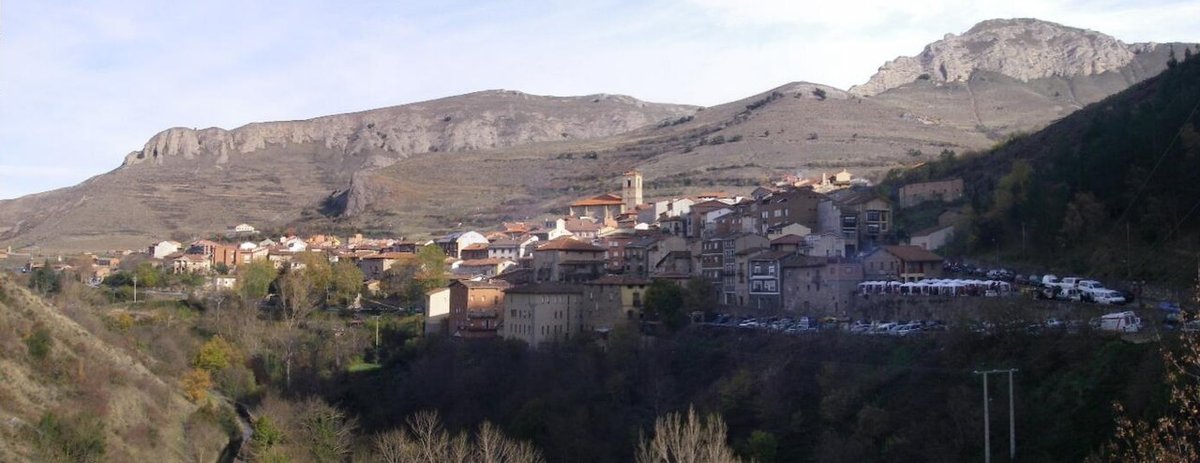
Picturesque village beneath towering red cliffs; known for the Salto del Agua and its trails.
Hide article Read full article
A village that slows you down
Some places are seen in an afternoon and that is that. Others work more like a pause than a visit. Matute, in La Rioja, belongs to the second group. It is a small village where you can walk the centre in a couple of loops and then realise you have spent half an hour looking at a single façade or the shape of the valley.
There are no big monuments or shopping streets here. What you find instead are serious stone houses, thick walls and a sense that daily life continues at its own pace, without much concern for whoever happens to arrive.
San Martín, the village’s anchor
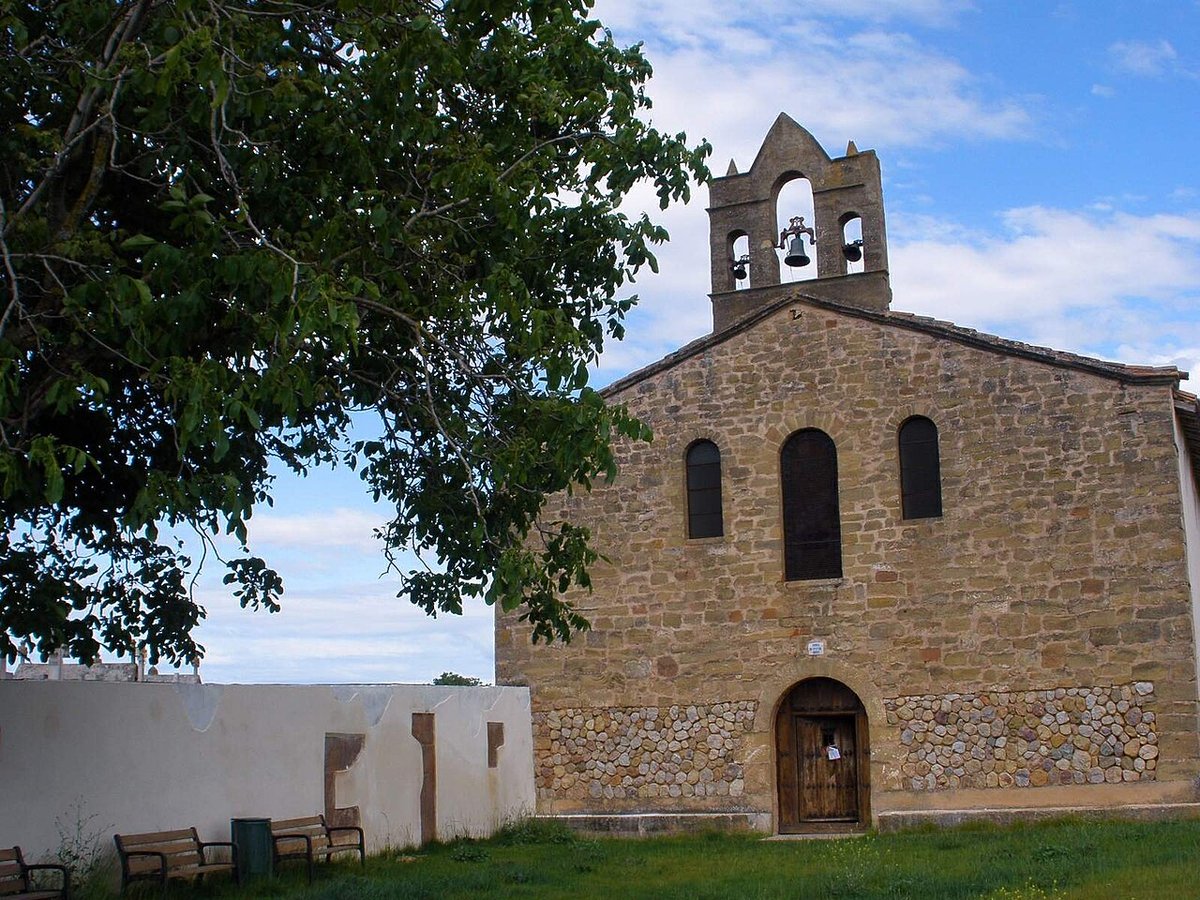
On entering Matute, the first clear landmark is the church of San Martín de Tours. Its square tower rises above the roofs and acts as a simple point of reference.
The building reflects different periods. The base is medieval, and some arches still show Romanesque features, while the upper sections were added later. It is not a grand church. It fits the scale of the village: solid, direct and without excessive decoration.
Around it stand several houses with carved stone coats of arms and old doorways. These are the kind of details that appear when you walk slowly. A worn shield, a date cut into a lintel, a window framed with carefully worked stone. Not everything has been restored or polished, and that is part of its appeal. It feels lived in rather than presented.
Short streets and stone-built life
The centre of Matute is compact and easy to explore. There are only a handful of streets, with small turns between houses that sit close together.
The layout suggests a place built for practical living. Large entrances, thick walls to keep out the winter cold, streets that do not try to impress. They have simply been there for centuries, doing their job.
In several spots you can see blazoned houses, a sign that at certain moments the village had more resources. They do not form a monumental ensemble, but they leave traces of local history. The past appears in fragments rather than in a single statement.
Paths through vineyards and fields
Step beyond the last houses and the landscape changes quickly. Fields open out, with vineyards in some areas and gentle hills around the valley.
From Matute, paths lead towards nearby villages such as Cordovín or Hormilla. These are straightforward rural routes: dirt tracks, occasional muddy stretches after rain and gradual climbs that you begin to feel after a while.
There are no prepared viewpoints or signs at every turn. This is working countryside shaped over generations. You might pass low stone walls, see a tractor parked between plots or notice scrub growing along the edges of the path. It is not curated scenery, but an active landscape.
Traditions that still belong to the village
The patron saint festivities are dedicated to San Martín de Tours and usually take place in November. These are days centred on the local community, with processions and simple gatherings among those who live here or return to the village for the occasion.
In May, Matute also marks the tradition of the Cruces, crosses decorated with flowers. This custom is found in several villages across La Rioja. It is not organised as a visitor attraction, but continues as a shared practice among neighbours.
If you only have a short time
A couple of hours is enough to see the centre without rushing. Walking slowly through the streets, paying attention to the stone doorways and approaching the church gives a clear sense of how the village is organised.
It is also worth stepping out along one of the surrounding paths for a short distance. From there, the view opens onto the valley, with cultivated plots and the village set among them.
A practical note: in summer the sun can be strong and there is little shade outside the built-up area. Early in the day or later in the afternoon tends to be more comfortable. Sturdy footwear is also useful, as the old paths have loose stones and the occasional short incline.
Getting there and staying nearby
Matute lies around 35 kilometres from Logroño, in the area of Nájera. Most people arrive by car, following local roads that cross the valley.
Public transport in this part of La Rioja is usually limited, so it is worth checking options in advance if travelling without a car.
For accommodation, many visitors choose to stay in nearby towns with more services, such as Nájera or other places in the area. From there, Matute is only a short journey away.
Matute does not try to draw attention to itself. It remains a small-scale village with a handful of streets, quiet nights and open countryside around it. Passing through is brief, but it offers a clear glimpse of how many villages in La Rioja continue to function away from the better-known routes.