Full Article
about Tobía
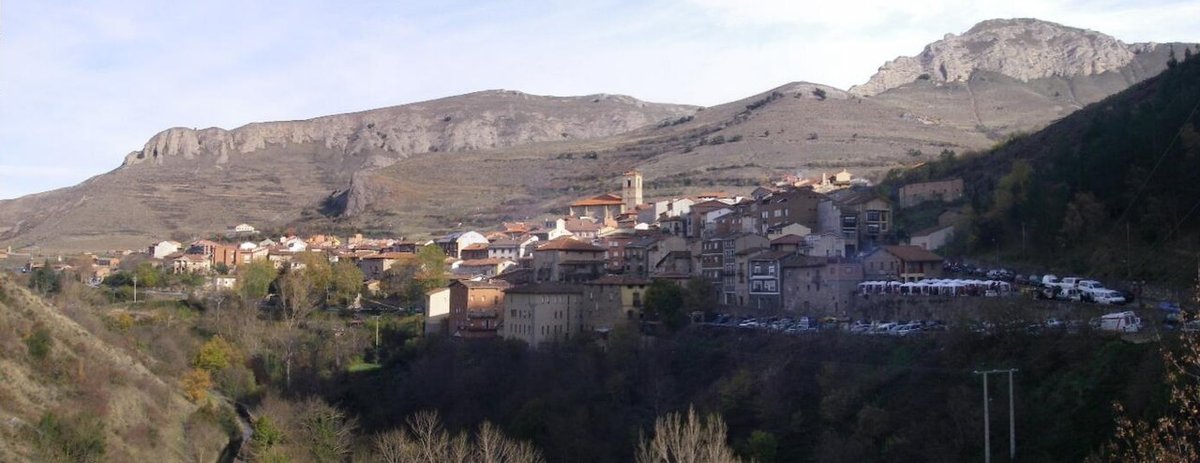
Hidden in the sierra and surrounded by beech forests; known for the Peñas de Tobía.
Hide article Read full article
A small village that slows everything down
Some places feel like those short pauses on a back road, when you stop the car for a moment and realise the silence carries more weight than the engine. Tobía, in the Nájera area of La Rioja, has that effect. It is a very small village, with only a few dozen residents, where little seems to happen. That is precisely why it invites a stop and a short wander.
The village sits just over 700 metres above sea level, surrounded by cereal fields, patches of scrubland and open slopes where the wind moves freely. The houses follow a familiar pattern seen across this part of La Rioja: stone walls, red-tiled roofs and small kitchen gardens tucked alongside homes. There is no need for a map. A brief walk, a couple of turns, and the layout begins to make sense almost immediately.
Santa Columba and everyday life in stone
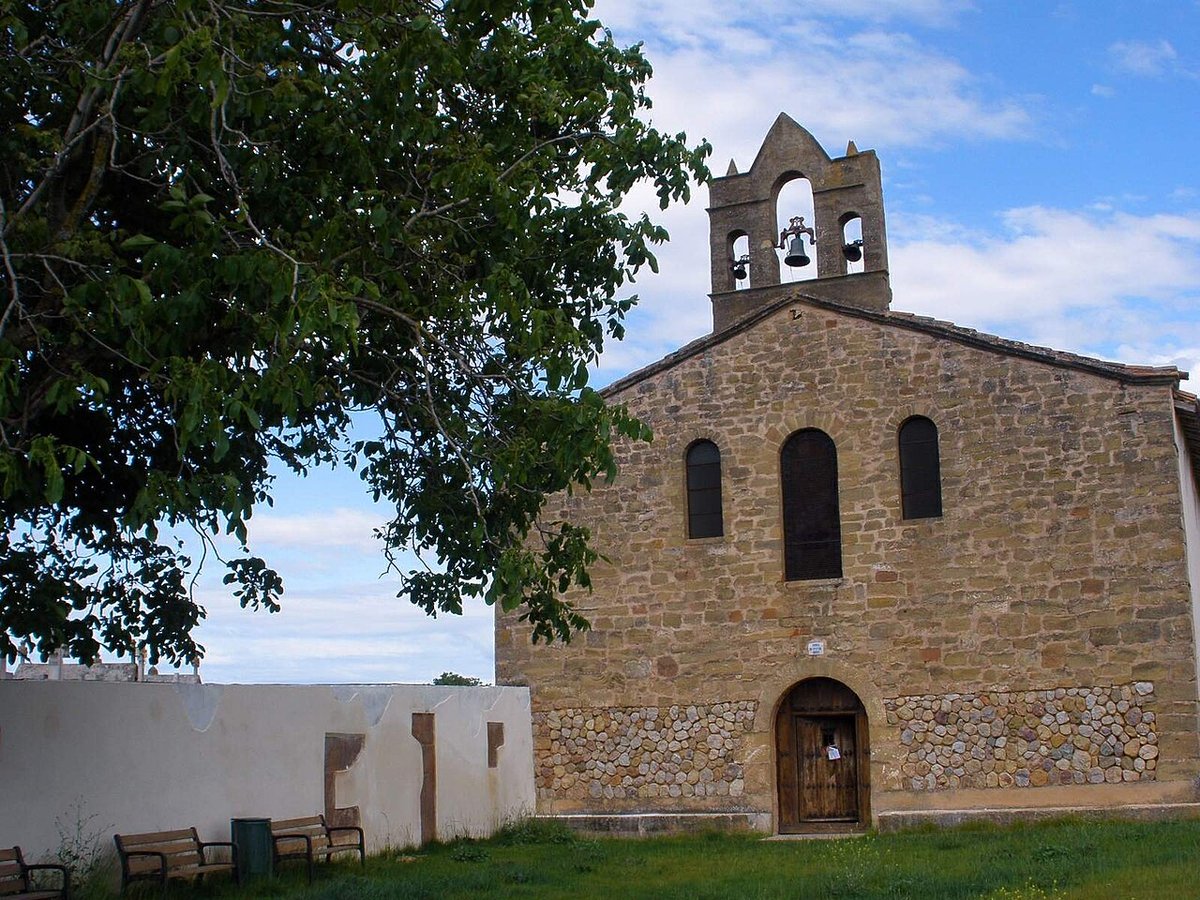
The parish church of Santa Columba is the building that helps you find your bearings. It is neither large nor heavily decorated, yet it has the calm presence typical of rural churches that have stood through generations. Its bell gable rises above the cluster of houses and acts as a clear reference point. If you can see it, you know where the centre is.
The area around the church often becomes a place for conversation when neighbours are outside. This is the kind of slow, unhurried chat that still happens in the street in small villages.
The surrounding houses reveal much about daily life here. Thick masonry walls were built to withstand cold winters. Small sheds once stored farming tools, and courtyards fill with activity during the right season. Some door lintels still carry carved dates or initials. These details are easy to miss if you rush through, but they quietly record the passage of time.
Walking beyond the village
Much of what makes Tobía interesting begins once you step beyond the village centre. The surrounding area is crossed by farm tracks and paths that wind between fields and small patches of woodland. These are not marked hiking routes designed for visitors. They are working paths, used for agriculture, yet open to anyone willing to walk them with a bit of common sense.
Walks here often bring small discoveries. Animal tracks sometimes appear along the way, with roe deer or wild boar known to move through the area. After several days of rain, streams may carry more water than usual. The landscape shifts with the seasons. Summer turns the fields dry and golden, while spring creates a sharper contrast with fresh green tones.
A long excursion is not necessary. A gentle walk lasting an hour or two is enough to form a clear impression of the surroundings and the rhythm of the land.
Choosing the right moment to visit
Spring and autumn tend to be the most comfortable seasons for walking around Tobía. Temperatures are moderate, and the paths are usually in better condition than during the colder months.
Winter brings noticeable cold, especially when the wind picks up. Some stretches of path can become awkward after several days of rain. Summer has its own challenges, as the midday sun can be intense across the open terrain.
Visitors with limited time can simply stroll along the main street and the edges of the village. This takes less than an hour and still offers a sense of the place. From the outskirts, there are small vantage points where the valley and the patchwork of surrounding fields come into view.
A place that leaves a quiet impression
Tobía is not defined by monuments or a packed itinerary. There are no museums and little activity designed specifically for visitors. Life here revolves more around the countryside and the everyday routines of the village.
For that reason, many people treat it as a short stop while travelling through the Nájera area or visiting nearby villages. The experience is simple: arrive, walk for a while, notice the quiet, and then continue the journey.
That quiet is perhaps the most distinctive feature. It is not absolute silence, but something close enough to be felt. It lingers in the streets, in the fields, and in the pauses between sounds.
Getting there without fuss
Tobía is reached by local roads from Nájera and other nearby villages. The drive is short and straightforward, passing through farmland and small settlements. Travelling by car is the most practical option, as public transport in this area is very limited.
Parking within the village is uncomplicated. Anyone planning to walk beyond the centre should bring comfortable footwear and some water. Services such as shops or bars are not always open, and distances between villages can feel longer than they appear on a map.
Tobía does not try to impress. It offers something simpler: a brief walk, a look around, and a quick understanding of how life unfolds in a small village in this part of La Rioja. For many, that is more than enough.