Full Article
about Tricio
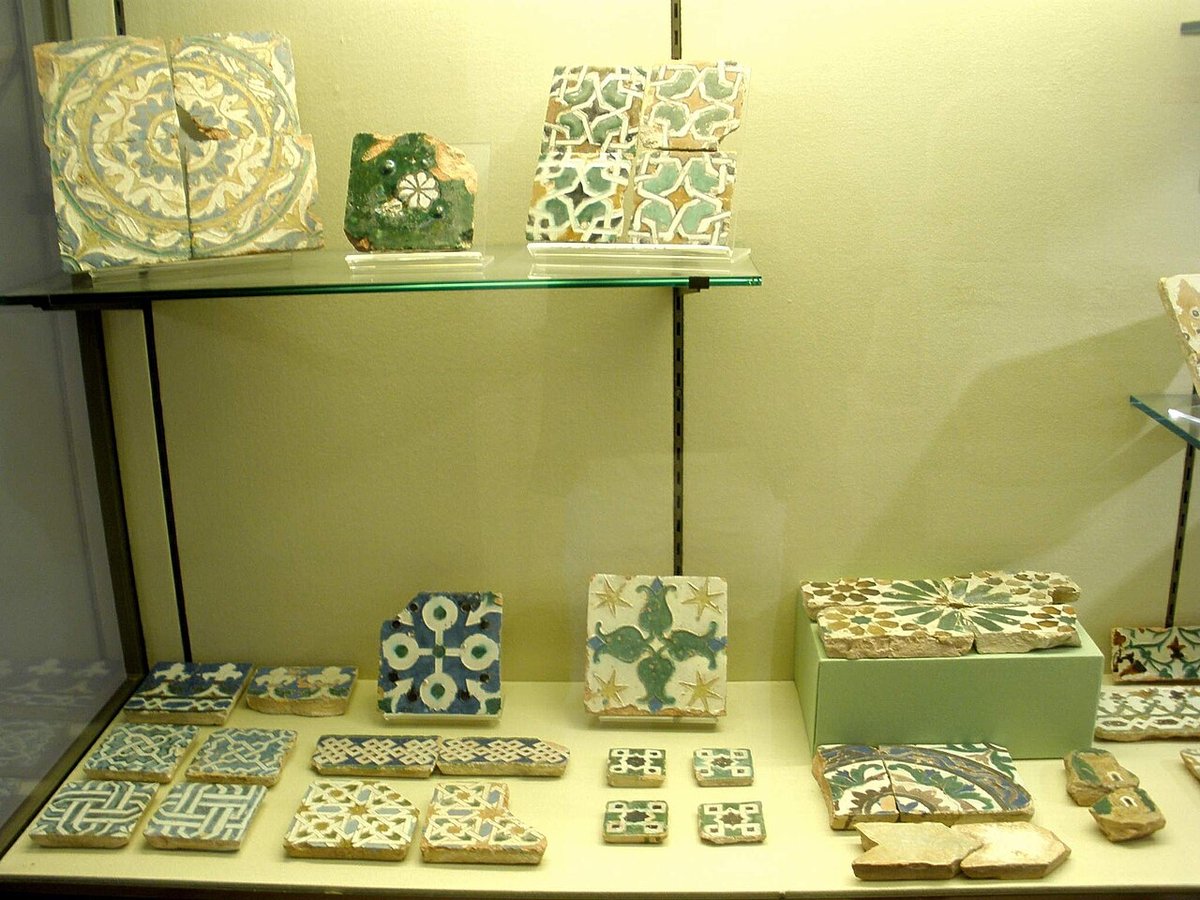
Historic Roman Tritium Magallum; known for its pottery and Paleochristian basilica.
Hide article Read full article
A name that goes back to Rome
Tricio sits on a gentle rise above the Najerilla river, a position that made sense two thousand years ago. The Roman settlement of Tritium Megallum was here, a production centre for the pottery that travelled the routes crossing this part of La Rioja. The modern village, home to fewer than four hundred people, uses the same site. The vineyards and cereal fields you see now continue a use of the land that has never really stopped, though the scale of operations has shifted from industrial to mostly local.
San Martín, a 12th-century parish
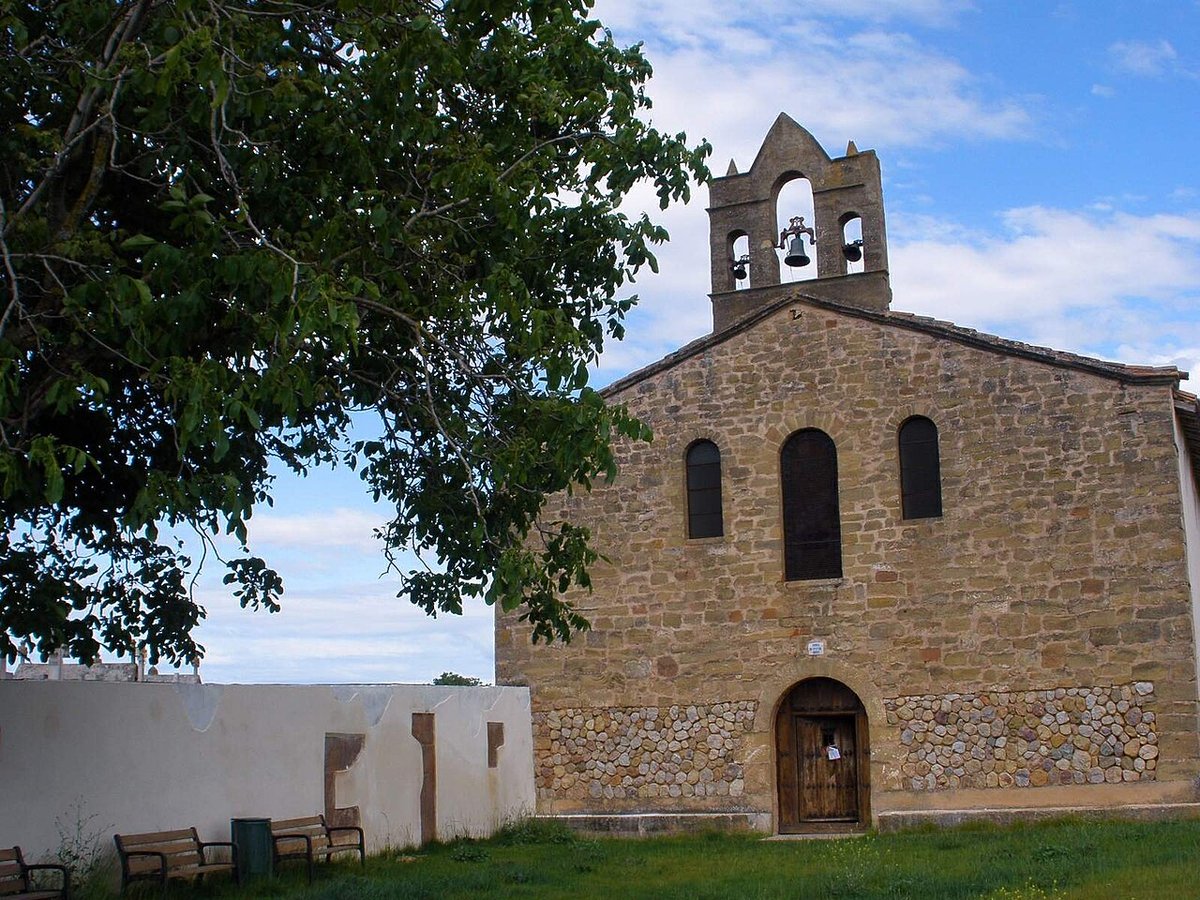
The parish church of San Martín is the village's focal point. Built in the 12th century, its architecture belongs to the wave of Romanesque construction that followed the political and pilgrimage traffic through nearby Nájera. The south doorway is where the period's craftsmanship is most visible. The archivolts and capitals are carved with geometric patterns and stylised figures—common motifs in La Riojan Romanesque, executed here with a certain austerity.
The interior has been adapted over time. A Baroque altarpiece now dominates the view, and later modifications have altered the space. Yet the building’s proportions and thick walls still feel distinctly medieval. It functions less as a museum piece and more as a physical record of the village's place in the medieval reorganization of this valley.
A village built over pottery kilns
Tricio’s layout is compact, a cluster of stone houses and wide doorways designed for farm carts. Some façades still show carved coats of arms. It is a practical place, not a preserved set. Its particular interest lies underground: this was the core of the Roman pottery industry. Archaeological surveys have documented kilns and workshops beneath and around the current streets. You won't see them on a casual walk, but this history explains why the site was important and why it appears so frequently in studies of Roman Hispania. The village literally rests on its ancient economic reason for being.
Paths into the agricultural land
Leaving the last houses behind, the paved street quickly turns to dirt. These are agricultural tracks, not waymarked hiking trails. They follow property lines and irrigation channels, used by locals to reach their plots. The walking is easy, with open views across the valley floor where the pattern of vines and wheat changes with the season. Remember you are crossing working land; sticking to the obvious paths is a matter of respect. The value of the walk is in seeing how immediately the village's life extends into these fields.
Timing and context for a visit
You can walk Tricio's streets, see the church, and follow a track into the fields in well under two hours. That is sufficient. The visit gains depth when paired with an understanding of the Roman context—knowing what was here before frames what you see now. It works best as a brief stop within a wider exploration of the Najerilla valley, where several villages share this layered history of Roman activity and medieval settlement atop it.
Getting there and what to know
Tricio is about a thirty-minute drive from Logroño, along the LR-113 road towards Nájera. You can park without issue on the main street or at the village entrance. In summer, the sun on the surrounding tracks is intense with little shade; mornings or late afternoons are more comfortable. The village has no tourist infrastructure to speak of, which suits its quiet, unassuming character.