Full Article
about Uruñuela
Wine-growing municipality in the Najerilla valley, home to major wineries and cooperatives.
Hide article Read full article
A village shaped by vines
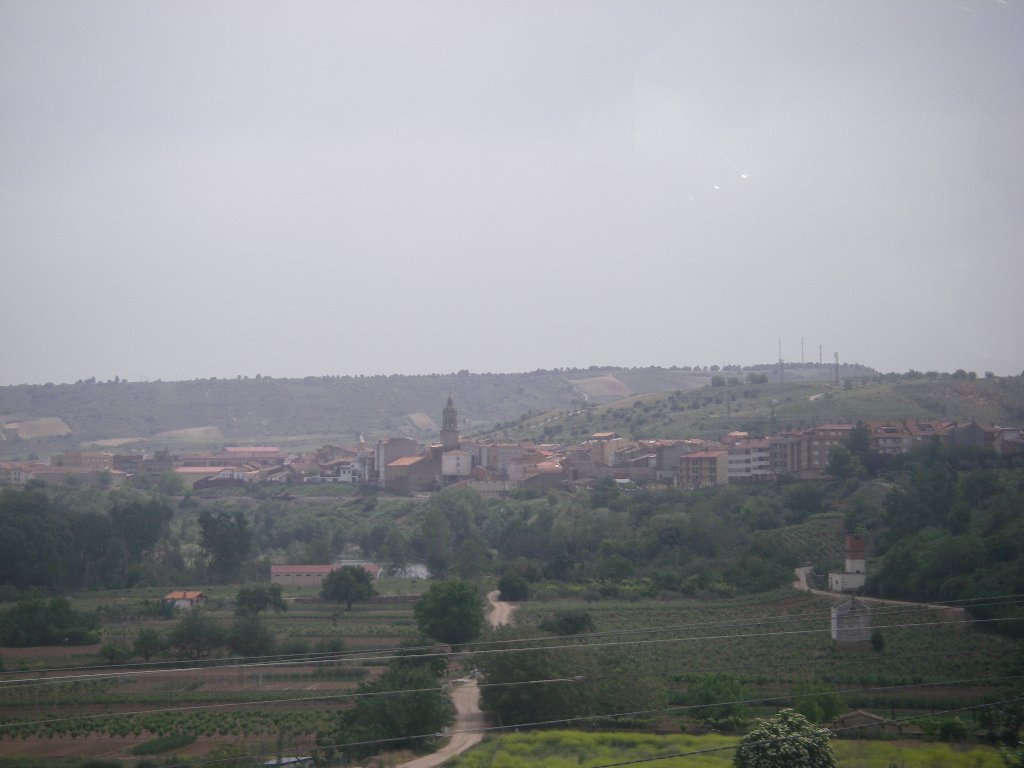
Uruñuela, in the comarca of Nájera in La Rioja, sits along a stretch of valley where vineyards dominate almost everything in sight. The landscape here is inseparable from wine growing. Neatly arranged plots, farm tracks and low rises define the view, all oriented towards the wider Ebro valley.
With just over a thousand residents, the pace of life remains closely tied to the agricultural calendar. The vineyard sets the rhythm, from the early stages of growth to the harvest. It is not a backdrop but the main structure around which the place operates.
The setting helps explain this connection. The surrounding slopes are gentle enough to cultivate yet varied enough to create a patchwork of plots. Movement between village and fields is constant, and the boundaries between both feel fluid rather than fixed.
Streets that lead back to the church
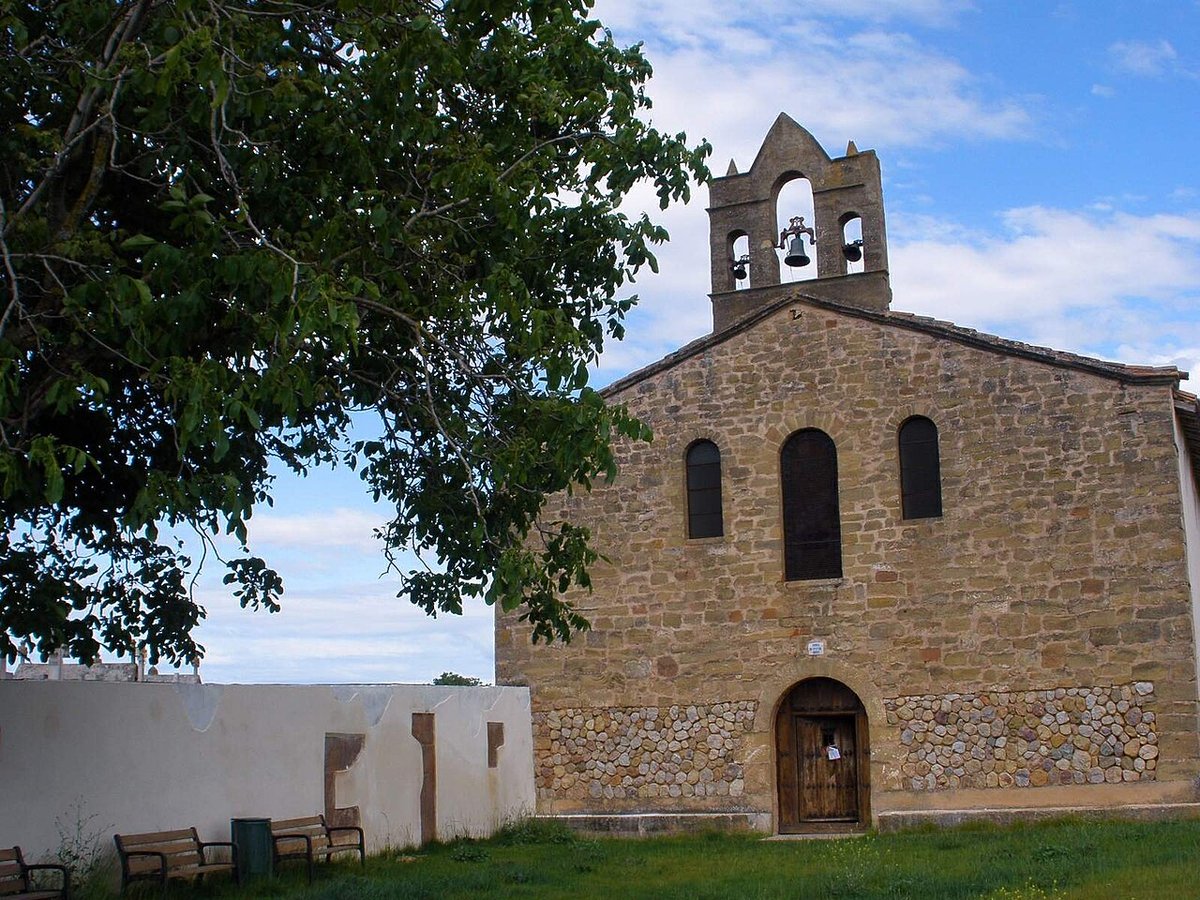
The centre of Uruñuela is organised around the church of Santa María. Its origins go back to the medieval period, although the building seen today reflects centuries of change. Layers of construction are visible in its sandstone walls, in features that hint at Romanesque design and in later additions that correspond to the usual repairs and enlargements found in rural churches.
Rather than standing apart as a monumental site, the church acts as a reference point. Streets extend from its surroundings and adjust to the terrain, creating narrow stretches and irregular alignments. Houses line these routes with wooden gateways and coats of arms set into their façades.
Many of these buildings date from the 17th and 18th centuries, a time when wine had already become central to the local economy. The architecture reflects that period without turning it into a display. It is simply the fabric of the village as it developed alongside vineyard work.
Walking through the centre is less about identifying individual landmarks and more about noticing how everything connects back to this core. The layout feels practical, shaped by use rather than design, and still follows patterns that were established generations ago.
Underground cellars in the hillside
Across different parts of the village, low doors appear at ground level, sometimes easy to miss. These lead to underground cellars, excavated directly into the earth. Traditionally, they were used to maintain a stable temperature throughout the year, a practical solution for storing and working with wine.
This system is common across wine-producing areas of La Rioja, and Uruñuela is no exception. The caves form a hidden layer beneath the surface, tied closely to everyday life rather than presented as attractions.
Some of these cellars are still in use. They are not designed for visitors, and many remain private. A closed door generally indicates a family-owned space, still functioning as part of the village’s working environment.
Their presence adds another dimension to Uruñuela. While the vineyards are visible and expansive, the cellars are discreet, almost concealed. Together they show two sides of the same activity, one above ground and one below.
Vineyards at the village edge
From the highest points of the built-up area, the agricultural surroundings come into view clearly. Nearby slopes are covered in vines, and on clear days the mountain ranges that frame the valley can be seen in the distance.
Stepping out along any of the paths that leave the village quickly leads into this setting. There is no need for a long route. Within minutes, vineyard plots appear alongside small service tracks and scattered agricultural huts.
These elements explain how the land is used. The paths connect parcels, the huts support daily work, and the vineyards themselves define the territory. It is a working landscape, not arranged for display.
The visual character changes noticeably with the seasons. In spring, the first shoots emerge and bring a fresh green tone to the fields. In autumn, the harvest takes place and the leaves shift in colour, marking the end of the cycle. Both moments are closely linked to the agricultural rhythm that shapes the area.
Wine work and occasional visits
Around Uruñuela there are family-run wineries that sometimes organise visits or tastings. These are not always scheduled in a regular way. Many operate primarily as working spaces, so checking in advance is often necessary.
When visits do take place, they tend to focus on the process itself. Attention is given to how grapes are grown, how they are turned into wine, and what distinguishes different varieties and methods of production.
This approach reflects the broader character of the area. Wine is not presented as a spectacle but as an activity grounded in daily work. The emphasis remains on understanding rather than entertainment.
A quiet visit with a wider context
Uruñuela can be explored at an unhurried pace in under an hour. The interest lies less in ticking off specific sights and more in observing the whole: how the village, the cellars and the vineyards relate to each other.
During summer, midday heat can be intense, making early morning or late afternoon more comfortable times to walk. In areas with cellars or along agricultural paths, a certain level of discretion is expected. Many of these spaces are still actively used.
The village often forms part of a broader route through this part of La Rioja. Nearby places such as Nájera, Cenicero or San Asensio share similar connections to wine and the agricultural landscape. Together, they offer a clearer sense of how this region functions, with vineyards not just as scenery but as the foundation of local life.