Full Article
about Villar de Torre
Village at the head of the Tuerto River; gateway to the sierra.
Ocultar artículo Leer artículo completo
The church bell tolls twelve times and nobody appears. In Villar de Torre, 766 metres above the Najerilla valley, midday is a private affair conducted behind thick stone walls. The village’s 162 inhabitants are finishing lunch, shutters closed against the July sun that turns the surrounding wheat fields the colour of burnt toast. A single stork circles overhead, the only movement in a landscape designed for stillness.
Stone, Sky and Silence
At this altitude the air carries a clarity that makes distances deceptive. What looks a gentle stroll to the next ridge takes forty minutes; the cereal plain stretches farther than the eye assumes. The village sits on a modest rise, enough to survey the patchwork of barley, wheat and fallow that defines the Riojan landscape. No dramatic peaks here – the nearest serious climb is the 1,100-metre Loma del Cuerno three kilometres west – but the elevation still delivers a climate distinct from the Ebro valley below. Frost can bite well into April; August nights drop to 14°C, perfect for sleeping without the air-conditioning that coastal Spain demands.
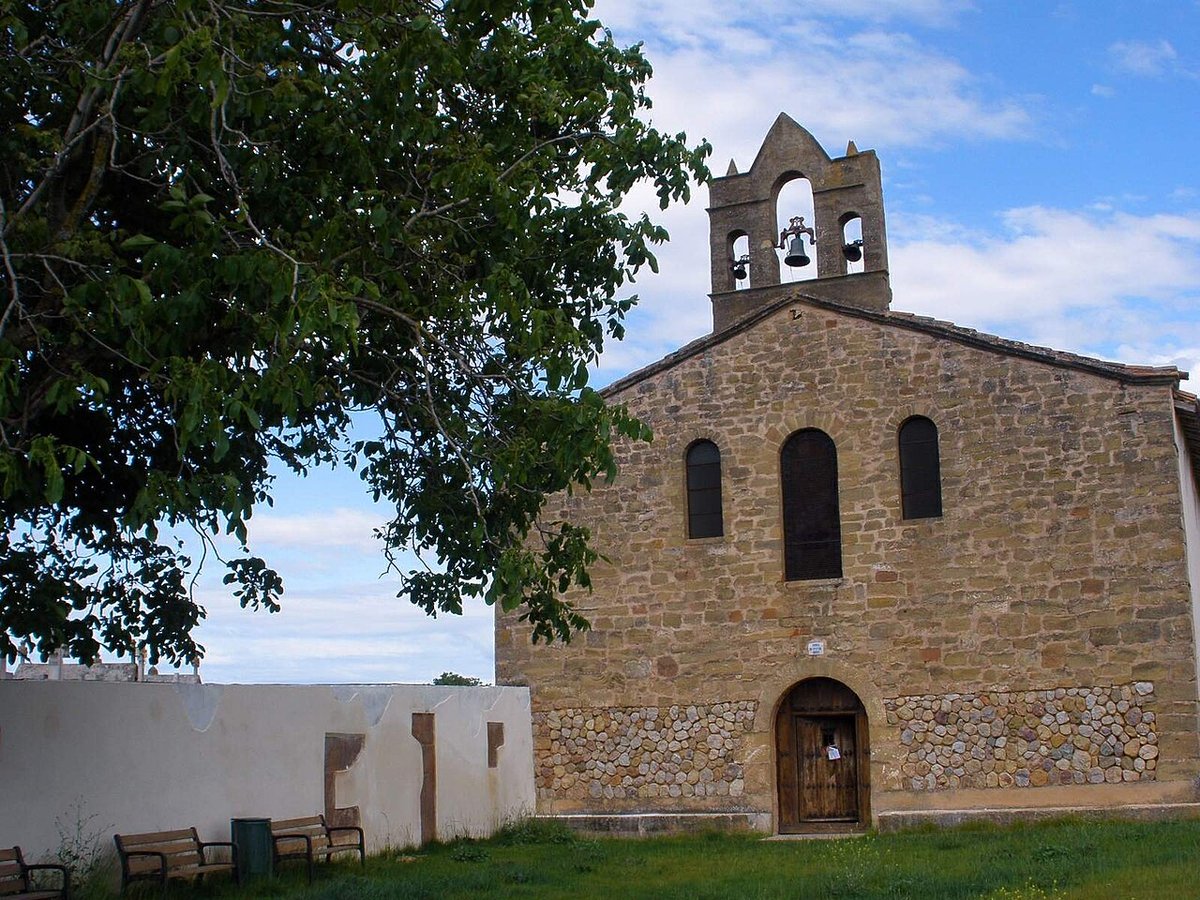
The architecture reflects these temperature swings. Houses are built tight, two storeys of ochre stone with tiny windows on the north face, generous wooden balconies to the south. Roof tiles are weighted with stones against the cierzo, the north wind that barrels across the Meseta. Even the parish church of San Andrés, begun in 1623, squats low rather than towers; its squat bell-tower is more defensive than decorative. Inside, the temperature stays a constant cool 16°C year-round – welcome after any walk.
Walking Without a Map
Forget way-marked trails. Villar de Torre operates on an older system: agricultural tracks that link caseríos (isolated farmsteads) to the village. Pick any lane that forks past the last house and within ten minutes you’re between hedgerows of dog-rose and hawthorn, larks rising from the wheat. The most satisfying circuit heads south-east towards the ruins of Ermita de Santa Lucía, abandoned during the 1833 desamortización. The chapel shell appears suddenly on a knoll, glassless windows framing the same view monks watched 400 years ago. Allow ninety minutes there and back; carry water – the only bar in the village opens at 20:00 and not a minute sooner.
Spring brings green wheat rippling like the sea; by late June the colour shifts to gold and the headers start work at dawn to beat the heat. Autumn adds red poppies among the stubble, plus the occasional seta (wild mushroom) if September rains arrive. Winter strips everything back: the village becomes a charcoal sketch against bleached grass, and you’ll meet more tractors than people. Snow is rare but possible; the LR-404 from Nájera becomes entertainingly slippery, so pack chains if visiting between December and February.
What Passes for Cuisine
There is no restaurant. There isn’t even a shop. The economic engine here is agriculture, not tourism, so eating means either self-catering or befriending locals. The weekly bread van arrives Tuesday and Friday at 11:00 (honk heard across the village), selling barra for €1.20 and chapata at €1.50. Milk and tinned goods come courtesy of the same white van that serves five neighbouring villages; catch it or go without.
Evenings, the sociedad (private members’ bar) opens for card games and cañas. Technically members-only, visitors are tolerated if they buy a round and don’t photograph the jamón leg swinging behind the counter. A caña of Cruzcampo costs €1.80; a tostada with tomato and anchovy €3.50. The menu never changes because the ingredients arrive in villagers’ freezers after the autumn slaughter. Expect cordero al chilindrón (lamb with pepper and tomato), patatas a la riojana with proper chorizo, and in spring, pochas (fresh white beans) stewed with morcilla. Vegetarians should plan ahead.
Staying the Night
Accommodation is limited to two options. La Casa de Villar sleeps eight in a restored 1850s house at the upper edge of the village. It has under-floor heating, a hot-tub on the terrace and picture windows that make the cereal plain look like a Van Gogh painting. Mid-season price is €180 per night for the whole house (three nights minimum), dropping to €120 in January. The owners, based in Logroño, email a door code and leave a bottle of crianza on the table – service by absence, ideal for misanthropes.
Alternatively, ask at the ayuntamiento for the key to the albergue municipal. Four bunk beds, a kettle and shared bathroom cost €10, but you must track down the caretaker, Doña Pilar, who is usually in her vegetable plot behind the church. Bring a sleeping bag; heating is a single electric radiator that struggles against stone walls two feet thick.
Getting There, Getting Away
No train comes within 30 km. From the UK the least painful route is Stansted to Bilbao with Ryanair or EasyJet (2 hrs 15 mins), then a hire car north on the AP-68 and A-12 to Nájera (75 minutes). From Nájera the LR-404 winds 12 km south through presa (dam) country; the final approach climbs 200 metres in tight S-bends – meet a combine harvester and you’re reversing. Buses run Monday, Wednesday and Friday at 07:00 from Nájera, returning 14:00, which gives you a six-hour window. Miss it and a taxi costs €35.
Car rental from Bilbao airport starts at €28 per day in winter, €55 in August; book early for festival weekends when half of Vitoria descends on family villages. Petrol is cheaper than the UK but motorway tolls add €12 each way – budget accordingly.
When the Silence Breaks
Visit during the Fiesta de San Andrés (30 November) and the population quintuples. A chupinazo (firework) at midday launches caldo (beef-bone broth) in the square, followed by encierros of heifers through the main street. It’s San Fermín in miniature, with fewer selfies and more bandaged arms. The village peña (social club) cooks 300 kg of potatoes and 60 litres of Rioja in a cauldron stirred with an oar; portions cost €5, cash only, and they run out by 15:00.
The other date to note is 21 May, Día de la Santa Cruz, when women in black mantillas carry a 17th-century cross to the fields for a short mass. Afterward everyone walks back behind a brass band that plays pasodobles slightly out of tune. Visitors are handed limonada (cheap white wine with lemon) and expected to donate coins toward next year’s flowers. Refuse and you’ll be labelled agarrado (tight-fisted) for the remainder of your stay.
Parting Shots
Villar de Torre will not change your life. It offers no souvenir shops, no Michelin stars, no Instagram moments unless you count wheat rippling like water. What it does provide is a calibration point – a place where the day is measured by shadow length and conversations last exactly as long as a caña. Come prepared to slow down, or don’t come at all. Bring walking boots, a phrasebook and enough cash for the bread van. Leave behind any expectation of being entertained; entertainment here is self-generated, like the stork that keeps circling simply because it can.