Full Article
about Baños de Rioja
Small municipality with a medieval tower turned into lodging; quiet farming surroundings.
Hide article Read full article
A village that fits in a glance
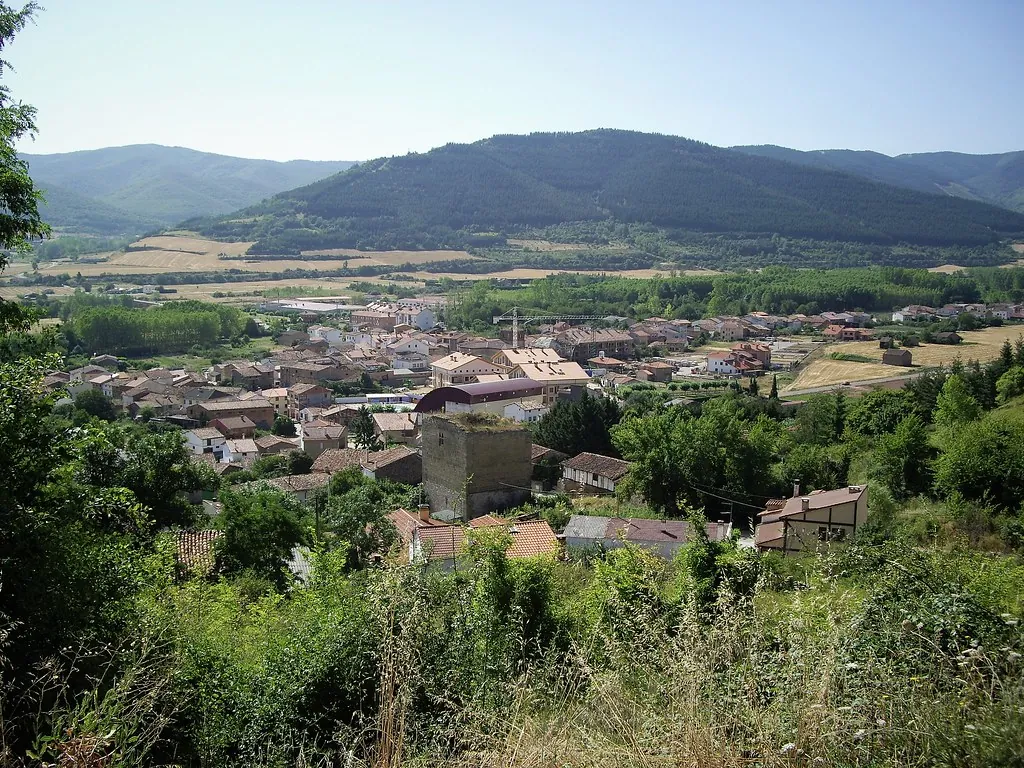
Baños de Rioja feels like the sort of place you reach by turning off the road on a whim, just to see what’s there. You pull up beside the fountain in the square, look around, and quickly realise you can take in almost the entire village at once. Fewer than a hundred residents, stone houses, short streets and a noticeable quiet define the setting.
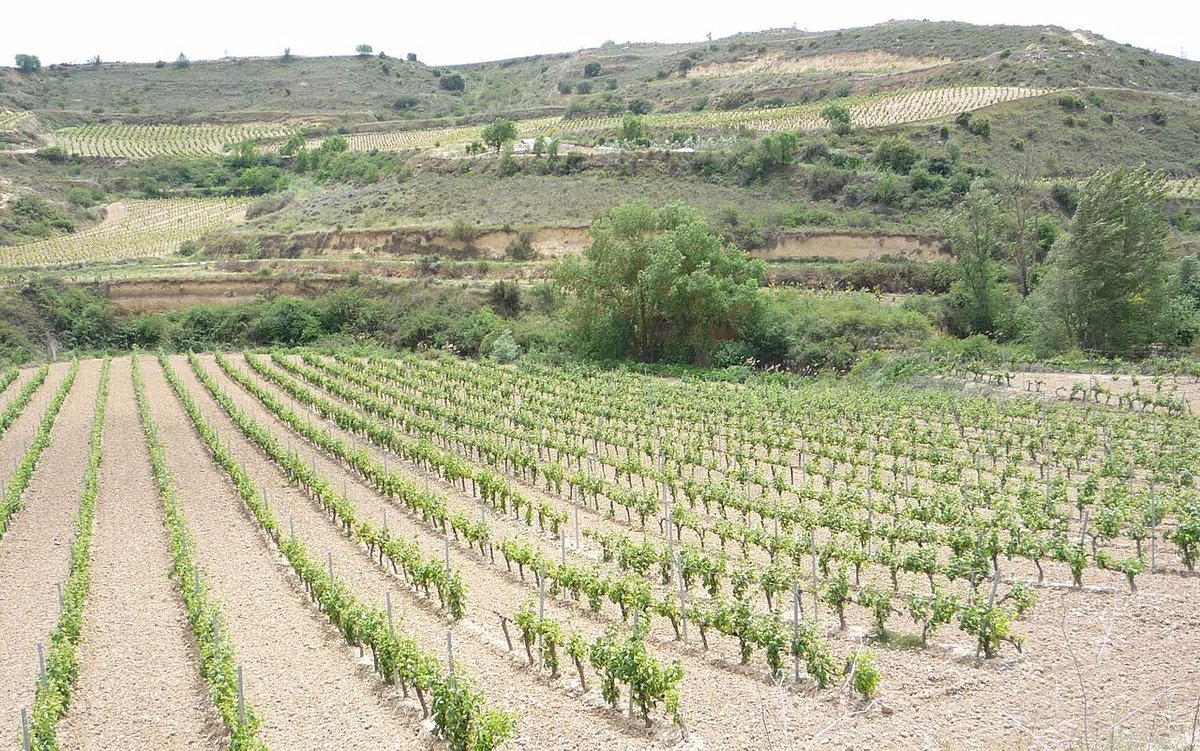
It sits in the Oja Valley at around 540 metres above sea level, surrounded by farmland that shifts with the seasons. In winter the tones lean towards grey and brown. When spring arrives, the fields begin to lighten and the landscape opens up, giving everything a softer, more spacious feel.
There’s no need for planning or a detailed map here. The visit is simple and unhurried, more of a short wander than a sightseeing mission. A few steps through the streets, a glance at the façades, perhaps a look inside the church if it happens to be open. Baños de Rioja works on that scale: small, quiet and without much staging.
The church and the cluster of houses
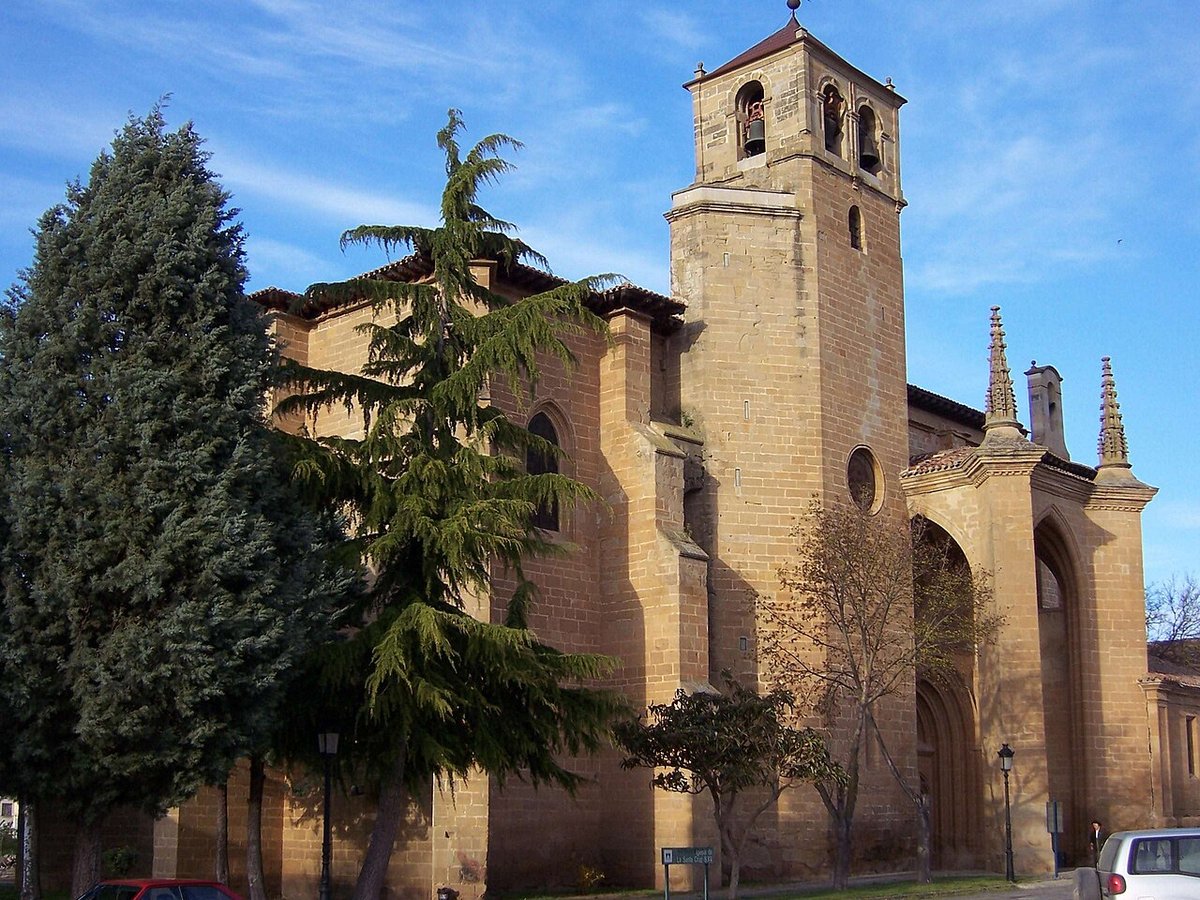
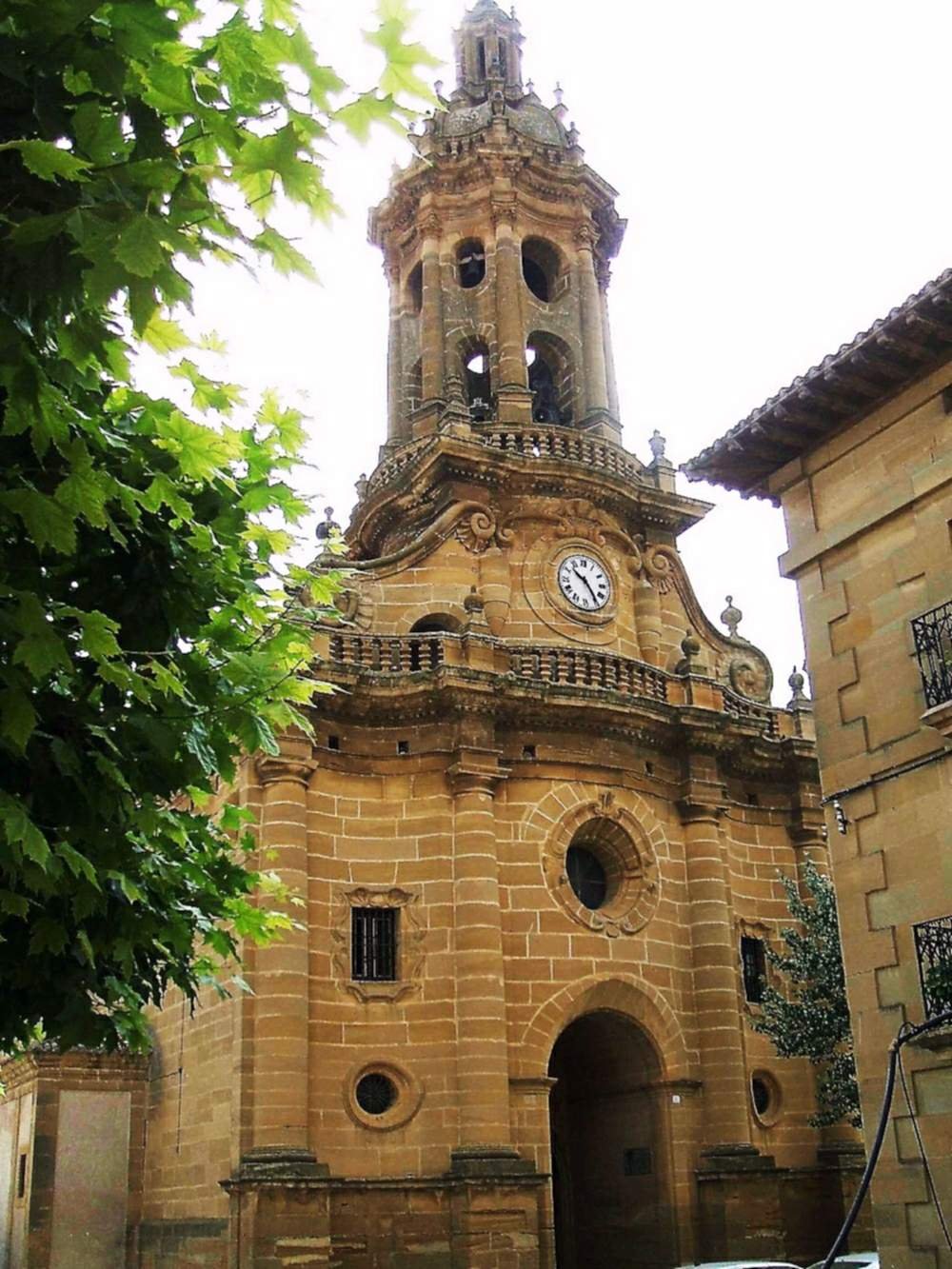
The building that stands out most is the parish church of San Pedro. Its origins date back to the 15th century, though what you see today reflects many different periods due to repairs and alterations over time. The façade mixes older stonework with later additions and keeps decoration to a minimum. It’s a village church, built for everyday use rather than display.
If the door is open, the interior matches expectations for a place like this. Worn wooden pews, a restrained altarpiece, and an atmosphere shaped by long use rather than grandeur. Nothing elaborate, but it carries the sense of a space that has served the same purpose for centuries.
Beyond the church, the village is a compact group of stone houses. Low doorways, simple façades, and occasional carved details in the stonework. Some arches feature coats of arms or markings, small reminders that these villages once saw more movement and activity than they do today. There is no designated route or main tourist street. Everything revolves around the square and a couple of streets that branch out towards the edges.
Step beyond the last houses and the view opens almost immediately. Cereal fields, agricultural plots and a clear horizon stretch out around the village. The silence is only broken now and then by a distant car or the wind moving across the land.
Walking out into the fields
For those who feel like extending the visit, the easiest option is to follow one of the agricultural tracks that leave the village. There are no marked routes or prepared trails, so walking here means keeping things simple and flexible. In practice, that’s not a problem. The terrain is mostly flat and easy to follow.
One track heads west and is mainly used to access farmland. On foot, it’s straightforward, and on clear days it leads you towards the area of the River Oja. The river itself is not always visible from afar, but getting closer can reveal a quiet stretch of bank where it’s possible to sit for a while.
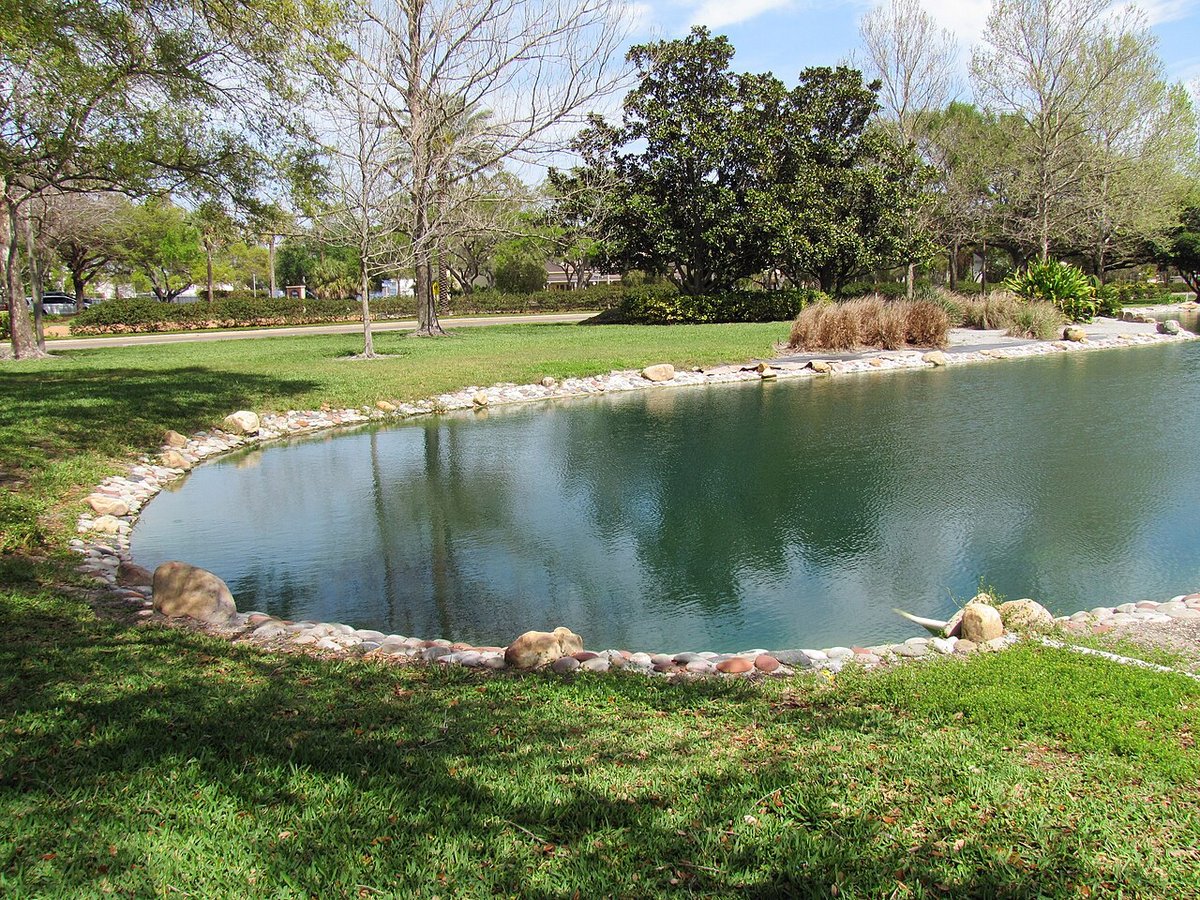
Around the fields there are also small wet areas and irrigation ponds. They are not designed as visitor spots, yet a slow walk can bring small moments of interest. Storks sometimes appear, along with other birds typical of open countryside.
This is not a landscape arranged for sightseeing. It’s working land, shaped by agriculture, and best approached with the understanding that the appeal lies in its simplicity.
A short stop, nothing more
Baños de Rioja is the kind of place you grasp quickly. In twenty or thirty minutes you can walk its main streets, take in the older doorways, step into the church if it’s open, and reach the edge where the fields begin.
If there’s more time to spare, it’s best spent walking a little further into the surrounding countryside or combining the stop with nearby villages in the area of Santo Domingo de la Calzada. Many travellers treat it exactly like that, a brief pause along the way rather than a destination in itself.
And that’s perfectly fine. Baños does not try to be anything else.
When to pass through
Spring is often a good time to walk the surrounding tracks. Temperatures are mild, and the fields begin to shift after winter, bringing a sense of movement back into the landscape.
In autumn the scenery changes again. Once the cereal has been harvested, the land takes on more toasted tones. On clear days, the late afternoon light adds a particular character to the open fields.
Summer calls for a bit of timing. Early morning or late afternoon are the most comfortable moments for walking, as the midday sun can be strong and there is little shade outside the village.
After heavy rain, the dirt tracks become muddy quite quickly. When that happens, any walk is likely to stay within the village itself.
Getting there and parking
Baños de Rioja lies a short distance from Santo Domingo de la Calzada and is reached via local roads that run through farmland. The approach is straightforward, without complicated detours.
Parking is usually as simple as leaving the car near the square or along the edges of the streets. From there, the best option is to continue on foot. There isn’t much else to it.
This is a place where the plan is not about ticking off sights. It’s about stopping for a moment, stretching your legs and looking around. Sometimes that’s enough.