Full Article
about Castañares de Rioja
Municipality beside the Oja river; known for its potato and sugar-beet crops.
Hide article Read full article
Late light in a small village
Towards the end of the day, when the sun drops behind the hills of Rioja Alta, the pale façades of Castañares de Rioja reflect a soft, almost golden light. The village settles into a calm rhythm: a half-open door here, the distant sound of a tractor returning from the fields, and the dry smell of dirt tracks that have spent hours warming under the sun.
Tourism in Castañares de Rioja often begins in this unhurried way. It is a small place, with just over four hundred residents, where daily life remains closely tied to the surrounding land: cereal crops, vineyards and clearly defined seasons. The village sits within the comarca of Santo Domingo de la Calzada, in La Rioja Alta, close to larger towns. Arriving here brings a noticeable change of pace. Streets are short, traffic is rare, and the most regular sound tends to be the church bells marking the hour.
The square and the church of the Natividad
The village square acts as its natural centre. It is neither large nor imposing, yet it gathers together most of what matters: the parish church, a cluster of older houses, and the brief comings and goings of people crossing on everyday errands.
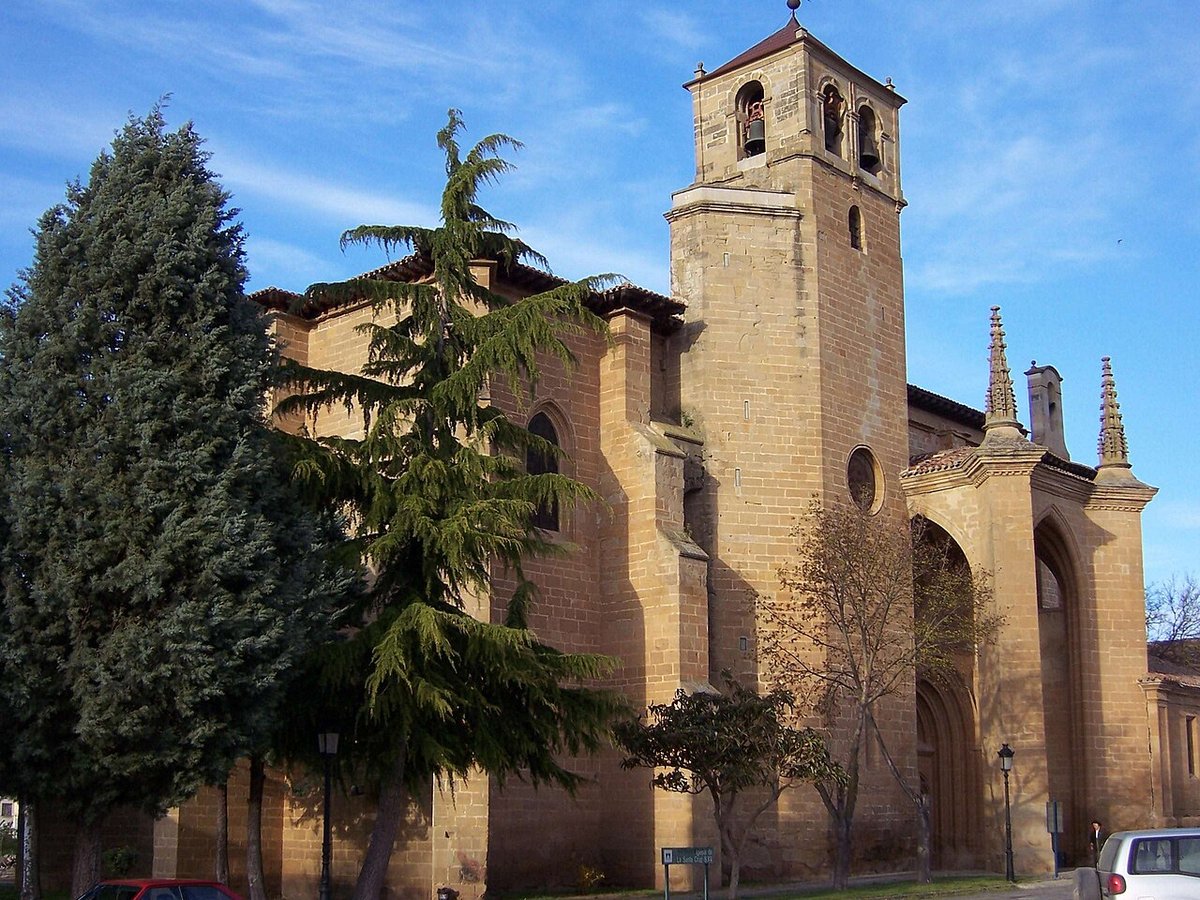
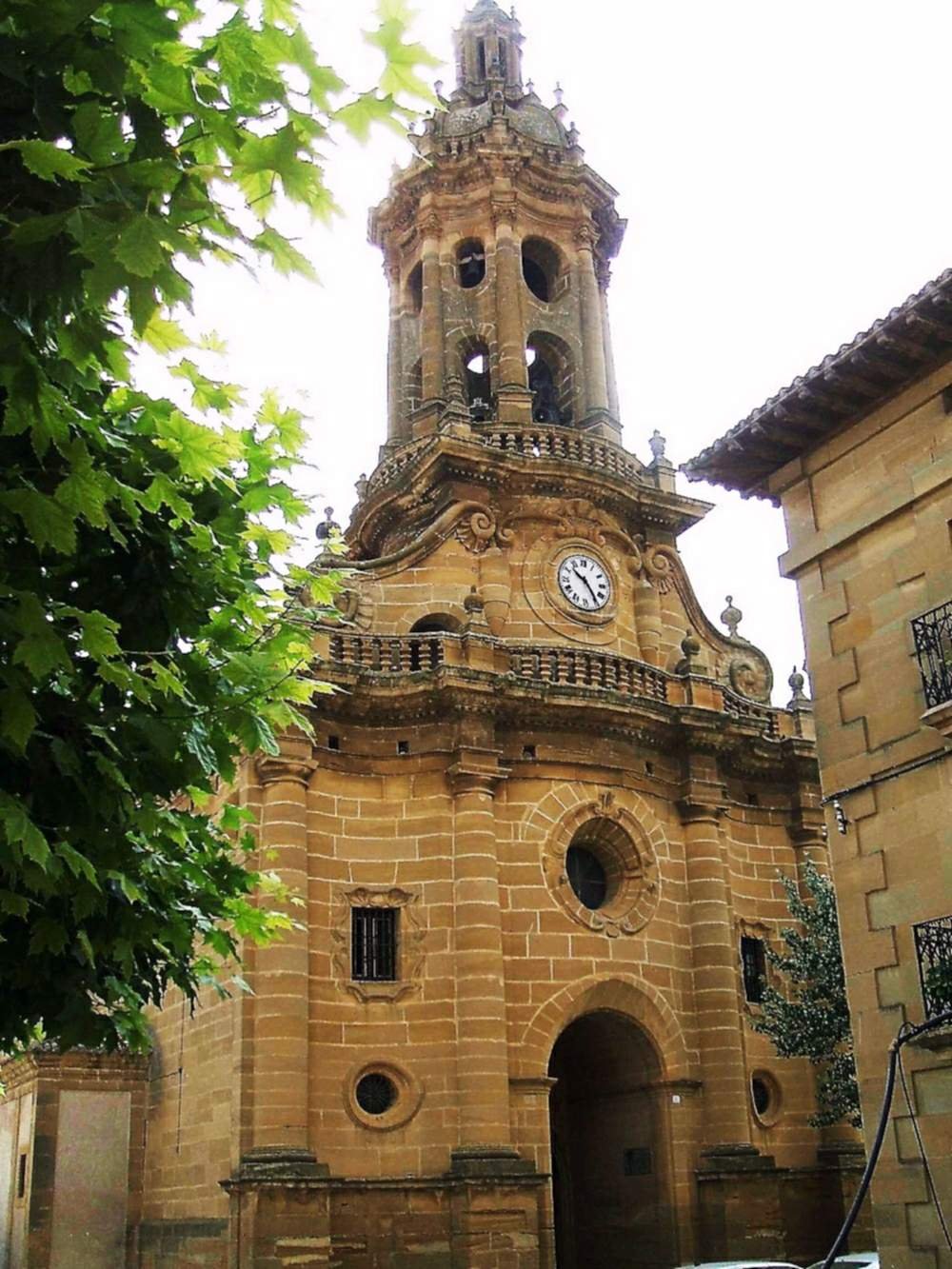
The church, dedicated to the Natividad, stands out immediately thanks to its brick tower rising above the rooftops. The rest of the building combines pale stone with alterations from different periods, a common feature in villages where buildings have been adapted over time without much fuss.
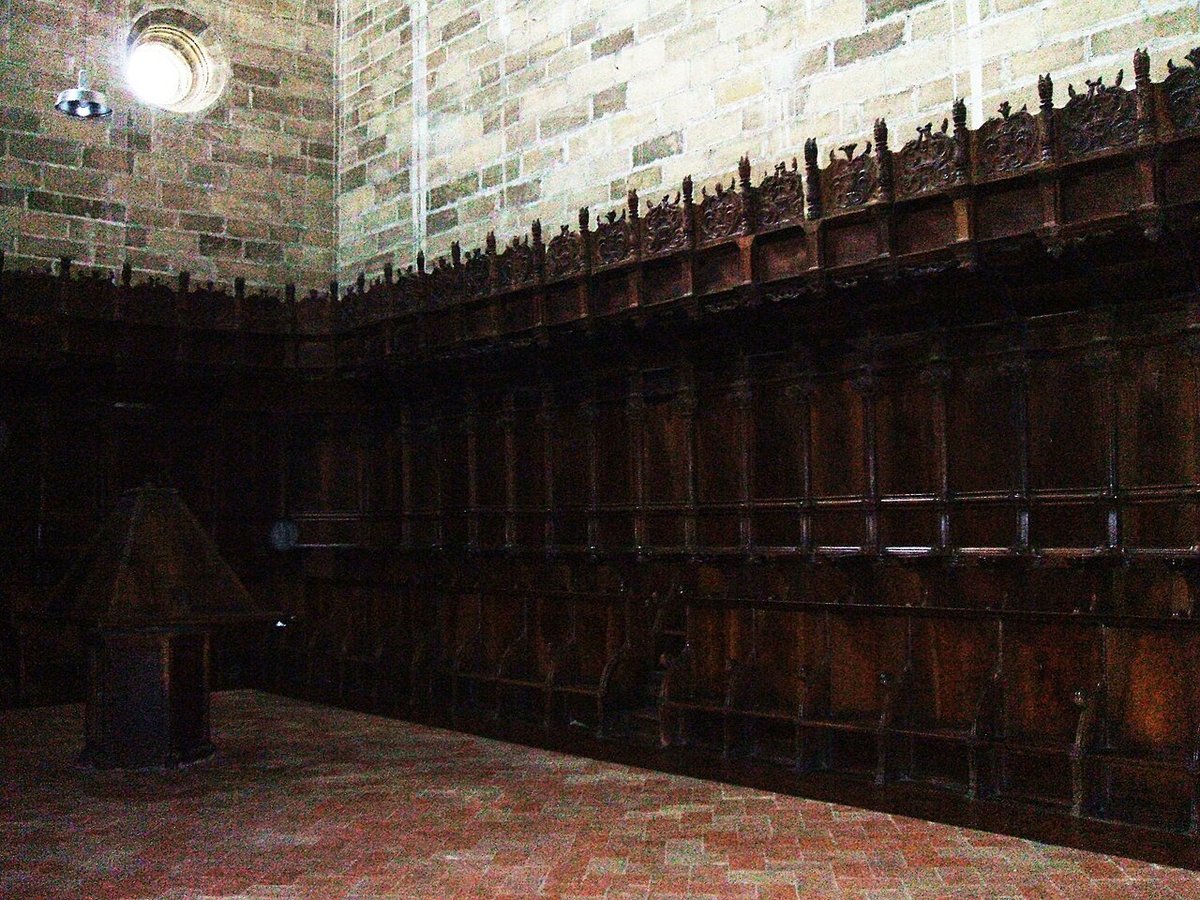
If the church is open, inside there is a Baroque altarpiece along with smaller details shaped by centuries of daily use rather than preservation for display. At times it may be closed, which is typical in smaller places. Even so, it is worth walking around it slowly, noticing how the stone carries marks of age and weather.
Short streets and lived-in spaces
Leaving the square, the village can be covered quickly, though it rewards a slower pace. Some houses are built of well-kept stone, while others are simpler. A few have dark iron balconies or carved coats of arms that are easy to miss without a careful look.
Along several side streets, wide gateways appear, once used for carts or for storing farming equipment. Behind them are interior courtyards where firewood, tools or small trailers are still kept. These are not staged details for visitors. They are part of everyday life.
Early in the morning there is a fair amount of movement. Later, especially after lunch, quiet returns easily and settles over the streets.
Fields that shape the village
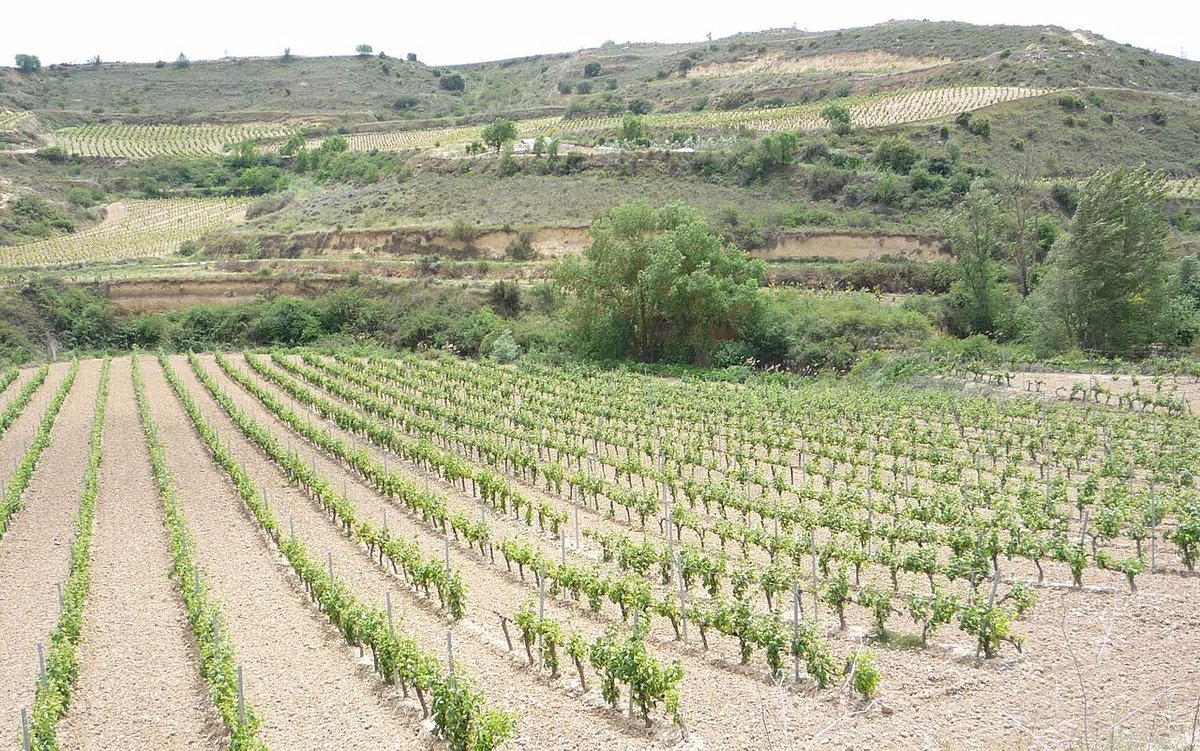
A short walk beyond the edge of the village leads straight into the landscape that supports it. Agricultural tracks begin almost at the last row of houses, opening out between plots of cereal and vineyard.
In spring, the green is vivid and the wind moves through the grain like water. By summer, colours shift towards ochre and yellow, and the air often carries a fine dust along with the smell of straw. Dry-stone walls still mark some boundaries, and small agricultural buildings appear here and there, reminders of how work was done before mechanisation changed the pace and scale of farming.
There are also traditional underground wine cellars in the surrounding area. These were dug to keep wine at a stable temperature, and some continue to be used privately today.
A short walk worth taking
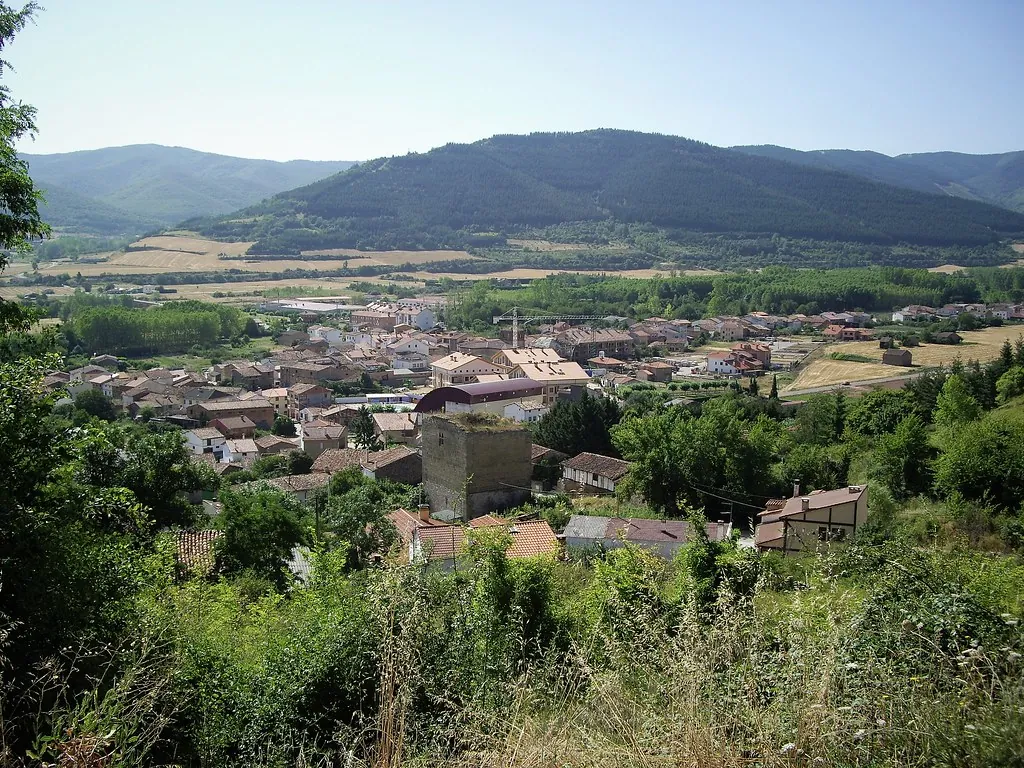
One of the simplest ways to get to know Castañares de Rioja is to start in the square and head towards the edge of the village, then follow any of the farm tracks that begin near the last houses. There is no need to go far. After ten or fifteen minutes, the village is already behind you and fully visible, with the church tower rising above the rooftops.
It is a good place to pause. In the afternoon there is often a light breeze, and birds are more noticeable than passing cars. The view brings together the compact layout of the village and the open land around it, showing how closely the two are linked.
When to go and what to expect
In summer, the sun falls strongly on the open tracks and there is very little shade outside the built-up area. Walks are best planned for earlier in the day or later, when the heat begins to ease.
The village itself can be seen in a short amount of time, which is why many visits come as part of a wider trip from nearby places such as Santo Domingo de la Calzada or Haro. Even so, spending a little longer here, walking without a fixed route and stepping out into the fields, gives a clearer sense of how this quiet corner of Rioja Alta works.
Castañares de Rioja does not revolve around major monuments or marked routes. What it offers is simpler: a small, lived-in village surrounded by cultivated land. At times, the sound of wind moving across the fields or the warmth held in the stone façades at the end of the day says more than any sign or explanation.