Full Article
about Cirueña
Modern municipality known for its golf course; set on a plateau near Santo Domingo.
Hide article Read full article
A small village on the high plain
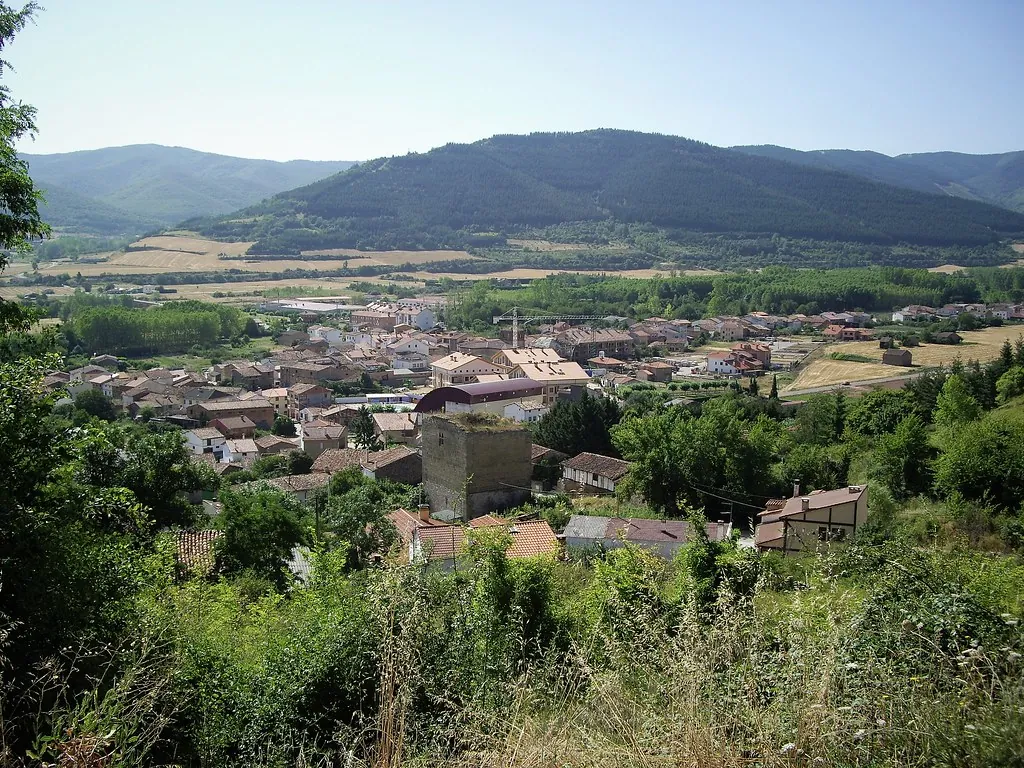
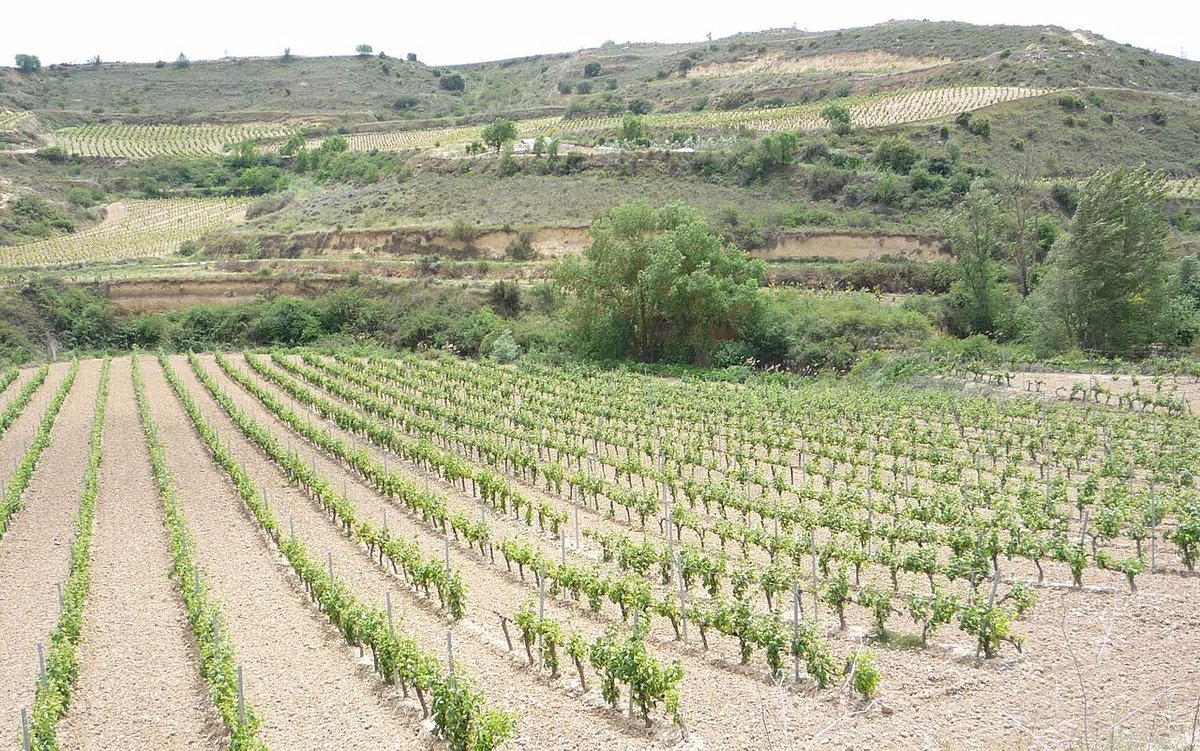
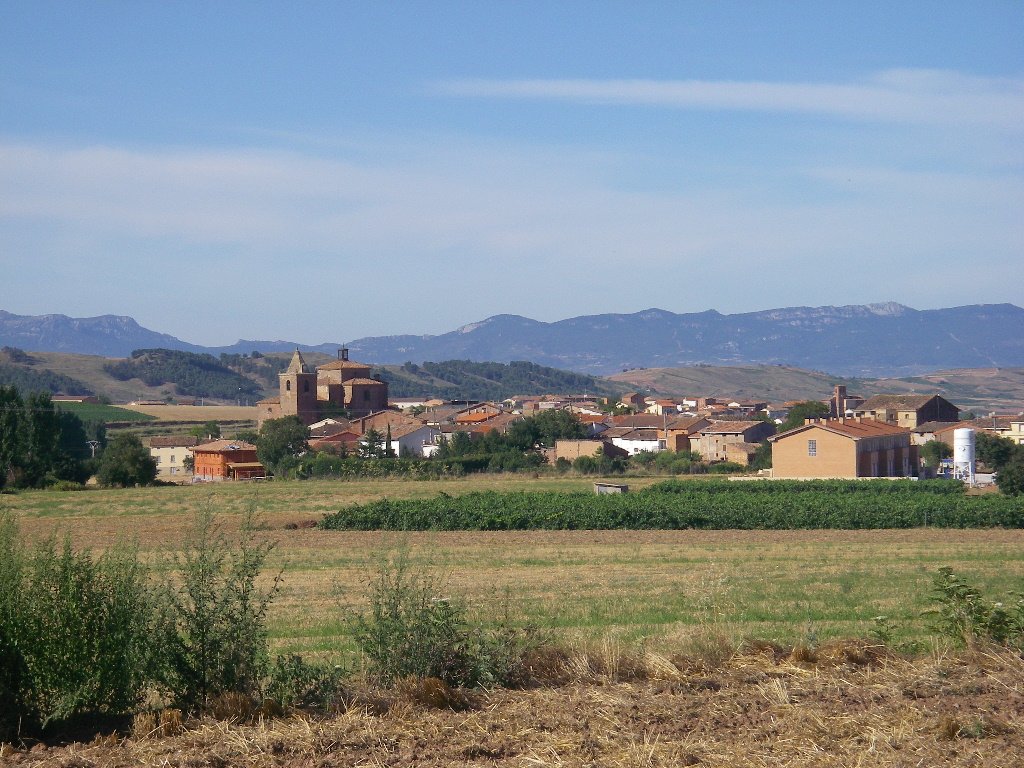
Ciruena sits in the northern part of La Rioja, about 15 kilometres from Santo Domingo de la Calzada. It is a small municipality in La Rioja Alta, with just over a hundred residents and a way of life long tied to the land. The setting is a high plain at around 750 metres above sea level, where cereal fields stretch out alongside patches of vineyard.
The Camino de Santiago passes nearby and has shaped this area for centuries, although Ciruena itself keeps a low profile along the route. The village does not present itself as a major stop, yet its surroundings reflect the same historical landscape that pilgrims have crossed for generations.
Streets shaped by work and time
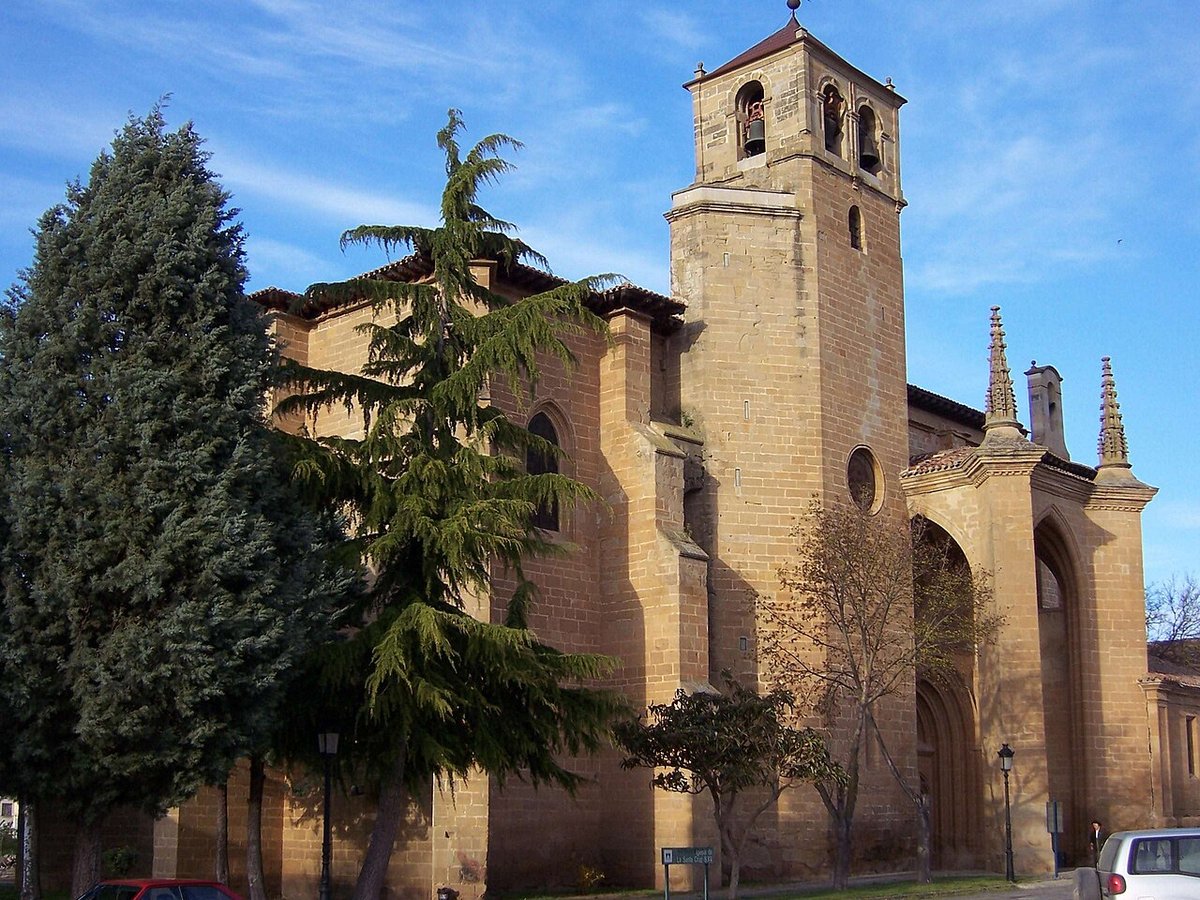
The layout of Ciruena centres on the parish church of San Pedro. The building as it stands today reflects works carried out between the 16th and 18th centuries. This kind of gradual construction is typical of rural churches in La Rioja, where extensions were added over time as needs changed. Built in stone, the church has a restrained appearance, more practical than decorative.
Around it, the streets preserve elements of traditional architecture. Walls made from masonry and adobe appear frequently, sometimes combined with timber framing. Large gateways open onto former yards and storage areas, designed for carts and agricultural tools rather than for show.
Several houses still include underground cellars. These spaces, carved beneath the buildings, were widely used across this part of La Rioja to store wine at a stable temperature. They speak directly to the importance of viticulture, even in places where cereal has often dominated the fields.
Over time, many homes have been updated, but traces of earlier uses remain visible. Barns and old animal enclosures still appear among the houses, a reminder of how closely daily life was linked to farming and livestock.
The open landscape of La Rioja Alta
Beyond the village centre, the landscape opens almost immediately. Agricultural tracks connect wide plots of land where cereal dominates and vineyards appear in smaller proportions. This is the inland face of La Rioja Alta: long fields, gentle undulations and very few features that interrupt the horizon.
On clear days, distant mountain ranges come into view to the south, such as the Sierra de la Demanda and the Sierra de Cebollera. They do not overwhelm the scene, but they provide a useful point of reference and help define the wider geography of the region.
A walk along these tracks offers a clear sense of how the territory is organised. Small villages sit at intervals, surrounded by extensive farmland, all linked by a network of agricultural paths that connect fields and neighbouring settlements. The scale is modest, yet the openness of the terrain gives a strong impression of space.
A short visit, step by step
Ciruena can be explored in a short amount of time, but the way that time is used makes a difference. A walk through the streets near the church reveals the oldest façades, where details such as large wooden doors and the combination of stone and adobe stand out.
If the church of San Pedro is open, the interior is worth a look. It maintains the simplicity found in many rural parishes. Its interest lies less in individual artworks and more in its long role as the centre of village life.
The visit makes more sense when it extends beyond the built area. One of the paths leading out from the village quickly brings a wider perspective. From the slight rises in the surrounding terrain, it becomes easier to see how Ciruena sits on the plain and how the fields are arranged around it.
Seasons and how they shape the view
The appearance of Ciruena changes noticeably across the year. Spring brings growing cereal and a greener landscape than is usual in this part of La Rioja. The fields feel more alive, and the contrast between cultivated land and open sky softens.
Autumn introduces reds and ochres in the vineyards. These tones stand out against fields that have already been harvested, creating a more varied palette across the plain.
Summer heat is most noticeable in the middle of the day. The surrounding paths offer little shade, so the exposure becomes part of the experience. Winter often brings fog to the region, giving the landscape a more austere and subdued character.
Keeping expectations in check
Ciruena works best as a short stop within a wider journey through the region. Its interest lies in its agricultural surroundings and everyday architecture rather than in major monuments.
Staying only in the central square or along the main streets gives an incomplete picture. A brief walk out along one of the nearby tracks adds context and helps explain how the village fits into its environment.
Places within easy reach
Two of the best-known locations in La Rioja Alta lie close to Ciruena. Santo Domingo de la Calzada preserves one of the historic ensembles most closely associated with the Camino de Santiago, including its cathedral and the layout of its medieval streets.
A little further south, Nájera was once a seat of the kings of Navarre. The town is home to the monastery of Santa María la Real, a key site in the history of the area.
Around Ciruena itself, smaller elements linked to the Camino can still be found. Old stone crosses stand at some crossroads, marking points along historic routes and reflecting the long connection between this landscape and medieval pilgrimage.