Full Article
about Corporales
Small village at the head of the Oja River; quiet mid-mountain setting.
Hide article Read full article
A village you don’t plan for
There are places you reach by design, with a list in hand. Corporales is not one of them. It is the kind of village where you pull over because it happens to be on the way, step out for a quick stretch, and end up lingering longer than expected. Tourism in Corporales works like that. It is not about ticking sights off. It is about slowing down in one of those very small villages in La Rioja where, if you walk without rushing, you start noticing details that would usually slip past.
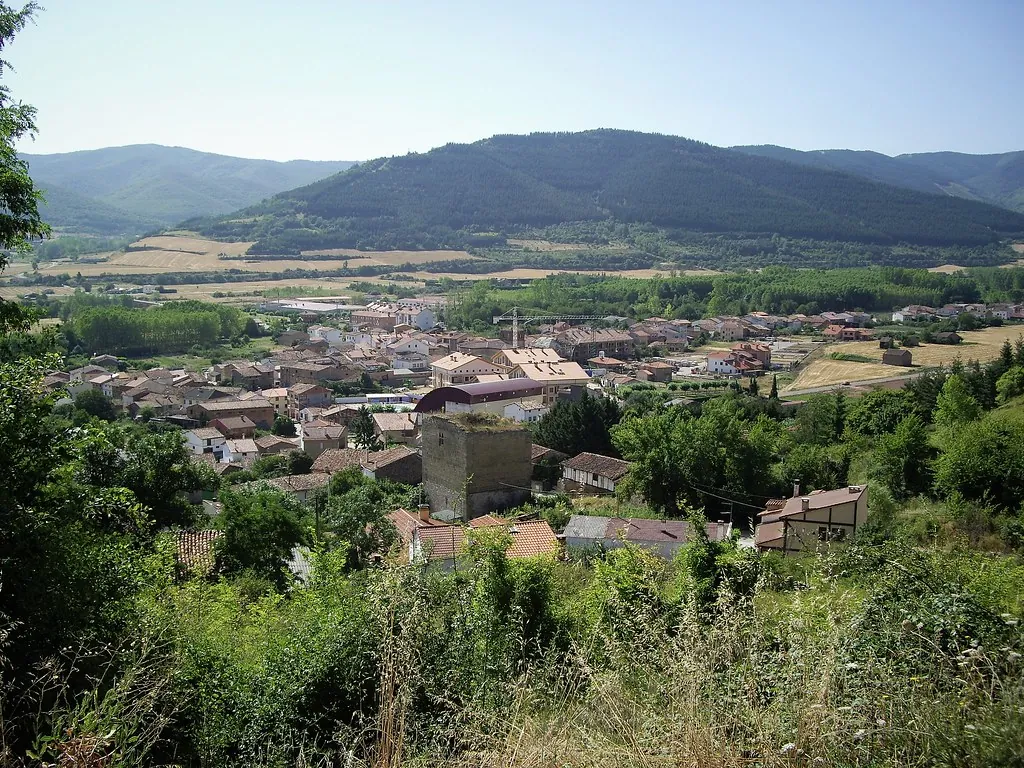
Corporales sits in the comarca of Santo Domingo de la Calzada, an area within La Rioja, and has only a few dozen residents. There are no headline attractions or a historic centre designed for coaches. What you find instead is a working agricultural village, with stone houses, yards and a sense that the rhythm of life follows the fields more than the clock.
The church and the streets around it
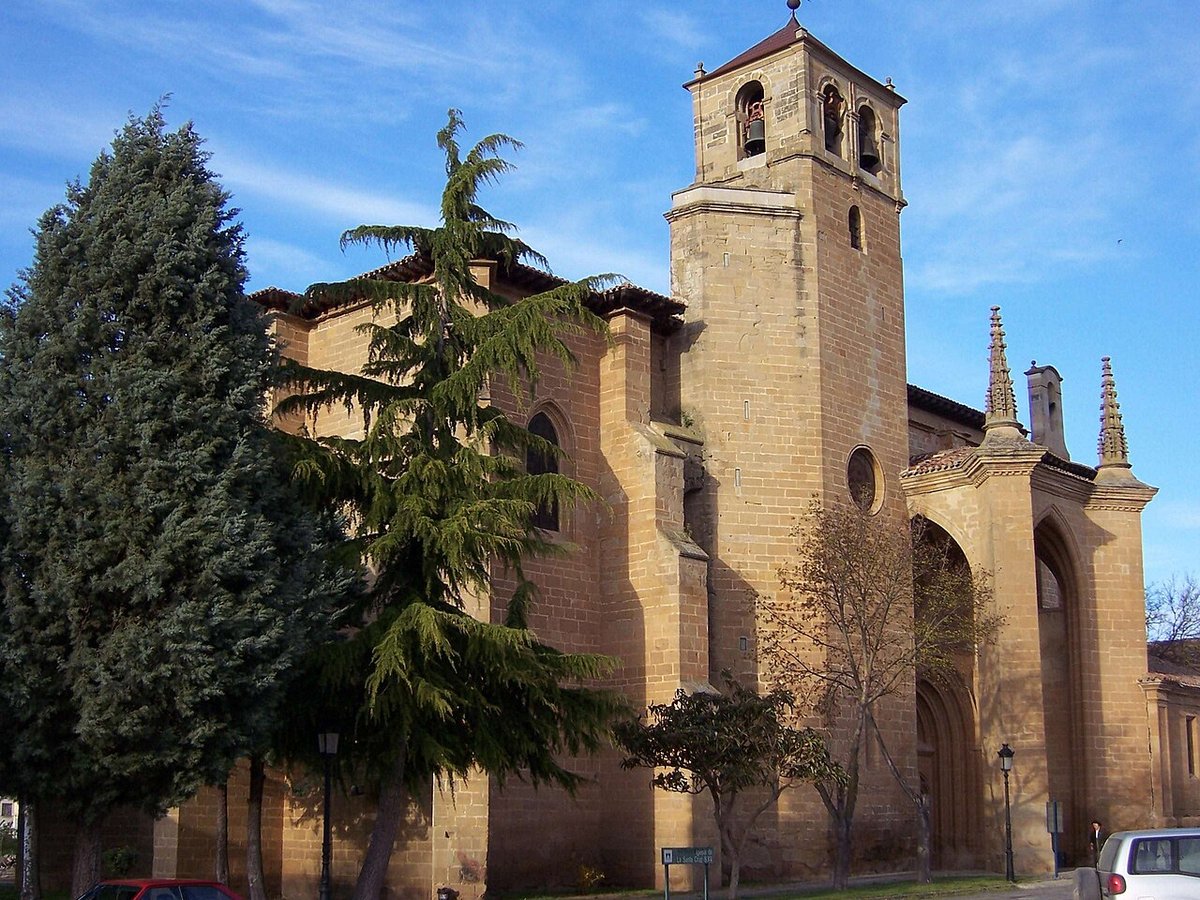
In a place this small, the church naturally anchors the centre. The church of San Pedro is usually dated to the Romanesque period, although later alterations are easy to spot in its walls. It is a straightforward building, made of thick stone and with very little decoration, the sort of structure that seems built to last rather than to impress.
A handful of short streets branch out around it. Along them, there are masonry houses, wooden gates worn by years of use, and small windows protected by old iron grilles. For anyone who enjoys paying attention to small things, this is where Corporales opens up: an old hinge, a repaired section of wall, a doorway that looks as if it has passed through several generations.
There is no need to search for anything in particular. In villages like this, it is better to walk and let things reveal themselves at their own pace.
Paths out into the fields
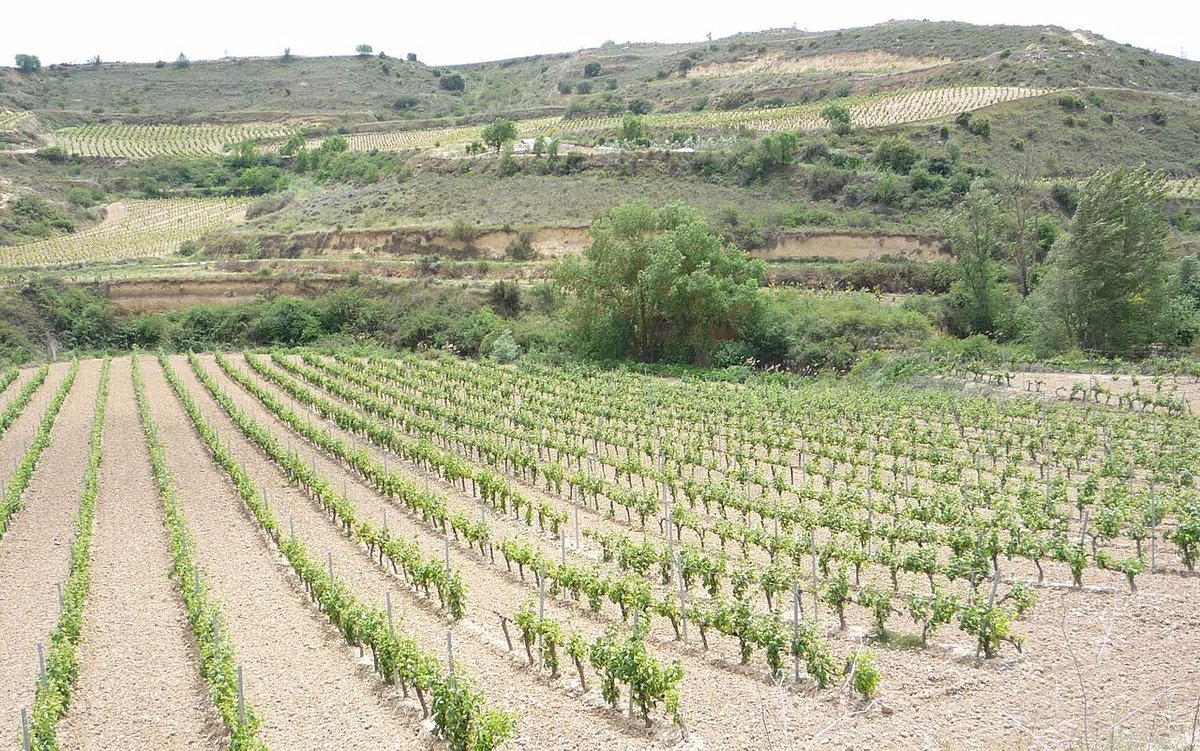
Beyond the last houses, the landscape quickly shifts. Agricultural tracks begin, the dirt paths locals use to move between plots of land. They are easy to follow on foot and invite a short wander rather than a planned route.
The scenery is open, shaped by cereal fields that change noticeably through the year. In spring, everything turns green and the wind ripples through the stalks like small waves. In summer, the tones become golden and the sun is strong, so carrying water and some protection from the heat is sensible. After the harvest, the land looks barer, with the clear light of autumn settling over it.
There is no signage or prepared walking routes. The idea is simple: head out, walk for a while, and turn back whenever it feels right.
How long to spend
Corporales does not require a full day, and it does not pretend to. It is a place that makes sense in a short, unhurried visit.
A stroll through the village centre, some time around the church, and perhaps half an hour along one of the tracks leading into the countryside are enough to get a clear sense of what this place is like. In a couple of hours, the picture comes together.
From here, many continue on to Santo Domingo de la Calzada, which is very close and offers more activity and heritage.
What you really come to see
There are no information panels or themed routes here. What Corporales offers is everyday rural life on a small scale. It is still common to see a neighbour fixing a fence, moving tools or discussing the cereal season in the middle of the street.
These ordinary scenes say more about the village than any leaflet could.
Getting there and a final note
The usual way to reach Corporales is by car. From Logroño, the route typically follows the A-12 to Santo Domingo de la Calzada, and from there continues for a few kilometres along local roads to the village.
They are short, quiet drives, the kind where it is worth easing off the speed and looking around. This part of La Rioja is dotted with small villages that appear and disappear among the fields.
Corporales itself is very small, and services are almost non-existent. If you plan to spend some time walking in the surrounding area, it is best to bring water and anything else you might need.
It works best as a brief stop along the way, a place to slow the pace for a while. Sometimes, after a long stretch of travelling, that is exactly what is needed.