Full Article
about Herramélluri
Ancient Roman city of Libia; municipality rich in archaeology beside the Tirón River.
Ocultar artículo Leer artículo completo
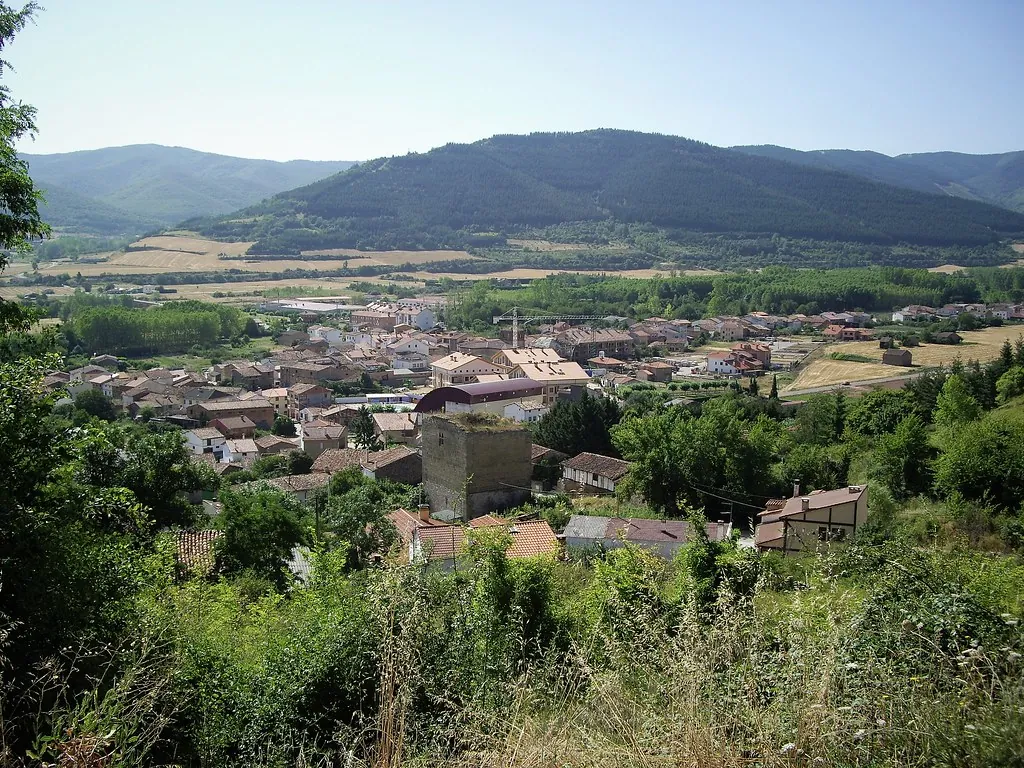
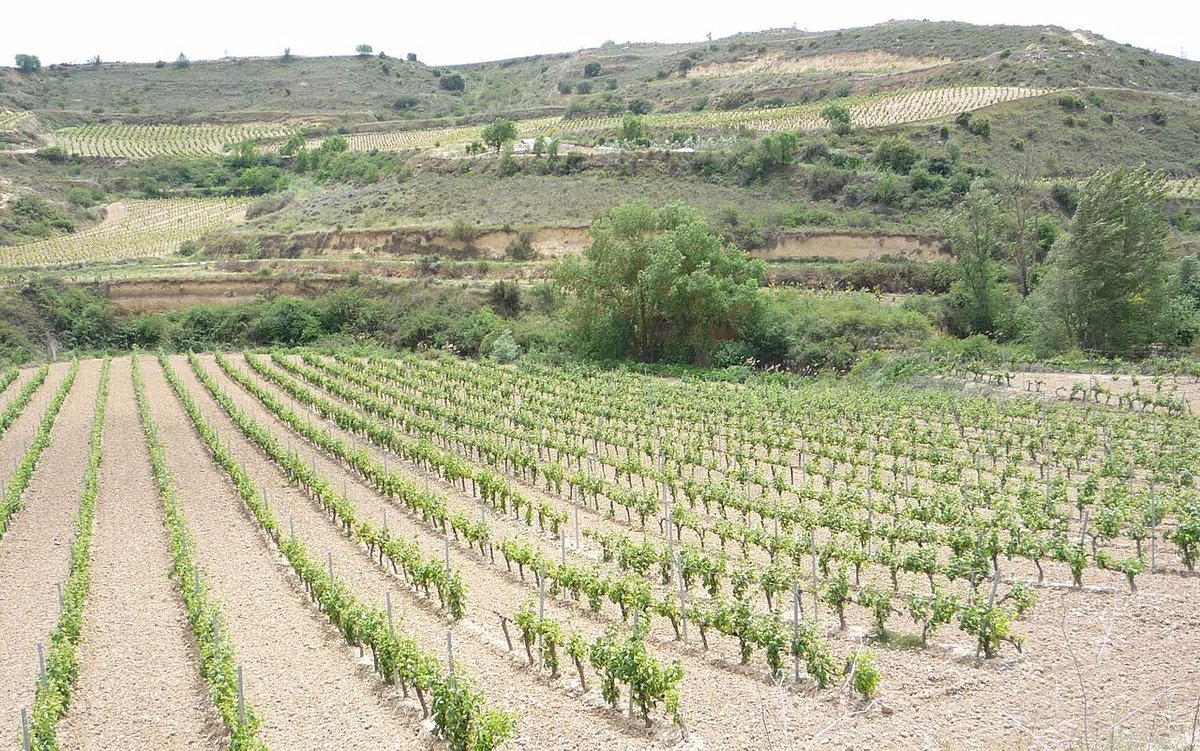
The bell in San Millán tower strikes twice and nobody looks up. Two tractors idle at the village edge while their drivers pass a plastic water bottle of young red wine, the kind locals call vino añejo del conductor. From the cemetery wall you can see the whole performance: forty-odd stone houses, a patchwork of tempranillo vineyards stitched to the hill, and the Ebro valley rolling away like a brown carpet to the Basque mountains. Herramelluri is less a place, more a vantage point with roofs.
At 570 m the air is thinner than on the coastal plains, cool even in July when the valley floor shimmers at 35 °C. British drivers arriving from Bilbao notice the temperature drop as the LR-404 corkscrews uphill for 12 km; what the sat-nav fails to mention is that the road is single-track, unfenced, and popular with loose sheep. Leave the people-carrier at the airport desk and take the smallest hatchback they have – anything wider than a Fiesta means three-point turns above a 200 m drop.
Stone, Brick and the Smell of Ferment
There is no centre to walk to, merely a gentle ridge where the church sits like a ship’s bridge. Houses face the vines, not each other; doors are painted ox-blood or left plain, and the only concession to tourism is a hand-written A4 sheet taped inside the church porch listing Mass times. Peek through the wrought-iron grilles and you will spot the tell-tale floor hatch: a stone ramp disappearing into a family calado, the underground cellar where grandfathers once trod their own grapes. Most are locked; a polite knock at Number 19 may persuade María Luisa to lift the trapdoor and let you sniff the damp air still flavoured with last year’s harvest.
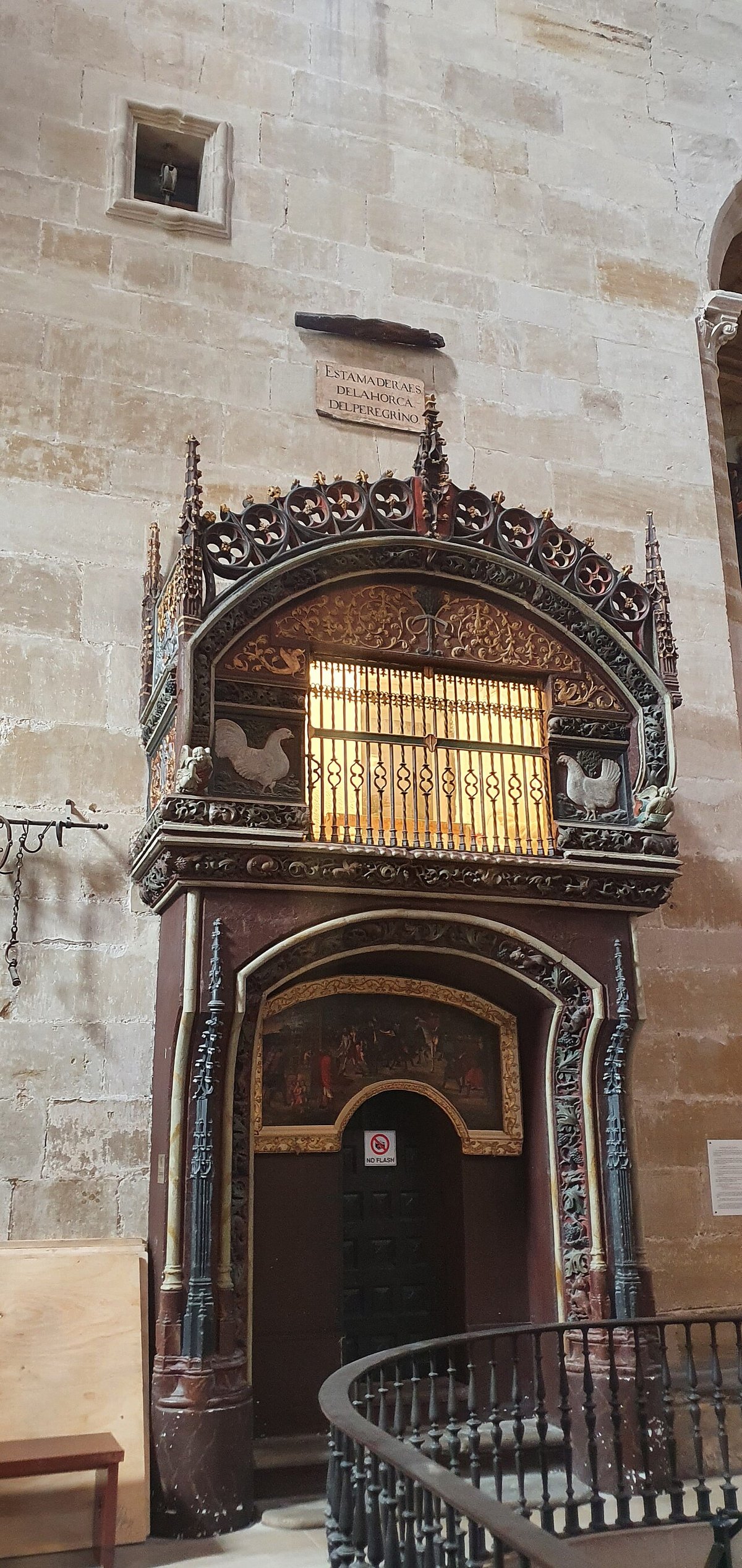
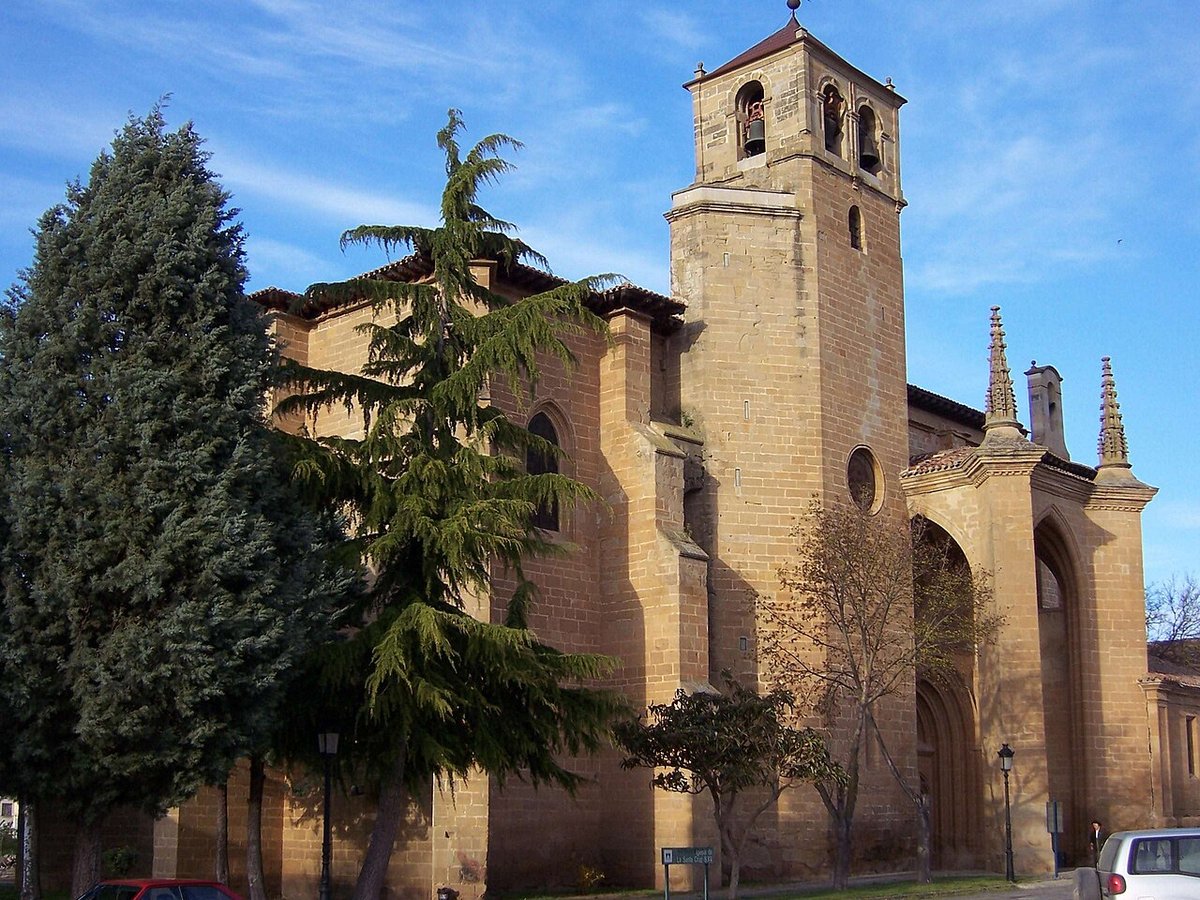
Public architecture stops at the 16th-century church, its tower rebuilt in 1953 after lightning split the masonry. Inside, the altarpiece is pure Rioja Baroque – gilded and over-excited – but the real curiosity is a side chapel dedicated to San Torcuato, patron of field mice. Farmers still leave a fistful of grapes here before the mechanised harvest begins; superstition says the rodents will then spare the rest. Photographs are allowed, donations are not mentioned.
A Walk That Ends Where It Starts
The village is technically circular, though the circle is only 600 m round. Start at the cemetery plaza (the only spot wide enough to park), pass the stone cross erected for plague victims of 1677, and follow the lane between vines until the asphalt gives way to a chalk track. Fifteen minutes of gentle climbing takes you to a concrete water deposit; from here the view opens north to the glasshouses of Nájera and south to the saw-toothed Sierra de la Demanda. Turn round when the track forks – beyond lies private land and an enthusiastic mastiff.
Evening is the clever time to walk. The sun drops behind the ridge, tractors head home, and the thermals that plagued you at midday collapse into perfect stillness. Swallows dive between the vines, each pass stripping invisible insects from the air. You will meet one other person at most; the local dog, a beige mongrel called Casillas, may escort you for a biscuit toll.
Eating: Bring It With You
Herramélluri has no bar, no shop, no cash machine – plan like you are landing on the Moon. Fill the boot in Logroño’s Mercado de San Blas: a wheel-shaped tortilla sliced in half, a hunk of queso camerano made with goat’s milk, and two cans of clarete, the pale Rioja that tastes like alcoholic rose. Picnic tables do not exist; the stone bench beside the church faces west and catches the last warm light.
If you crave cutlery, drive ten minutes to Venta Moncalvillo. The Michelin star means seven-course tasting menus at €120, but the bar will grill you a single chuletón of beef or a half-kilo of lamb chops for €28 if you ask before 14:00 and look apologetically British. They keep English menus behind the counter, printed after a party from Guildford refused the menú degustación and demanded “something normal”.
When the Village Wakes Up
Fiestas begin on the last weekend of August: Saturday evening mass followed by a cardboard effigy of San Millán paraded through the vines, fireworks that sound like incoming artillery, and a communal paella cooked in a pan the size of a satellite dish. Visitors are welcome but not announced – buy a €5 ticket from the lady with the clipboard and she will ladle you what the Spanish get. Sunday is toro de fuego, a papier-mâché bull loaded with sparklers; health-and-safety refugees from Stoke will be relieved to know the horns are now strictly ornamental.
Harvest proper starts mid-September. Tractors block the lane, trailers overflow with black grapes, and the air smells like yeasty breakfast juice. There is nothing to join in unless you have a cousin in the cooperative, but farmers will sell you 5 kg of tempranillo for €6 if you supply the bucket. Do not attempt to stomp them barefoot – fermentation starts within hours and the resulting purple puddle will ruin your AirBnB towels.
The Practical Bits That Matter
Access: Fly Bilbao, collect small car, take A-68 south, exit 10, follow N-120 to Nájera, then LR-404 uphill. Petrol up first – the village pump closed in 1998.
Stay: No hotels. Nearest beds are in Nájera (12 km) or a clutch of vineyard B&Bs near Azofra. Camping is tolerated beside the water deposit if you leave no trace and depart by 08:00.
Weather: Spring and autumn best; winter can see snow that turns the access road into an icy chute. August afternoons are fierce – carry 1 L of water per person for a 40-minute walk.
Language: Spanish only; the odd resident speaks kitchen English learned picking strawberries in Kent. Politeness costs nothing: “Perdone, ¿puedo aparcar aquí?” unlocks smiles.
Leaving Without a Souvenir
The only thing you can buy is a bottle of 2021 crianza from the garage opposite the church. Knock, wait, hand over €9 and you will receive an unlabelled green bottle sealed with candle wax. It is drinkable now, better in two years, and tastes of the place: dark cherry, a lick of tobacco, and the faint memory of that silent ridge where Rioja begins.