Full Article
about Hervías
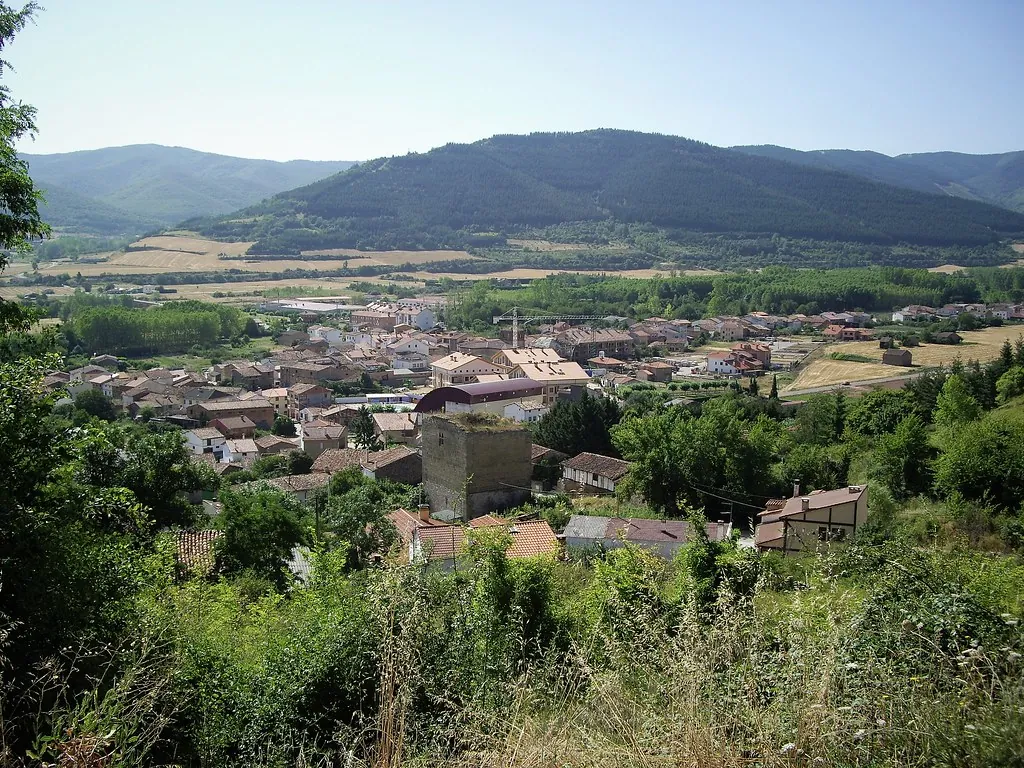
A farming village on the plain, once home to noble families.
Ocultar artículo Leer artículo completo
The thermometer drops four degrees between the N-120 and the turn-off to Hervías. At 650 metres the air carries a snap that never reaches nearby Santo Domingo de la Calzada, ten minutes down the road, and the cereal plateau suddenly feels like mountain country. This is the first clue that the village is not quite the sleepy Riojan stereotype British drivers expect.
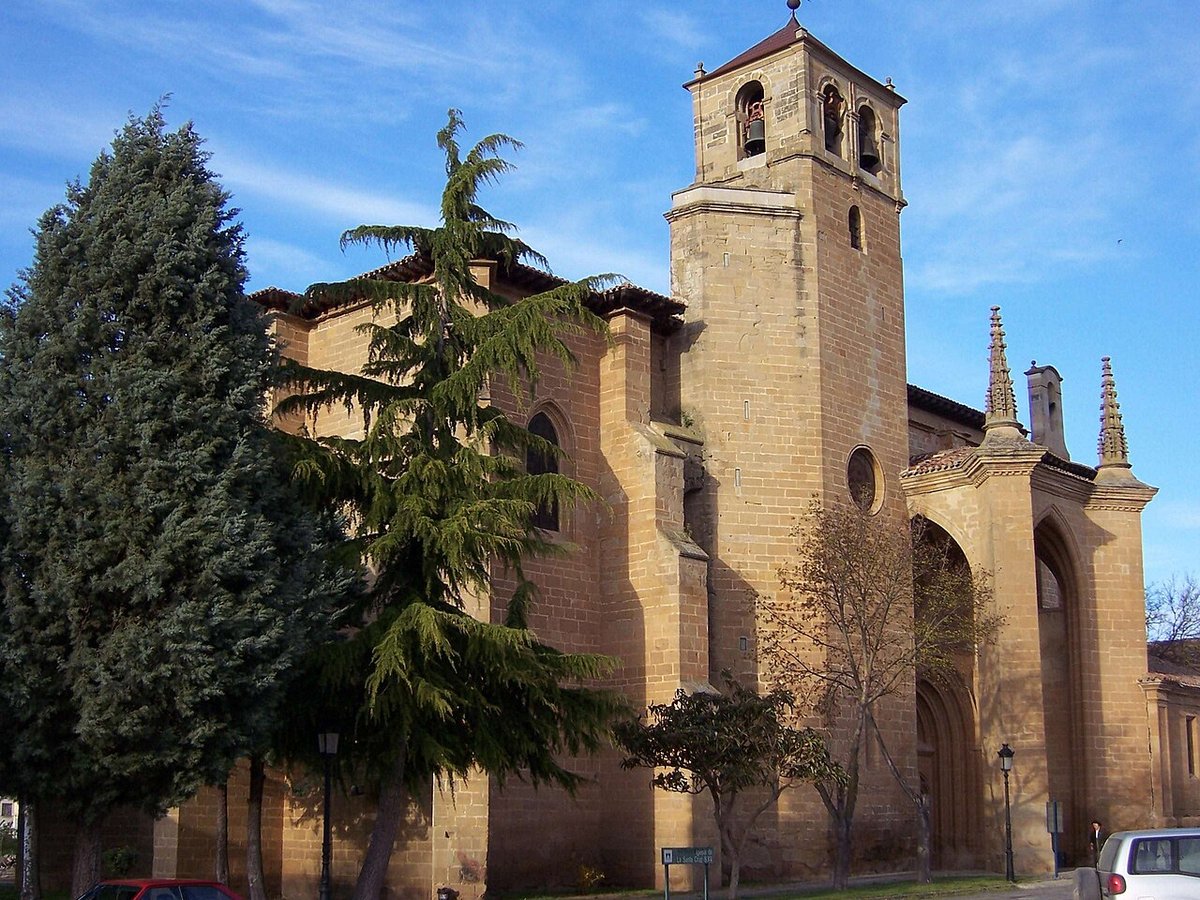
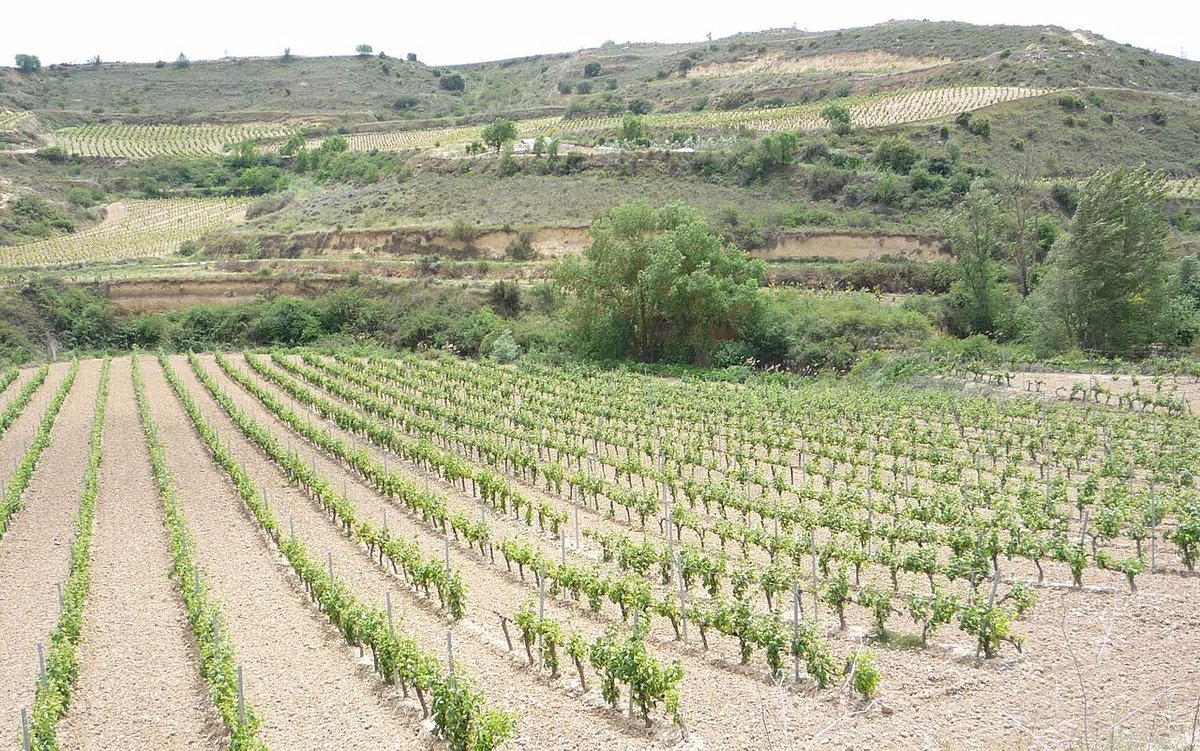
Stone houses converge on a single parish church whose bell still marks the agricultural day. There is no interpretive centre, no craft mile, no Sunday market aimed at coach parties. What you get instead is the faint smell of must drifting from a 19th-century cellar belonging to Toño Martínez, the village’s only commercial winemaker. Production is 5,000 bottles a year – smaller than many English allotment yields – yet the appointment diary fills up because Toño conducts tastings in clear, enthusiastic English and pours a rosé that lacks the acidic bite many British drinkers dislike in Spanish whites. Bring cash; cards jam on the stone walls.
Tastings last an hour and finish with chorizo from Salamanca and a sheep’s cheese that tasters compare to a mild, nutty Manchego. The oil pressed from 70 olive trees behind the house is peppery but not throat-burning; regulars from Winchester and Galway phone in October to reserve their ten-bottle allocation before it sells out. Groups are capped at eight, so WhatsApp the day before; if you simply turn up you will find the green door locked and nobody answering.
Walking the bowl of dry grain
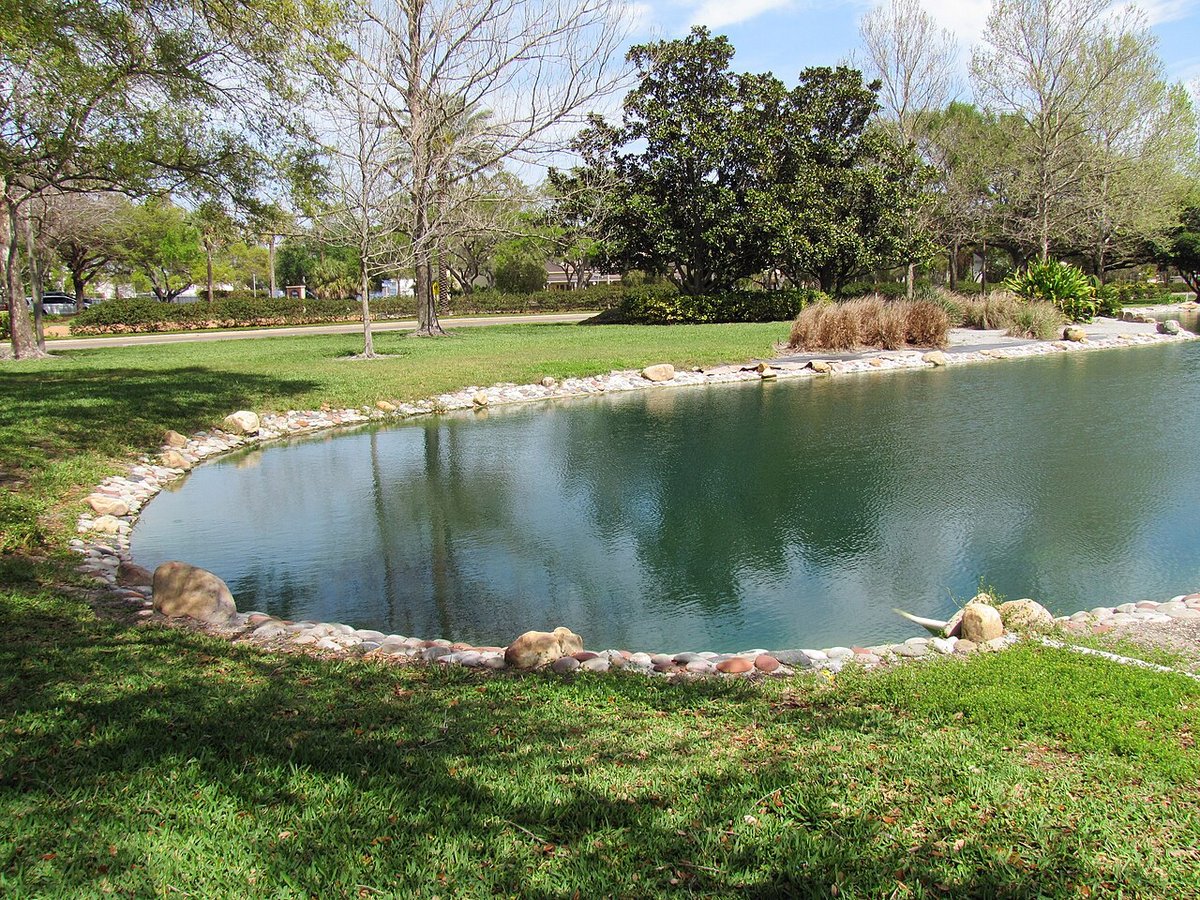
Once the palate is coated in Garnacha you can work it off on the 4 km loop that locals call the Laguna de Hervías – a misleading name because the lake dried in the 1950s and wheat now ripples across the old basin. The path starts opposite the stone bridge at the village entrance and follows farm tracks between low stone walls. Tractors have right of way; after rain the red clay sticks to soles like wet biscuit and can add half a kilo to each boot. Spring brings larks and passage wheatears; in October the stubble smells of damp straw and gunpowder from partridge shooters on neighbouring estates. Allow two hours, longer if you stop to read the faded 1986 electoral posters still taped to a ruined shepherd’s hut – rural Spain’s version of community noticeboard.
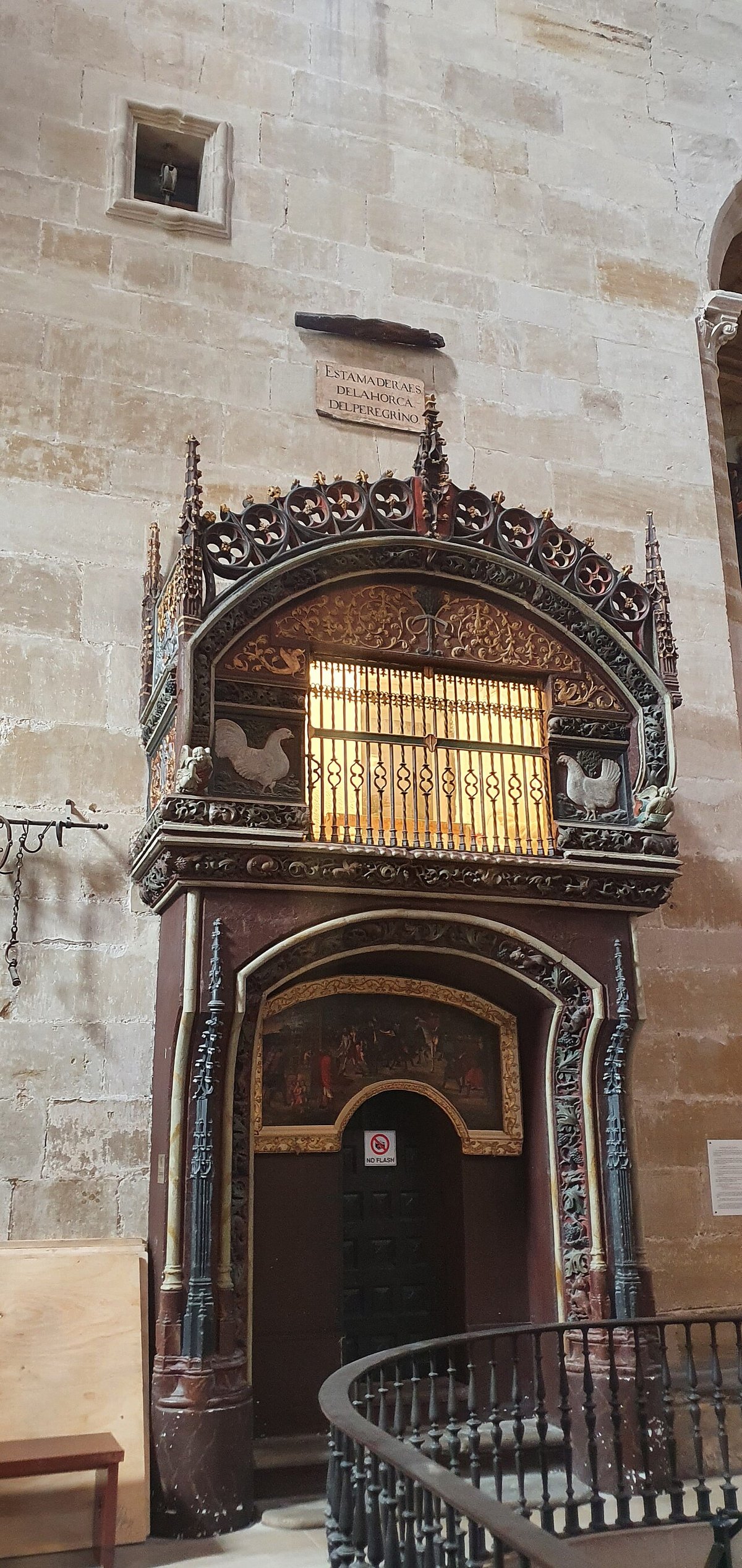
Winter sharpens the wind and occasionally delivers a dusting of snow that melts before lunch. The LR-206 is kept open but hire-car drivers who have never chained tyres should check the forecast; being airlifted out counts as an expensive anecdote. Summer, on the other hand, is furnace-hot by 11 a.m. and shadeless. If you must walk then, start at dawn and finish with coffee in Santo Domingo where the cathedral keeps its famous live chickens in a Gothic coop – the oddest ecclesiastical sideshow you will see this side of a Kentish misericord.
When nothing happens on schedule
Hervías has no cash machine, no petrol station, and the tiny shop opens only when the owner finishes her own fieldwork. The bar sometimes closes mid-afternoon if custom consists of two Dutch cyclists and a dog. Plan accordingly: fill the tank in Nájera, bring euro notes, and do not expect to construct an itinerary. The village works best as a half-day pause between Logroño’s tapas crawl and the medieval hospitals on the Camino de Santiago.
That very formlessness is what regular British visitors guard jealously. Mention the name on a Haro wine-bus and you will be met with blank looks; return six months later and the same strangers greet you like a fellow initiate. It is less a destination than a breather, a place to remember that La Rioja’s headline wineries exist beside an older economy of lentils, lambs and allotments watered by hand.
Fiestas and other population spikes
Numbers quadruple during the August fiestas when emigrants return from Bilbao and Madrid. A foam machine is towed behind a tractor for the children’s disco; adults drink beer from polystyrene cups and argue about wheat prices. The event is emphatically parish-level – no regional press, no tour-operator wristbands – yet outsiders are welcome provided they park beyond the bridge so grain lorries can still reach the cooperative. If you crave fireworks and running bulls, drive on to San Fermín an hour east; if you fancy watching a village remember itself, stay.
September brings the vendimia, the grape harvest. Toño hires neighbours to snip clusters by hand and loads them into 15 kg boxes to avoid bruising. Volunteers occasionally join in exchange for lunch and a bottle; enquire in advance but do not romanticise – the slope is gentle, the sun is not, and your back will remind you of every English hour spent hunched over a laptop.
An honest verdict
Hervías will not keep you busy for a week. You cannot buy fridge magnets, and guided tours stop at the church door if the keyholder is in Logroño. What you can do is taste wine straight from the tank while swallows loop overhead, then walk through cereal silence broken only by a distant tractor radio. Come for that contrast, not for a checklist; combine it with Haro’s grand bodegas or the monasteries of the Cidacos valley. Arrive expecting theme-park Spain and you will leave within twenty minutes. Arrive prepared to match the village’s slow pulse and you may find, like the repeat visitors from Chester and Cork, that you measure future Spanish trips against this unobtrusive milepost – and edit the itinerary to pass through again.