Full Article
about Manzanares de Rioja
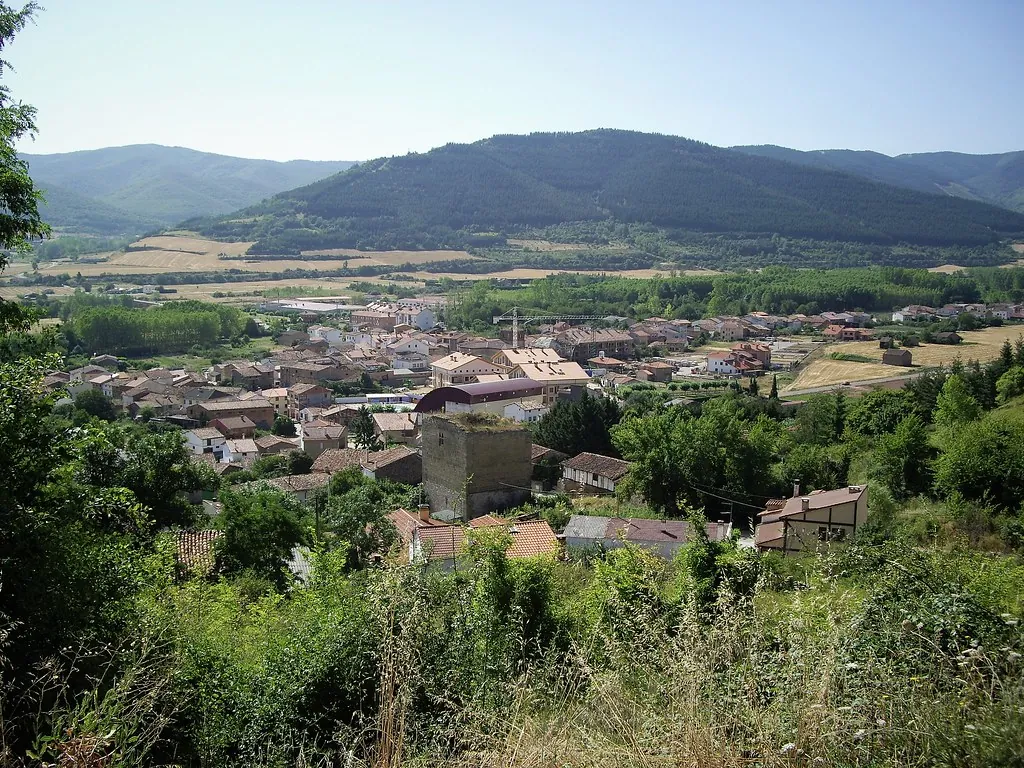
Scattered village with several neighborhoods; set in a wooded area ideal for mushroom hunting.
Hide article Read full article
A village that moves at its own pace
Some places seem to run on a different clock. You arrive, park the car, and within minutes it becomes clear that things move differently here. Tourism in Manzanares de Rioja is very much about that feeling: a tiny village in the area around Santo Domingo de la Calzada, home to just a few dozen residents, where the landscape carries more weight than any monument.
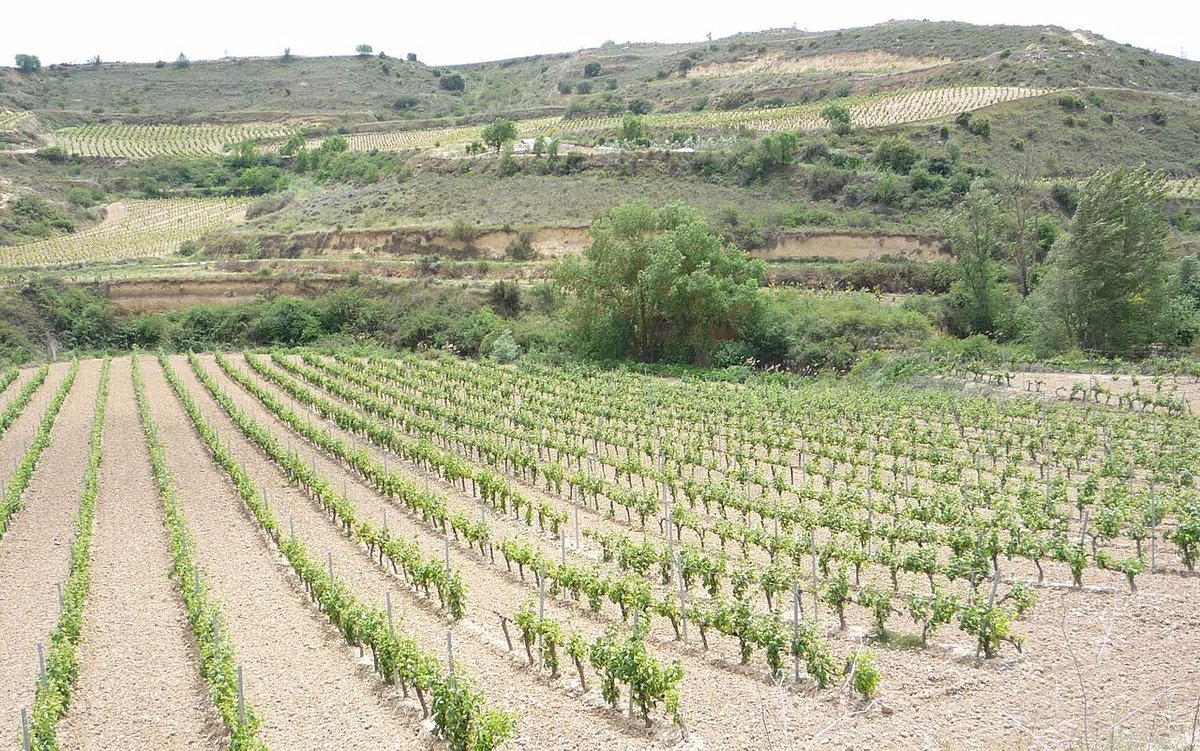
The village sits in a higher part of La Rioja, close to the hills that rise towards the Sierra de la Demanda. Meadows stretch out around it, broken by patches of oak and beech woodland, and a kind of quiet that settles in as soon as you step out of the car and realise no one has passed by for a while. In autumn, the surroundings shift to browns and reds; in winter, on colder days, the atmosphere feels closer to neighbouring Burgos than to the wine-focused image many associate with La Rioja.
A place to walk without rushing
Manzanares de Rioja does not take long to explore. That is not an exaggeration: in half an hour, it is easy to cross it several times.
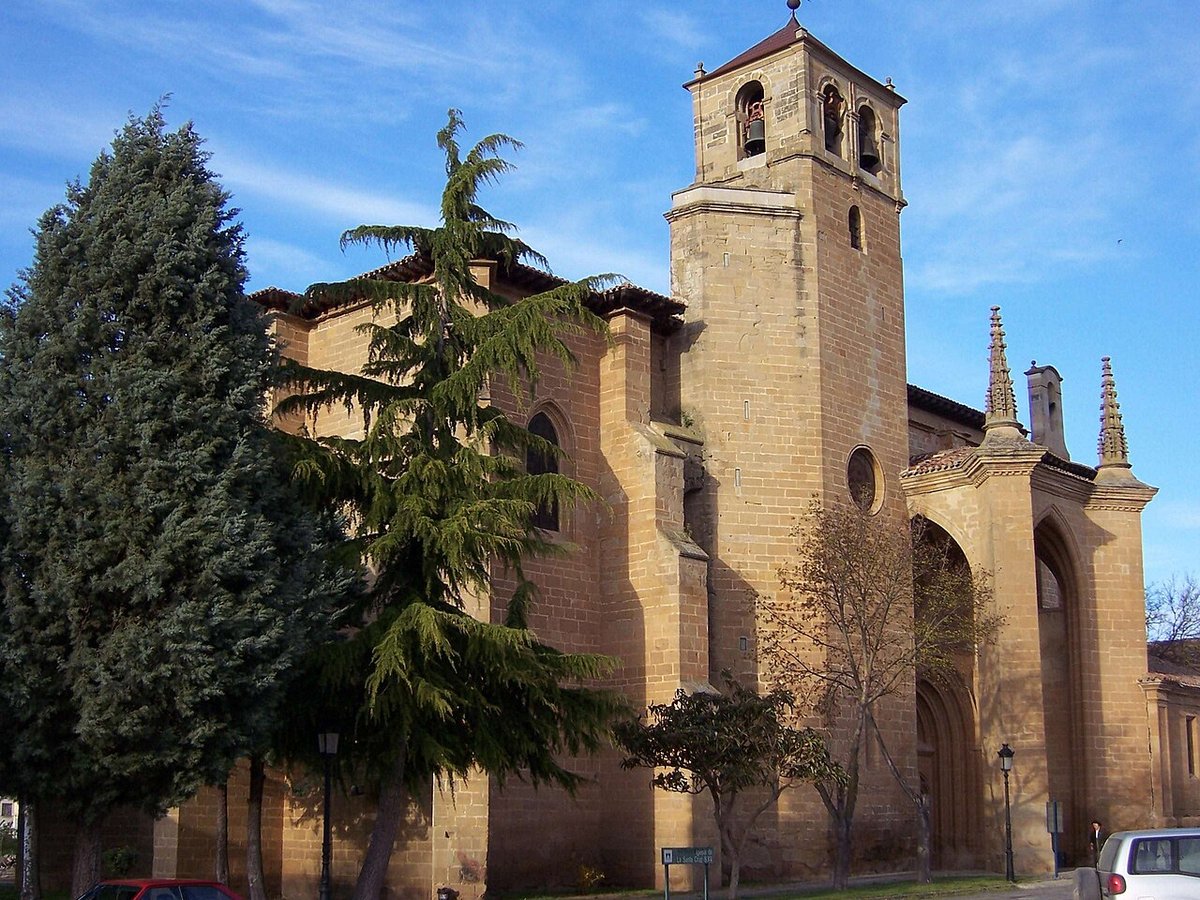
The clearest point of reference is the church of San Martín. It stands out immediately and works as a natural centre, much like in many small villages in this part of the region. Around it are the traditional houses, built with thick stone walls, small windows, and roofs designed more to withstand winter than to impress in photographs.
Walking through the streets has its own kind of appeal. There are no grand monuments or wide plazas. Instead, attention drifts to smaller details: an old doorway, a barn converted into a home, a bench set in the sun against a wall. Everyday elements, but they say a great deal about how life has been lived here.
The surroundings: fields and rising ground
What really stands out in Manzanares de Rioja lies beyond the village itself. Step outside the built-up area and you quickly find agricultural tracks and paths that gradually lead into more wooded terrain, heading towards the Sierra de la Demanda.
These are not technical hiking routes, but decent footwear is still a good idea. The ground changes quickly, with stretches of grass, loose stones, and mud after rain, typical of paths used for livestock or forestry work.
At dusk, it is sometimes possible to spot roe deer moving among the bushes, if you are quiet and a little lucky. It is also common to come across grazing animals in nearby meadows. The landscape invites a slower approach: less about reaching viewpoints, more about walking without hurry and taking in the surroundings as they come.
A brief stop rather than a full day
It is worth being clear about expectations. Manzanares de Rioja is not a place to fill an entire day with activities.
It works best as a short stop if you are travelling through the villages of this part of La Rioja Alta or moving between Santo Domingo de la Calzada and the nearby mountain areas. A walk through the village, a look at the church, a short wander into the surrounding countryside, and before long you have a clear sense of the place.
It is the kind of village that reveals itself quickly.
A couple of practical notes
Access roads are narrow, so it is best to leave the car at a wider entrance or along the edges of the village without getting in the way of agricultural vehicles. Here, tractors still matter more than visitors.
Another detail to keep in mind: even if the day feels mild, the weather can change quickly in this area. If you plan to walk into the nearby hills, it is sensible to carry an extra layer. As the afternoon progresses, cooler air comes down from the sierra and becomes noticeable.
Keeping expectations in check
Manzanares de Rioja has very few سكان, and that shapes the experience. There are no museums, no designed viewpoints, and no long list of attractions to tick off.
Yet for anyone drawn to genuinely small villages, the kind that still reflect everyday rural life, it has its own appeal. A short walk, quiet surroundings, open countryside, and the sense of being somewhere that still operates on a very human scale.
Sometimes, that is exactly what a stop along the road calls for. Here, that is precisely what you find.