Full Article
about Santurde de Rioja
Tourist village in the Oja valley; it has swimming pools and a summer atmosphere.
Hide article Read full article
Between the Oja Valley and the Plains
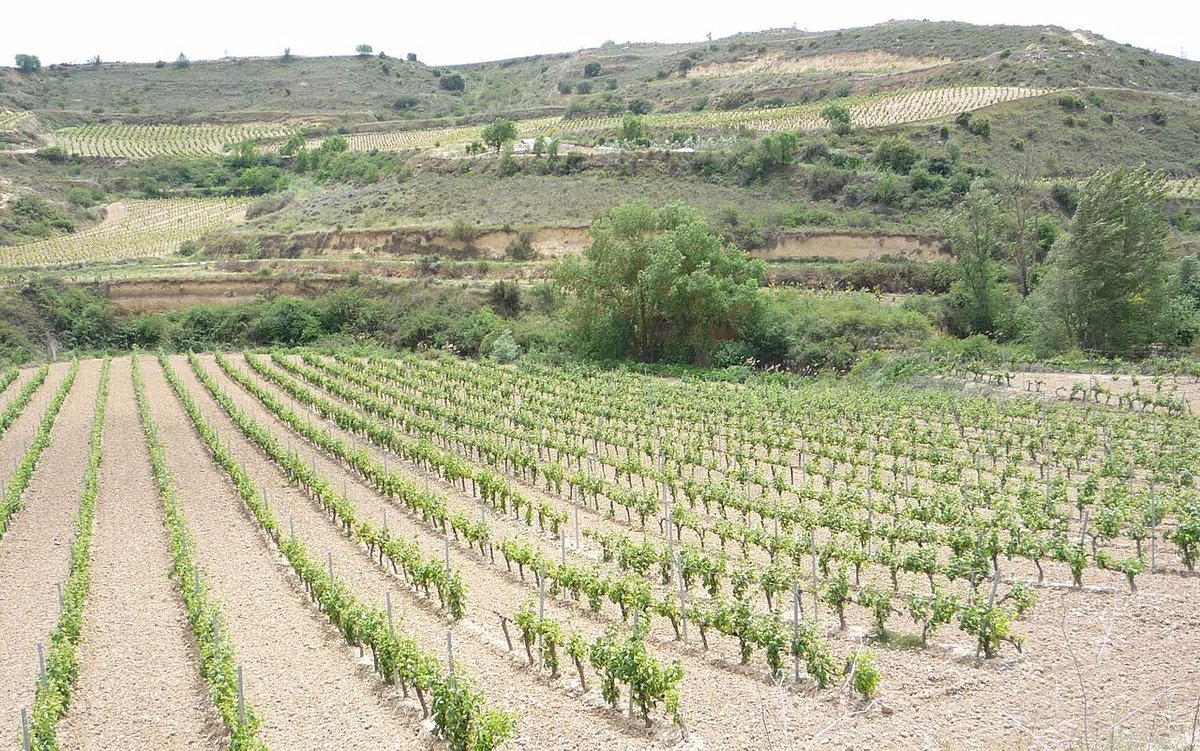
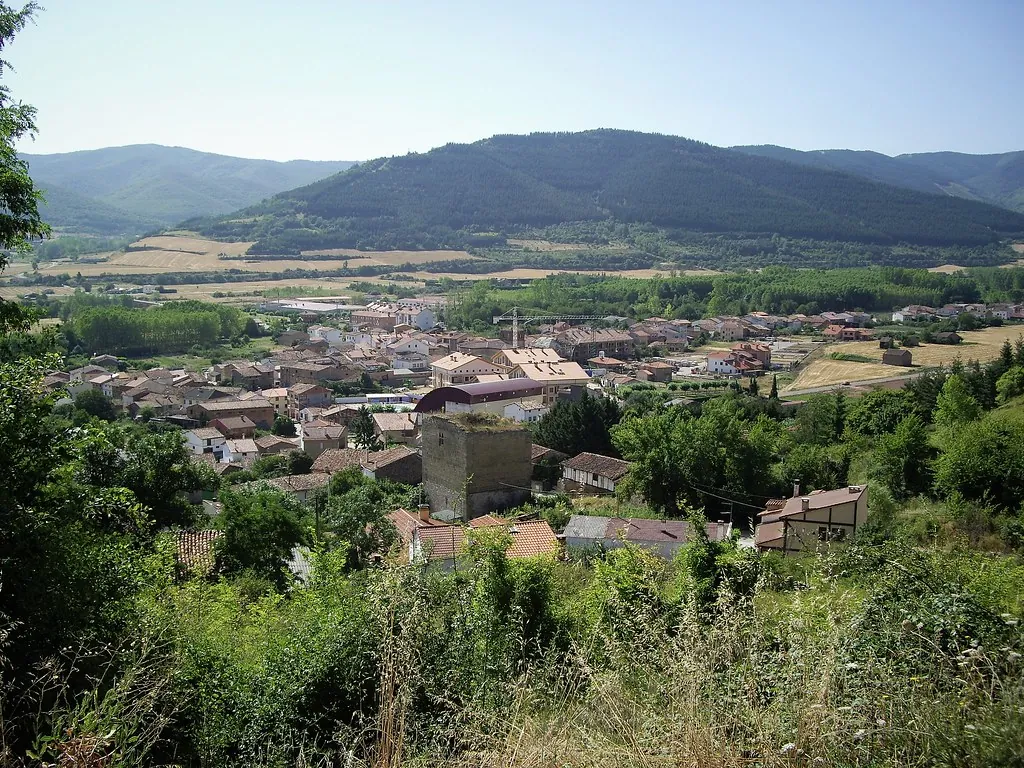
Santurde de Rioja lies in the comarca of Santo Domingo de la Calzada, in a transition zone between the valley of the River Oja and the cereal-growing plains that stretch towards the Meseta, Spain’s central plateau. The village stands at around 700 metres above sea level, and its immediate surroundings are shaped by open fields of grain and scattered plots of vineyard.
Agriculture is not a backdrop here. It remains visible in the layout of the streets, in the buildings themselves and in the steady use of the tracks that run out from the edge of the village. Tractors and farm vehicles are part of daily life, and the rhythm of the year still follows the agricultural calendar.
This is not a destination designed with tourism in mind. Santurde de Rioja functions much like many villages in this part of La Rioja: small, agricultural and quiet, with everyday life organised around fieldwork and a handful of streets. A visit is less about ticking off sights and more about observing how the settlement and its landscape fit together.
The Church of San Andrés and the Shape of the Village
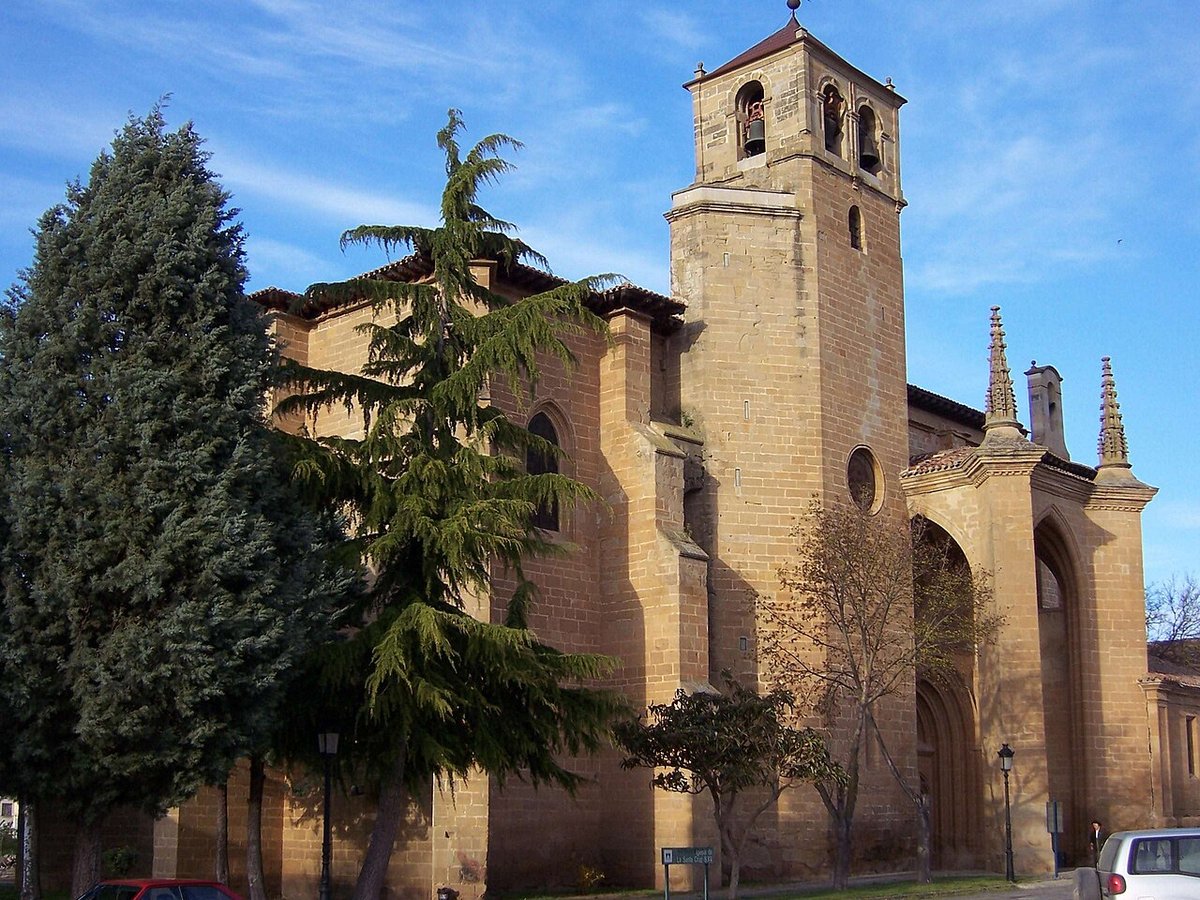
The clearest landmark within the village is the parish church of San Andrés. Built in the 16th century and later altered, it dominates the skyline in the way parish churches often do in settlements of this size. Historically, such buildings were places of worship and also points of reference, helping to organise both social life and the physical layout of the streets.
Around this presence, the rest of the village takes shape. The houses reflect their agricultural context. Many have wide gateways that once allowed carts to pass through and today often serve farm machinery. Walls are built of stone or adobe, practical materials suited to the climate and available locally. Simple wrought-iron balconies overlook the street.
On some façades, deep wooden eaves still project noticeably from the roofline. These were designed to shield walls from rain and from the intense summer sun. The overall impression is not of grand or monumental architecture, but of buildings made for use. In Santurde de Rioja, practicality has always mattered more than display.
Tracks Through Fields and Vines
Step beyond the built-up area and agricultural tracks begin almost immediately. These are dirt roads that cut through cereal fields and small vineyards, used daily by tractors and trailers. They are not marked as official walking routes, yet they can be followed on foot or by bicycle, provided care is taken to move aside when machinery passes.
The landscape is open and expansive. From certain points it is possible to glimpse the corridor followed by the national road, and beyond that the area around Santo Domingo de la Calzada. This nearby town is one of the historic centres of the Camino de Santiago in La Rioja, the long-distance pilgrimage route that crosses northern Spain. Even without entering Santo Domingo itself, its presence helps place Santurde within a wider geographical and cultural setting.
Light plays a noticeable role in how the area is perceived. In spring, the young cereal crops bring fresh greens to the fields. By early summer, once the ears of grain have formed, the tones shift towards gold. The change is gradual but clear, marking the progression of the farming year in visual terms.
There are no signposted viewpoints or formal observation points. Instead, the understanding of the landscape comes from walking a short distance from the houses and looking back at how the settlement sits among its fields.
A Short Walk Through the Streets
Santurde de Rioja can be explored in a relatively short time. A slow walk along the main streets is enough to grasp its scale. Heading towards the church of San Andrés provides a natural focal point, and along the way it is worth paying attention to the older houses where elements of traditional rural architecture are still evident.
Details such as large wooden doors, thick walls and modest ironwork speak of a way of life tied to storage, livestock and seasonal work. The streets themselves are straightforward, without complex layouts. Their simplicity reflects gradual growth over time rather than any formal urban planning.
After passing through the centre, one of the agricultural tracks can be followed outwards. There is no need to go far. Within a few minutes of leaving the last houses behind, the relationship between the inhabited nucleus and the surrounding plots becomes clear. The village does not feel separate from its fields; it feels embedded within them.
This close connection defines the character of Santurde de Rioja. The built environment and the cultivated land are interdependent, and that link remains legible to anyone walking the perimeter.
Practical Considerations
In summer, the sun can be intense and there is little shade once outside the built-up area. Anyone planning to walk along the agricultural tracks would do well to head out early in the morning or later in the afternoon.
It is also important to remember that these tracks are part of everyday agricultural work. Accesses should not be blocked with parked cars, and cultivated fields should not be entered. Respect for the working landscape ensures that visits remain compatible with local routines.
Santurde de Rioja lies just a few kilometres from Santo Domingo de la Calzada. From Logroño, it can be reached by following the N‑120 westwards and then turning off onto local roads in the area. The village itself is small, and parking on one of its streets is generally straightforward.
A stop here works well as a brief pause within a broader route through the villages around the Oja valley or near Santo Domingo de la Calzada. Rather than offering major sights, Santurde de Rioja provides a clear view of rural La Rioja as it continues to function today: fields under wide skies, a 16th-century church at the centre, and streets shaped by agricultural life.