Full Article
about Santurdejo
Small town next to Santurde; quiet, with traditional architecture.
Hide article Read full article
An Afternoon That Slows Everything Down
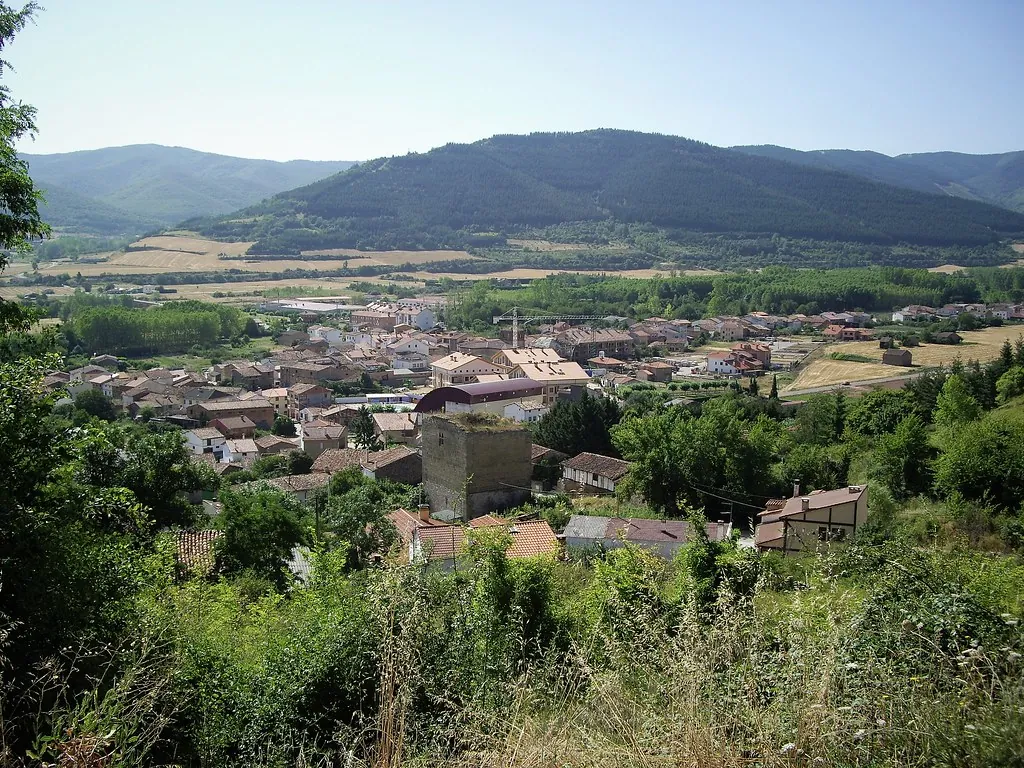
At five in the afternoon, the light falls at an angle across the stone walls of Santurdejo, and the silence fills with the dry sound of leaves underfoot. There is little to distract from it. Narrow streets, houses that have aged slowly, some with worn paint, others with curtains hinting at life still unfolding inside.
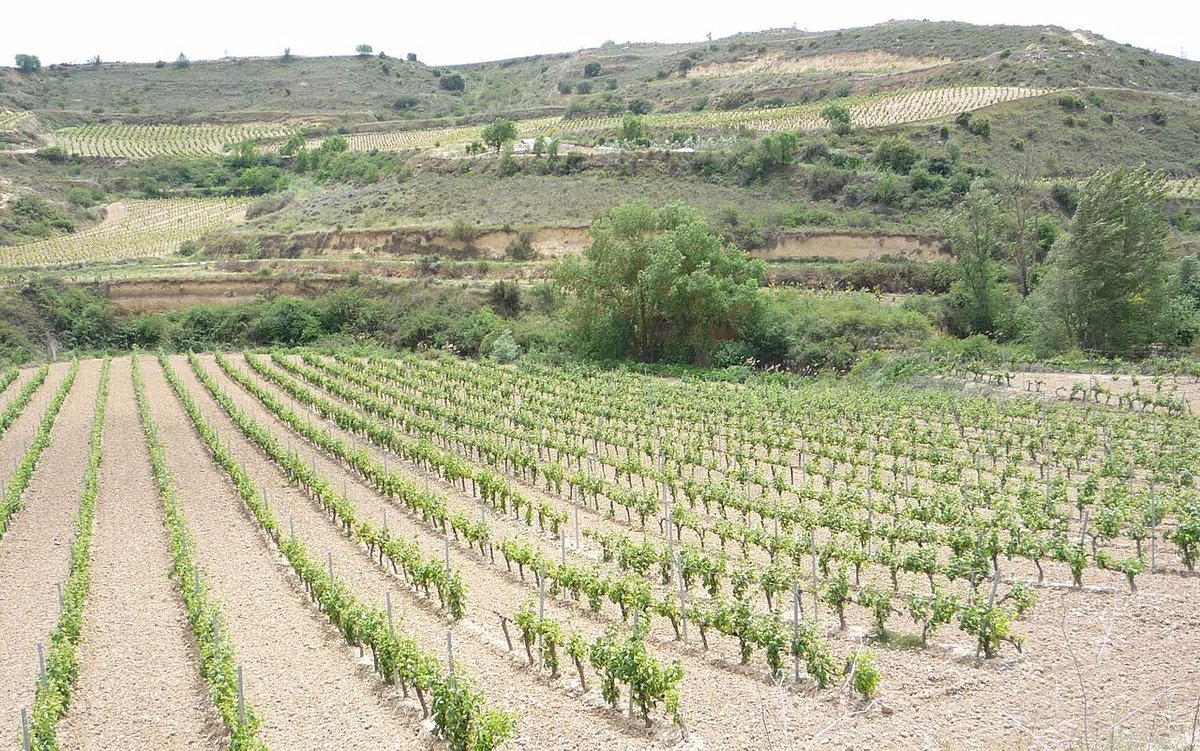
Set just over 700 metres above sea level, the village sits among cereal fields, patches of vineyard and areas of low scrub. It does not try to impress. A small cluster of houses, a church, and the open horizon of Rioja Alta, one of the wine-producing areas of La Rioja in northern Spain.
There is no sense of urgency here. Walking feels unhurried by default, accompanied by the wind slipping around corners and nudging a loose shutter now and then.
San Torcuato at the Centre
The church of San Torcuato stands at the centre of Santurdejo’s small network of streets. The current building is relatively new, constructed only a few years ago after the previous church disappeared. It is not large or heavily decorated, yet it fulfils a familiar role in villages of this size: it marks the point around which everything else is arranged.
From the square, the older houses come into view. Their stone doorways are framed by irregular voussoirs, and their walls show layers of repair from different periods. Windows have changed shape and size over time, adapting to needs that shifted with each generation. Many façades still carry traces of these alterations, mismatched lines, different stones, subtle signs that the buildings have been adjusted rather than replaced.
The effect is not polished, but it is revealing. The village shows its changes openly, without trying to smooth them over.
Walking Between Fields and Vines
Santurdejo can be crossed in a short time, yet it rewards a slower pace. There are iron grilles holding small plant pots, wooden doors darkened by years of use, and walls where the plaster has fallen away to expose the stone beneath.
Step beyond the built-up area and agricultural tracks begin almost immediately. These are simple dirt paths running between long, straight plots of land. In summer, once the cereal has been cut, the air carries a dry scent, something close to warm straw. By autumn, the landscape shifts with the vineyards and freshly turned soil.
Looking up, it is common to spot birds of prey gliding overhead. A kestrel may hover for a few seconds, suspended in place before dropping suddenly towards the ground.
Wine culture is part of the setting, though it appears more in the landscape than in organised experiences. Small vineyard plots sit alongside cereal fields, and traditional wineries are scattered around the surrounding area. It is a working environment rather than a curated one, where cultivation shapes what you see more than any formal route or visit.
Light, Heat and the Right Moment
A couple of hours is enough to walk through the village and explore the nearby paths. Timing, however, changes the feel of the place.
The most favourable light arrives towards the end of the afternoon. As the sun lowers over the fields, shadows stretch across the long lines of cultivated land, emphasising the geometry of the plots and the texture of the terrain.
In high summer, the middle of the day is best avoided. Heat clings to the stone, and there is very little shade in the streets. The village becomes still in a different way then, less inviting for walking, more about waiting for the temperature to drop.
A Small Stop in Rioja Alta
Santurdejo tends to fit naturally as a brief stop while travelling through the area around Santo Domingo de la Calzada, a nearby town that draws more attention. This village does not compete with that. It remains quiet, surrounded by cultivated land, moving at the slower rhythm typical of places with fewer than a hundred residents.
Nothing here is designed to stand out. What defines Santurdejo is its steadiness: the way the streets hold onto their past alterations, the way the fields shift with the seasons, and the way time seems to pass without pressure.
It is a place to pause rather than to seek out attractions, to notice small details rather than expect grand ones.