Full Article
about Tormantos
Border village with Burgos on the Tirón bank; fertile plain and heraldic palaces.
Hide article Read full article
A Slow Start in the Square
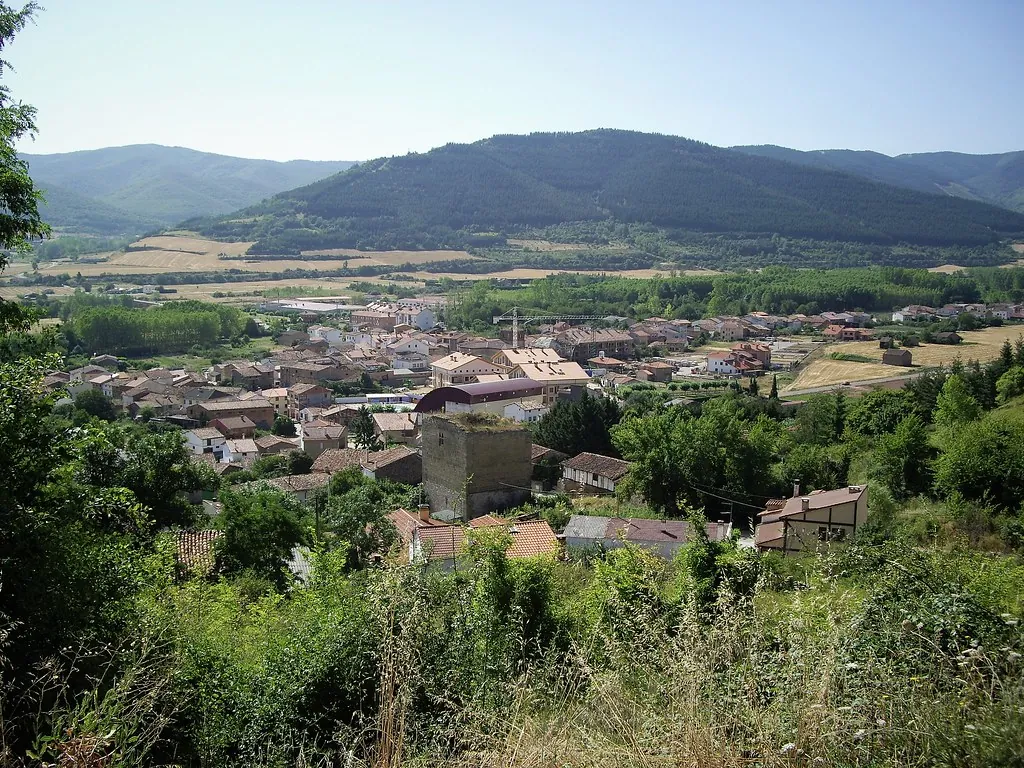
Early in the day, when the sun still falls low across the square, Tormantos feels unusually still. The quiet has a certain weight to it. A door opens somewhere, a car starts briefly, and that is about all that breaks the silence. Tourism in Tormantos begins without signs or set routes. There is no obvious starting point, just a grey stone church at one end of the square and a handful of streets slipping between brick houses, plain doorways and iron grilles.
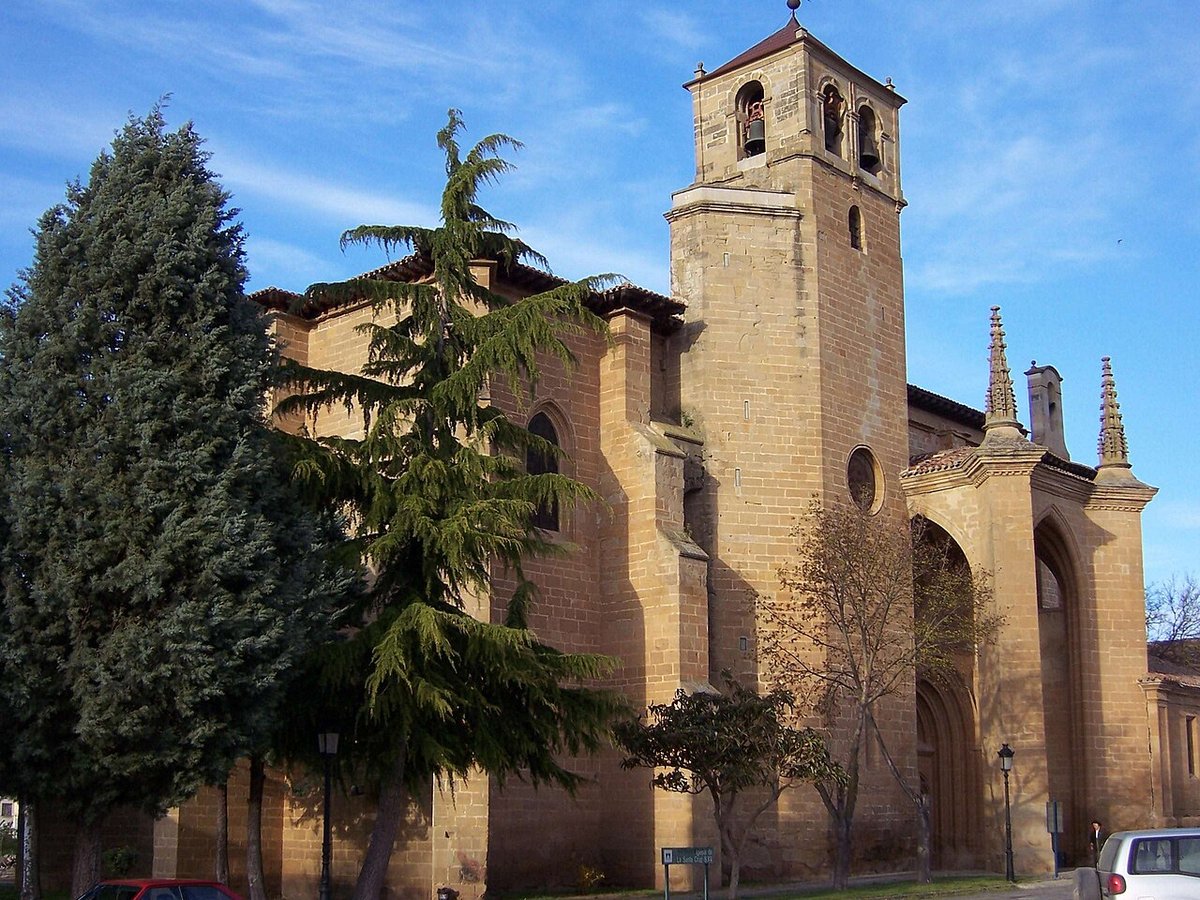
The Iglesia de San Esteban stands over the small centre. Its tower appears before reaching the village, rising above the reddish roofs. The building is generally placed around the 16th century, though a closer look reveals changes from different periods. Some windows have older shapes, parts of the wall show lighter stone, and there are subtle repairs scattered across the structure. Even when it is closed, which is quite common in villages of this size, it is worth walking around it slowly. The stone has a muted tone that shifts noticeably depending on the light.
Short Streets, Everyday Life Behind the Doors
Tormantos has just over a hundred residents, and it takes only a few minutes to cross from one end to the other. It makes more sense to slow down. The streets are straight, narrow and generally quiet. Facades combine brick, rough stonework and wooden gates, many of which lead to underground cellars carved beneath the houses.
Now and then, a half-open door offers a glimpse of a courtyard with farm tools, or a corral where equipment and trailers are still kept. There are no explanatory panels or designed routes for visitors. What stands out is how everything continues to function as it always has. Garages, cellars, corrals and grain stores are part of daily life rather than something arranged for display.
On a few buildings, worn stone coats of arms appear. They are not common, but they catch the eye precisely because they interrupt the overall simplicity. They hint at earlier moments without dominating the present.
Where the Village Meets the Fields
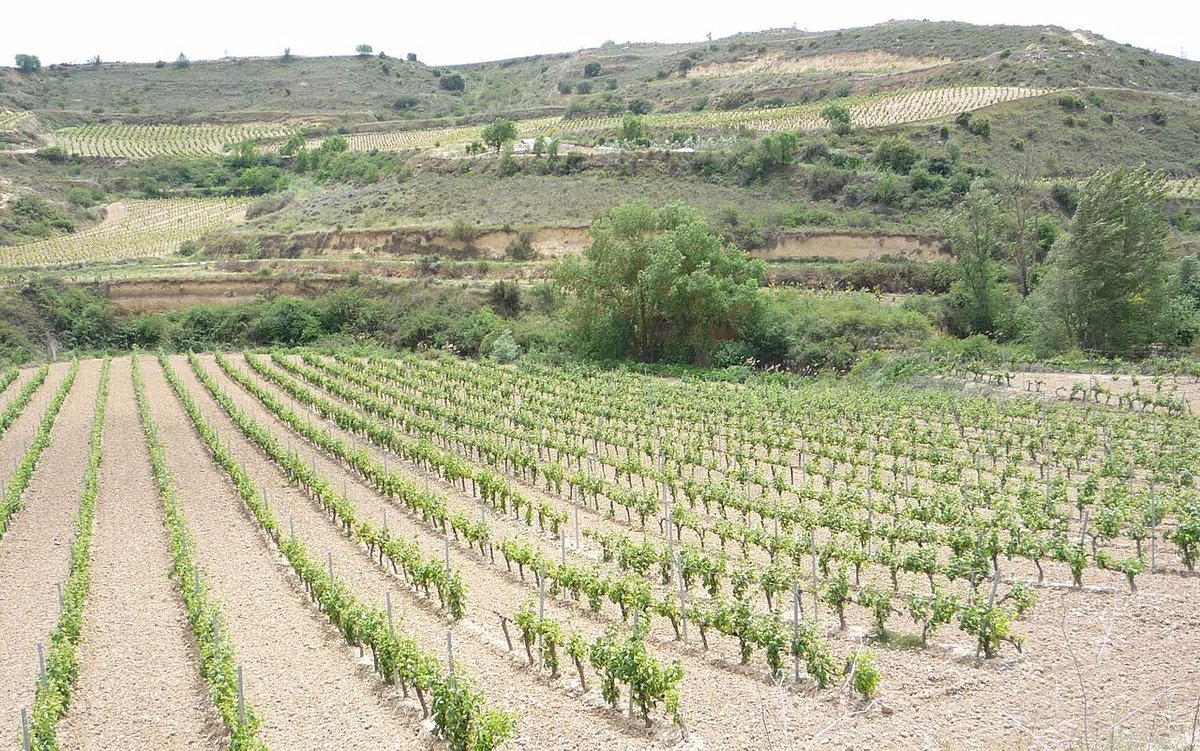
A short walk beyond the last houses is enough for the setting to change. From one of the agricultural tracks that begin at the edge of the built area, the land quickly opens into plots of cereal and vineyard. The walk is easy and mostly flat.
The surrounding fields are typical of La Rioja. Vineyards, including tempranillo and other familiar varieties, sit alongside cereal crops that shift colour with the seasons. In spring, the landscape is light green with damp soil. By late summer, it turns drier and more golden.
On clear days, the mountains of the Sierra de la Demanda can be made out in the distance, closing the horizon to the south. The terrain is not dramatic. It is gently rolling and calm, the kind of place that makes more sense on foot than from inside a car. Walking here gives a clearer sense of how the village fits into its wider agricultural setting.
Timing Your Visit
Tormantos works well as a brief stop on a route through the area around Santo Domingo de la Calzada. A slow circuit of the square, the church and a couple of streets is enough to grasp its character.
In summer, the middle of the day is best avoided. The agricultural tracks offer very little shade, and the heat tends to linger over the fields. Early morning or late afternoon changes the atmosphere. The temperature drops, there is more movement in the village, and the light softens across the facades.
Parking is simple enough along the access streets, after which the centre is best explored on foot. If cellar doors or corrals are open, it is better to look from the outside. In small villages like this, the line between public and private space is still clearly respected.
Getting There and What You Will Find
Tormantos lies close to Santo Domingo de la Calzada, in the western part of La Rioja. The usual approach is by road from that town or from nearby villages in the area. A car remains the easiest way to get around this region.
There is no tourist infrastructure within the village itself. For somewhere to eat or stay, the usual option is to head to nearby towns where services are more available.
Tormantos does not revolve around visitors. It is a small agricultural village where daily activity centres on the land. That is precisely where its interest lies. A short walk, a look across the vineyards from the edge of the village, and a sense of how this place sits within the wider rural landscape of La Rioja.