Full Article
about Villalobar de Rioja
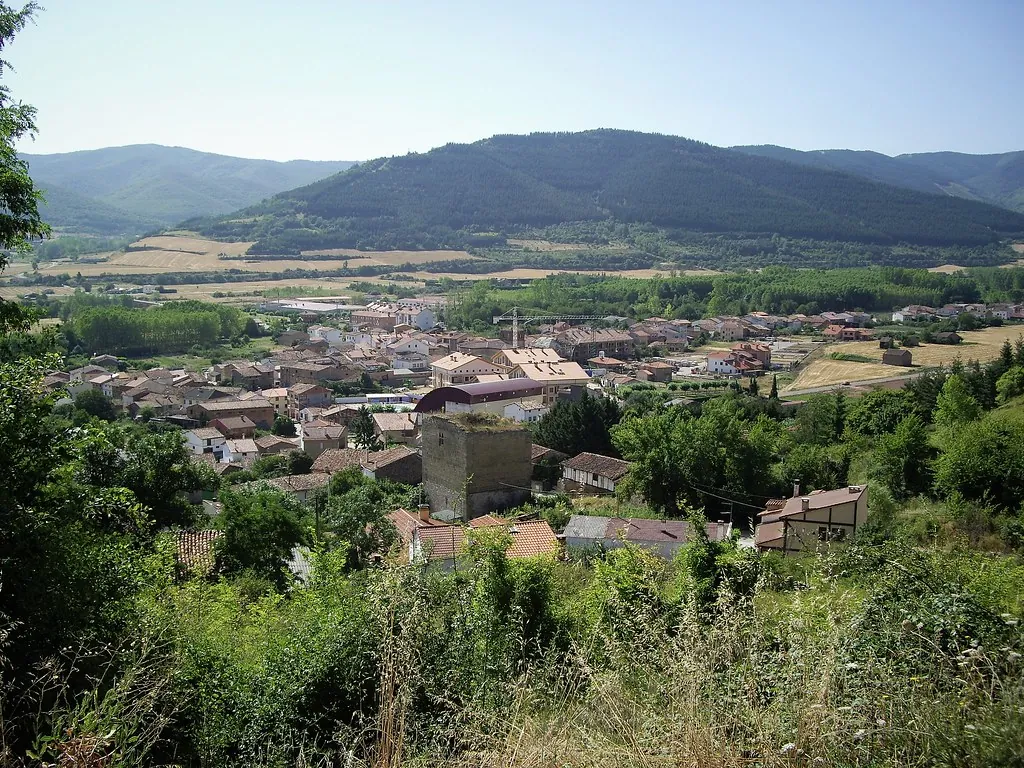
Small hilltop village overlooking the Oja; it still has the remains of a medieval tower.
Hide article Read full article
A village you see quickly
Villalobar de Rioja is small and flat, the kind of place that reveals itself in very little time. Most visitors arrive by car, leave it on one of the streets near the main square, and continue on foot. There is little traffic and parking is rarely an issue.
It helps to arrive with the right expectations. This is not a place that demands a long stay. A short walk of ten or fifteen minutes is enough to cross the centre several times. If you are travelling around the area of Santo Domingo de la Calzada, it works well as a brief stop to stretch your legs and take a look around.
The experience here is simple and direct. There is no sense of rushing, but there is also no need to plan much. The scale of the village sets the rhythm.
Around the square
The centre is compact and orderly. Streets run straight, lined with houses built from stone and adobe. Many of them were once agricultural homes and have since been adapted, though some still show their original character. Large wooden gates remain in place on certain façades, and a number of buildings have avoided heavy modern renovation.
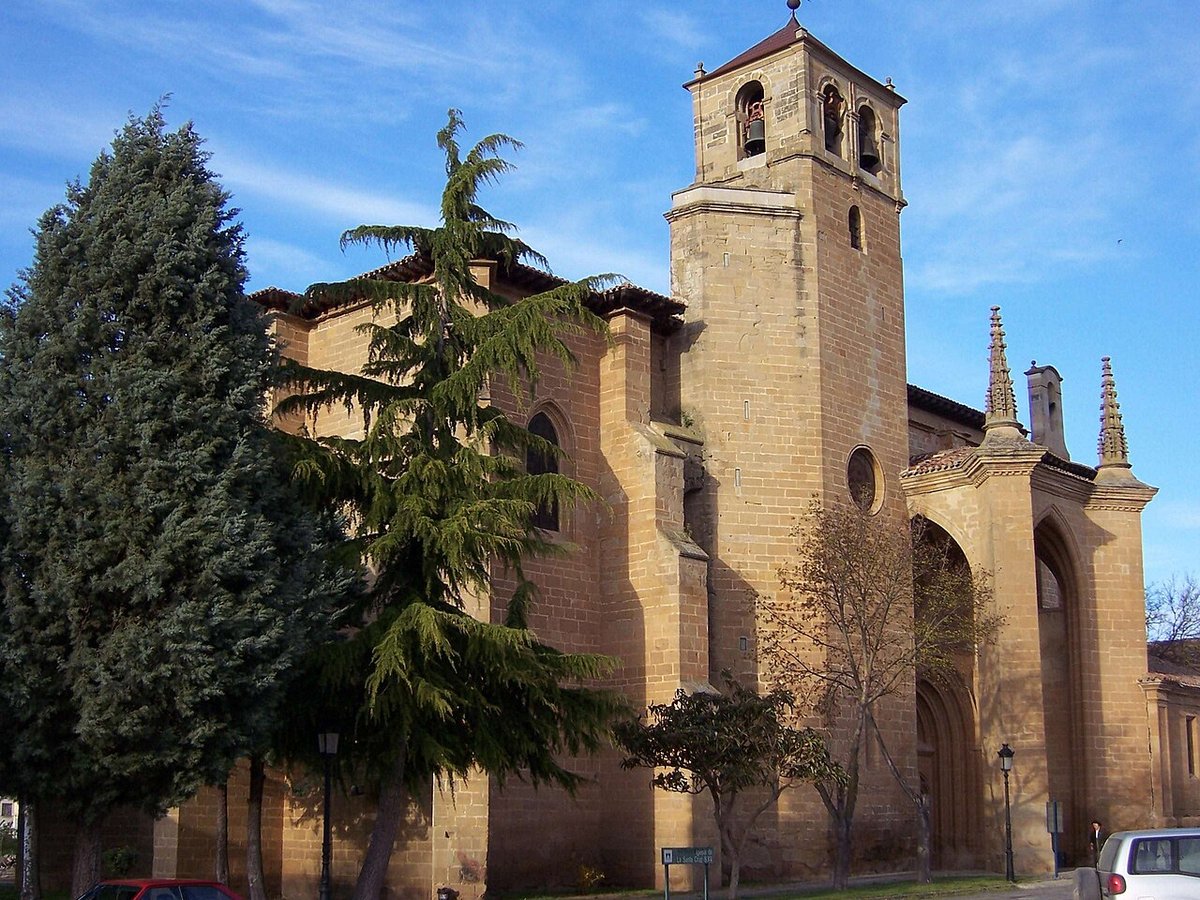
At the heart of the village stands the church of San Andrés, set on the main square. It is a solid structure, similar to many built across La Rioja between the 16th and 17th centuries. From the outside, it is quite restrained. If the door happens to be open, it is worth stepping inside for a brief look. The interior is simple, with a single nave, a few arches, and older altarpieces that are not heavily decorated.
Beyond the church, the rest of the village keeps a practical, agricultural feel. There are no standout monuments or particularly striking corners. What you find instead is a compact cluster of homes gathered around the square and along a couple of main streets. It feels functional rather than ornamental, shaped by daily life rather than by display.
Fields in every direction
Step beyond the last houses and the landscape opens immediately. The surroundings are dominated by cereal crops. In spring, the fields stretch out in green across long distances. As early summer arrives, that green gradually shifts into the golden tones typical of this part of La Rioja.
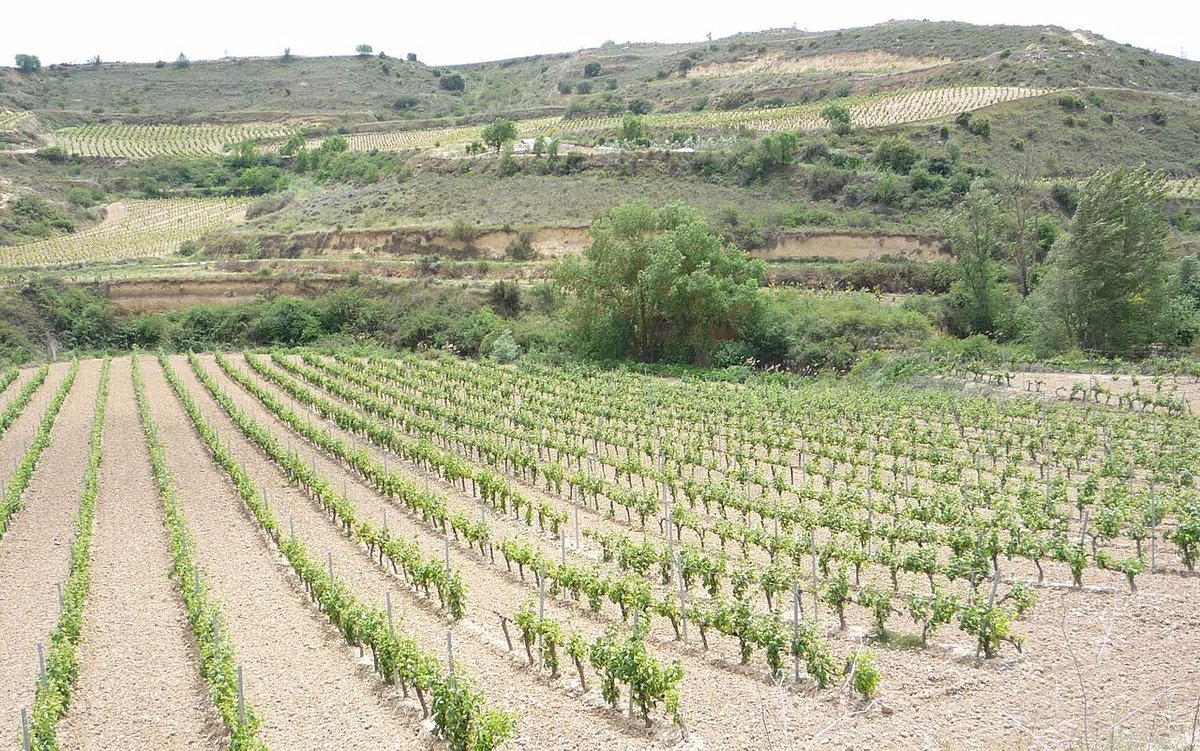
This is not an area known for large vineyards, unlike other parts of the region. You may come across the occasional vine plot nearby, but the usual view is of open fields of wheat or barley. These are divided by agricultural tracks and sometimes by low stone walls.
Those tracks can easily be followed on foot. They are not marked as hiking routes, nor designed for visitors in any formal sense. They are working paths that connect plots of land and neighbouring villages. Still, they are straightforward and flat, with no real risk of getting lost. A short walk along one of them gives a clearer sense of the landscape than anything within the village itself.
Quiet rhythms and local life
Villalobar de Rioja is a very small municipality, and daily life moves at a slow pace. There is little visible activity, especially outside specific moments of the day. You might find a bar open, though it is not something to rely on if you are planning to eat or spend a long afternoon.
The village becomes livelier during its annual festivities in August, held around the feast of the Asunción. At that time, the atmosphere shifts slightly as neighbours come together and simple events are organised. Even then, the scale remains modest and local rather than large or busy.
Outside those dates, the prevailing mood is one of calm. Streets are quiet, and the sense of routine is steady.
When to pass through
Spring and early summer are the most pleasant times to visit. The fields are green, and the days are long enough to enjoy a walk without rushing. As summer progresses, the landscape dries quickly and the heat can become intense around midday.
Autumn brings a different kind of colour, especially in the freshly worked cereal fields. Winter is quieter still, with some days marked by wind rather than activity.
A simple plan
Villalobar de Rioja works best when approached without high expectations. Park the car, walk to the square, take a look at the church of San Andrés, and spend a little time heading out towards the fields. Within half an hour, you will have seen it.
After that, the natural next step is to continue through the surrounding villages. Seen together, they give a clearer picture of this part of La Rioja than any single stop on its own.