Full Article
about Villarta-Quintana
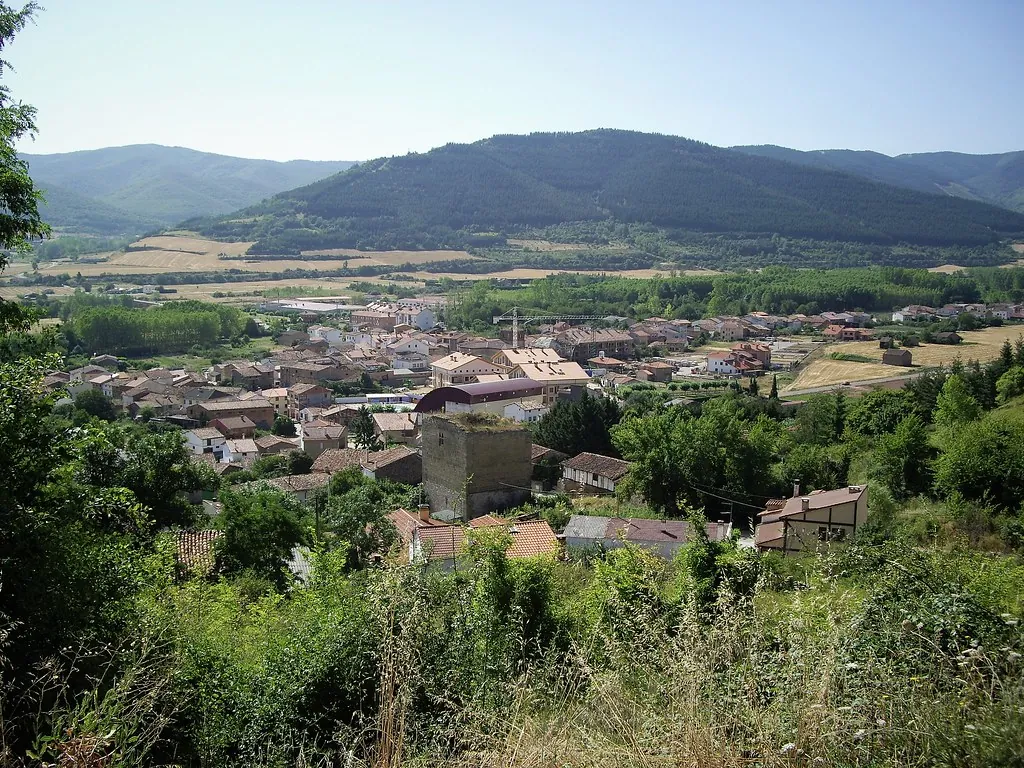
Municipality made up of Villarta and Quintana in the Montes de Ayago; wooded area.
Hide article Read full article
A Quiet Arrival in La Rioja
Villarta Quintana feels a bit like pulling into a motorway service area, stepping out of the car and suddenly noticing how everything goes quiet. Nothing dramatic is happening, yet your body registers the change. This small village in the comarca of Santo Domingo de la Calzada, in La Rioja, works in a similar way. You arrive and, without explanation, the pace drops by a couple of gears.
The journey from Logroño is not long. Just enough time for the scenery to shift from city streets to open countryside. Entering Villarta Quintana, home to just over a hundred residents, brings a familiar sensation. It is like visiting a friend’s village and quickly understanding that things here move according to their own rhythm.
The Church and the Village Core
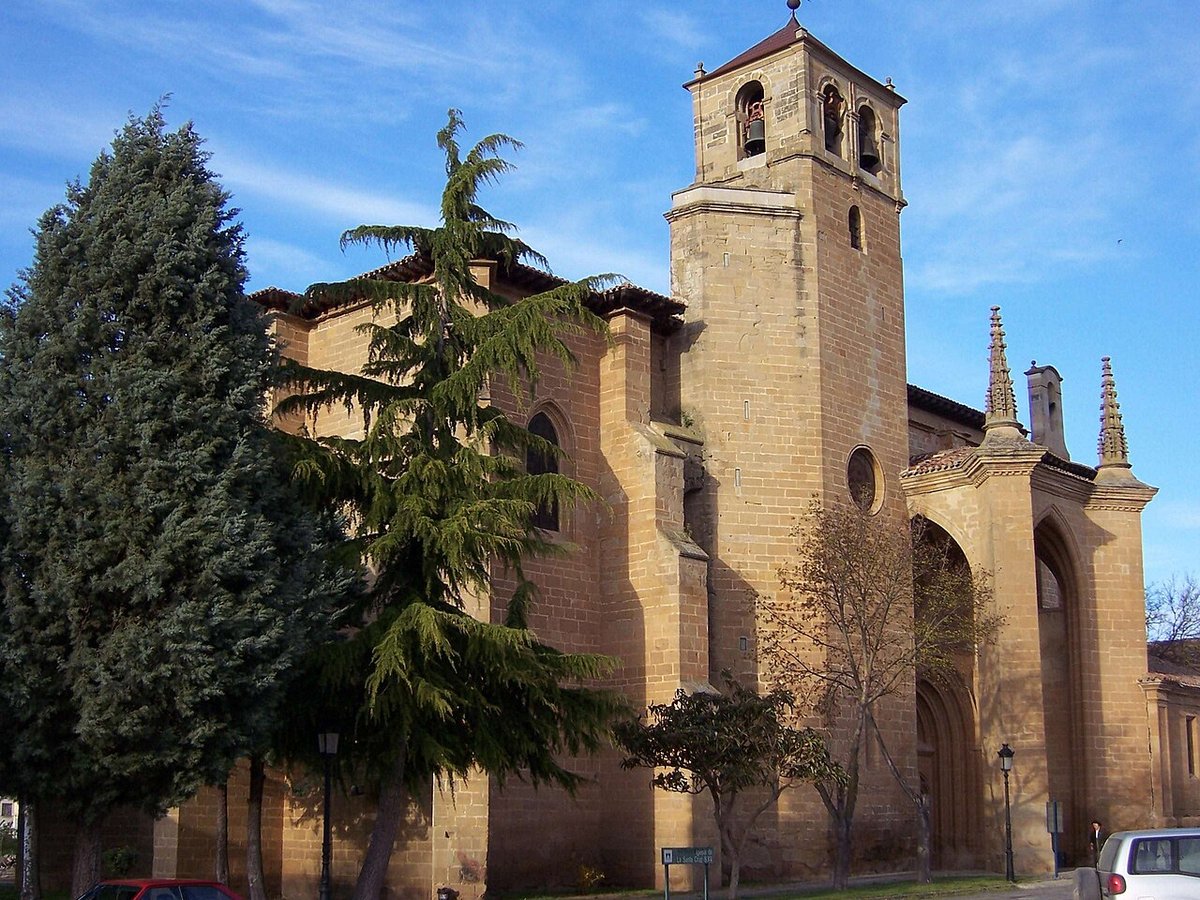
The building that draws the eye is the church of San Martín de Tours. It sits at the centre of village life. Its origins go back to the Middle Ages, although the structure has been altered over time, much like a family house that each generation adjusts in its own way.
It is not a grand monument. The style is restrained. Stone walls, solid doors, a simple interior. Everything fits with the agricultural surroundings that have shaped daily life here for generations.
Around it stand traditional houses. Many are built in stone, others combine it with more modest materials. The streets are short, with gentle turns and no great complexity. Walking through them does not take long. In about ten minutes, the layout of the village becomes clear.
Tracks Through the Fields
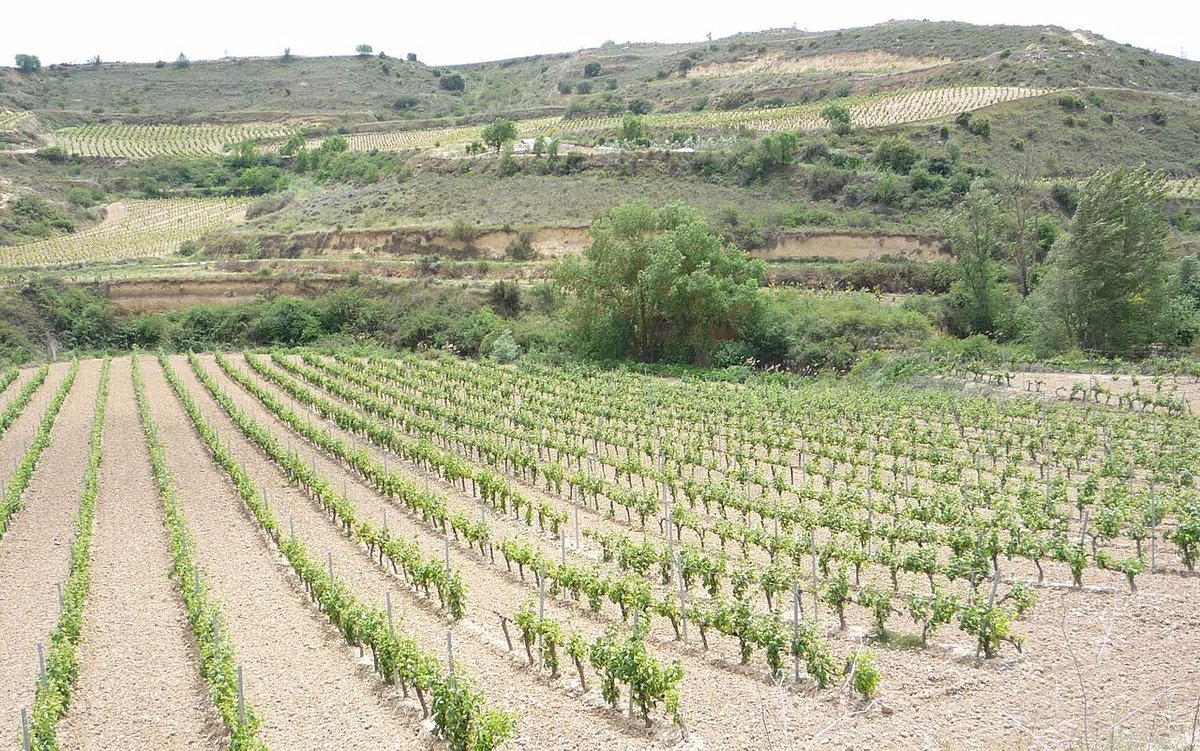
Step just beyond the edge of the village and agricultural tracks begin. These are dirt paths crossing cereal fields. There is nothing elaborate about them. At first glance, the landscape seems plain, but give it a little time and details start to emerge.
The land opens out in all directions. In spring, green dominates. By late summer, the yellow of dry cereal transforms the view. It is a bit like seeing the same room under different light at different times of day. The space stays the same, but the feeling shifts.
This is also a place for farmland birds. There is no dramatic spectacle. Instead, small movements catch the eye along the edges of fields or above the crops.
Traffic is minimal. Occasionally a car passes. Or a tractor moving slowly, as if there is no rush at all.
A Short Walk That Explains Everything
Villarta Quintana does not need a detailed itinerary. In fact, it works better without one.
Start by walking through the central streets towards the church. Notice the large gateways, old animal enclosures, and façades where stone sits alongside more recent repairs. Then take any of the paths leading out into the fields.
Within minutes, the typical image of the area appears: open plots, the odd isolated agricultural building, and a clear horizon. It is a short walk, but enough to understand how this place functions.
It is similar to stepping into someone’s kitchen and, just by looking at the pantry, knowing what kind of food is prepared there.
Local Life and Celebrations
Village celebrations revolve around San Martín de Tours in November. It is more a gathering of neighbours than an event for visitors. Many people with roots here return during those days.
In summer, there are usually simple get-togethers organised by residents themselves. These are small in scale. The atmosphere is that of a working village rather than something designed to attract outsiders.
When to Come
From late spring to early autumn, the countryside is at its most rewarding for walking. The cereal fields, whether still green or recently turned golden, change the landscape noticeably.
In summer, it is best to avoid the middle of the day. The sun falls directly, with little shade to soften it. In winter, cold and morning fog can appear, though they also show the village as it is during its quietest season.
Before You Go
Do not expect a long list of monuments. Villarta Quintana can be explored quickly. Half an hour of walking is enough to get your bearings.
Still, if the idea is to see how a small agricultural village works, it is worth stopping. Places like this can sometimes be easier to understand than more famous destinations.
Drive calmly on the surrounding roads. They are quiet and used by people working the land. Wear comfortable footwear for dirt and gravel, and bring a light jacket. The wind here changes its mood without much warning.