Full Article
about Alcobendas
Major business and residential hub north of Madrid; home to large parks and leading museums.
Ocultar artículo Leer artículo completo
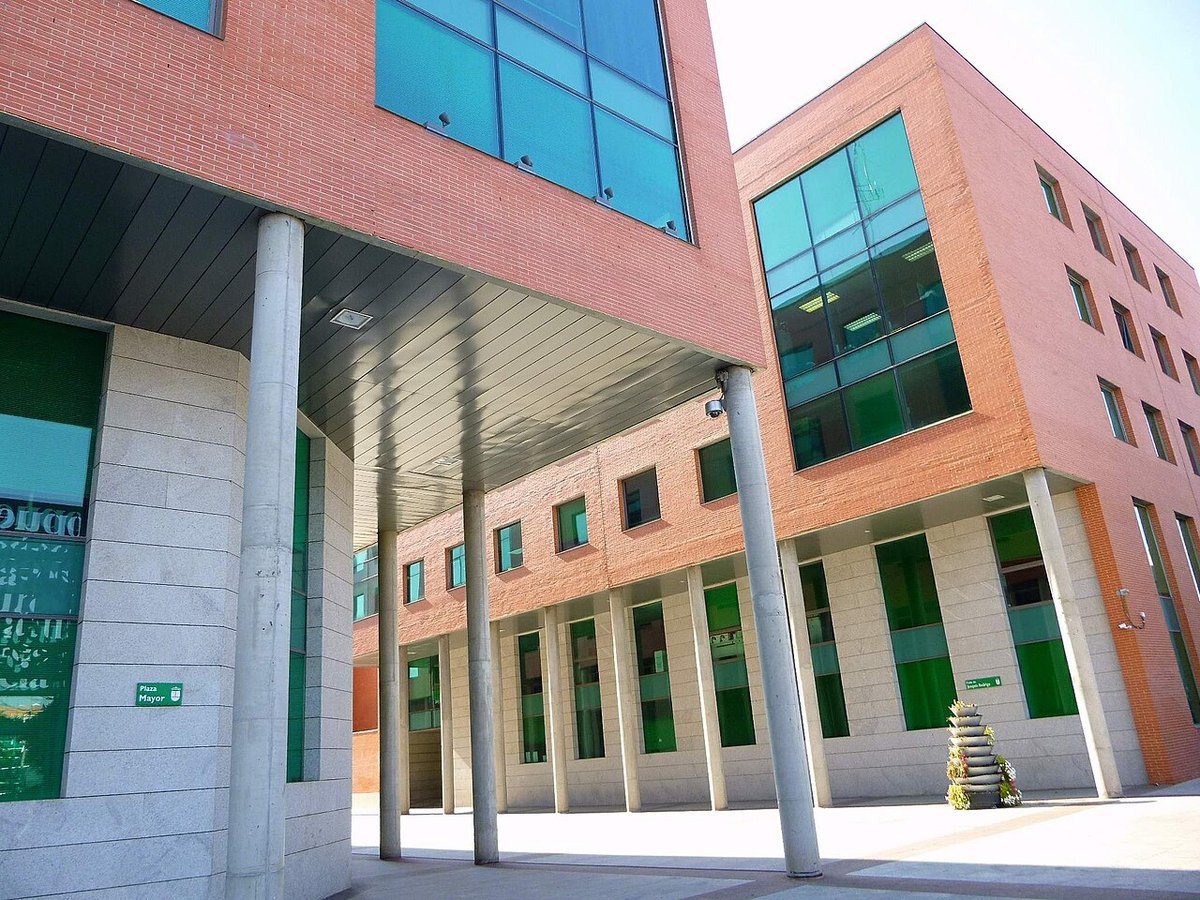
At 670 m above the Meseta, the air in Alcobendas is a shade cooler than downtown Madrid, ten kilometres south. Stand on the pedestrian bridge over the A-1 at 08:30 and you’ll see the commuter exodus in real time: dark coats, coffee cups, earphones in, marching to the metro portals at Marqués de la Valdavia and La Granja. By 11:00 the same streets are quiet enough to hear Iberian magpies in the plane trees. That sudden hush is the moment the town reveals itself—not as a postcard of old Spain, but as a workable break from the capital’s swirl, especially if you’ve already ticked off the Prado and the palace.
What’s Actually Old
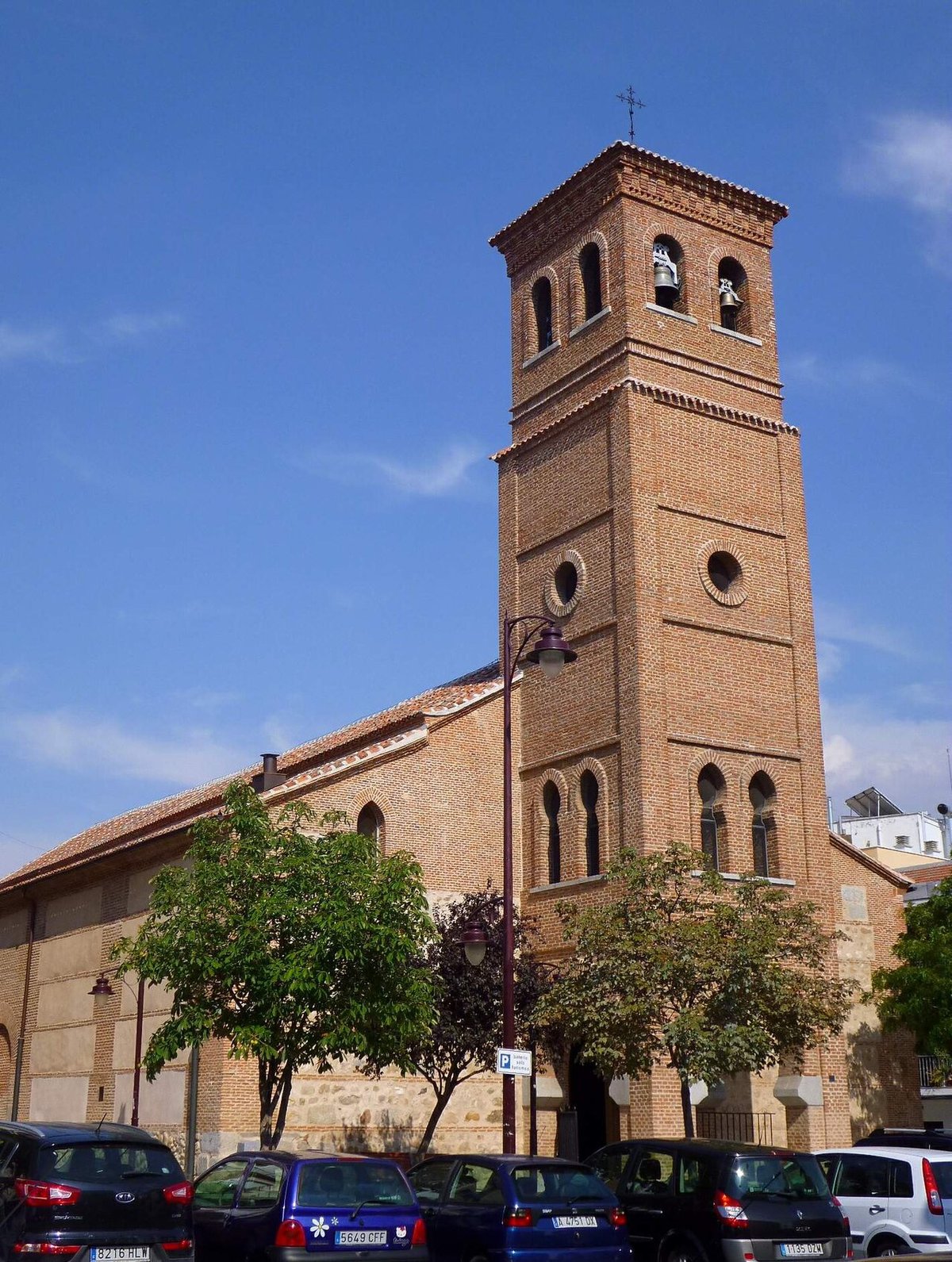
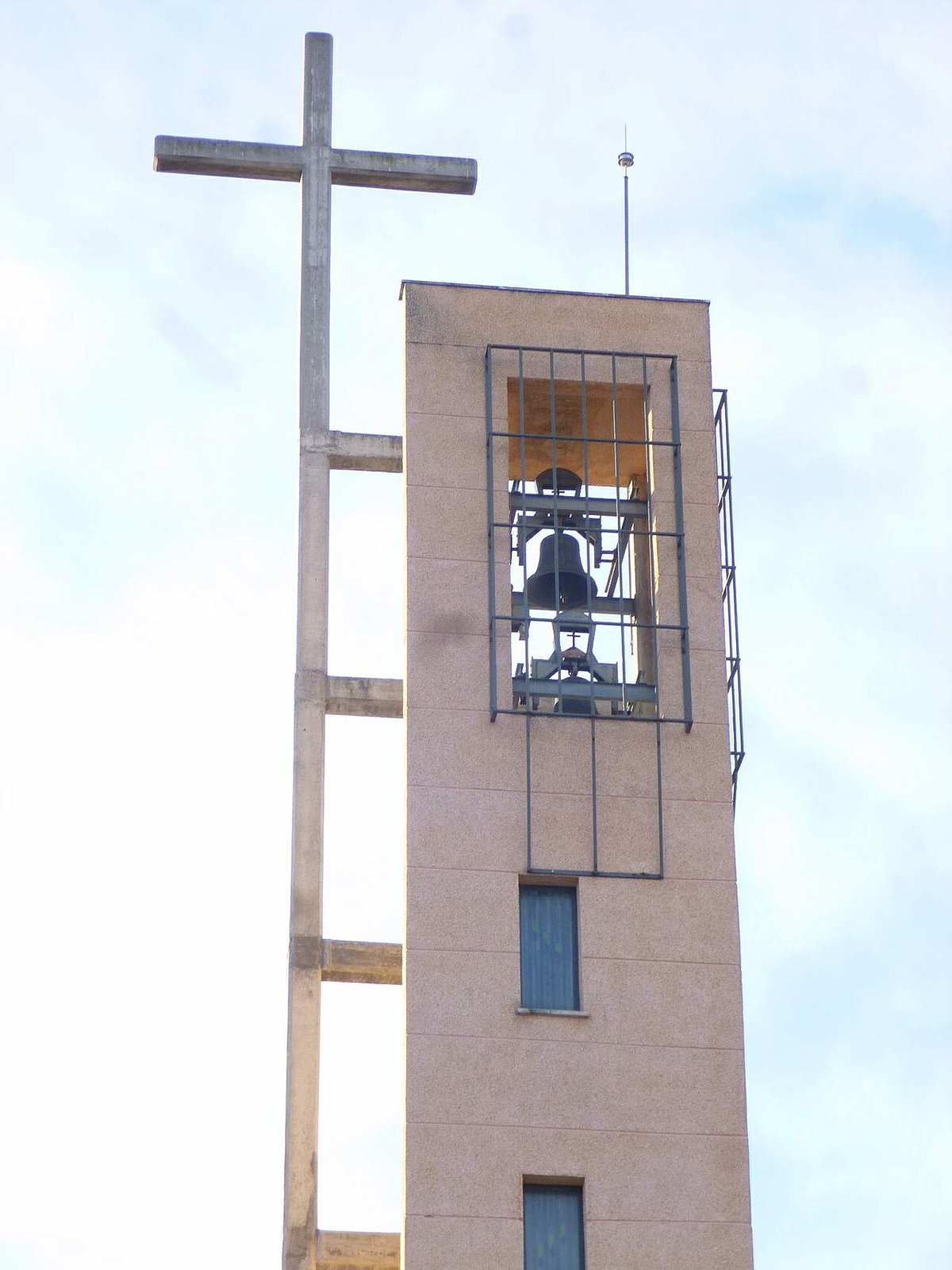
The historic core is barely four streets wide, yet it predates the motorway, the shopping malls and the glass office slabs that now define the skyline. Start in the Plaza de la Constitución where the 16th-century Iglesia de San Pedro Apóstol keeps watch with a mismatched tower—brick on stone, the result of a hurried rebuild after lightning struck in 1888. Walk the block slowly and you’ll spot 1920s shopfronts squeezed between 1960s apartment bricks, their ground floors now estate agents and orthodontists. Round the corner to the Palacio del Marqués de Alcanices: private, so you can admire only the ochre façade and the heavy wooden portal before the neighbour’s dog starts barking from a balcony. Ten minutes, maybe fifteen, and the architectural timeline is done; the rest of Alcobendas is modern, leafy and resolutely suburban.
Green Space Without the Coach Parties
When Madrileños talk about “la Dehesa” they mean the Dehesa Boyal, a 500-hectare wedge of holm-oak woodland that nudges the town from the north. Paths leave from Avenida de Burgos and within five minutes the traffic hum thins to cicadas. There are no way-marked GR routes, just dusty tracks that fork every few hundred metres; keep the sun on your left and you’ll eventually loop back to civilisation. Joggers use the main track after work, but mid-morning you might share it only with a pair of elderly mushroom hunters and the occasional mountain biker. Autumn brings a brief, loud splash of colour—ochre, rust, the odd flare of red from a maple someone planted decades ago—while July is best avoided after 11:00 when shade is scarce and the thermometer edges past 35 °C.
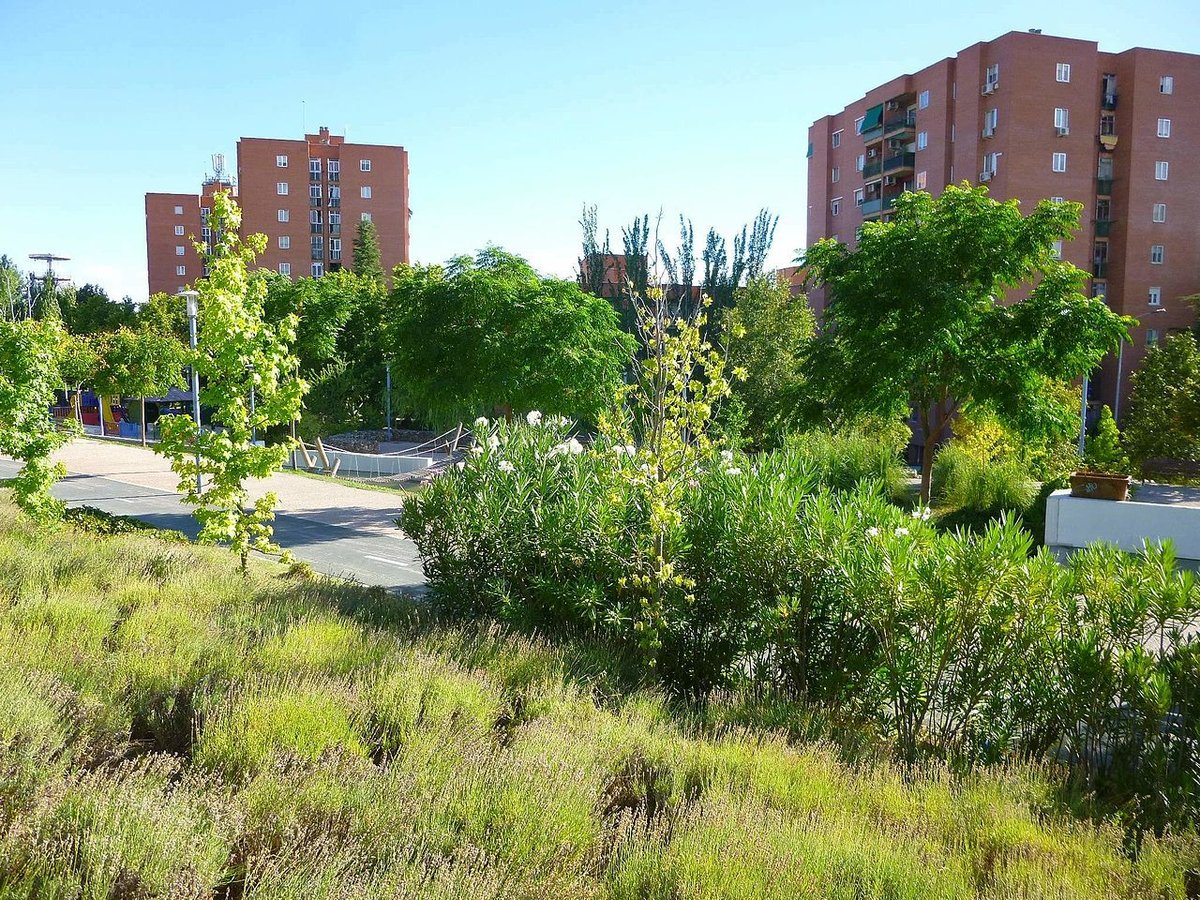
Closer in, Parque de Andalucía does the job of a municipal lung: broad lawns, a lake with ducks, outdoor gym kit that creaks in winter frost. On Saturdays the place fills with birthday parties and balloon sellers; on weekday afternoons it’s colonised by sixth-formers comparing exam results. Either way, benches are plentiful and the kiosk still sells 1 € cañas of lager, plastic cup, no questions asked.
Eating: Where the Menu Isn’t in English
British visitors expecting a tapas trail will be disappointed; Alcobendas runs on set-menu lunches and neighbourhood dinner houses. For something approaching traditional, try Casa Paco on Calle Major: white walls, hams on the ceiling, daily guisos (stews) that rotate through lentils, chickpeas with morcilla, and beef cheek in Rioja. The three-course menú del día is €14 mid-week and arrives with a half-bottle of house wine you’ll be encouraged to finish before 16:00 closing. Vegetarians survive on tortilla and the ubiquitous tomato-rubbed toast; vegans should head to the shopping centre. Speaking of which, La Gran Plaza mall at the metro exit has a Rodilla sandwich bar—handy if you’ve children who refuse anything that isn’t ham-and-cheese on white sliced bread—and a Mercadona where you can buy picnic fodder for the dehesa.
Getting Here, Getting Out
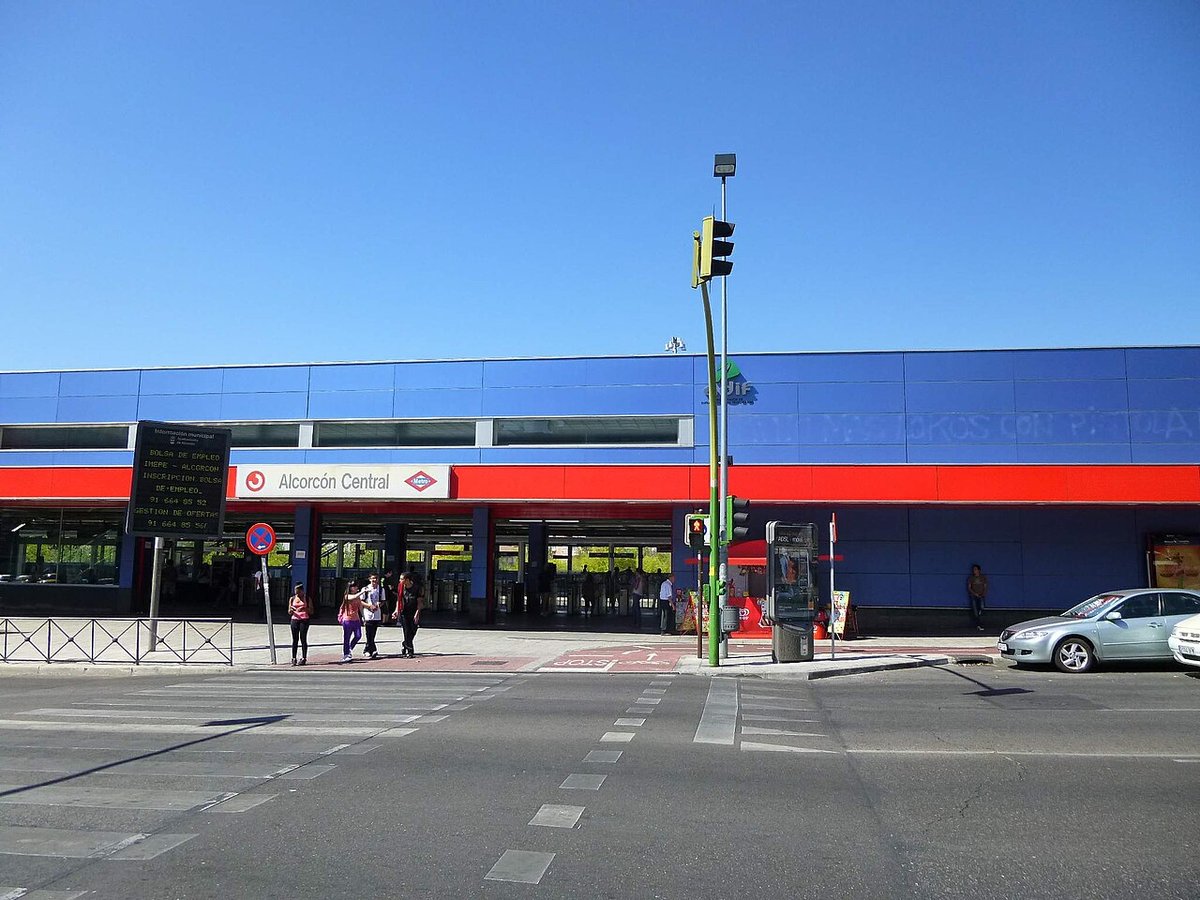
Alcobendas sits on Metro lines 4 and 10, both terminating in the town but reaching Madrid’s centre in under 25 minutes. A Zone-A Tourist Travel Pass (€8.40 for 24 h) covers the lot, cheaper than juggling singles from the airport. If you land after 01:30, the metro is shut; a pre-booked taxi from Barajas runs about €28 fixed fare and takes fifteen minutes on the empty motorway. Drivers should note that on-street parking near the old centre is metered Mon-Fri 09:00-20:00 and scarce on Saturdays; leave the car in the free gravel strip beside the dehesa and walk ten minutes in.
Sunday service is thinner: trains every hour on the C-4 Cercanías, metro intervals stretching to eight minutes. Miss the 22:07 back to Madrid and you’ll cool your heels on the platform until 23:05, an exercise in Iberian patience.
When to Come, When to Skip
Spring—late March to early May—is the sweet spot: daytime 18-22 °C, holm oaks in fresh lime leaf, wild marjoram scenting the paths. September works too, though evenings can still hit 28 °C. August is dead; half the restaurants close and the dehesa is a tinderbox. Winter brings sharp, clear days when the Sierra snowline looks close enough to touch, but the parks empty at 17:00 when the sun drops behind the ridge and the temperature follows, fast.
The Honest Verdict
Alcobendas will never compete with Segovia’s aqueduct or El Escorial’s grandeur. What it offers is a slice of working Madrid dormitory life: a brisk woodland walk, a decent lunch that costs less than a Pret sandwich, and a church tower that has seen everything from Civil War trenches to Sunday evening hand-holding. Stay for a morning, perhaps an afternoon if the art cinema has a Spanish-language matinée with subtitles. Then hop back on the metro and let the commuters reclaim their streets.