Full Article
about Alcorcón
Large city south of Madrid with a strong identity; known for its palace-castles and wide range of shops.
Ocultar artículo Leer artículo completo
A 20-Minute Metro Ride from the Palace, a World Away from the Postcards
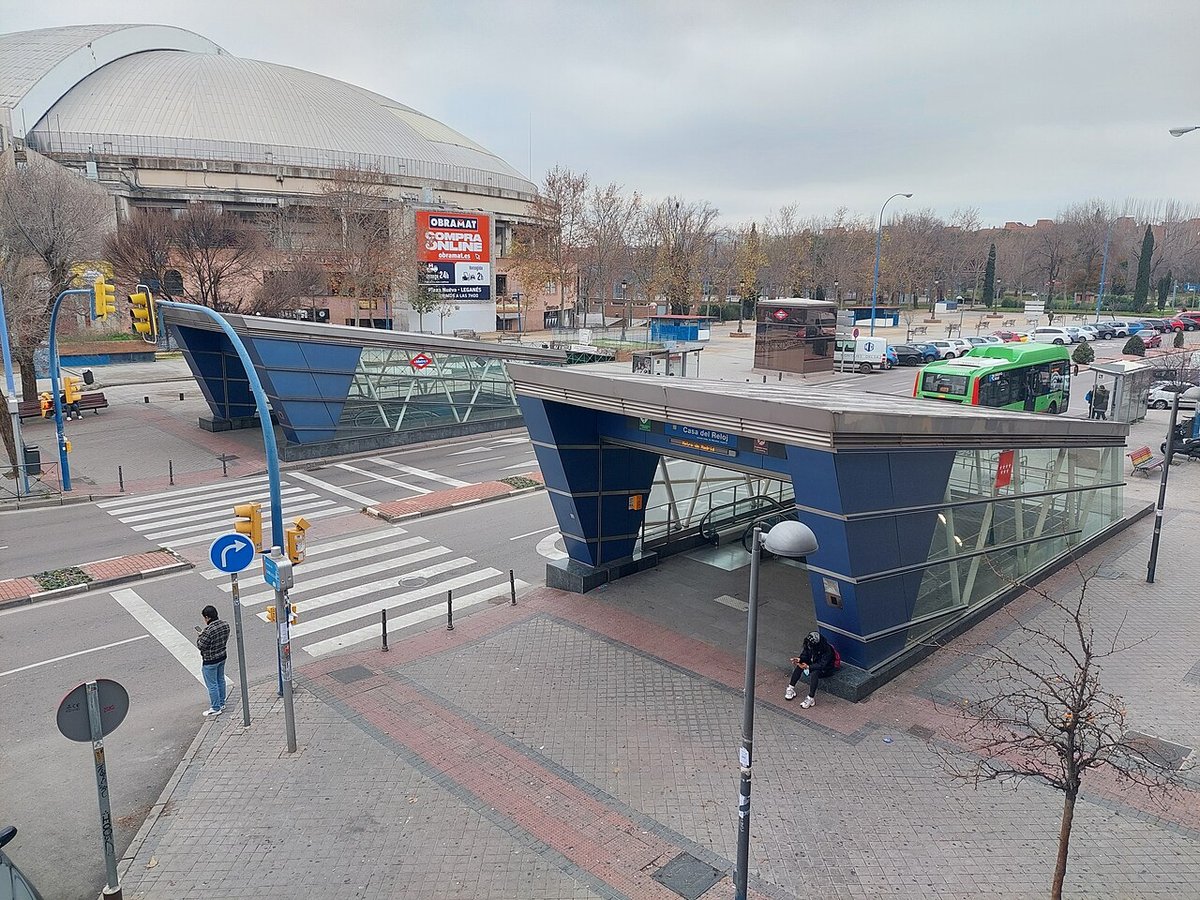
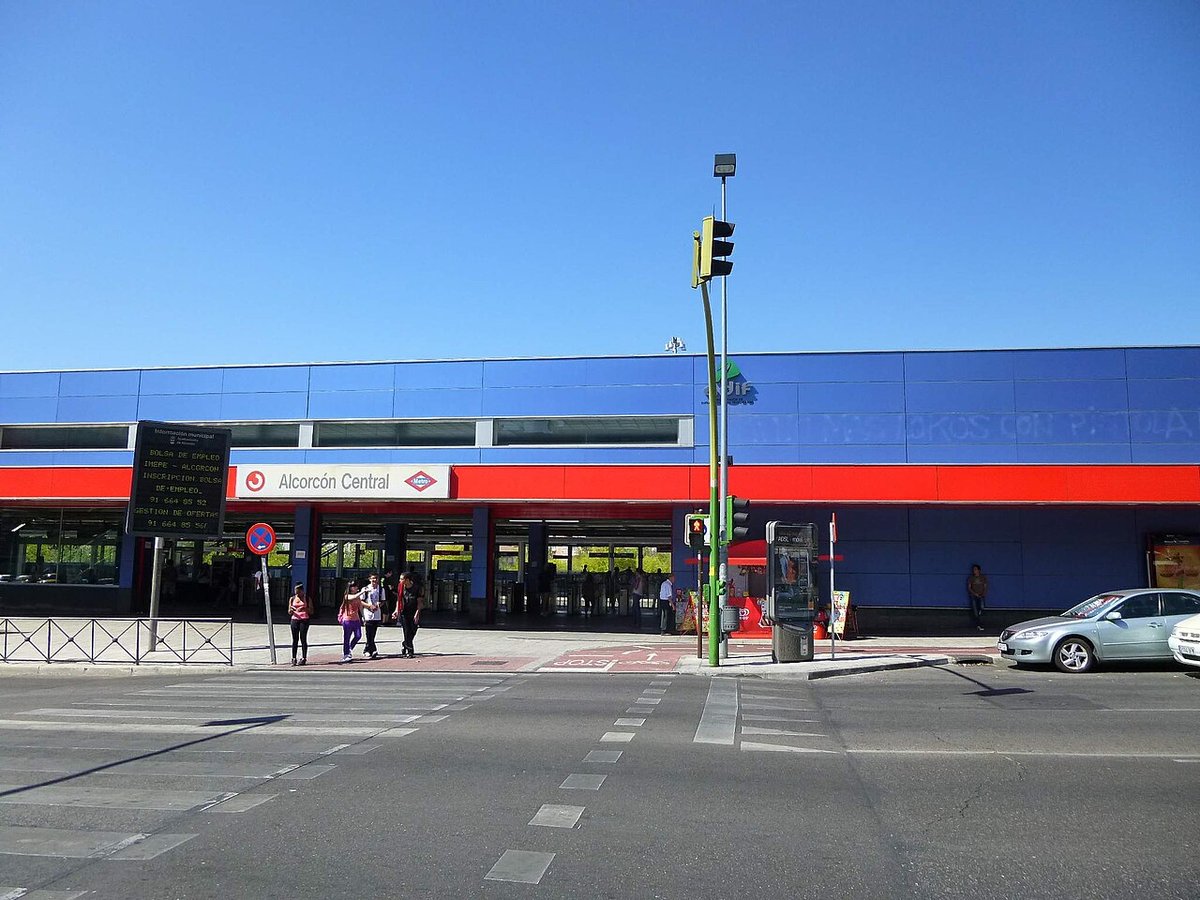
Stand on the platform at Madrid’s Príncipe Pío station at eight-thirty on a weekday morning and you’ll see them: office workers clutching takeaway coffees, students with AirPods in, a handful of tourists who’ve read the same money-saving tip on a Reddit thread. They’re all waiting for the grey-and-green Line 10 that shuttles southwest to Alcorcón. Twenty-one minutes later the doors open at Alcorcón Central and the fare, if you’ve bought the €8.50 Metrobús ten-trip ticket, has worked out at 85 cents. That’s roughly the price of a packet of Walker’s crisps in central London, and it’s the first clue to why British visitors are quietly booking apartments here instead of in the capital’s tourist core.
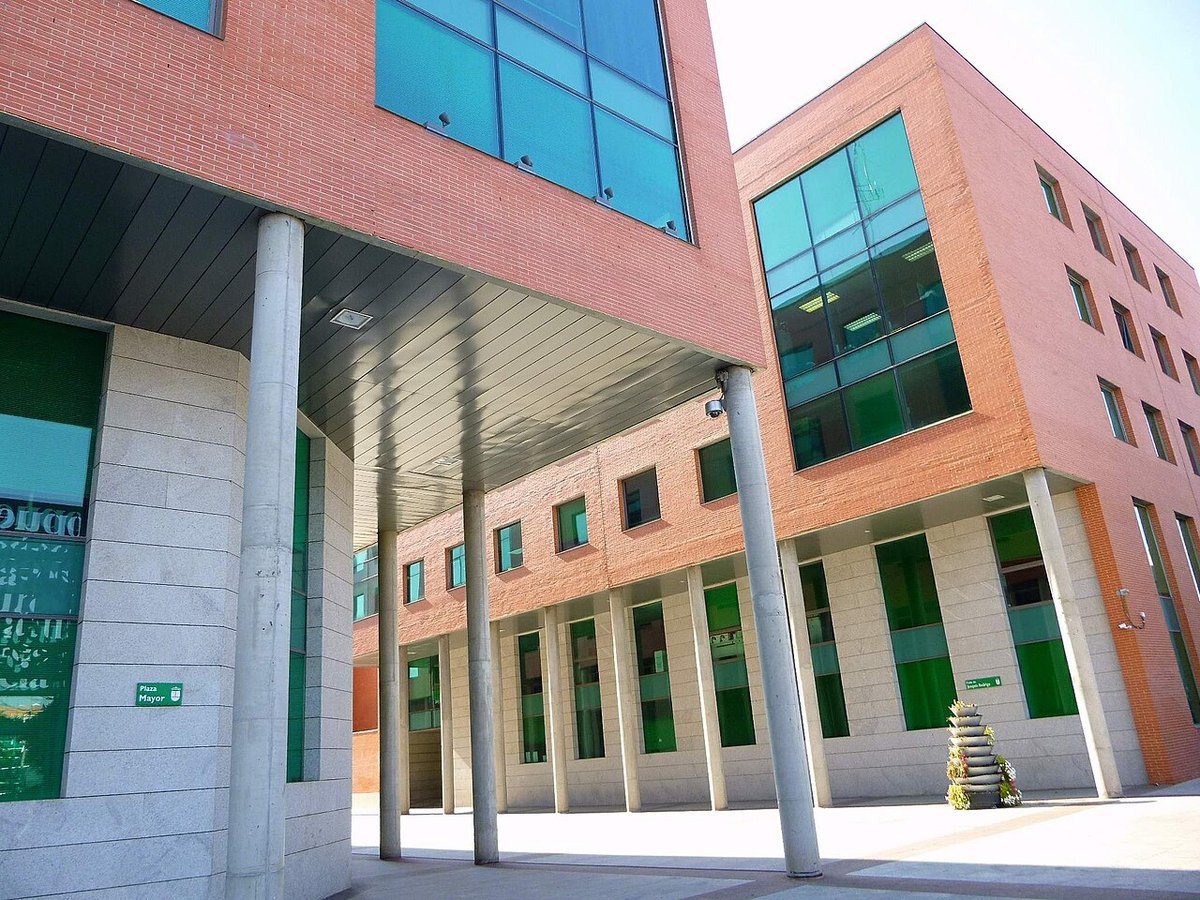
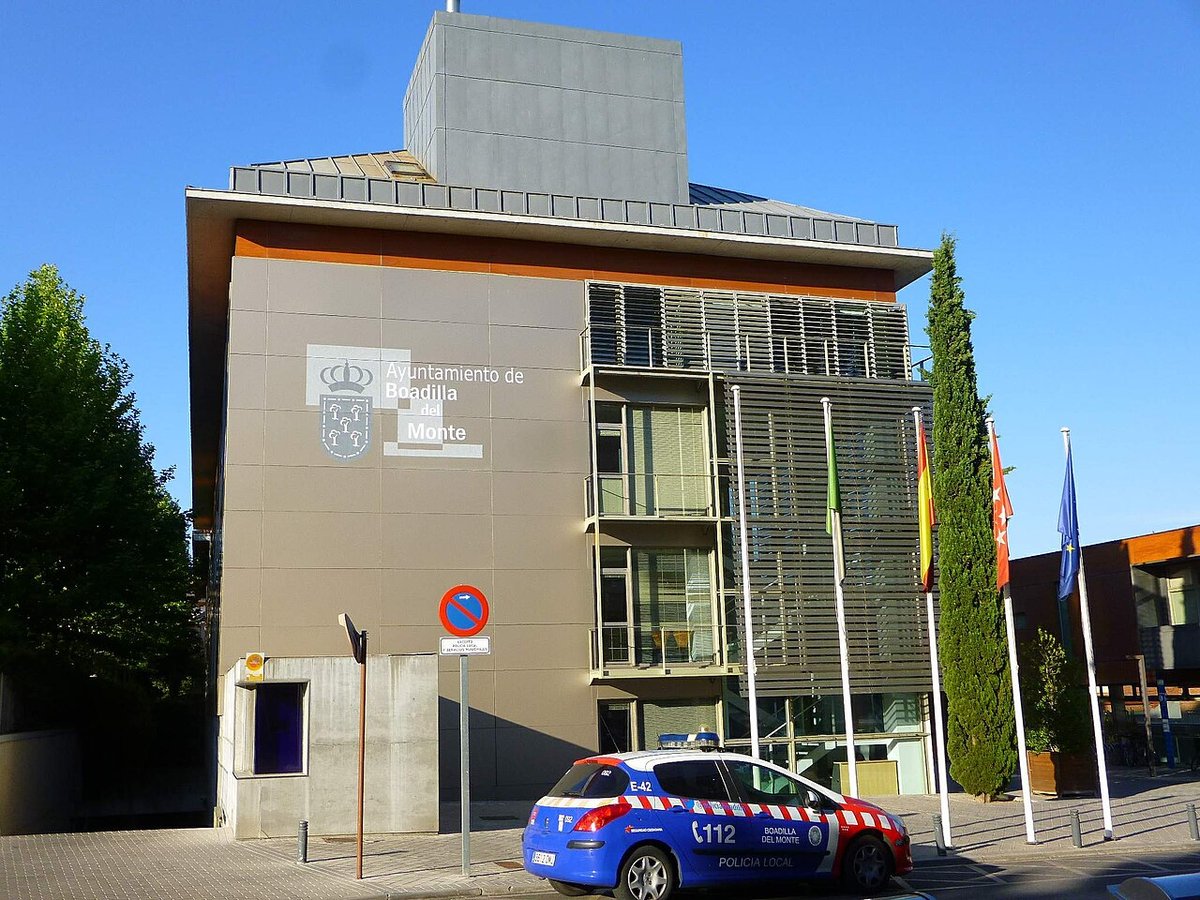
The second clue is the altitude. Alcorcón sits 718 m above sea level, exactly 200 m higher than Madrid’s Plaza Mayor. The air feels thinner, cleaner, and—on summer afternoons—noticeably cooler. You won’t find the city in glossy brochures; the tourist office is a single desk in the modern municipal building and it closes at two. Yet almost 170,000 people live here, making it larger than Oxford or Cambridge, and the place functions with the low-slung efficiency of a commuter town that stopped apologising for itself years ago.
What’s Left When the Photographers Leave
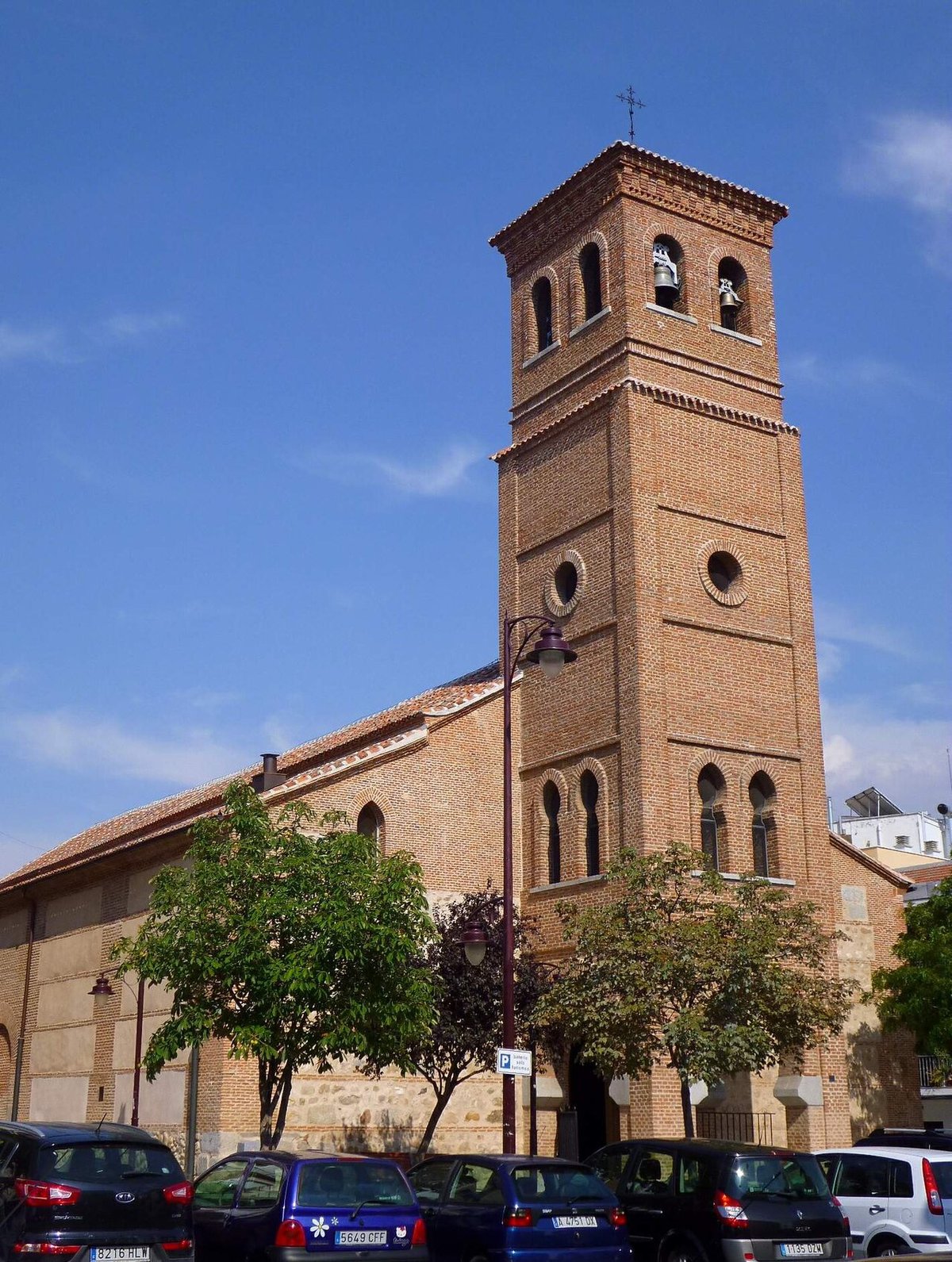
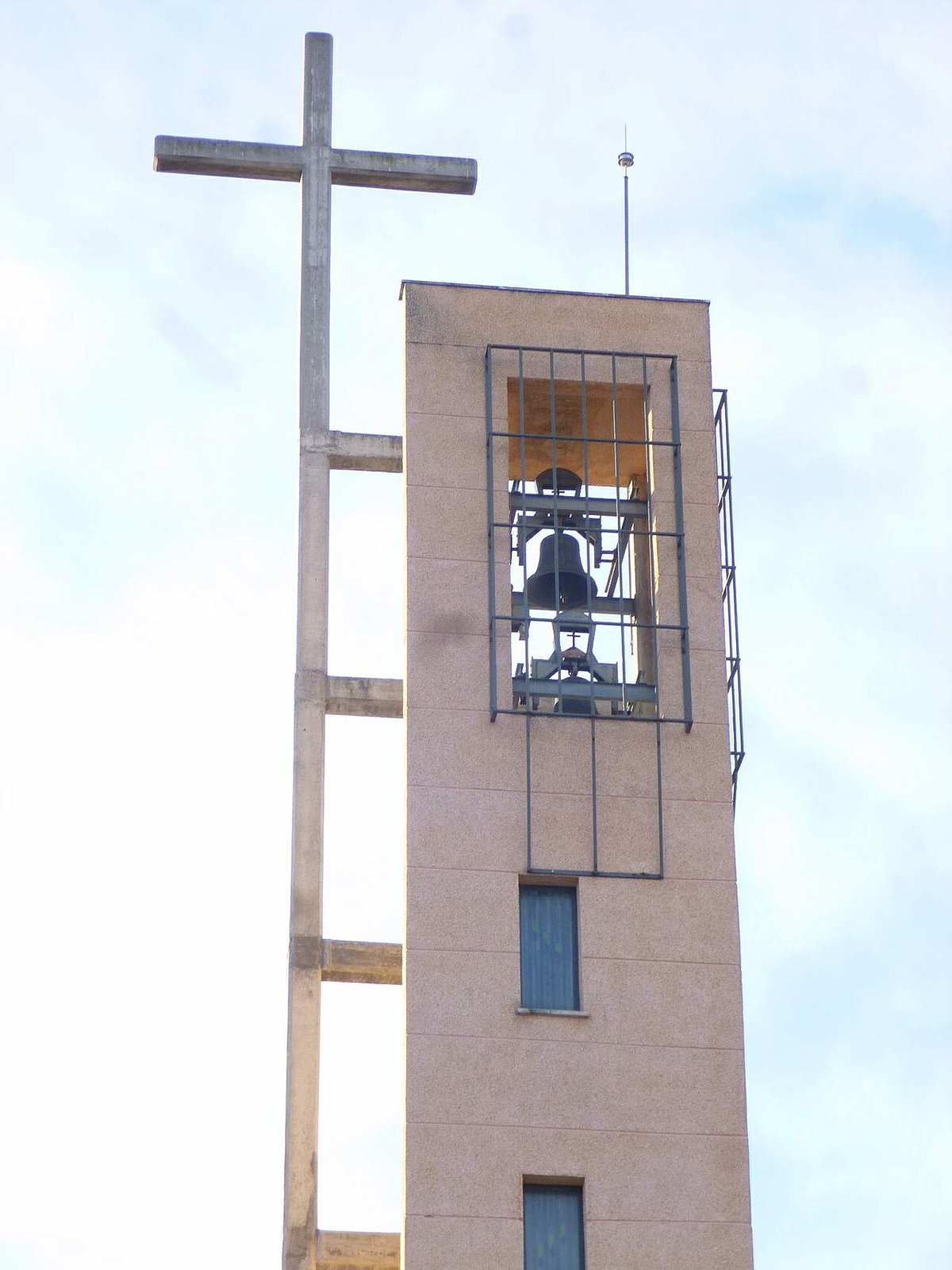
Start in the only spot that still looks old. The Iglesia de Santa María la Blanca, begun in the 1560s, squats at the junction of c/ Mayor and c/ Pastor. Its bell tower is short and square, more fortress than wedding cake, and the stone has turned the colour of burnt butter. A laminated sign taped to the door lists Mass times; no gift shop, no audio guide. Step inside and the nave smells of candle wax and floor polish—exactly the combination you remember from school assemblies, only the hymns are in Spanish.
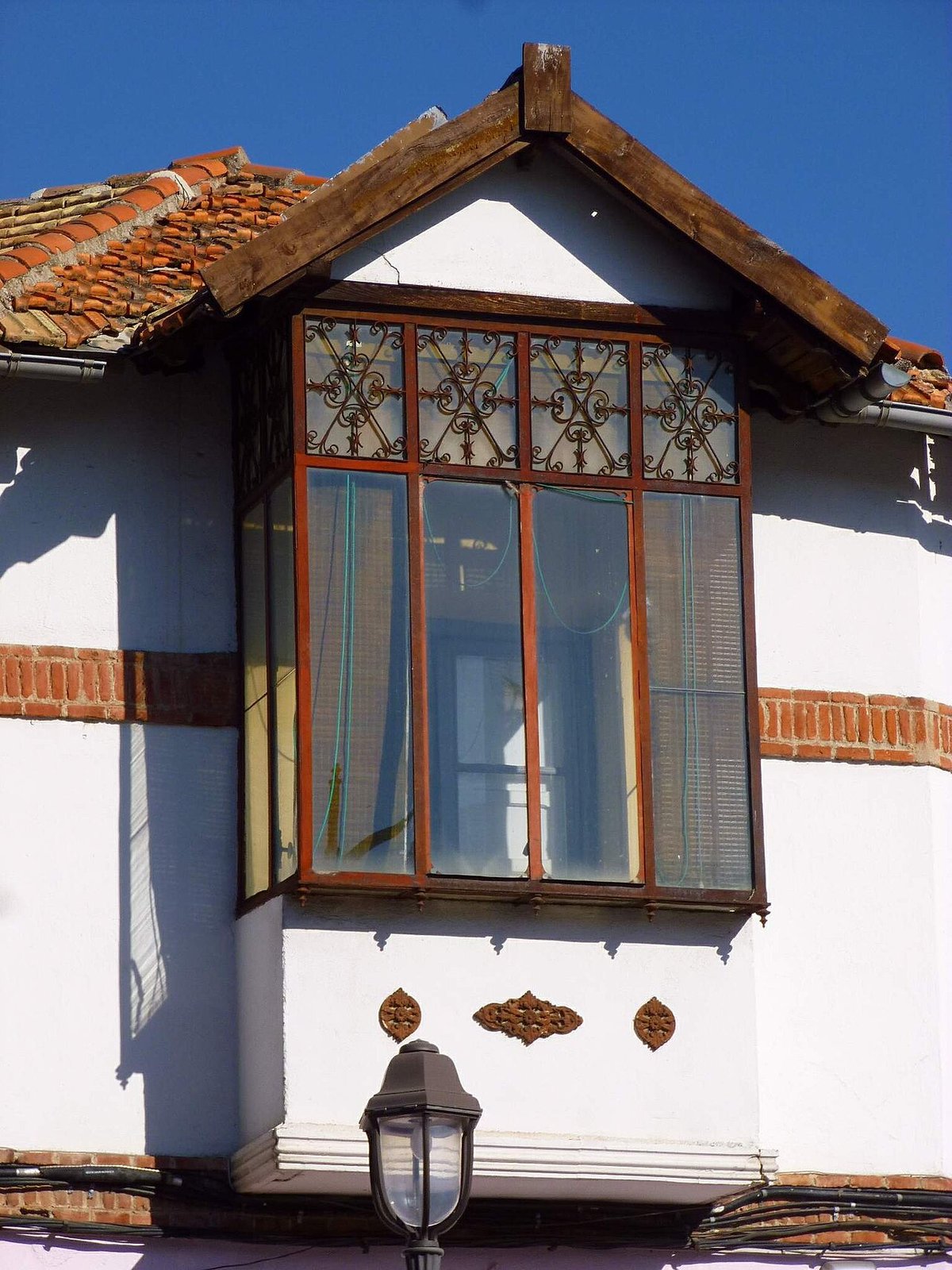
Behind the church, two streets of low houses survive from the pre-boom village. Their wooden balconies are painted burgundy and teal, and geraniums hang in faded plastic pots. Number 17 has a tiny plaque: “Aquí nació D. Antonio de Herrera, 1912”. Nobody seems sure who he was, but the plaque has been polished recently, which tells you something about local pride. Walk another hundred metres and the horizon fills up: 1970s brick slabs, 1990s glass clinics, a 2010s Ibis hotel that always has rooms when Madrid is sold out. The contrast is brutal if you were expecting cobblestones all the way, but it’s oddly honest. This is what happens when a farming hamlet turns into a metropolitan municipality in two generations: you get architectural whiplash.
Parks, Pavement and the Daily Choreography
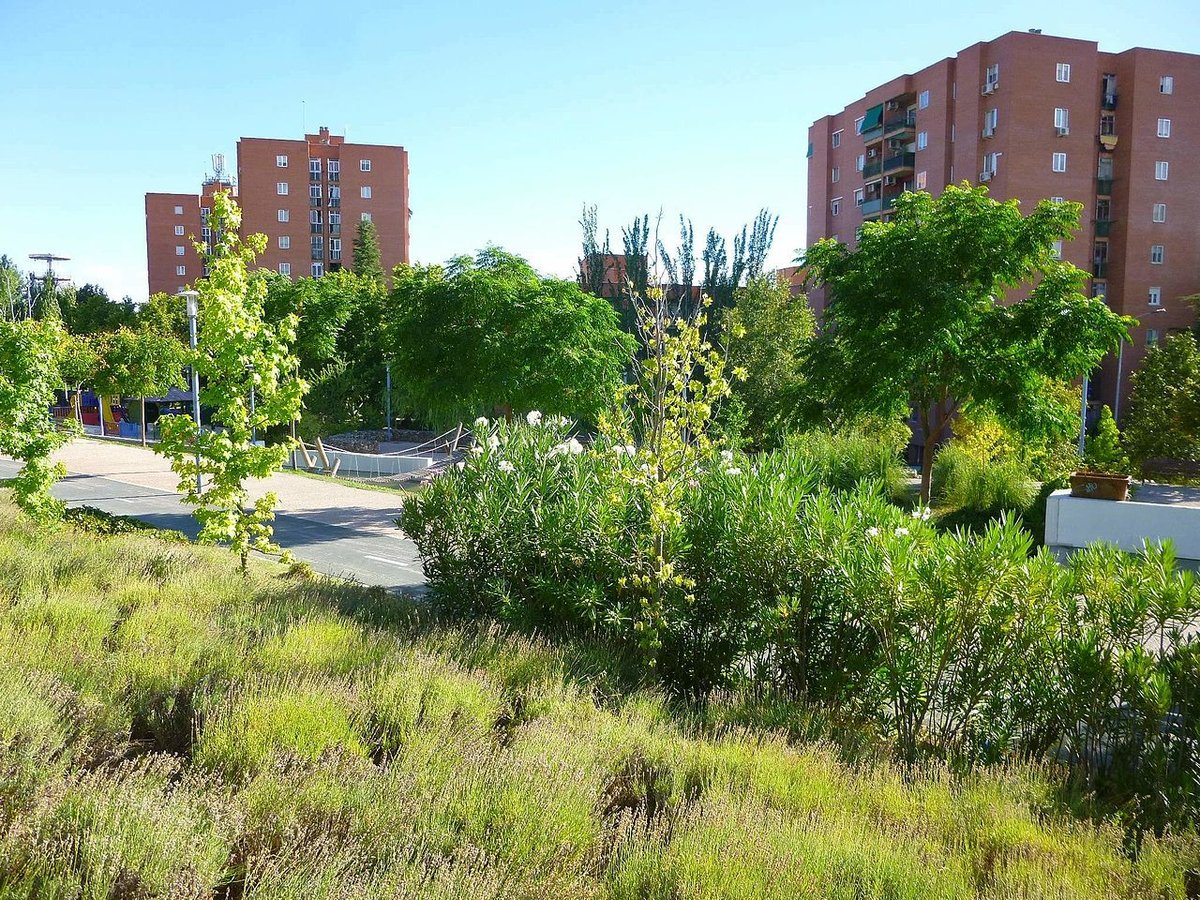
British reviews complain that Alcorcón is “soulless”, yet spend an hour in Parque de los Castillos and the word won’t stick. The park spreads over 23 hectares of former arable land; plane trees were planted in the 1980s and now throw shade thick enough to picnic under even in July. At seven on a Tuesday evening the place is a riot of motion: five-a-side football on the artificial pitch, grandparents power-walking in hiking boots, teenagers vaping on benches shaped like railway sleepers. A miniature road train painted lime green does laps for €1.50 a ride—chiefly, it seems, so toddlers can wave at dogs.
Cycle paths radiate out from the park like spokes. Pick up one of the lime-green BiciMad bikes (there’s a docking station beside the Centro de las Artes) and you can follow the Anillo Verde for 12 km without touching a main road. The gradient is almost flat; elevation gain is a negligible 30 m. You’ll pass apartment blocks whose ground floors are given over to nail bars and Chinese bazaars, then sudden allotments where old men in flat caps grow lettuces under plastic. It’s ordinary, yes, but ordinary in the way a London suburb is: lived-in, slightly scruffy, reassuring.
Food That Doesn’t Make the Guidebooks
Follow your nose to the Mercado de Abastos, a 1950s hall refurbished with LED lighting and free Wi-Fi. Stall 14, Mariscos y Más, will grill you half a dozen prawns for €4 and hand them over in a paper cone. Point, hold up fingers, smile—English is patchy but willingness is universal. If the queue is long, nip round the corner to Casa Mando on c/ Mayor. The croquetas come three to a plate, golden and golf-ball sized; the ham inside is mild, more Wiltshire than Iberico, which makes them child-friendly. A plate costs €3.50, a caña of beer €1.20. Locals eat standing at the bar; copy them and you’ll pay the same price they do. Sit at a table and the tariff jumps 20 %—the menu warns “suplemento servicio mesa” in tiny print, another detail the guidebooks skip.
Vegetarians do better in the Tres Aguas shopping centre at the western edge of town. The mall is architecturally anonymous—think Bluewater with Spanish tiling—but the food court has a branch of Café & Té that does avocado on sourdough and oat-milk flat whites. It’s where teenage Madrileños arrange to meet before heading into the city, and the people-watching is superb: influencer poses, grandparents glued to phones, toddlers zooming on miniature scooters.
When the Sun Drops and the Trains Stop
Evenings centre on Plaza de los Príncipes de España, a concrete square furnished with olive trees in cubic planters. Terraces spread out like a rash: La Sureña serves €2 mojitos that taste of mouthwash, but the table comes with free popcorn and the waiters don’t hurry you. By ten the square is humming; by midnight it’s thinning out. The last Cercanías train to Sol leaves at 01:28; miss it and a taxi home costs €35 fixed fare. British stag parties discover this the hard way, as the huddle of pale lads bargaining with a driver at 02:15 will attest.
If you’re staying overnight, pick accommodation within 500 m of either Alcorcón Central or Hospital de Móstoles metro stops. Anything deeper into the residential grids means a 20-minute walk past shuttered banks and estate agents, and the street lighting is generous rather than romantic. Hotels are functional: the Ibis Budget has twin rooms for €55 in March, €75 in October, and the Wi-Fi copes with Netflix. Ask for a room facing away from the A-5 motorway or the traffic hum will accompany your dreams.
The Upsides Nobody Mentions
Come in late September and the Feria de Artesanía sets up booths in the same square. You can watch a coppersmith repair a saucepan while eating churros that cost €2 a spiral—half the price of San Ginés in Madrid. In April the local athletics club organises a 10 km road race that doubles as a neighbourhood parade; runners in fancy dress hand out water bottles to spectators, turning the event into an impromptu fiesta. These aren’t staged for tourists; they simply happen, and visitors are welcomed with the shrugged generosity of people who don’t mind if you watch so long as you don’t block the pavement.
Rainy-day refuge is provided by the Museo de la Ciudad, two rooms in a former school. Entry is free; labels are Spanish-only, but the photo wall showing 1960s potato pickers next to a 1990s concrete tower needs no translation. You’ll be the only visitor, which feels illicit, like sneaking into the staffroom.
The Honest Verdict
Alcorcón will never compete with Toledo’s cathedrals or Segovia’s aqueduct. It offers no selfie moment to knock the Alhambra off your grid. What it does offer is a cheap bed, a cold beer within walking distance, and a slice of metropolitan Spain that hasn’t been curated for export. Use it as a base and you’ll save £40–60 a night on Madrid prices; use it as a half-day detour and you’ll leave with a sense of how modern Spanish families actually live—between the 16th-century bell tower and the 2020s cycle lane, getting on with the daily business of work, school, and an evening stroll beneath the plane trees.