Full Article
about Boadilla del Monte
Upscale residential town with a grand neoclassical palace, ringed by protected holm-oak groves.
Ocultar artículo Leer artículo completo
The 17 km taxi ride from central Madrid costs €35 after 22:00. That single figure tells you most of what you need to know about Boadilla del Monte: close enough to the capital to see its lights, far enough away to make you think twice about popping back for dinner.
A town that forgot to grow old
Most visitors arrive by accident. They've booked a business hotel near Pozuelo or Majadahonda, looked at Madrid room rates, and clicked on Boadilla because the map showed green space. What they find is a place that solved 21st-century housing before it decided what to do with its 18th-century palace.
The centre works backwards. Start at the Palacio del Infante Don Luis, the only reason the town appears in guidebooks at all. Ventura Rodríguez designed it in the 1770s for the king's younger brother who wanted somewhere quiet to indulge his passion for astronomy and protocol-free living. The building is pure neoclassical discipline: limestone blocks, sober pediment, gardens laid out with the sort of geometric rigour that makes British stately homes look positively bohemian.
Getting inside requires detective work. Tours run when the cultural office remembers to organise them, always in Spanish, occasionally on Saturdays. Email first ([email protected]) and bring patience. If the door stays locked, the exterior still justifies the detour: walk the box-hedged terraces, count the window axes, notice how the whole composition turns its back on the modern apartments that crept up the hill behind.
Two streets and a church
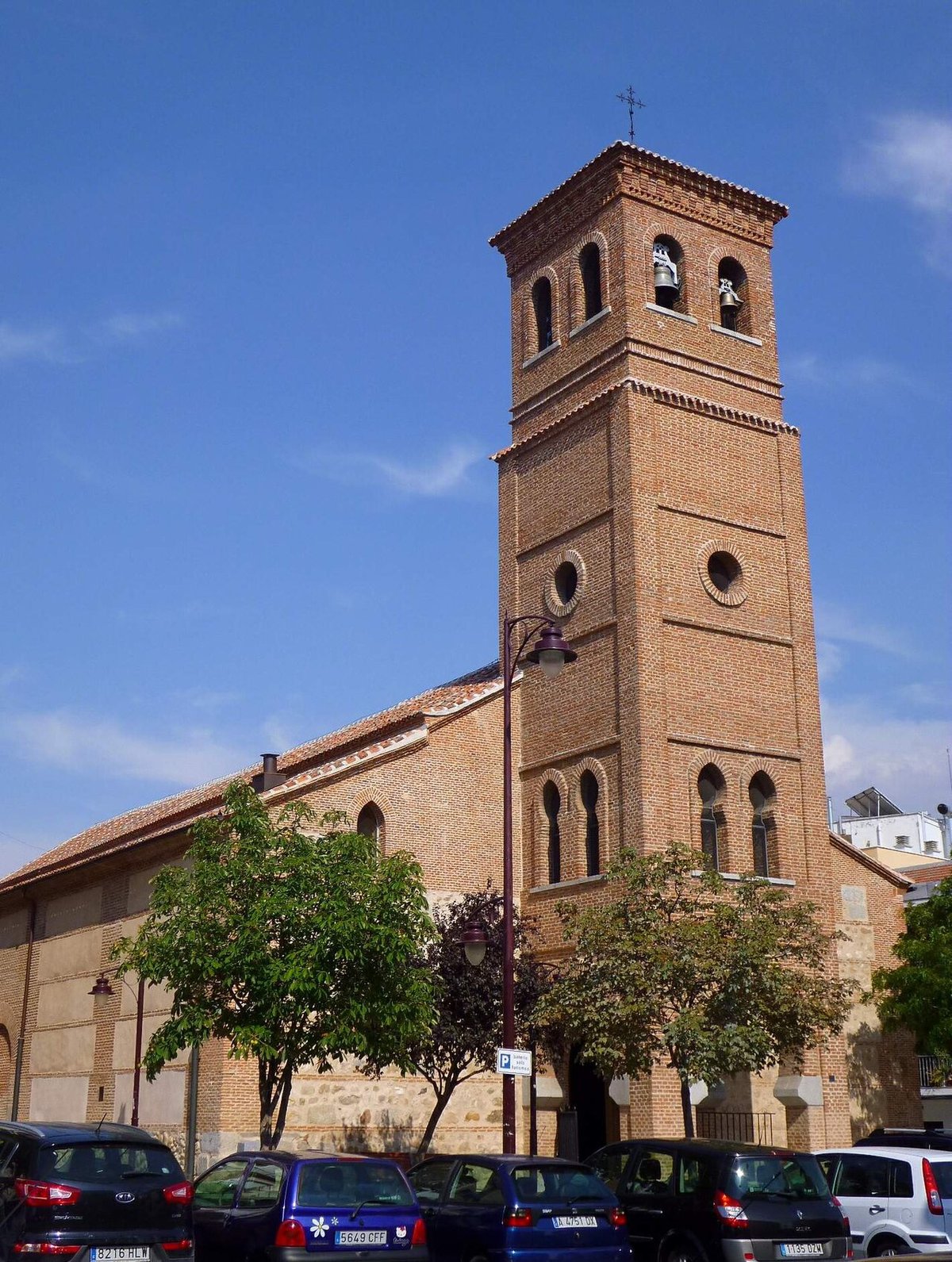
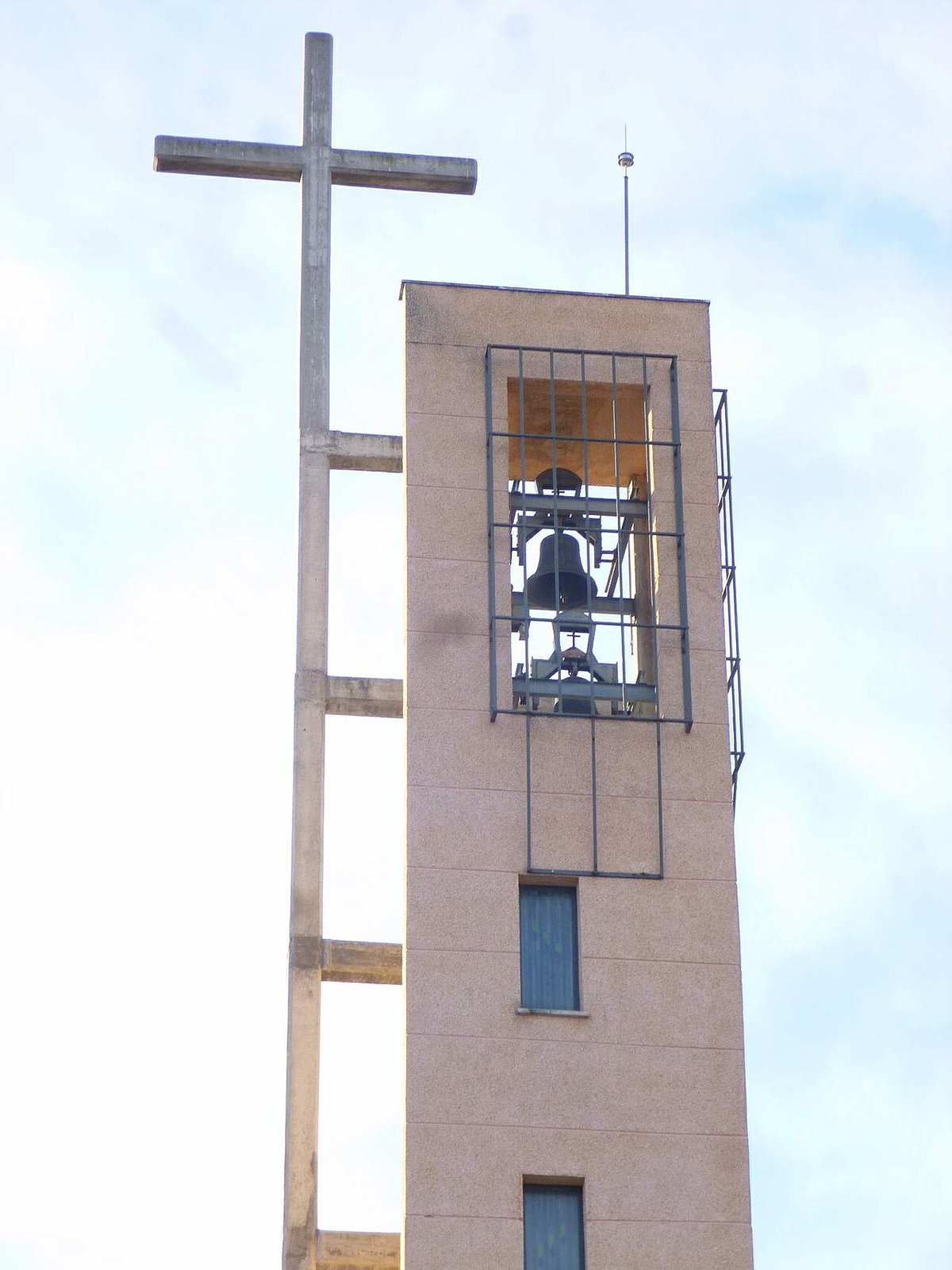
From the palace gates it's a three-minute shuffle to the entire historic core. Calle Real, Calle de la Villa, Plaza de España: done. The Iglesia de San Cristóbal squats at the far end, its Mudejar tower poking up like an afterthought between bank branches. Inside, baroque gilt competes with medieval stone; the contrast works because nobody planned it. Weekday mass at 19:30 brings out local widows who still dress for the occasion; tourists are welcome but the priest keeps the service moving.
Behind the church the Convento de las Mercedarias offers silence rather than spectacle. Ring the bell if you want to buy biscuits baked by the enclosed nuns; they pass the box through a revolving hatch and retreat. Almond polvorones in winter, lemon shortbread in summer. Three euros a packet, exact change appreciated.
Where the town actually lives
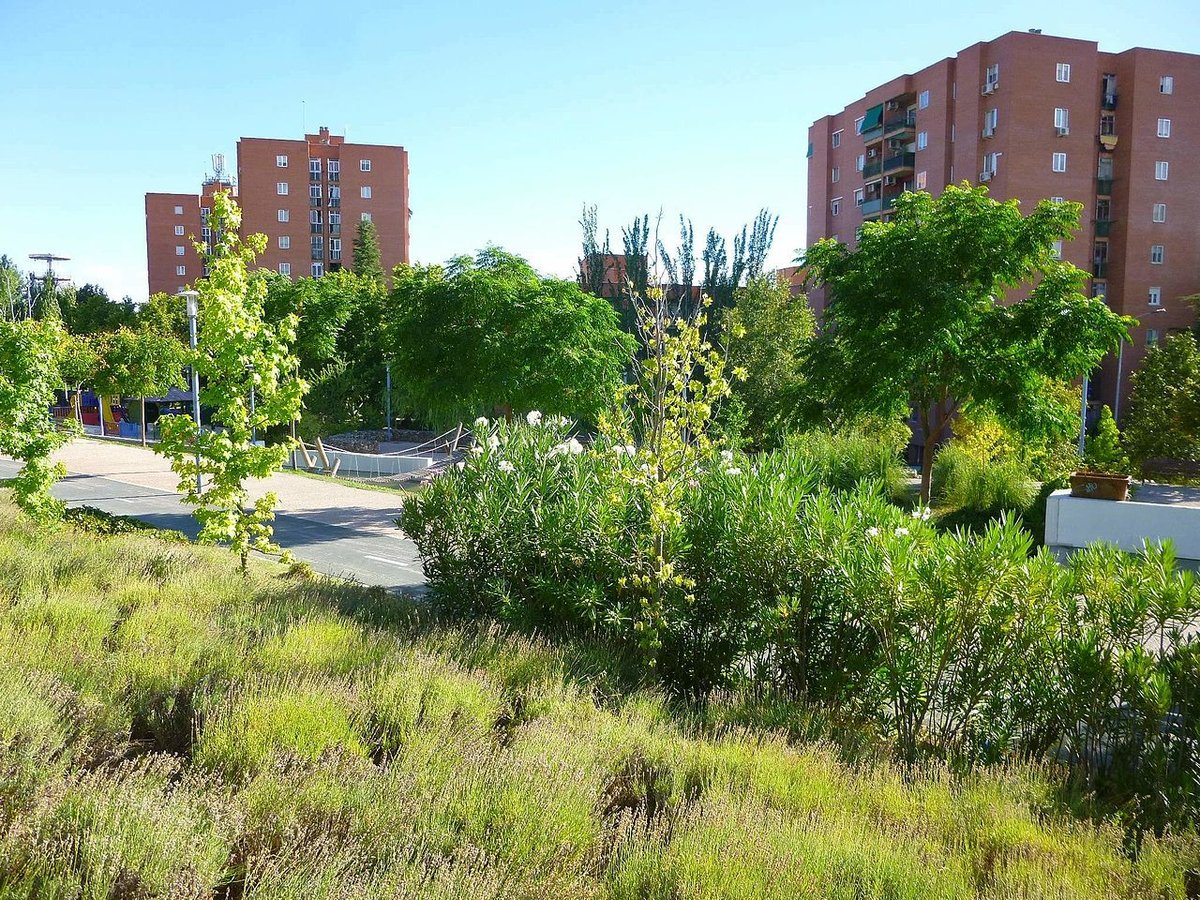
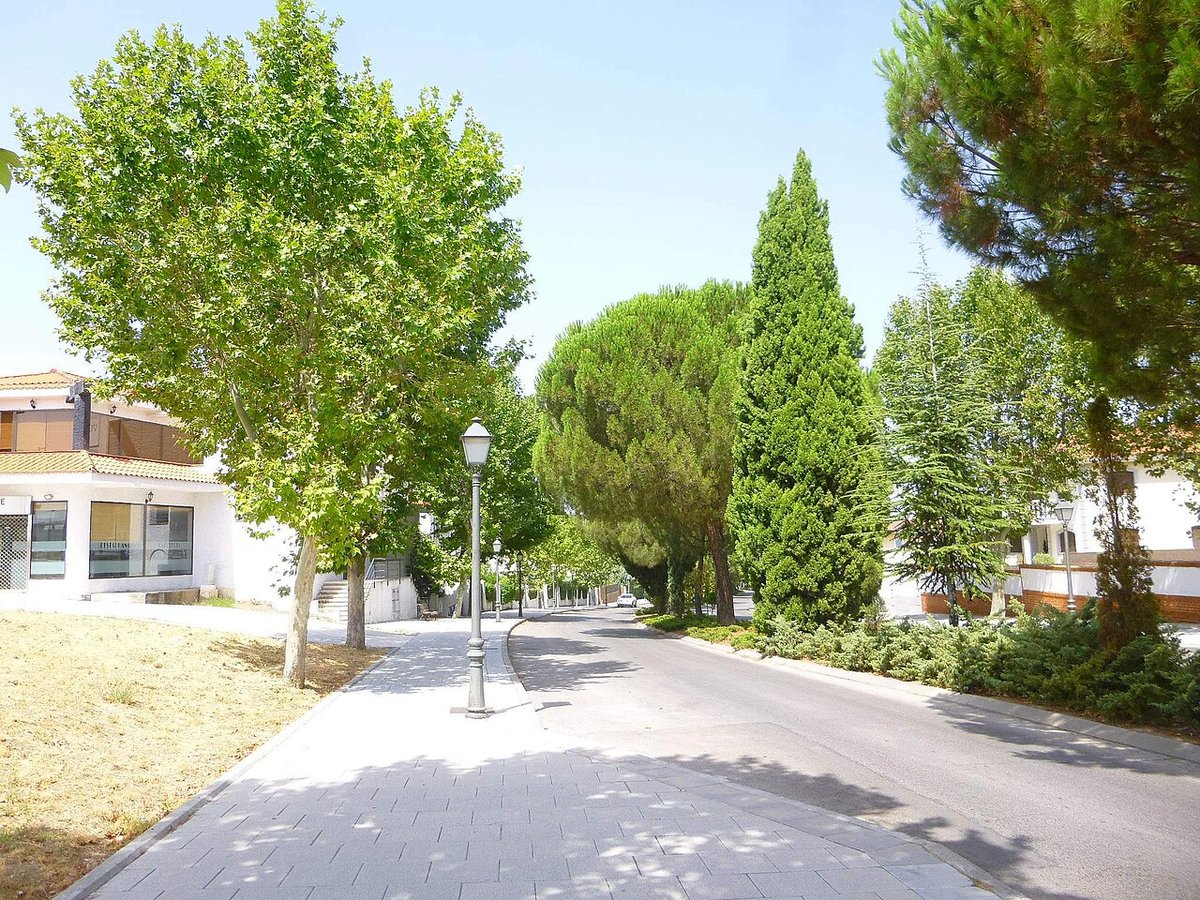
Walk five minutes south and history stops. Avenida de Madrid becomes a parade of 1990s apartment blocks with ground-floor franchises: Mercadona, Día, a veterinary clinic that advertises British-speaking staff for expat Labradors. This is the real Boadilla: dormitory territory for Madrid professionals who want garages, pools and British School places. On weekends the avenues feel empty because everyone has driven somewhere else.
The practical lesson: if you're staying overnight without a car, dine early. After 21:00 the choice narrows to:
- Restaurante El Tobogán (menú del día €14, grilled chicken for the cautious)
- D.O Boadilla (presa ibérica and croquettes, wine by the glass)
- Your hotel restaurant, usually half-empty, staffed by someone who'd rather be in the city
Taxis back from Madrid terminate around 23:00 when the light-rail stops. Miss it and the night dispatcher adds a surcharge that wipes out whatever you saved on accommodation.
The hill that survived the developers
Behind the palace the Monte de Boadilla still belongs to pine trees and nightingales. The paths are wide enough for baby buggies but steep enough to raise a sweat; in July you need water and a hat because shade arrives only when the sun hits the horizon. Locals treat the hill as their outdoor gym: office workers at lunchtime, dog walkers at dusk, teenagers sharing tins of beer where the track flattens out.
Halfway up you'll pass the brick bones of the Palacio de los Duques de Uceda, blown up during the Napoleonic wars and never rebuilt. Read the panel, take the photo, keep climbing. At the summit Madrid's skyline appears as a grey smudge on the plain; turn south and the Guadarrama mountains float like a cardboard cut-out. The loop takes forty minutes, less if you don't stop to photograph every wild rosemary bush.
Cyclists get more mileage: the dirt track continues west, linking with the regional park at Casa de Campo. Road bikes stick to the tarmac ring road where Sunday mornings bring out lycra-clad pelotons training for La Vuelta fantasies.
Timing the visit
Spring works best. From March to May the palace gardens erupt with tulips the council imports from Dutch wholesalers, and the hill smells of broom and damp earth. October delivers the same temperatures without the pollen; the town's cultural office schedules its annual week of concerts and art shows, giving visitors something to do after 20:00.
Summer is workable only if you treat the place like Seville: move at dawn, siesta through midday, re-emerge after 18:00. August empties the streets entirely; even the nuns close the biscuit hatch. Winter brings sharp mountain air that slices through thin jackets; cafés wheel out gas heaters but terraces stay half-full at best.
The honest itinerary
With two hours: palace façade, church tower, nun biscuits, back on the bus.
With a day: morning hill walk, fixed-price lunch, palace tour if you pre-booked, early drink in Plaza Mayor while watching commuters queue for the 571 home.
With a week: reconsider. Day-trips to El Escorial or Segovia make more sense than excavating further layers of suburban Madrid.
Boadilla del Monte will never compete with the capital's museums or Toledo’s medieval thrills. What it offers is a breather: a palace that doesn't charge Versailles prices, a hill whose trees still outnumber cranes, and a glimpse of how middle-class Spain actually lives once the tour buses leave. Treat it as Madrid with lungs, not as a destination in its own right, and the taxi fare starts to feel almost reasonable.