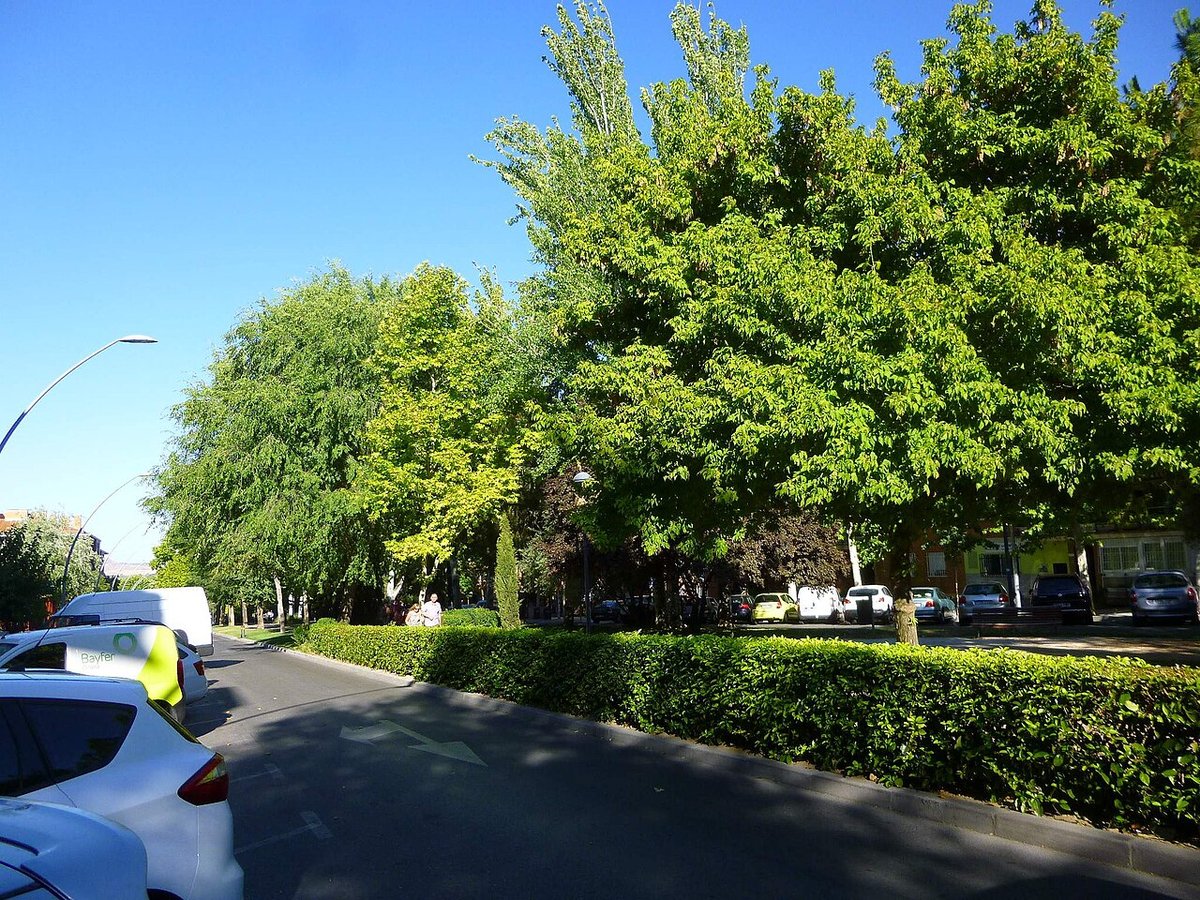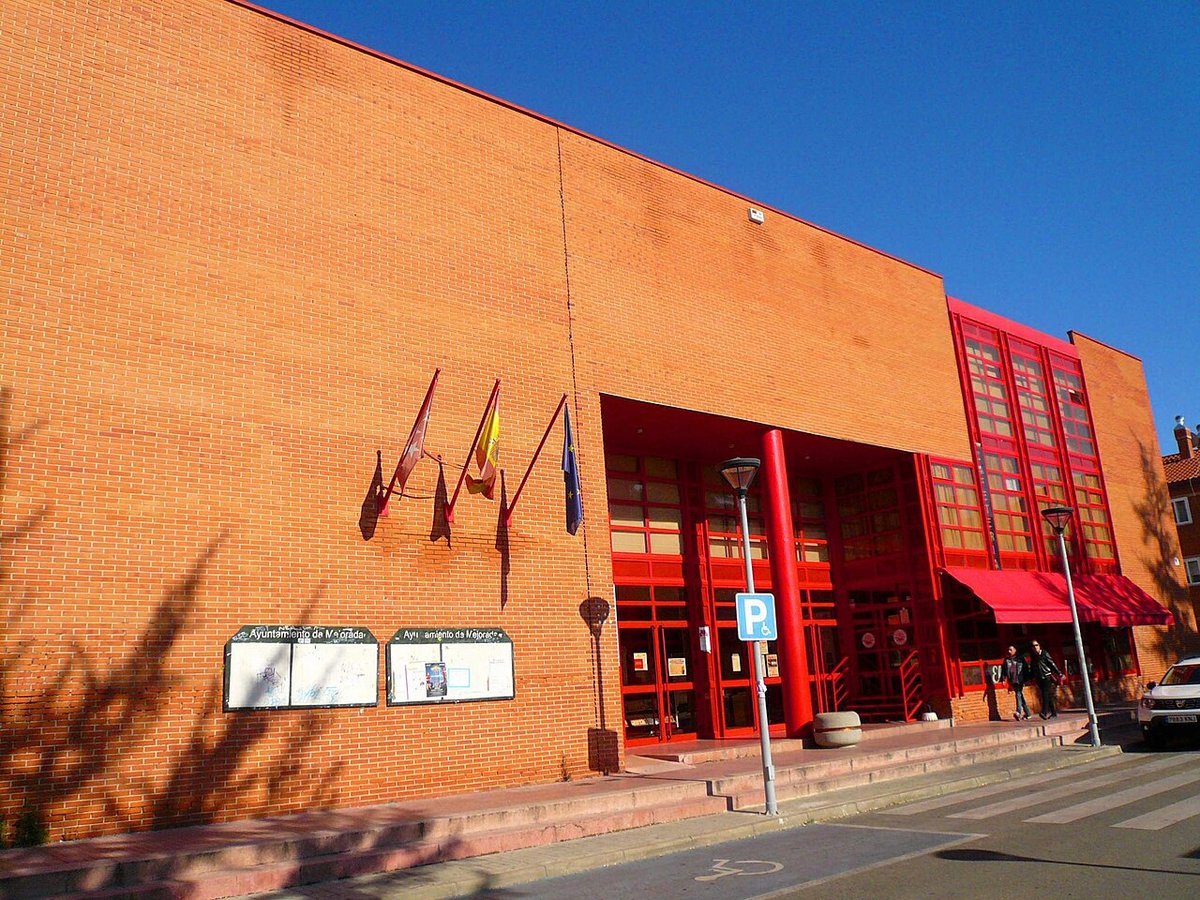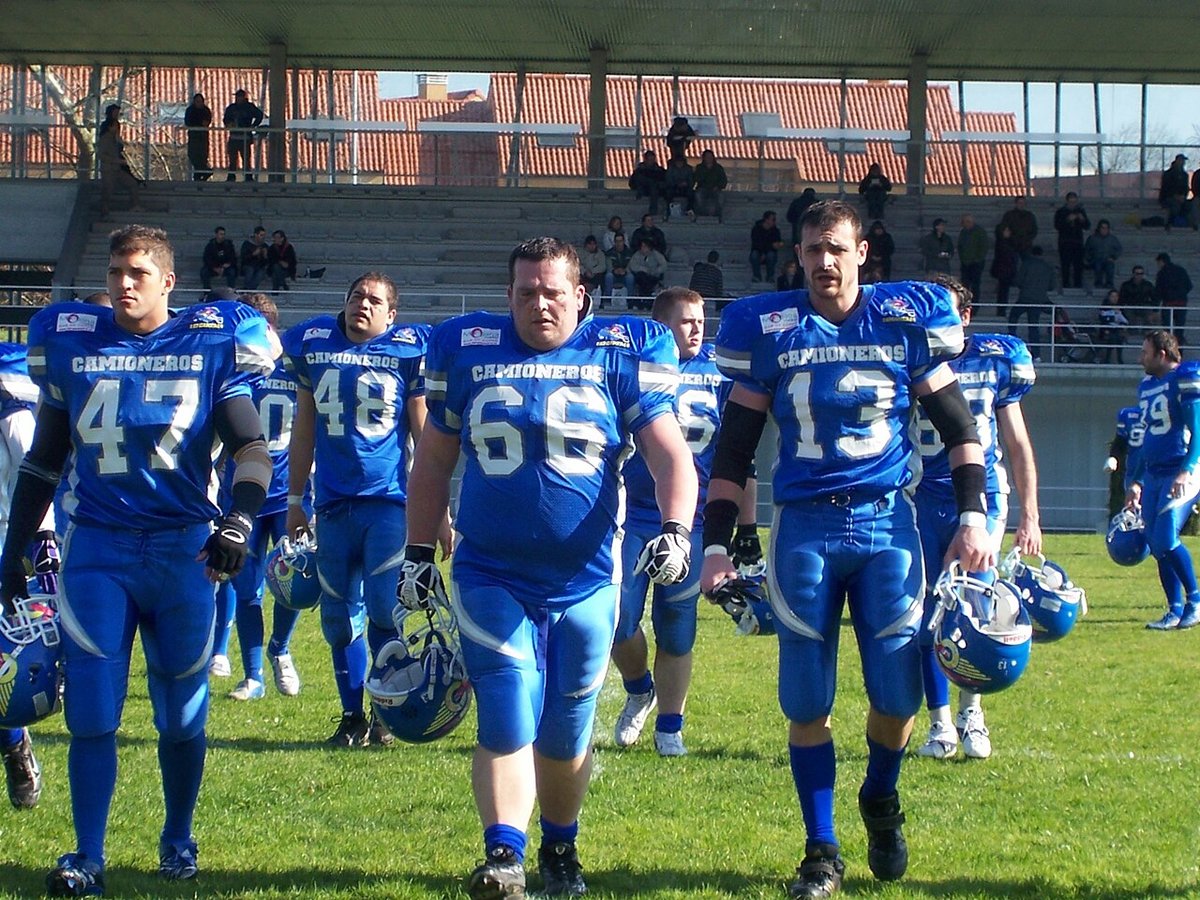
Coslada camioneros 1.JPG
Madrid · Mountains & Heritage

Coslada

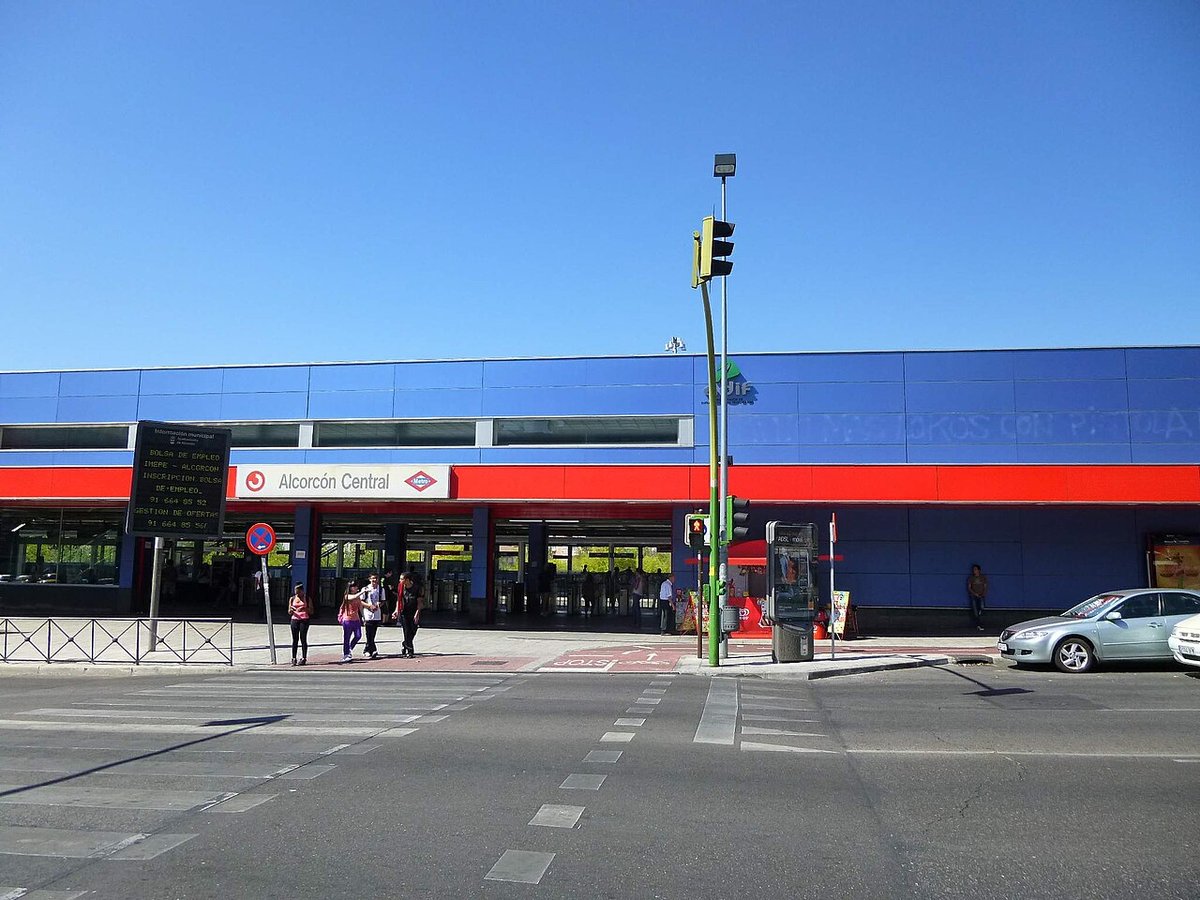
The 07:14 Cercanías from Coslada Central is already standing-room only when it slips past the bulk of the Transport City freight terminal. Through ...

80,512 inhabitants · INE 2025
621m Altitude

Why Visit

The Plantío Walks through the Wetland

Best Time to Visit

year-round

Virgen del Amor Hermoso (June) junio

Things to See & Do
in Coslada

Heritage

  • The Plantío
  • The Woman of Coslada Sculpture
  • Wetland Park

Activities

  • Walks through the Wetland
  • Cultural activities
  • Shopping

Festivals
& & Traditions

Fecha junio

Virgen del Amor Hermoso (junio)

Las fiestas locales son el momento perfecto para vivir la autenticidad de Coslada.

Full Article
about Coslada

Major logistics and industrial hub next to Madrid; features public sculptures and green areas.

Ocultar artículo Leer artículo completo

The 07:14 Cercanías from Coslada Central is already standing-room only when it slips past the bulk of the Transport City freight terminal. Through the window you can read the tail fins of aircraft at Barajas, then seconds later the last surviving olive groves of the old Aragon road. That fifteen-second contrast – logistics hub, airport apron, agrarian remnant – tells you most of what you need to know about Coslada: useful rather than pretty, busy rather than buzzy, and perpetually in the shadow of the capital it feeds.

A plateau that forgot to decide what it wanted to be

Coslada sits on a gentle rise 612 m above sea level, high enough for winter mornings to nip but too low for any real drama. The plateau was once vineyard and cereal country; the soil still throws up pottery shards when the council plants new trees along the Avenida de la Constitución. Then the A-2 arrived, the Michelin tyre depot arrived, and finally the Metro. Today 84,000 people are squeezed into 12 square kilometres, making the town denser than Manchester yet half as famous as the airport it borders.

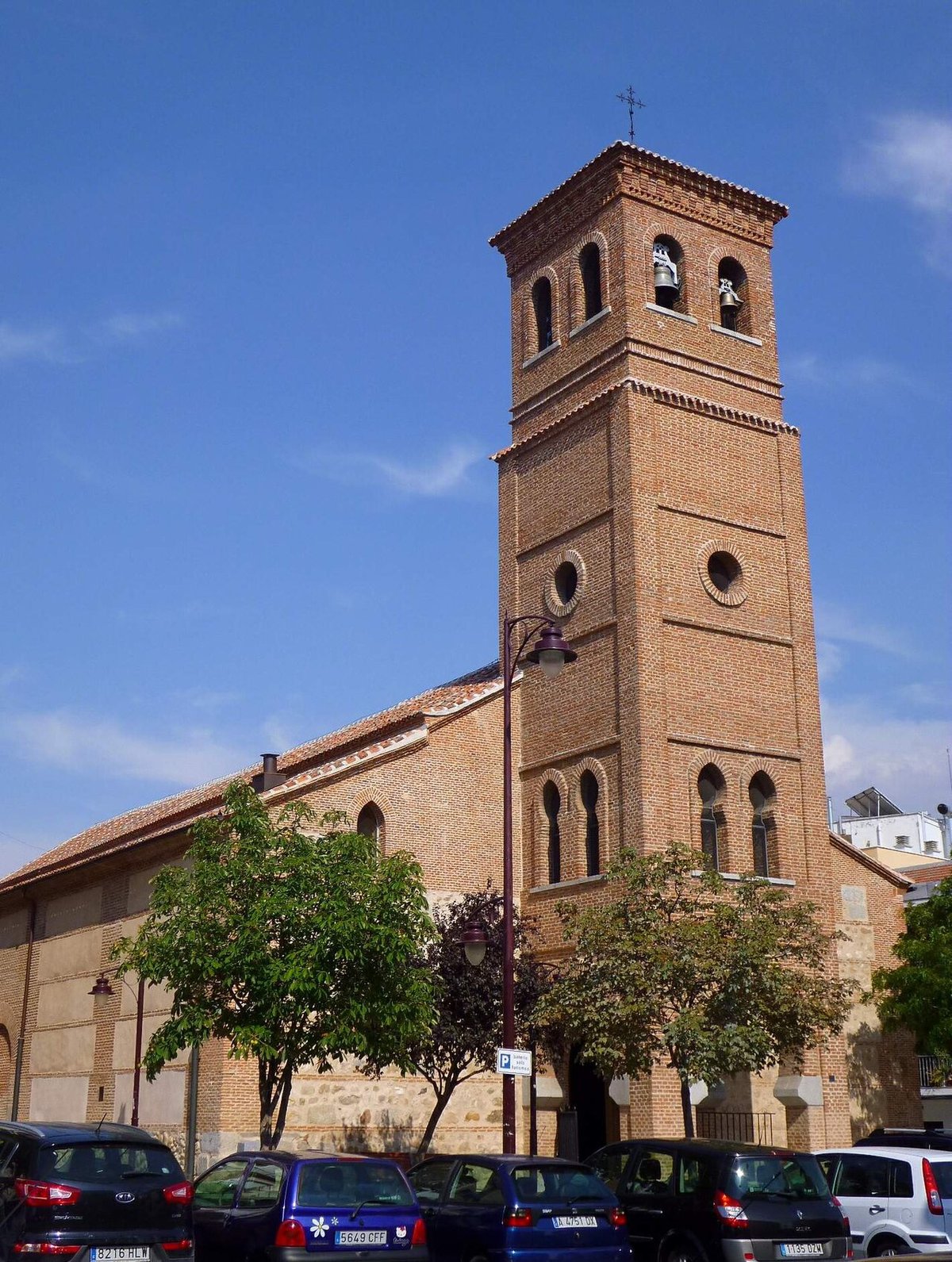
The old centre refuses to disappear. Calle Mayor keeps its 18th-century width – just wide enough for a single Tesco delivery van to block both directions – and the church of Nuestra Señora de la Asunción still asks parishioners to side-step medieval masonry on their way to mass. Restoration budgets arrive in dribs and drabs, so one façade is freshly sand-blasted while its neighbour flakes like sunburnt skin. The effect is oddly honest: no heritage gloss, just brickwork coping with the centuries.

Planes overhead, cocido on the stove

British visitors usually land at Barajas, Google “cheap hotel near airport” and end up here. The NH Villa de Coslada knows the market: bacon at breakfast, check-out at noon, taxi rank outside with a fixed €25 fare to Terminal 2. What the booking sites don’t mention is the noise ceiling – flights descend at two-minute intervals from 06:00 until the last Iberia red-eye kisses Spanish tarmac at 23:40. Light sleepers should pack ear-plugs or ask for a room facing the enclosed courtyard rather than the railway.

Food is resolutely castizo. Locals lunch on cocido madrileño at Casa José (€14 menú del día, Wednesday only) while lorry drivers queue next door for callos that could patch a puncture. There is precisely one “international” restaurant – an Italian whose pizza oven was installed by a Neapolitan who promptly emigrated to Valencia – but Brits generally surrender to the tapas triangle: El Rincón de Javi for mercifully mild bravas, La Taberna for grilled chicken skewers, Valor for churros thick enough to use as scaffolding. Vegetarians survive on tortilla; vegans should rethink the stop-over.

Green patches between the warehouses

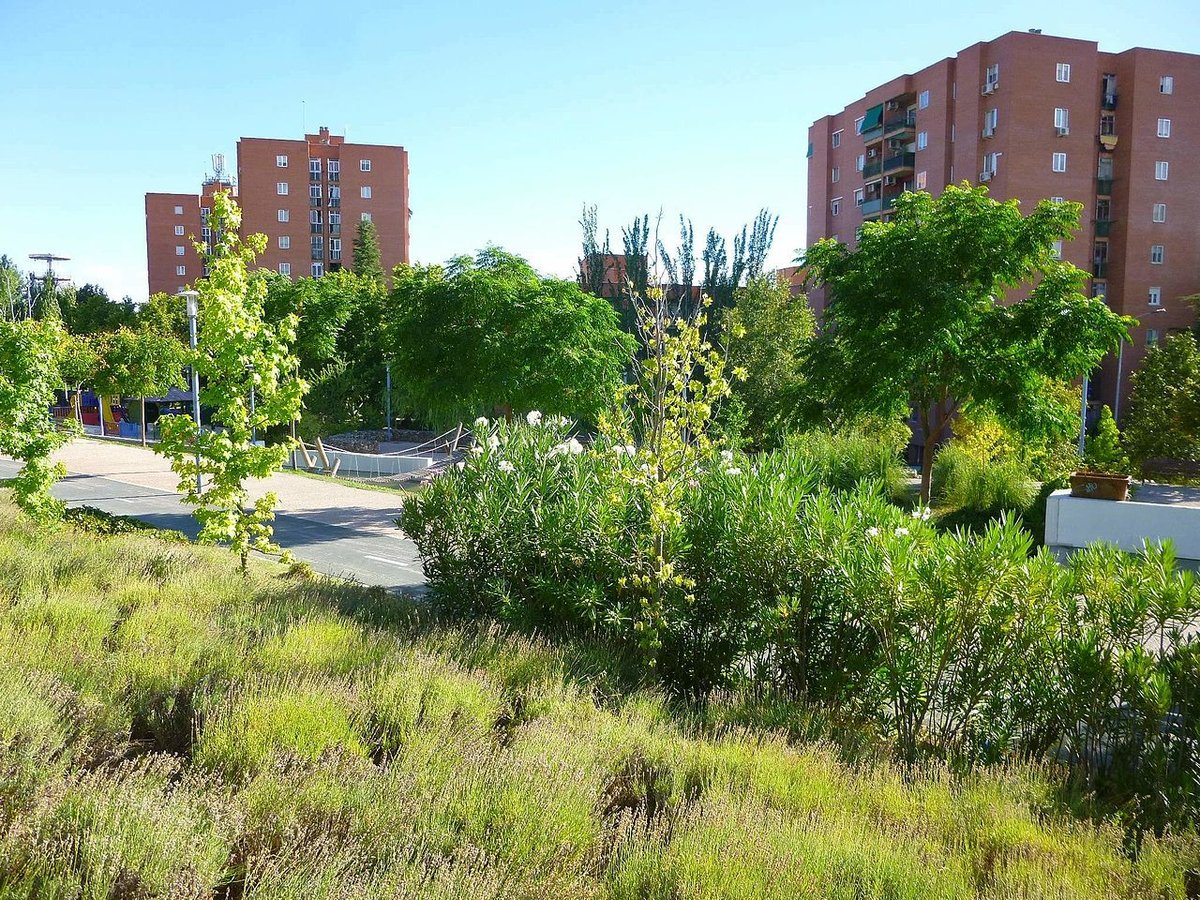
Coslada’s lungs are modest. The Parque de la Cuña Verde threads 2.3 km alongside the railway, wide enough for a jog but interrupted by three level crossings where freight trains dawdle. Parque del Humedal, five minutes beyond the ring road, is actually a recycled treatment plant; the boardwalk loops through reeds that filter nitrates and attract wagtails, a small victory of engineering over ecology. Sunday mornings see British families here, pushing buggies and arguing about whether the mud is “just like the Somerset Levels”.

If you want proper countryside you’ll need to borrow a car. The Regional Park of the Southeast begins five kilometres south at Rivas; mountain bikers follow the old Cañada Real sheep track, the only right-of-way Madrid’s planners couldn’t concrete over. Winter brings sharp easterlies off the meseta; summer offers 38 °C and no shade. Either way, carry more water than you think sensible.

Fiestas that close the high street

The Assumption fair in mid-August turns Plaza Mayor into a poor man’s Benidorm: inflatable castles, a travelling tapas tent owned by the same family for three generations, and a sound system that redefines “adequate”. Brits who stumble on it compare the atmosphere to a village fête minus the tombola. Semana Santa is quieter – three processions, no incense, weather still cool enough for wool. San Isidro in May is the agricultural swansong: an ox-drawn plough is blessed, then immediately returned to the museum shed for another year. All useful if you happen to be here; none worth re-routing a holiday.

Getting in, getting out, getting groceries

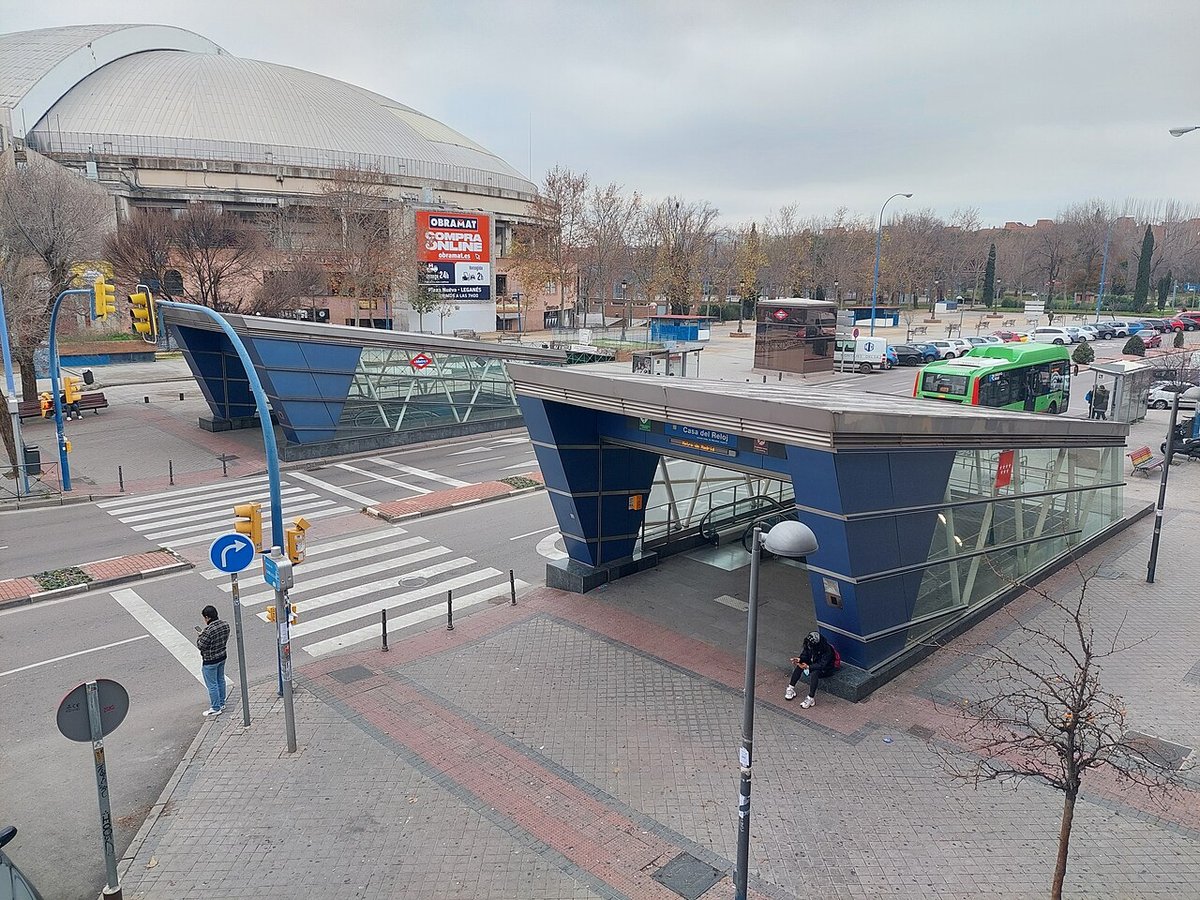
Metro Line 7 reaches central Madrid in 24 minutes; the 10-trip Metrobús ticket works on both underground and local buses and saves about 40 % on singles. Buy it at the airport metro machines before you board – the staffed window in Coslada closes at 14:00 and the ticket machine is often out of order. Cercanías line C-2/C-7 is faster (12 min to Chamartín) but adds a €2.20 supplement; trains thin out after 22:00, so check the last-one-back or face a €30 night taxi.

Carrefour in the La Rambla mall opens 11:00-21:00 on Sundays – the only food option if you arrive late Saturday. Everywhere else shutters at 14:00 Saturday and stays closed, a habit that still catches British visitors who assume Spain runs on London time. Rush hour on Line 7 is 07:30-09:00; if you’re heading into town with luggage, travel before seven or after nine, otherwise you’ll be wedged against someone’s bocadillo de calamares.

The honest verdict

Coslada will not make anyone’s “Top Ten Unspoilt Pueblos” list. It is noisy, plane-spotted, and architecturally confused. Yet it functions: beds are cheaper than Madrid, the metro is faster than from many “charming” dormitory towns, and the cocido tastes exactly as it did before Instagram existed. Treat it as a logistical convenience with a couple of diverting walks and a decent churro, and it repays the stop-over. Expect cobbled romance and you’ll leave on the first morning flight.

Key Facts

Region
Madrid
District
Área Metropolitana
INE Code
28049
Coast
No
Mountain
No
Season
year-round

Livability & Services

Key data for living or remote work

2024
ConnectivityFiber + 5G
TransportTrain station
HealthcareHospital
EducationHigh school & elementary
Housing~6€/m² rent · Affordable
CoastBeach 1 km away
Sources: INE, CNMC, Ministry of Health, AEMET

Official Data

Institutional records and open data (when available).

  • Iglesia de San Pedro Ad-Víncula (Antigua Villa de Vallecas)
    bic Monumento ~6.1 km

Planning Your Visit?

Discover more villages in the Área Metropolitana.

View full region →

More villages in Área Metropolitana

Traveler Reviews