Full Article
about Las Rozas de Madrid
A prestigious residential and business town with major shopping areas and natural spaces.
Hide article Read full article
A place people return to
Las Rozas de Madrid has a slightly elusive character. It is the sort of place many people live in, yet spend much of their day elsewhere. With close to 100,000 residents, a large share commute into Madrid for work, just a few kilometres away, and that rhythm shapes how the town feels.
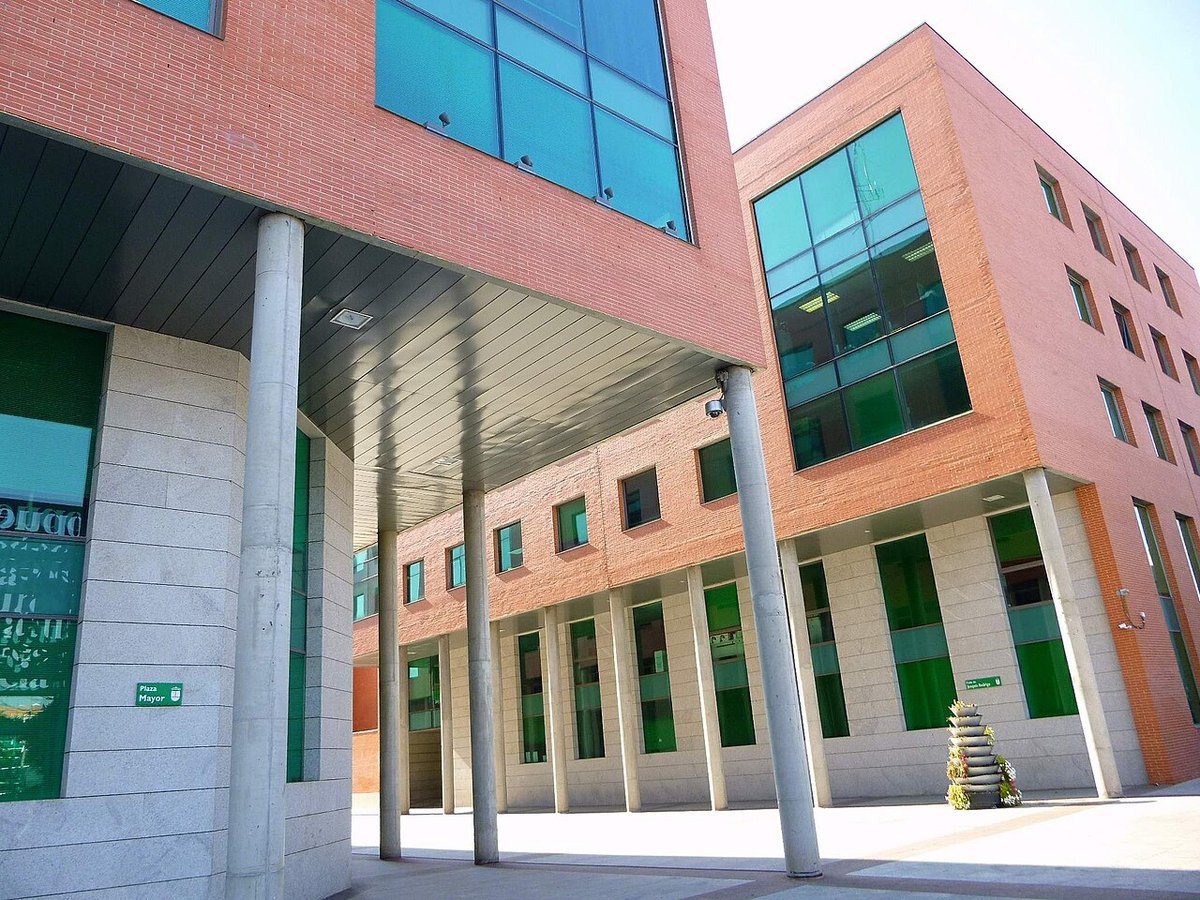
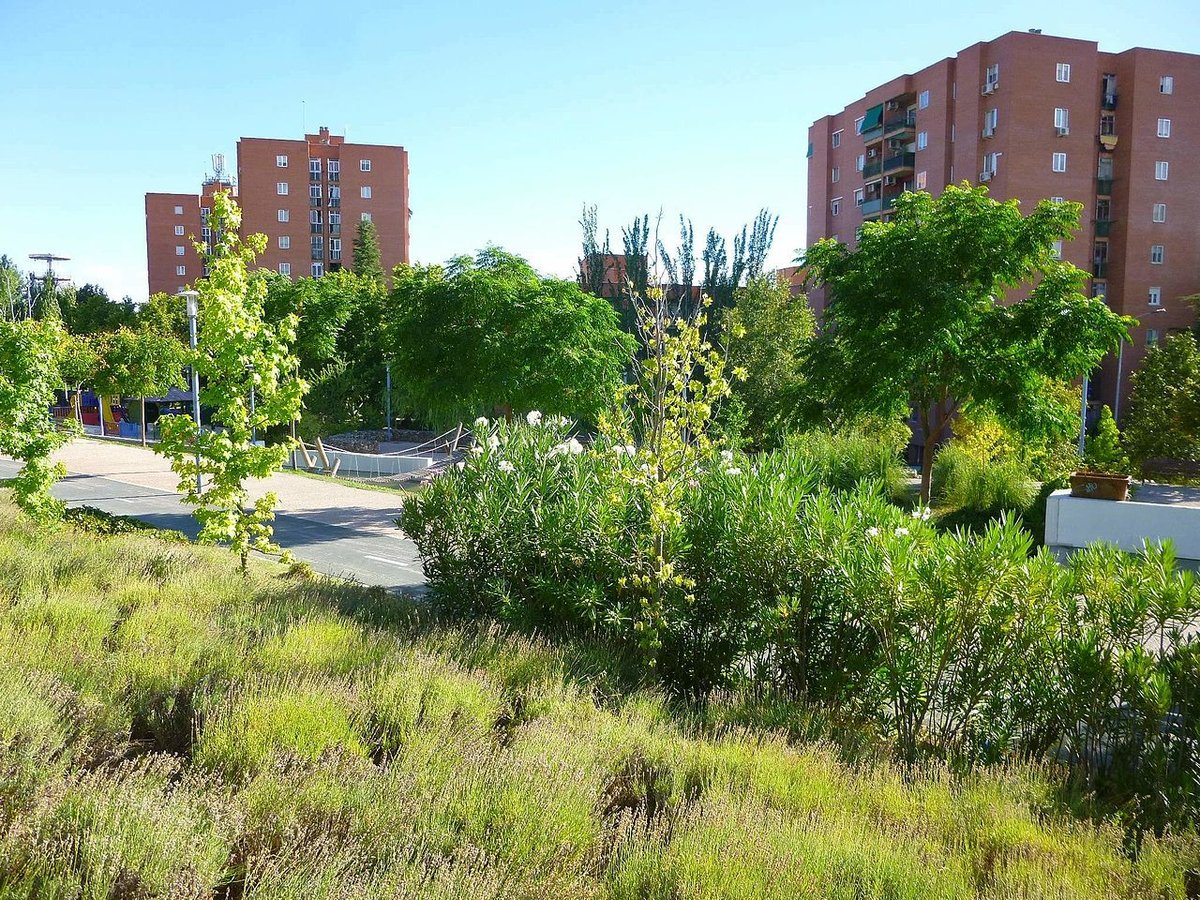
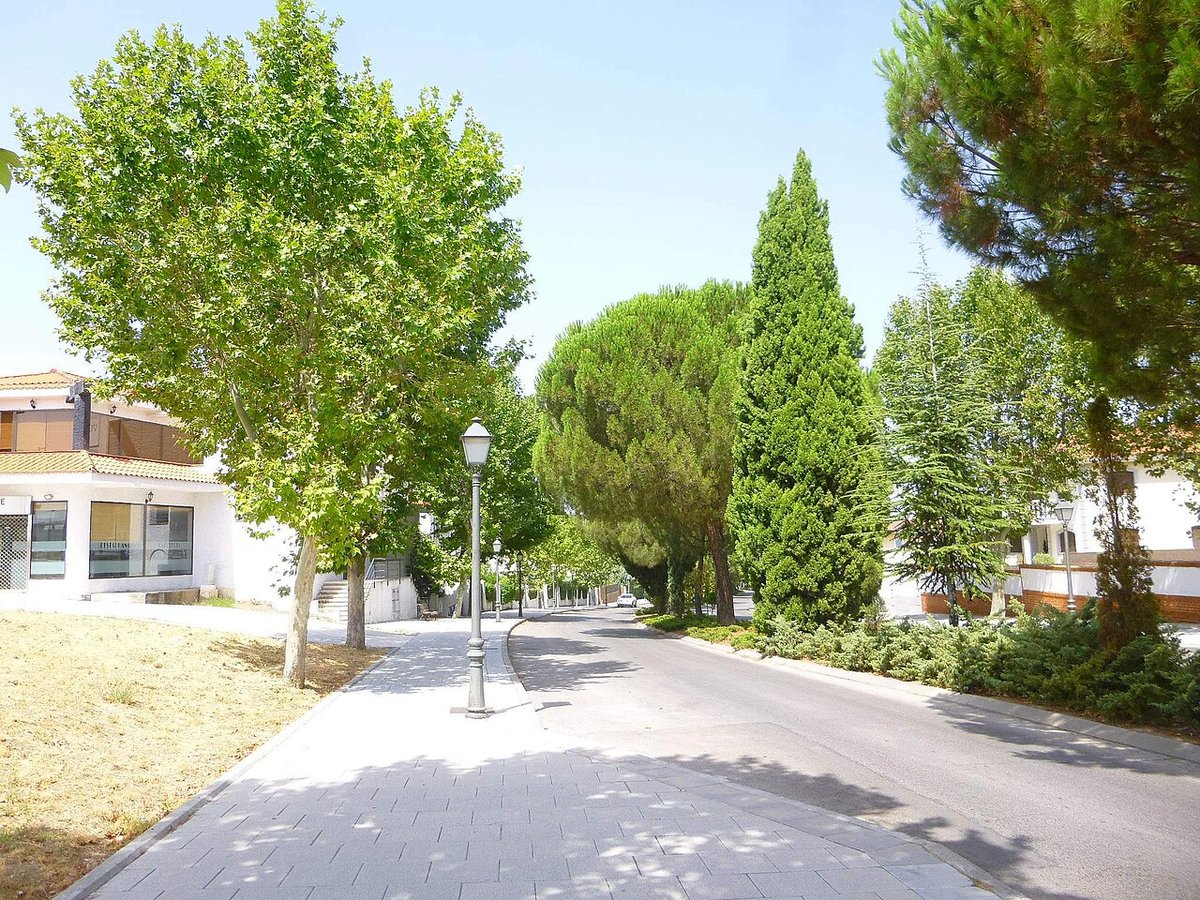
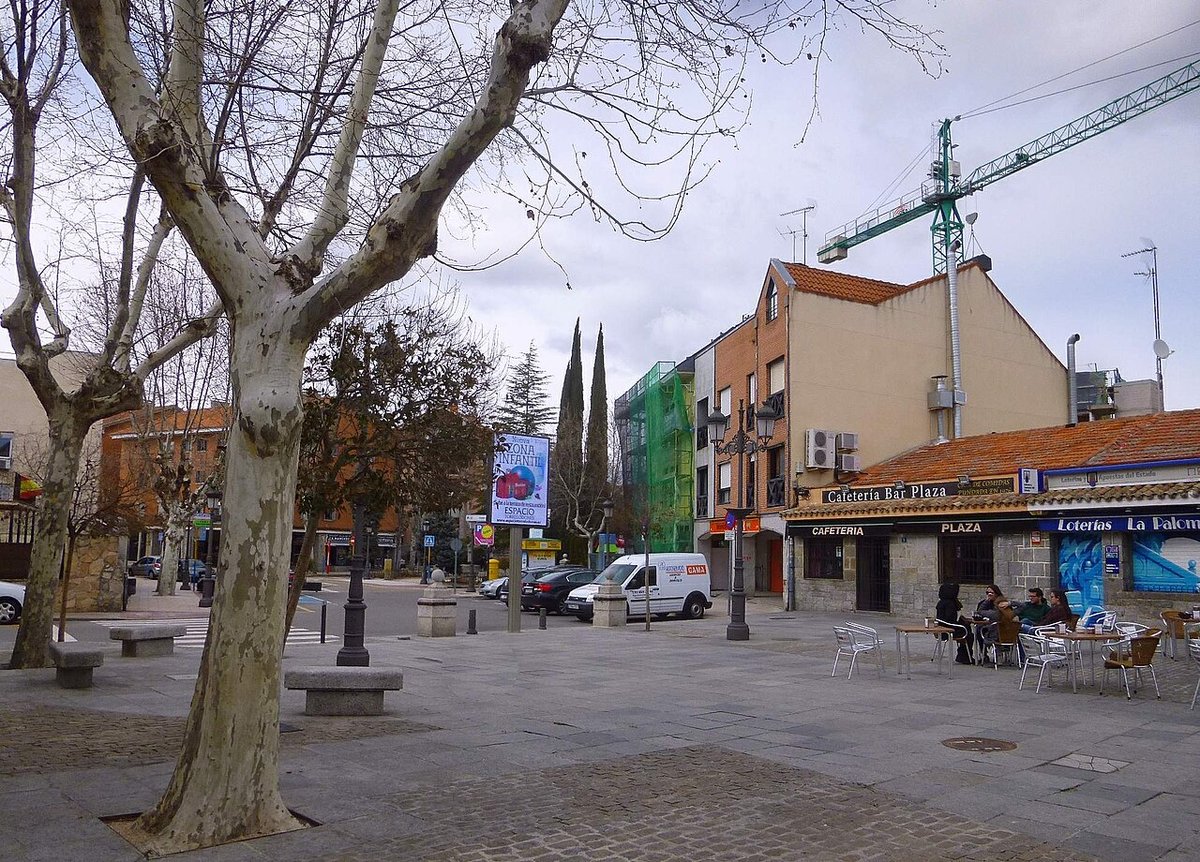
Anyone arriving with expectations of a traditional mountain village may find themselves wrong-footed. There is no expansive historic centre to wander through, nor a main square buzzing from morning to night. Instead, the landscape is made up of residential developments, roundabouts and large commercial areas. It is a municipality that grew as people looked for more space than the capital could offer.
That growth shows in everyday life. The pace is practical, structured around routines rather than sightseeing. It is less about lingering in old streets and more about how people move in and out, day after day.
The motorway at the centre
The A-6 motorway plays a defining role here. Rather than simply cutting across Las Rozas, it organises it. Many parts of the municipality developed along this axis, and traffic is part of the constant background noise.
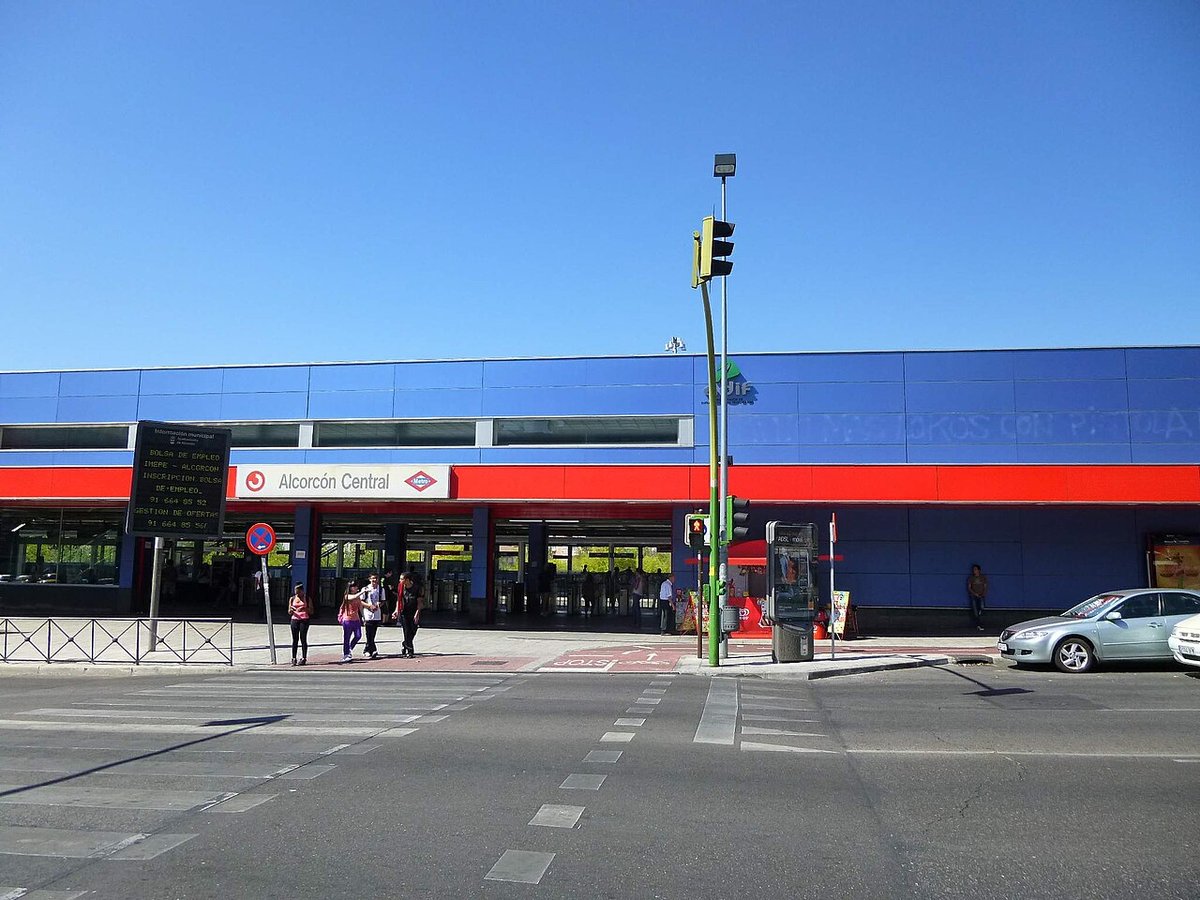
Several Cercanías commuter rail lines also pass through, linking the area quickly with Madrid. The daily pattern is easy to spot: packed trains heading into the city in the morning, then the same flow in reverse by late afternoon.
This setup shapes how people get around locally as well. Residential neighbourhoods are often built with cars in mind, with detached houses and plots of land spread across wide areas. Walking is less central to daily life than in older towns, though there are exceptions.
Curiously, some of the busiest places on foot are the commercial zones. On the outskirts there is a well-known shopping complex designed to resemble a small town, with neat streets and storefronts. It works less as an urban stroll and more as a shopping outing, yet it draws plenty of visitors from Madrid at weekends.
Where the landscape opens up
Step away from the main avenues, and the picture begins to change. There are pockets where the pace softens and the surroundings feel far removed from traffic and retail parks.
One of the best-known walks in the area is around Molino de la Hoz. The path follows the water and leads towards an old dam, often dated to the 18th century. It is neither long nor demanding, more the kind of route suited to an ordinary afternoon when the aim is simply to clear your head.
The contrast is striking. Within minutes, the shift goes from commercial centres to holm oaks, the sound of water and views that open towards the hills.
Another area popular with locals is around the former quarries. From there, it becomes easier to see where the built-up zones end and the countryside begins. Just beyond the residential developments lies the edge of El Pardo, one of the largest green spaces in the northern part of Madrid. For walking or cycling, there is plenty of room without needing to travel far.
Getting to these spots, however, is not always straightforward without a car. Public transport connects efficiently with Madrid itself, but moving between these natural areas within the municipality can be more complicated.
Local festivals that still feel close-knit
Despite its modern layout, Las Rozas still has moments when community life becomes more visible. The main local festivities take place in September, centred on San Miguel. During those days, the main square fills with stalls, music and families heading out for an evening stroll after dinner. It is not a large-scale event, but there is a clear sense of people gathering.
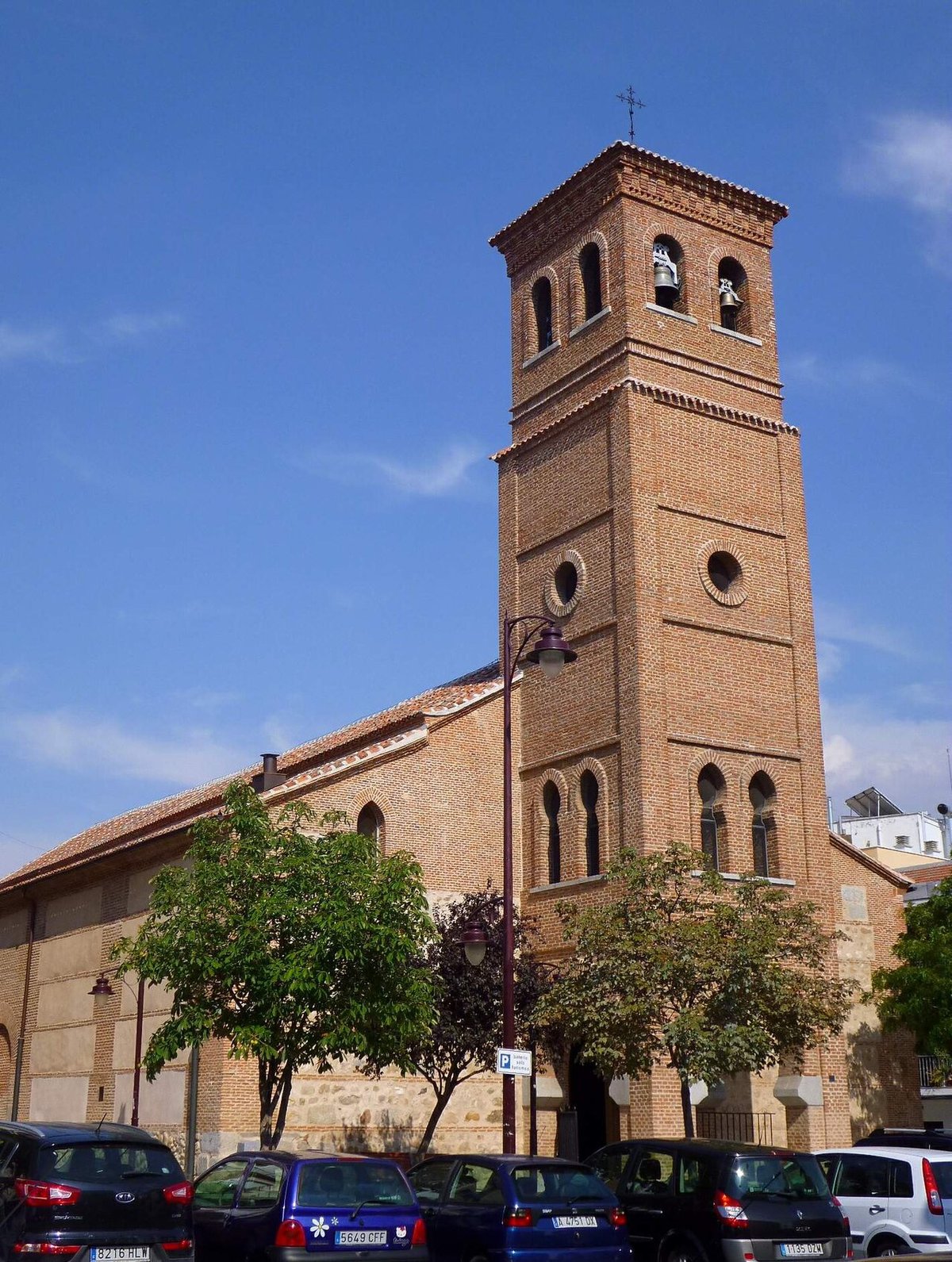
In Las Matas, one of the historic centres within the municipality, the best-known celebration is held on the first of May and is linked to San José Obrero. The atmosphere there feels different, closer to that of a small neighbourhood. Streets are narrower, neighbours tend to know each other, and activities are organised by local associations.
For anyone looking for a more traditional village-like setting, Las Matas is the part of Las Rozas where that impression is most likely to come through.
The stork that stayed
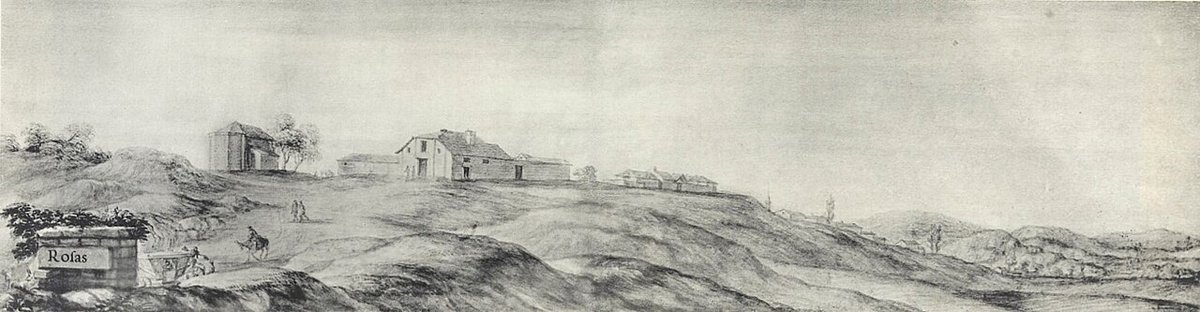
The municipal coat of arms features a stork known as María. According to the commonly told story, when the town began to grow rapidly in the mid-20th century, most of the storks left the area. One remained, and over time became a local symbol.
It is a small anecdote, yet it reflects something broader about Las Rozas. The town changed quickly, but traces of what came before still linger in unexpected ways.
What kind of visit to expect
Las Rozas de Madrid does not fit neatly into the idea of a classic tourist destination. It is not somewhere to tick off monuments one after another, nor a place defined by a historic centre filled with landmarks.
What it offers instead is more low-key. There are green areas within easy reach, simple walking routes for an unhurried afternoon, and a wide range of everyday services. It is a place designed more for living than for sightseeing.
Approached with that in mind, it makes more sense. It is less about seeking out postcard views and more about spending time in a setting where daily life unfolds comfortably. Like meeting someone in their own neighbourhood, the appeal lies in how the place works rather than in what it displays.