Full Article
about Leganés
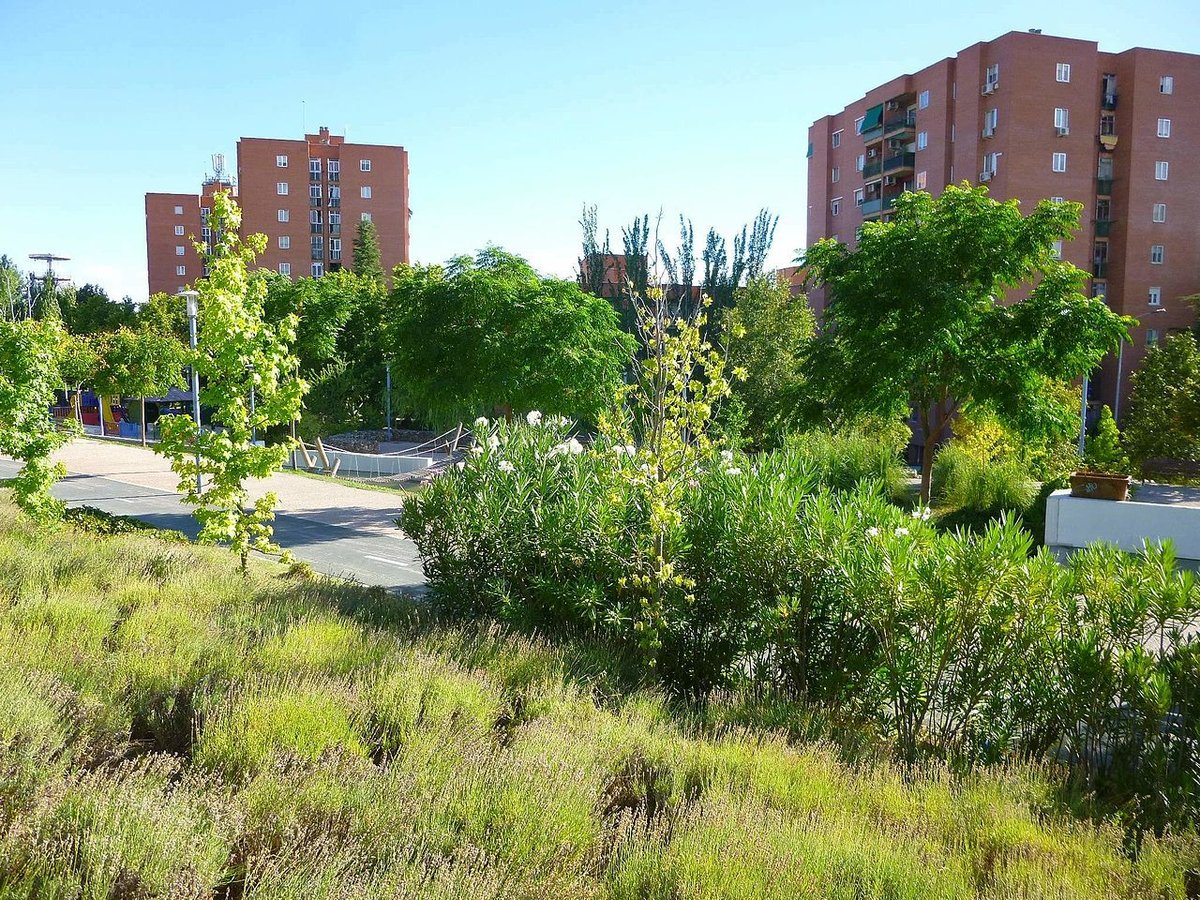
Large dormitory city with extensive green areas and a university campus; Parque Polvoranca is a highlight.
Hide article Read full article
A morning that barely announces itself
At nine in the morning, in the centre, the air carries the smell of warm bread and strong coffee. Metal shutters roll up one after another and the sound bounces off rows of brick buildings. A student crosses the square with a poorly slung backpack and the look of someone who has not slept enough. Two older women discuss the price of fruit while gently pressing peaches to test their ripeness. Tourism in Leganés begins like this, in everyday scenes that often go unnoticed by those who live here.
Leganés does not present itself as a postcard destination. It is a large city to the south of Madrid where life is organised by neighbourhoods, by parks, by streets where long-standing shops sit alongside blocks built in different decades. The appeal lies in how these layers coexist rather than in any single landmark.
Where the mud once settled
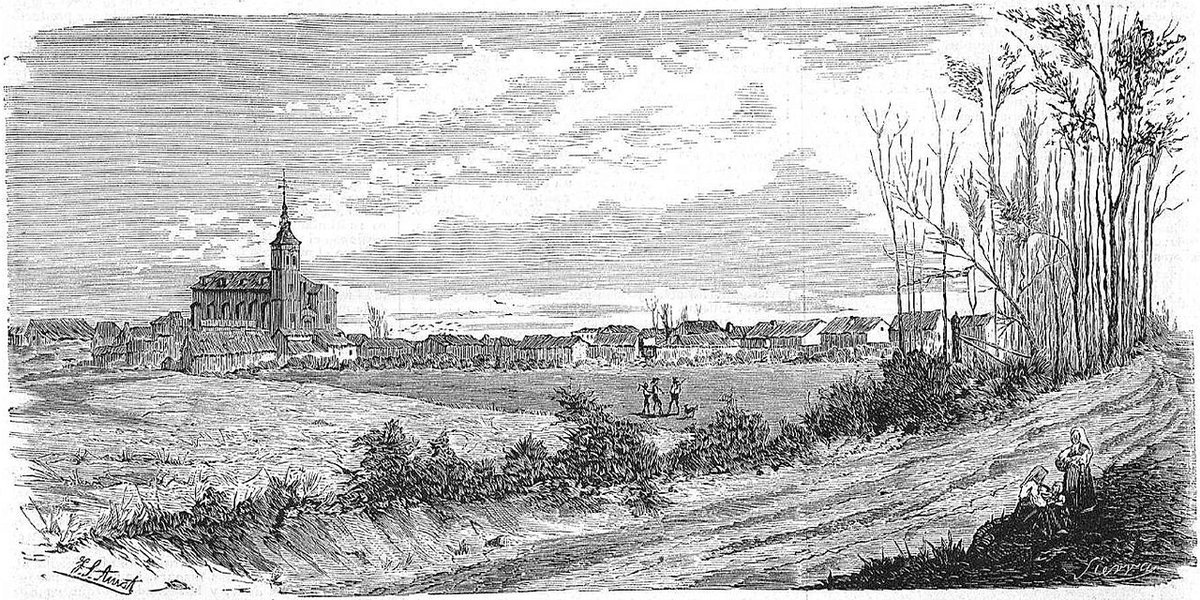
The name Leganés is often linked to légano, a thick mud that used to form in the area’s former wetlands. Before the city expanded in every direction, the land was dotted with ponds and seasonal streams that left behind dark, sticky soil after rain.
Something of that landscape still lingers in the old town. Streets slope gently, and in certain spots it feels as though everything is drifting towards the former course of the Butarque stream. Between buildings from different periods, traces of the municipality’s earliest days remain visible, though they are woven into daily life rather than set apart from it.
In one house in the centre, a detail of wider history quietly persists: Don Juan de Austria is said to have spent part of his childhood here, raised away from court in his early years. Today, the building blends into the neighbourhood, surrounded by shops, schools and residential entrances where people come and go without giving much thought to what the street once witnessed.
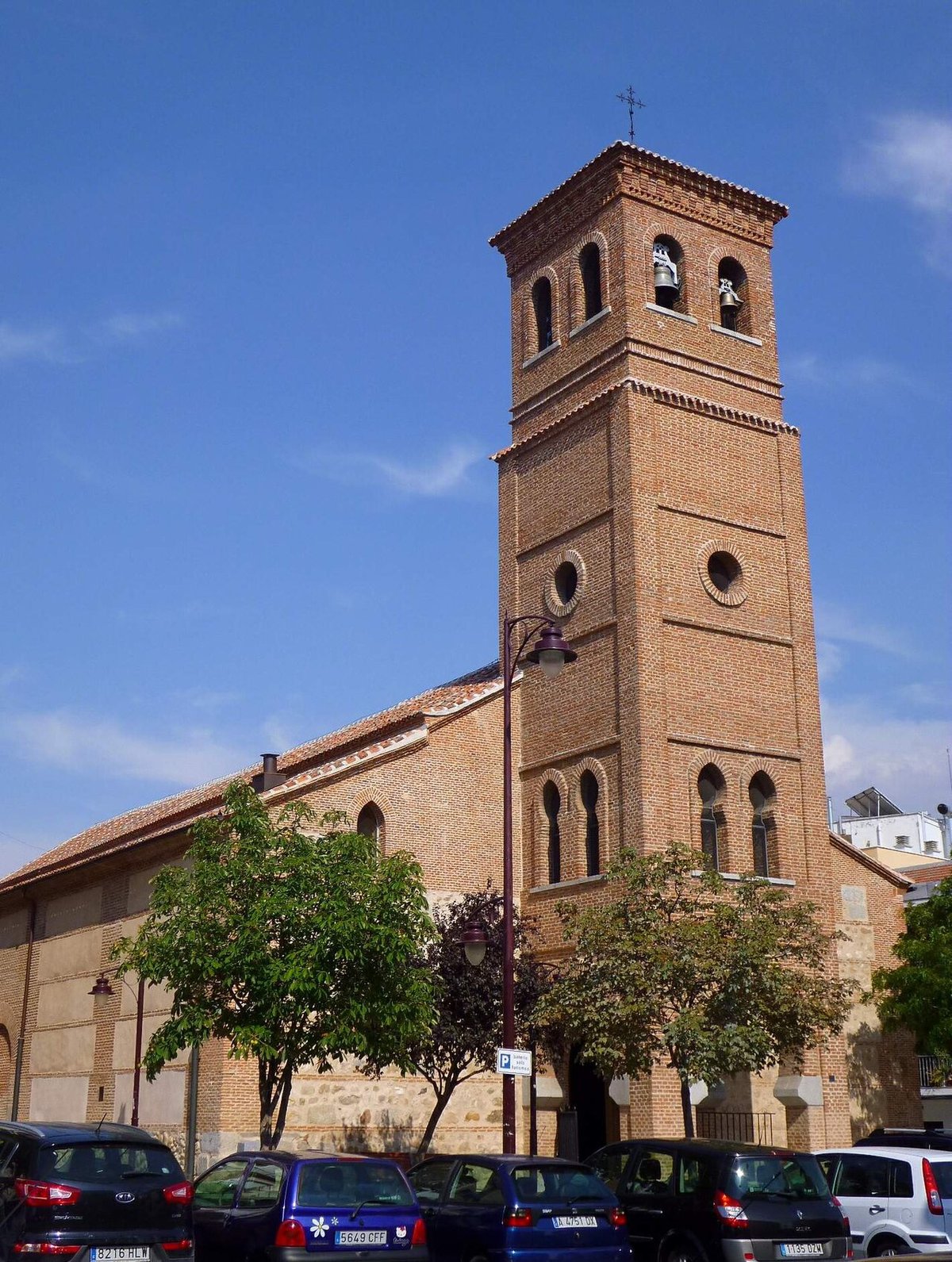
The church of San Salvador continues to set the rhythm of the old town. Its brick tower can be seen from several nearby streets, acting as a point of reference rather than a grand statement. Inside, a baroque altarpiece fills the presbytery with gold tones and twisting columns that draw the eye upwards. Around midday, older residents still arrive for mass, some walking slowly from nearby streets, following a routine repeated over decades.
Echoes behind brick walls
A short walk away stands one of the largest historic buildings in Leganés: the former barracks built in the 18th century to house troops connected to the Madrid court. The complex is austere, made of red brick, with a large internal courtyard where footsteps echo before voices do.
It now functions as a cultural and administrative space, yet it retains the feeling of an enclosed compound, almost military in character. From certain points, the steady noise of nearby roads filters in, a constant reminder of how close Madrid is. The contrast between the building’s enclosed atmosphere and the surrounding urban movement defines the experience of the place today.
Further out lie the grounds of the former Santa Isabel psychiatric hospital. The site is recognisable from a distance by its perimeter walls and the brick buildings rising among tall trees. For decades, it operated as a psychiatric institution and became part of the collective memory for many residents in the southern part of Madrid.
Access to the interior is generally restricted now, so what remains visible is the outline of the pavilions and the railings enclosing the complex. Towards evening, when the light turns yellow and the city noise softens, the area takes on an unusual stillness. That quiet stands in contrast with the surrounding neighbourhoods, where daily life continues at its usual pace.
When the city changes tone
If there is a time when Leganés shifts its atmosphere, it is during carnival. The change can be felt in the weeks leading up to it. People sew costumes at home, groups rehearse choreographies in civic centres, and children are reluctant to take off their masks once practice ends.
The parade moves along wide avenues that can accommodate entire troupes and floats built with more imagination than budget. Along the pavements, families, long-time residents and visitors from other parts of southern Madrid gather together. Music plays for hours. Children fall asleep in their parents’ arms while adults continue chatting in small circles that form and dissolve as the evening goes on.
The celebration does not transform the city into something entirely different. Instead, it amplifies what is already there: a strong sense of neighbourhood life, shared spaces, and the habit of gathering outdoors.
A park that feels like home
Parque de Polvoranca sits right on the boundary between municipalities. Administratively it belongs to Getafe, but many residents of Leganés treat it as their own main green space, a place reached on foot or by bicycle.
The most common entrance involves crossing a bridge over the railway line. On the other side, the noise of traffic fades and gives way to dirt paths lined with poplars and pines, alongside open areas where tall grass moves with the wind.
At the centre lies an artificial lake that attracts ducks, geese and a fair number of amateur photographers carrying long lenses. At weekends, blankets appear on the grass, bicycles lean against trees, and groups of teenagers sit talking for hours as the afternoon slips into evening.
Those looking for a quieter atmosphere tend to come during the week or early in the morning. Saturdays and Sundays fill up quickly, especially when the weather is good, and the park becomes an extension of the surrounding neighbourhoods rather than an escape from them.
Reaching Leganés
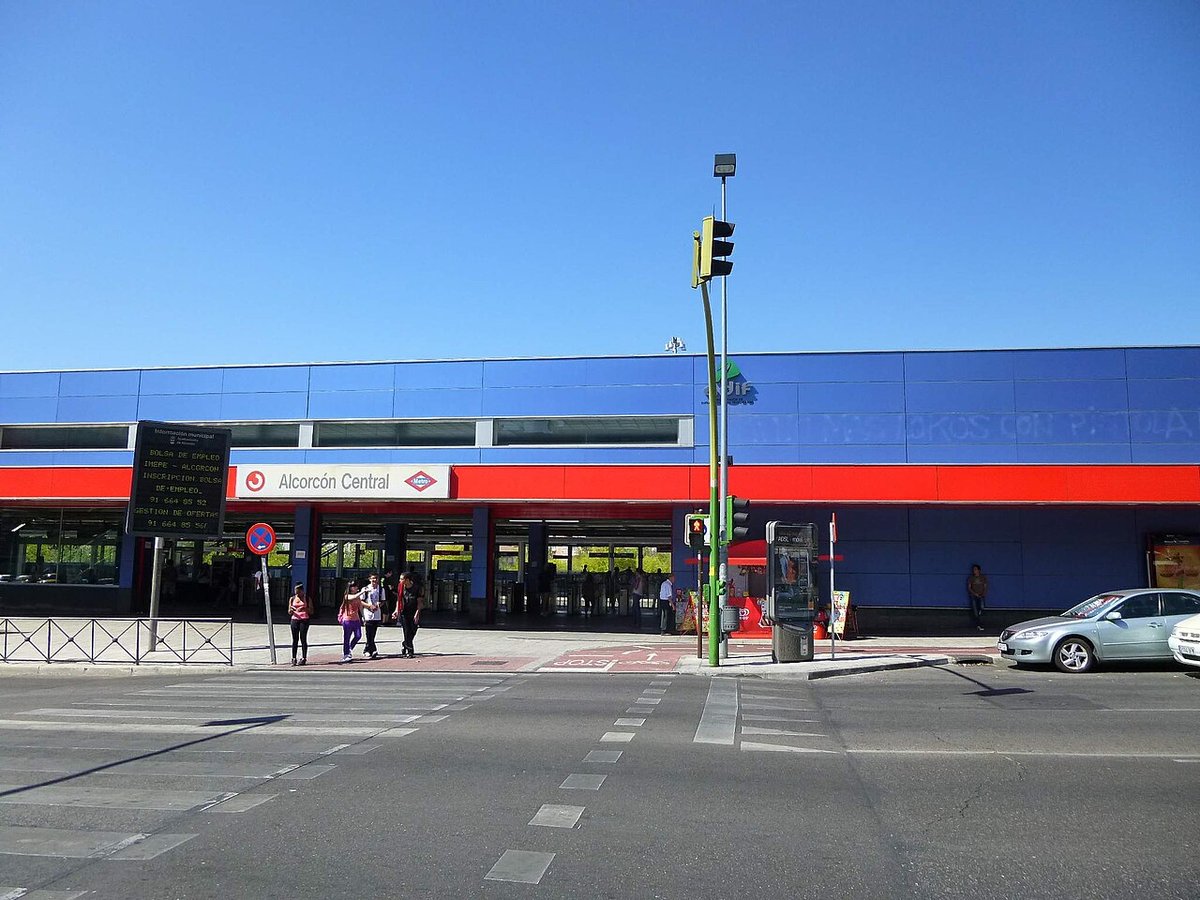
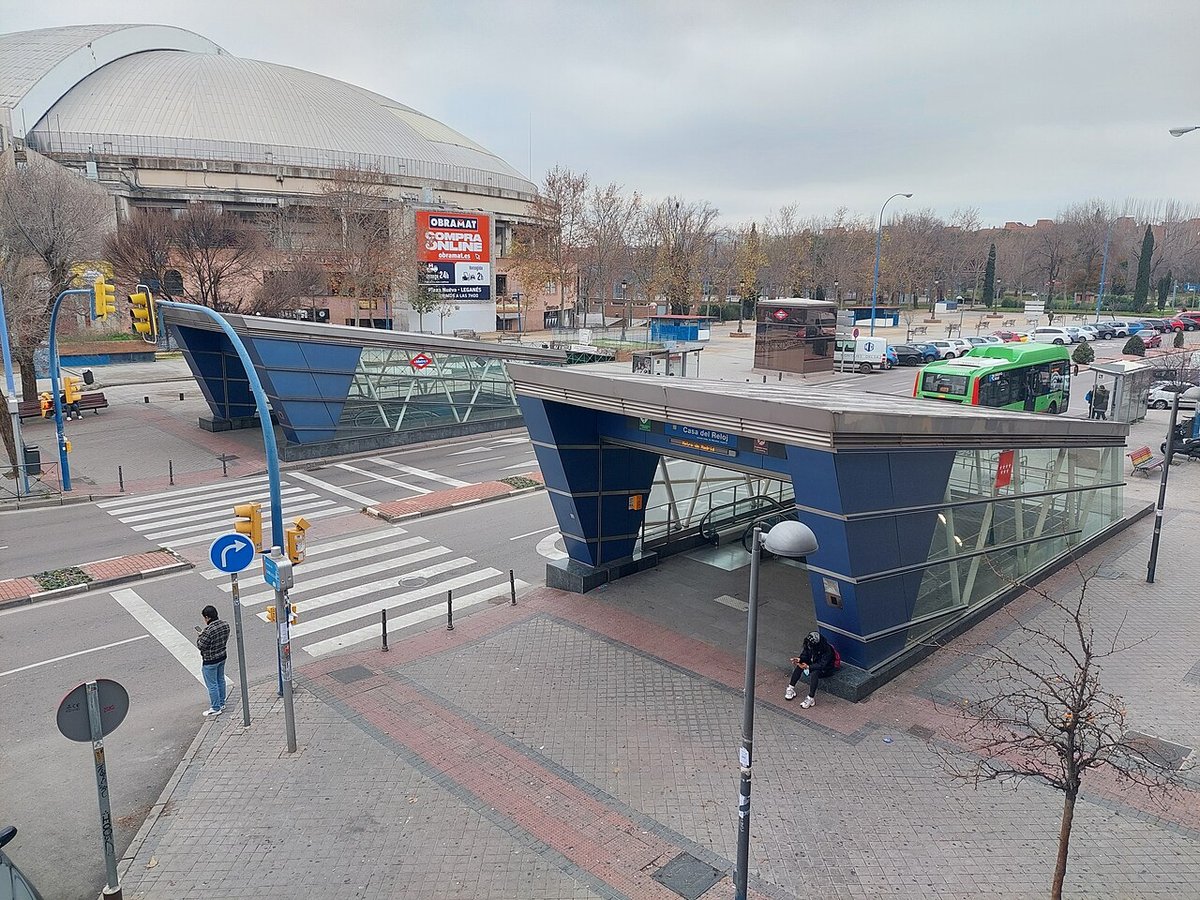
Leganés is connected with Madrid by various transport links, making it part of the wider metropolitan flow rather than a detached destination. The proximity shapes how the city is experienced: as a place where everyday life unfolds alongside the constant presence of the capital, rather than in isolation from it.