Full Article
about Majadahonda
Upscale residential town with busy shopping; its pedestrian Gran Vía stands out.
Ocultar artículo Leer artículo completo
At 743 m above sea-level, Majadahonda sits just high enough for the summer heat to lose its edge. Stand on the terrace outside the Palacio del Infante don Luis at sundown and the breeze carries the scent of pine from the Monte del Pilar rather than exhaust fumes from the A-6. That alone is reason enough for madrileños to migrate west after clocking-off time; for visitors it means you can walk the grid of residential streets without the sticky-back feeling that plagues central Madrid in July.
A Palace that Prefers to Keep its Doors Shut
Ventura Rodríguez drew up the plans in the 1770s for the king’s younger brother, and the neoclassical façade still looks as if it belongs in a provincial capital rather than a dormitory town. The bad news: you can’t go inside—council offices occupy most of the building. The good news: nobody stops you circling the gardens, where elderly residents play petanca and teenagers practise TikTok dances behind the hedges. Bench space is plentiful, shade arrives courtesy of 200-year-old cedars, and the whole circuit takes twelve minutes—handy if you’re killing time between trains.
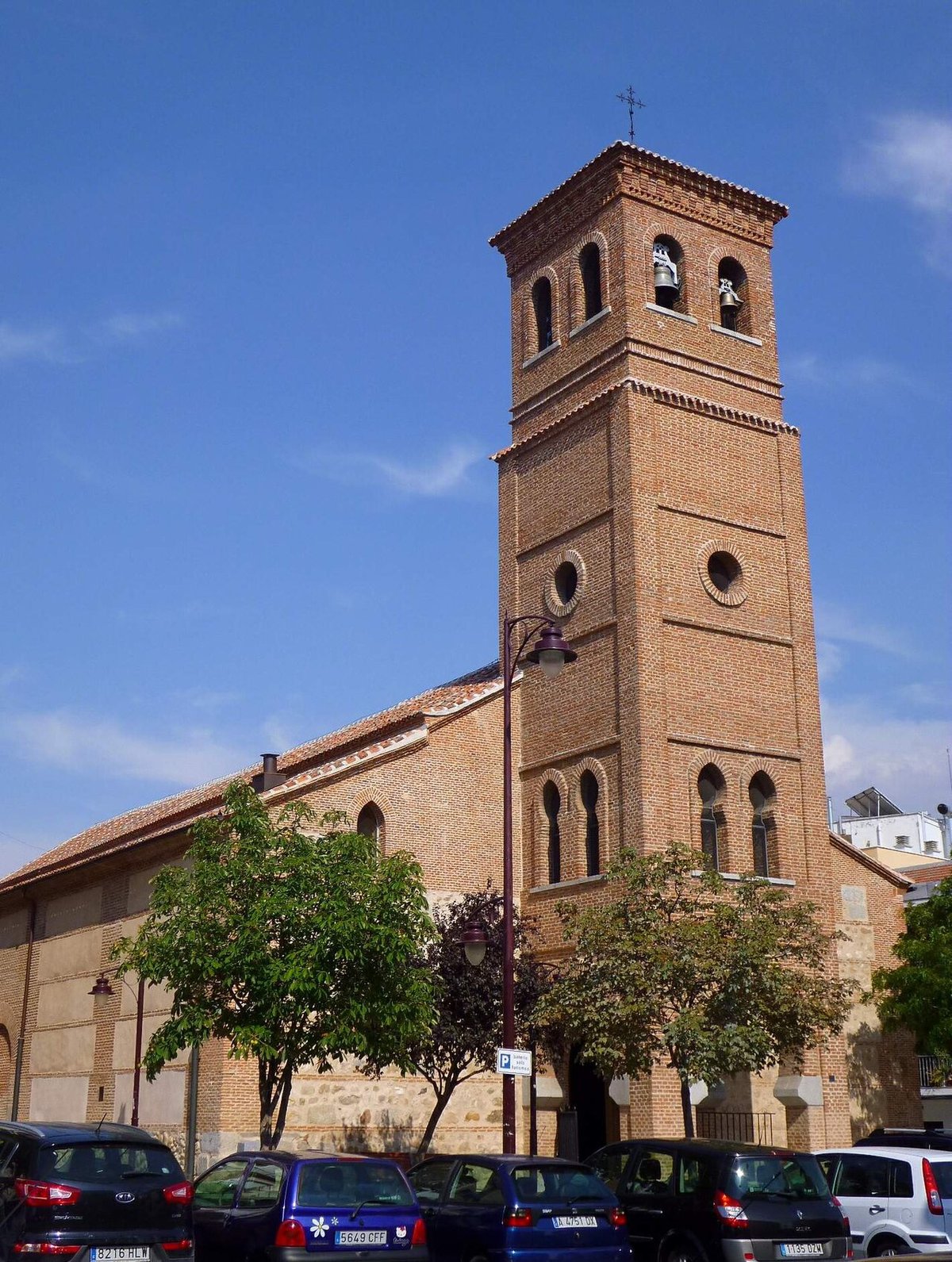
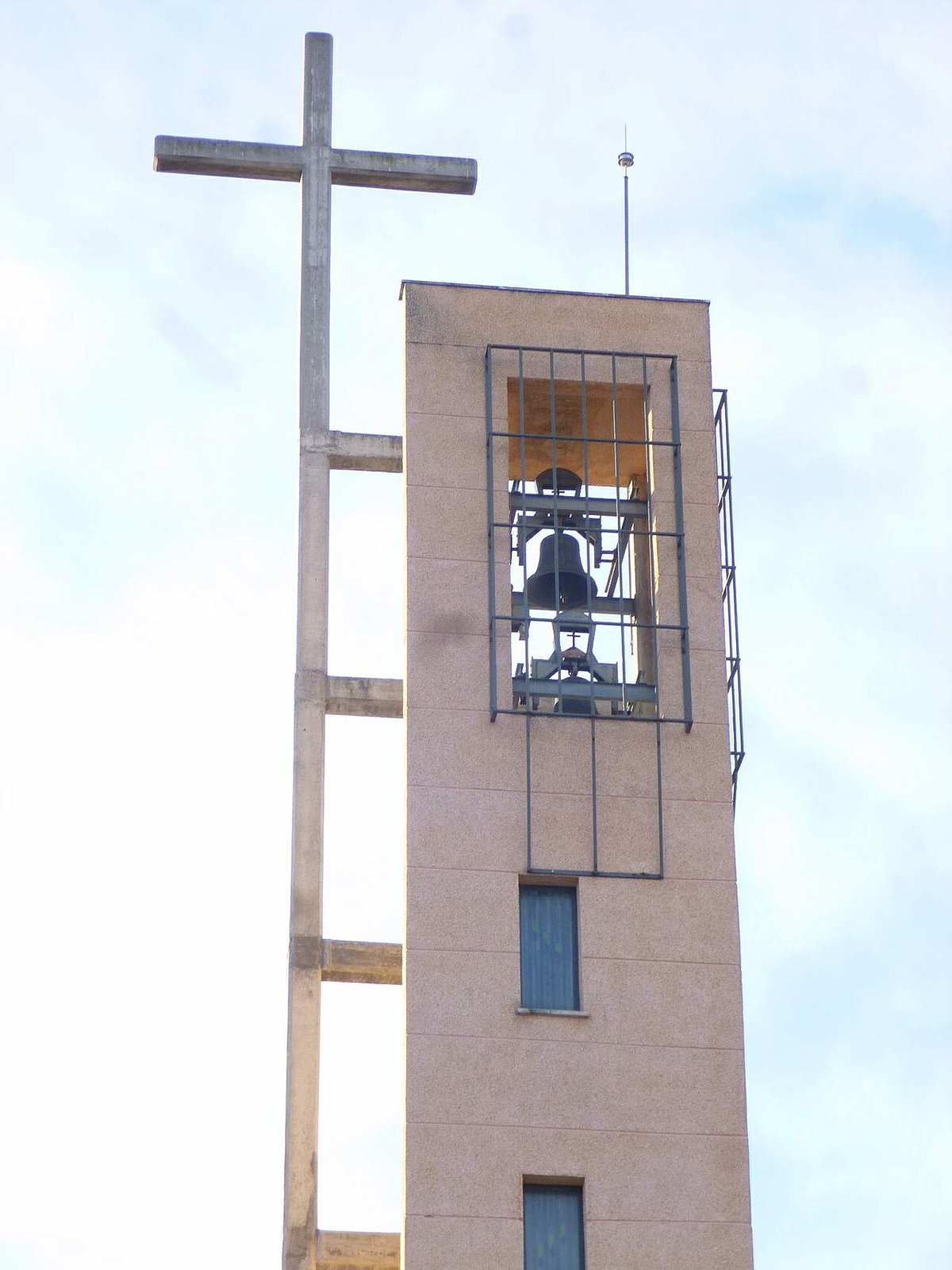
From the palace railings it’s a five-minute stroll south to the Iglesia de Santa Catalina. The tower wears the unmistakable zig-zag brickwork of mudéjar builders, a reminder that this was farming country long before the apartment blocks arrived. Step through the door and the traffic hum vanishes; the interior is darker and older than the surrounding architecture suggests, with a sixteenth-century font that still sees service at Saturday christenings.
Surrey with Sun: the High Street Reality
Calle de la Estación could be plonked into Guildford without raising eyebrows: Zara, Mango, H&M and a Carrefour hypermarket sit opposite estate agents advertising €700,000 villas with pools. British travellers looking for wrought-iron balconies and geranium-filled plazas tend to leave disappointed; those in need of a pharmacy, a decent coffee and free Wi-Fi generally cheer up. Prices are lower than in central Madrid—expect to pay €1.80 for a caña instead of €2.50—and most bar staff will understand “sin azúcar” if you’re watching the waistline.
Cash is still king in the neighbourhood cafés. Many display handwritten signs “tarjeta 10 € mínimo”; the safest ATM is inside the Carrefour on Avenida de España, which also dispenses €10 notes so you aren’t stuck with a €50 no one wants to break.
Sunday Leg-Stretching Without the Crowds
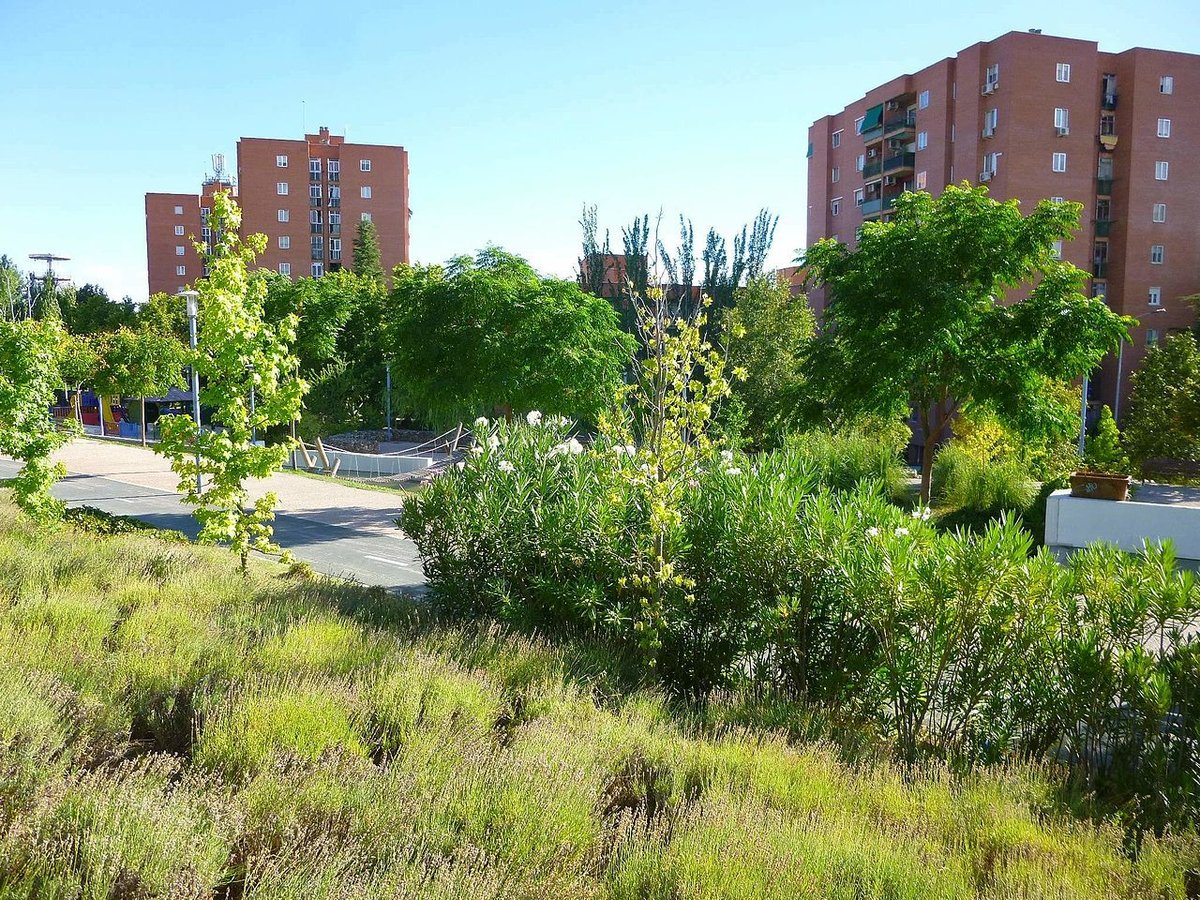
Madrid’s Sierra gets the glory, but the Monte del Pilar starts 400 m beyond the last roundabout and delivers perfectly serviceable hiking. A figure-of-eight loop takes forty-five minutes, climbs 120 m, and on clear days gives a sight-line to the snow-dusted Guadarrama ridges. Spring brings rock-rose and thyme; after rain the path turns clay-red and slippery, so decent soles help. Mountain bikers use the same trails: keep left and nobody ends up in the gorse.
If flat terrain suits better, Parque de Colón delivers 9 ha of lawns, an artificial lake with resident ducks, and enough benches to host a sizeable picnic. Children’s playgrounds are fenced and clean; the council even provides water fountains designed for both humans and dogs. Joggers circle the perimeter path at lunchtimes, but at 11 a.m. you’ll have it largely to yourself.
Breakfast like a Local, Lunch like a Councillor
Churrería La Madrileña opens at 6 a.m. to serve the market traders and keeps the fryers going till 1 p.m. Order “porra” if you prefer the thicker, doughnut-sized cousin of the churro; staff will slice everything into finger-length pieces without being asked. Chocolate comes in white porcelain jugs and is hot enough to scald, so pace yourself. A standard portion (six churros plus drink) costs €3.90—half the price of San Ginés in central Madrid.
For something savoury, El Rebote on Calle del Sol does a weekday menú del día at €12.90: grilled chorizo, salad, bread and either coffee or pud. They’re used to foreign accents and will happily cook steak medium rather than the Spanish default of “still mooing”. English menus don’t exist; instead the waiter holds up laminated cards with rough translations. Pointing works.
Getting There Without Losing the Will to Live
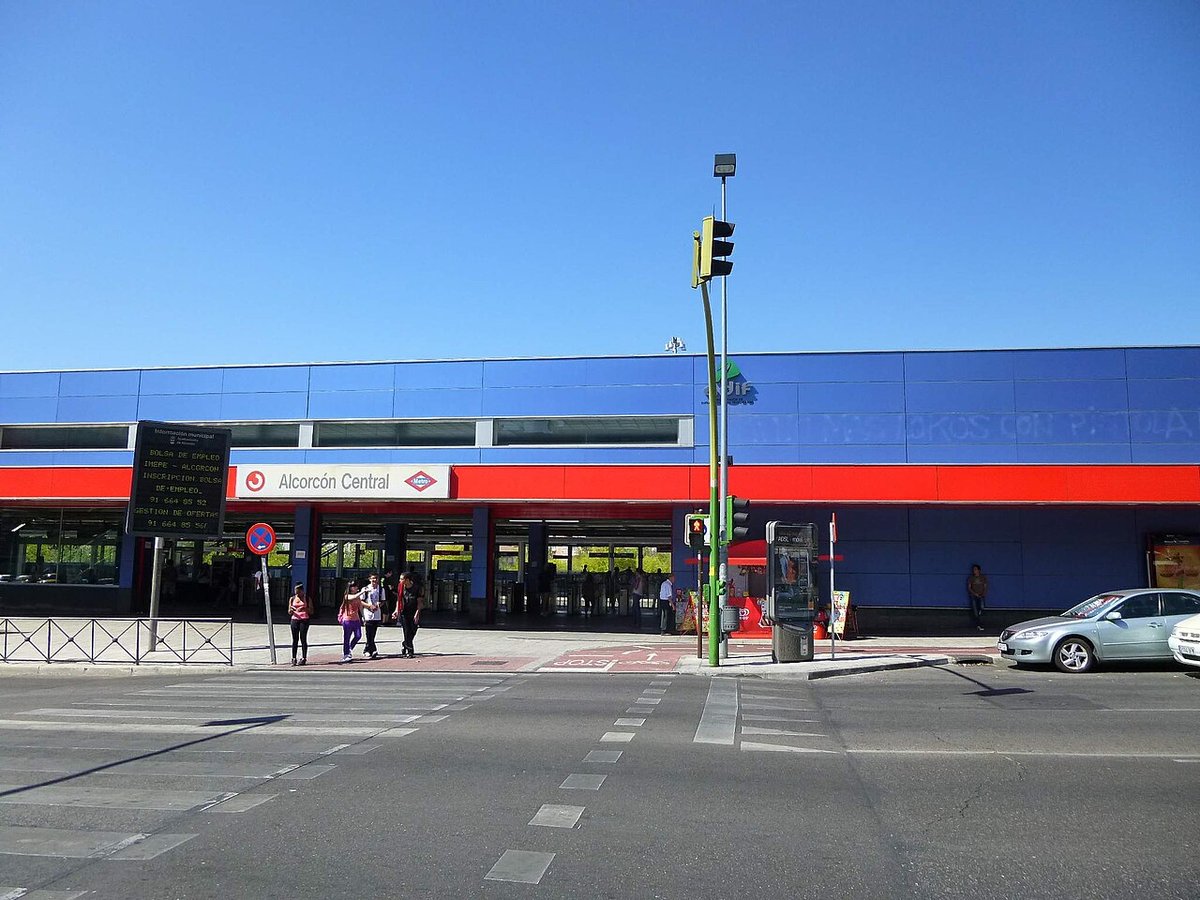
Cercanías line C-10 links Madrid’s Puerta del Banco de España (walkable from Sol) to Majadahonda in 25 minutes. Trains leave every 15 minutes at peak times, dropping to half-hourly off-peak; a single is €2.05, but a Bonotren (10 journeys) brings the cost down to €1.44 per trip and can be shared between people travelling together. The station sits in a cutting below the town: exit via the lift, turn right, then brace yourself for a gentle but persistent 12-minute uphill walk to the shops. Taxis wait if you’re luggage-laden—€6–8 to the palace gardens.
Drivers should leave the A-6 at junction 18 and follow signs for “Centro Urbano”. Parking is free on blue zones after 3 p.m. and all day Sunday; otherwise you’ll need the Apparkya app, which accepts UK credit cards. Rush-hour traffic backs up heading into Madrid 07:30-09:00 and out again 18:00-20:00—plan around it or you’ll spend more time stationary than sightseeing.
What You Won’t Find (and Might Miss)
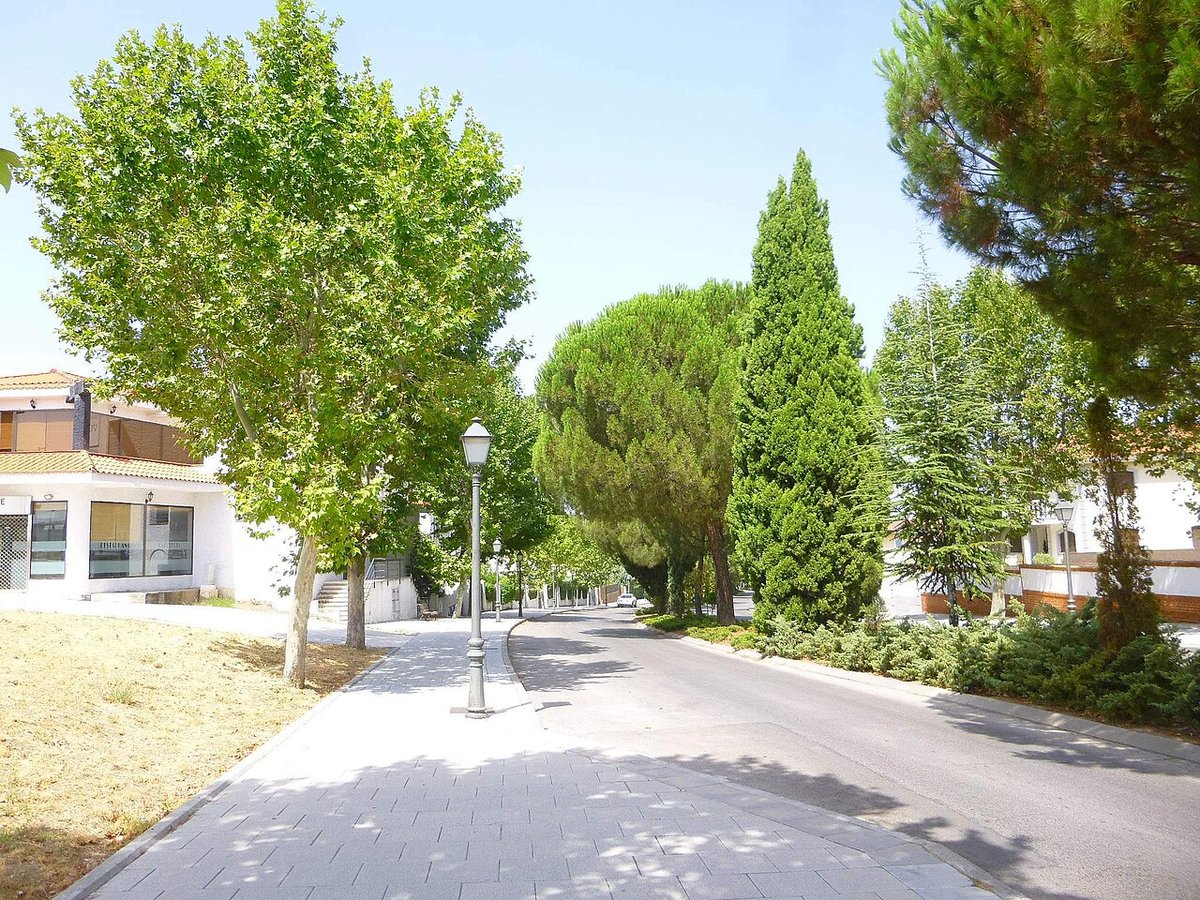
There is no medieval wall, no arcaded plaza, no evening paseo along cobblestones. The old centre amounted to one street and most of that was rebuilt in the 1960s. If your heart is set on honey-coloured stone and hanging lanterns, catch the train to El Escorial instead. What Majadahonda offers is the chance to watch daily Spain unfold: grandparents pushing prams under plane trees, teenagers debating football over post-school cola-cao, market stalls unloading mushrooms the size of side-plates on Thursday morning. You can cover the lot in three hours, less if you skip the hill walk, making the town a respectable half-day escape rather than a long weekend.
Come in late November and you’ll bump into Santa Catalina fiestas: brass bands, processions and a temporary fairground that takes over the main car park. August brings summer fiestas aimed at locals who can’t afford beach rentals: open-air verbenas start after 10 p.m. when temperatures finally dip below 25 °C. Spring and autumn remain the sweet spots—warm enough for coffee outside, cool enough to keep hair frizz at bay.
The Honest Verdict
Majadahonda will never make Spain’s top-50 village list, and the tourism office knows it. Treat it as Madrid’s balcony: cleaner air, space to stretch your legs, and churros worth getting out of bed for. Spend a morning here before the capital’s galleries open, or come late afternoon when the palace gardens glow ochre in the sinking sun. Board the train back at dusk, and Madrid’s lights look all the brighter for the breather.