Full Article
about Pozuelo de Alarcón
Municipality with the highest per capita income; extensive green areas and luxury residential zones
Hide article Read full article
A town that feels like it’s still Madrid
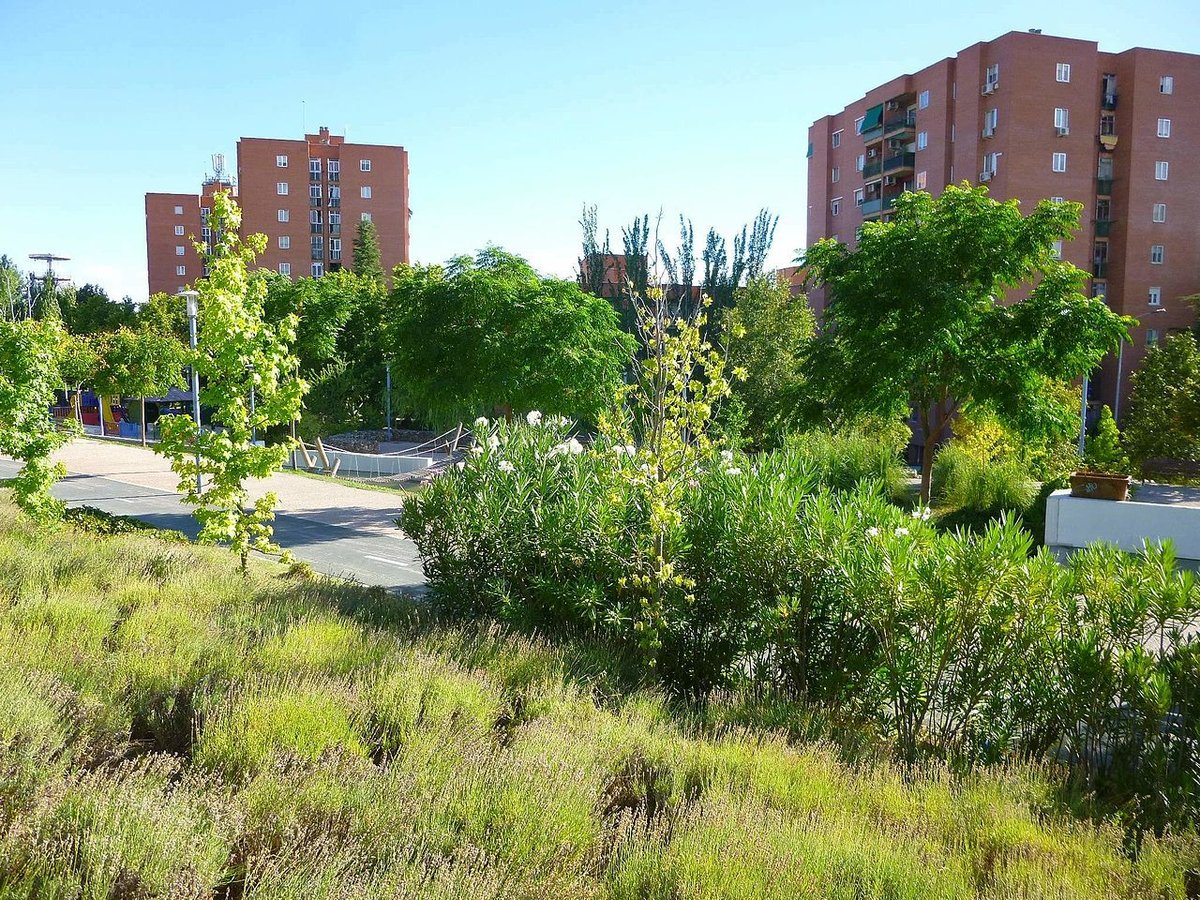
Tourism in Pozuelo de Alarcón has a slightly odd feel to it. It’s like visiting that colleague who insists they live “outside Madrid” because they have a detached house. You arrive and the roads look familiar, the buses look familiar, and the M‑40 ring road is still looping nearby. Then something shifts. There are more trees, and above all, space to park.
The boundary between Madrid and Pozuelo can feel almost improvised. A sign says you’ve arrived, yet the building across the road still belongs to the capital. The municipal line seems as if it was drawn with a shaky marker.
The town that outgrew the idea of a town
Calling Pozuelo a “town” is more about history than reality. With close to 90,000 residents, it has a larger population than many provincial capitals in Spain. Even so, it keeps a certain big-neighbourhood atmosphere where people regularly bump into each other doing the weekly shop or out for a walk.
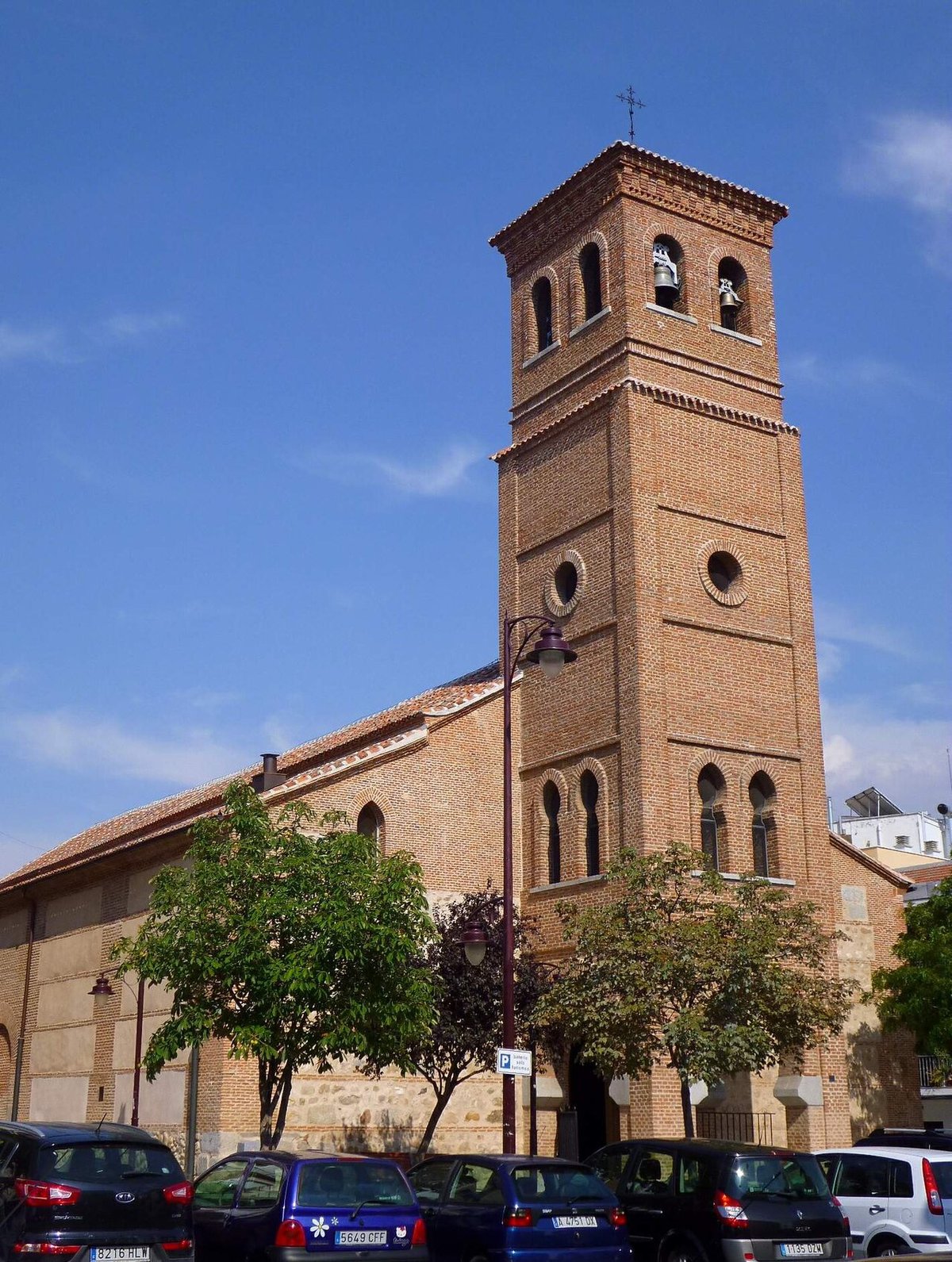
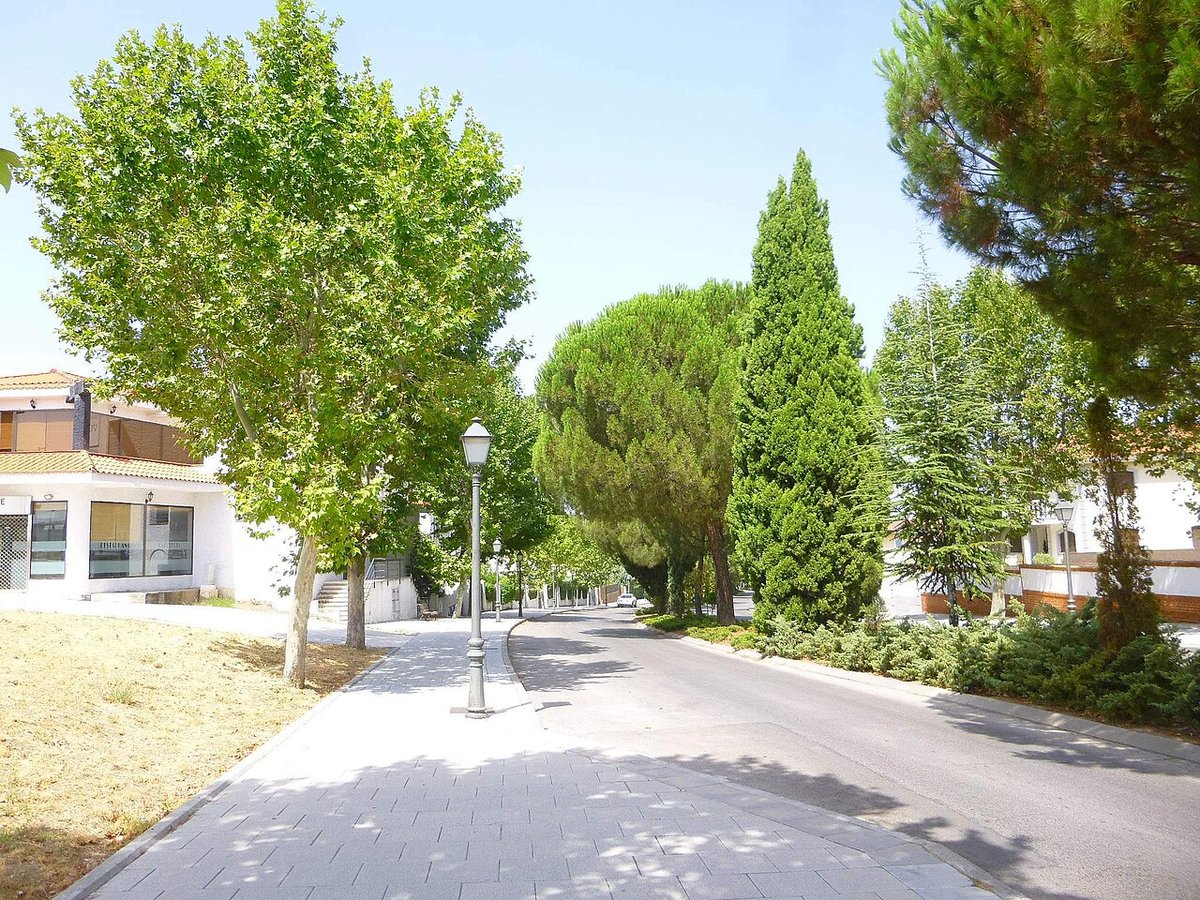
There isn’t much of a traditional old quarter. What remains of older Pozuelo sits around the church and a handful of nearby streets. Most of the municipality expanded during the 1970s and 80s, with developments of semi-detached houses and detached homes, often named after trees or vineyards. Streets are quiet, and cars are usually parked right outside the front door.
For anyone arriving from a flat in central Madrid, the difference is immediate. Everything feels like it has a bit more breathing room.
Parks and paths: a breath on the edge of the city
That sense of space becomes most obvious in the Parque Forestal Adolfo Suárez. For years it was underused land. Today it works as a green boundary between Pozuelo and Boadilla.
This is not a carefully manicured park. There are dirt paths, open areas, an artificial lake, and plenty of room for walking or cycling. What stands out is the relative quiet. It’s only a short drive from Plaza de España in central Madrid, yet the dominant sounds tend to be wind, birds, and the occasional group of cyclists, especially on Sunday mornings.
At weekends, something interesting happens. People arrive from other parts of Madrid looking for fresh air. It has the same feel as visiting a relative who lives on the outskirts and being surprised by how calm everything is, while for them it’s just everyday life.
Wells, names and long memory
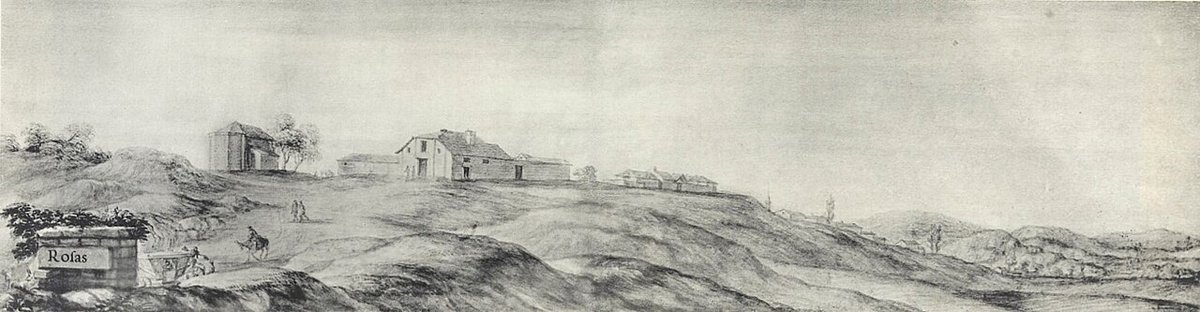
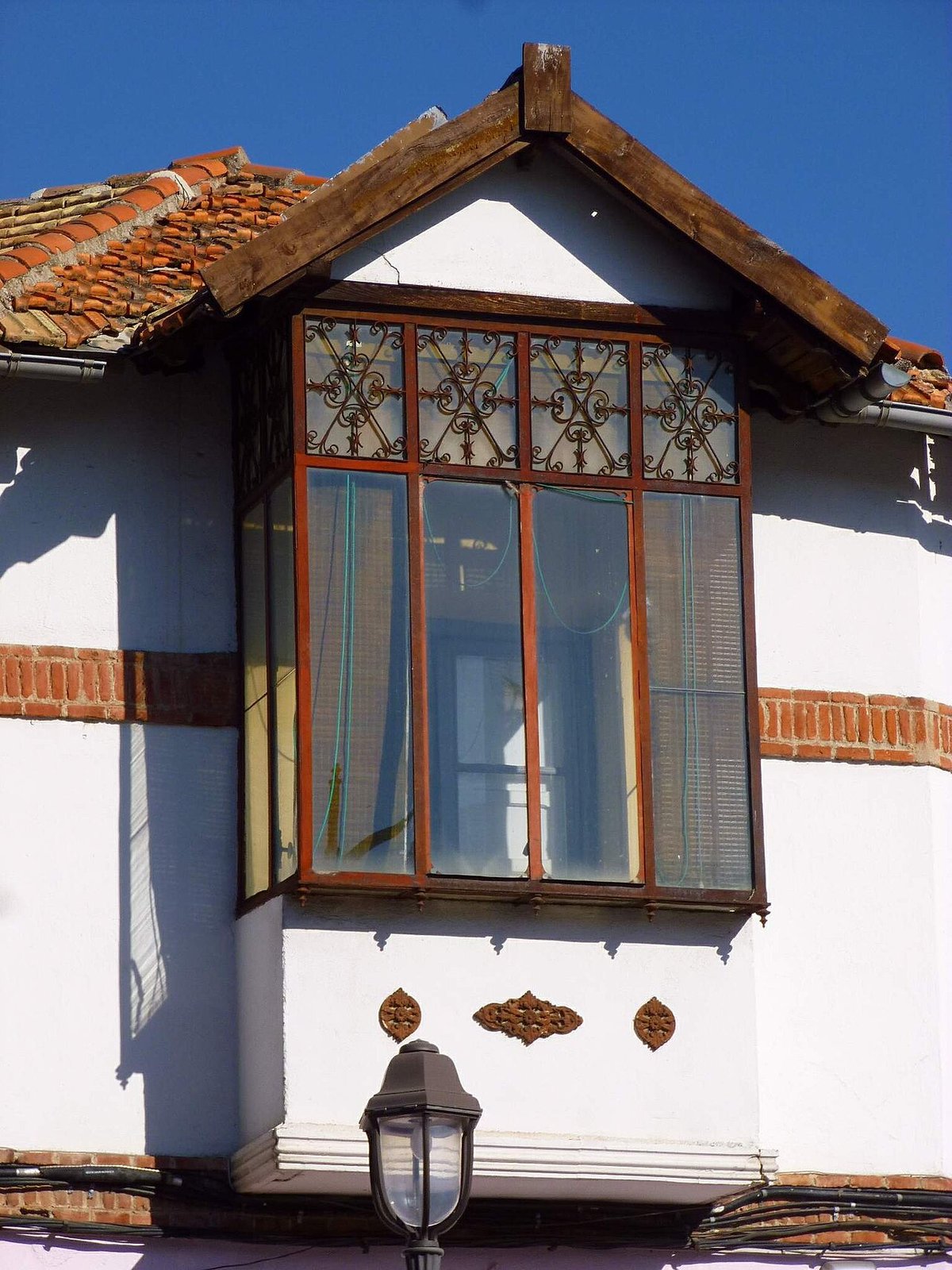
The name Pozuelo comes from “pozo”, meaning a small well. That makes sense in a place where access to water was once crucial. For centuries, the area was little more than an agricultural settlement organised around these water points.
Archaeological remains found nearby go back much further, even to prehistoric times, suggesting that people have been passing through or settling here for a very long time. The original well that gave the place its name disappeared centuries ago, but the name stayed. Like a nickname that refuses to fade.
A cultural centre that breaks the pattern
Amid all the quiet residential streets, one building stands out: the Centro Cultural Padre Vallet.
Its white structure, with curved forms and large windows, feels closer to the architecture of a much larger city. Set among houses and low-rise streets, it creates a striking contrast, as if a piece of contemporary design had been placed right in the middle of the neighbourhood.
Inside, it serves as the municipality’s cultural hub, with a library, theatre space and rooms for activities. When there’s a programme on, it brings noticeable energy to an otherwise calm setting.
Living, or visiting, inside the bubble
Pozuelo has a reputation as a well-off municipality, and there is some truth in that. It shows in the presence of international schools, the style of housing developments, and the number of hybrid or electric cars on the streets.
There is also a strong sense of it being a commuter town. During the week, many streets are quiet because a large part of the population works in Madrid. Then Saturday afternoon arrives and everything picks up at once. Families fill the parks, queues form at fast food chains, and cars circle looking for parking near shopping areas.
It’s a rhythm typical of the outskirts of a large city.
A simple way to understand it
Whether Pozuelo de Alarcón is worth visiting depends on expectations.
Anyone hoping for a historic centre with narrow streets and old houses won’t find it here. Pozuelo functions more as a residential extension of Madrid than as a traditional town.
For those curious about how much of Madrid’s outer ring lives, the place offers a clear example. This is the belt where many people moved when living in the centre became difficult, and where daily life settled into a different pace.
A straightforward plan works best. Visit on a Sunday morning, walk through the park, sit for a while at a terrace and watch the atmosphere. It doesn’t take long to get a sense of the place.
Heading back towards Madrid afterwards, there’s a lingering question. It’s not always clear whether the journey involved leaving the city at all, or simply stepping into its quieter backyard.