Full Article
about Rivas-Vaciamadrid
A young, fast-growing town known for its green commitment and the Parque del Sureste.
Hide article Read full article
At nine in the morning, in one of the markets in Rivas, the air carries the smell of fresh bread and damp fruit. A short drive away, the paths of the Parque Regional del Sureste still hold the night’s dew. A woman wraps bartolillos in brown paper while recalling when Vaciamadrid was a separate village and Rivas was little more than a handful of houses by the Jarama.
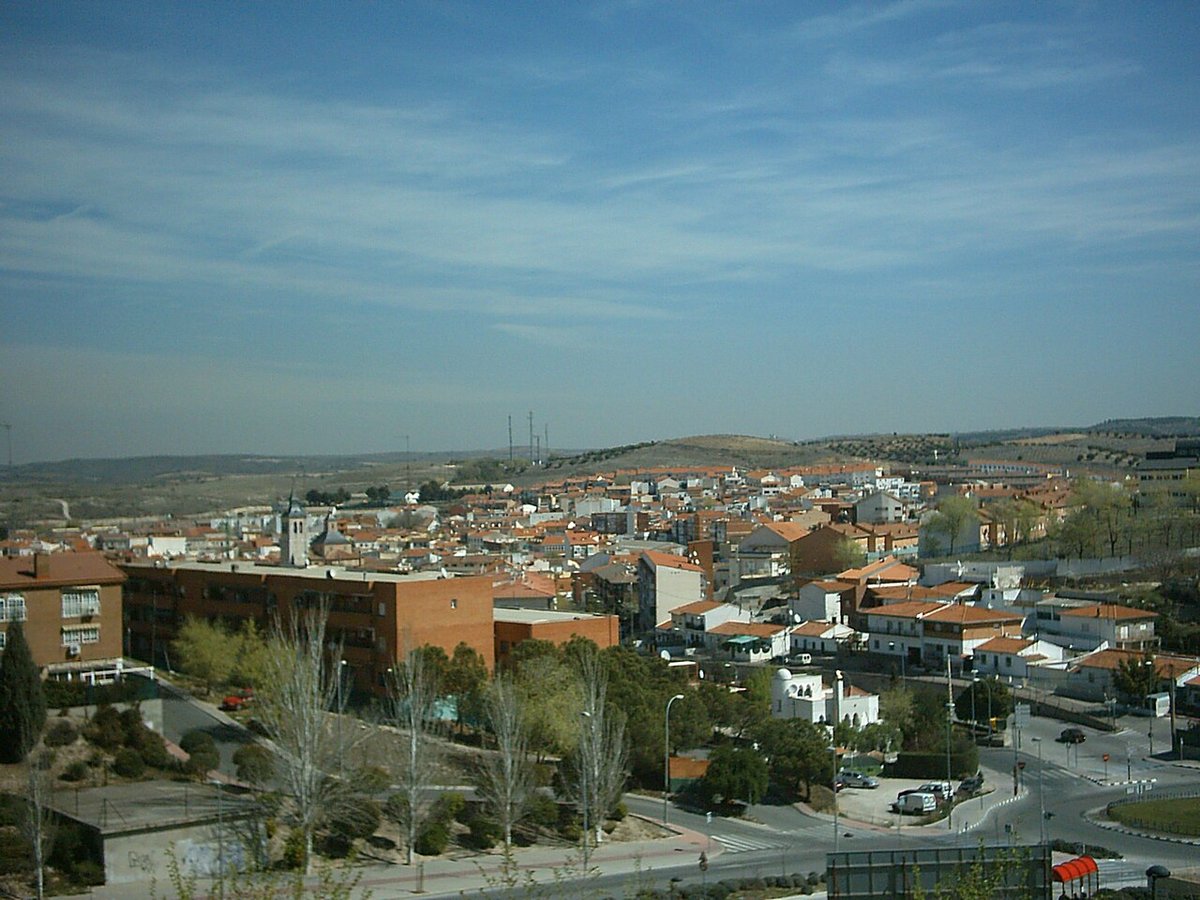
That contrast, new apartment blocks alongside open countryside, defines Rivas-Vaciamadrid today. It is a place where urban growth meets wide stretches of land, and where everyday life sits close to traces of the past.
Walking among the bunkers
Walking across some of the low hills in the municipality means coming across remains that are not always obvious at first glance. In the area known as La Marañosa, among lentisk shrubs and dry thyme, bunkers from the Battle of the Jarama appear almost unexpectedly. The ground is red and clay-heavy, cracking underfoot when dry. From the higher points, the river valley opens out, wide and quiet.
One of these spots holds a simple stone dedicated to Charlie Donnelly, the Irish poet who died here during the war. There is no visitor centre, no ticket office, just the wind and the distant hum of a road.
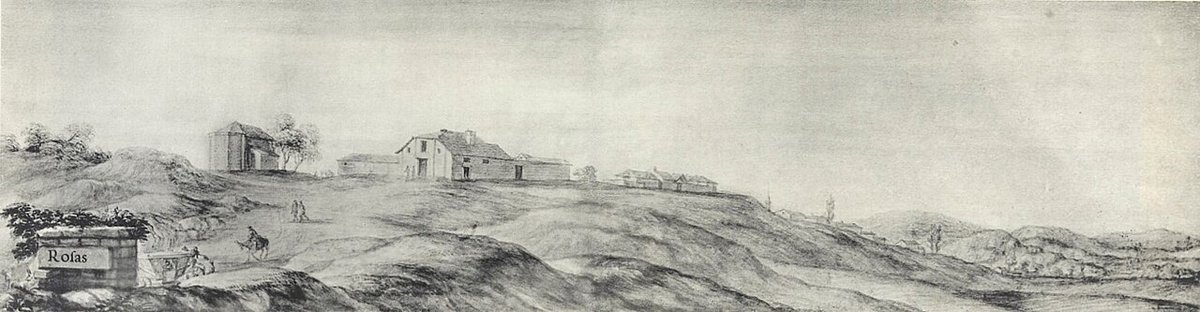
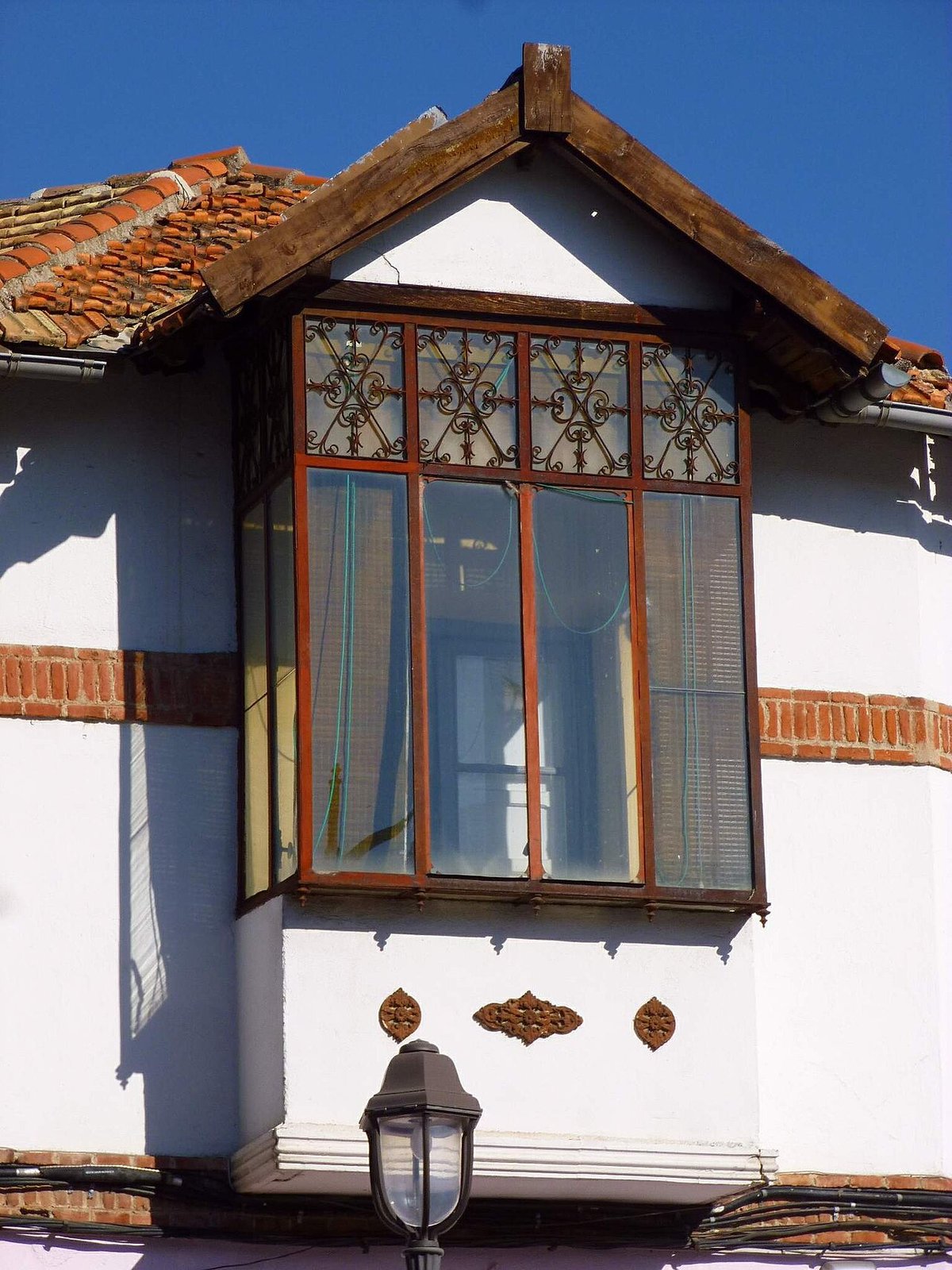
The old centre of Vaciamadrid was rebuilt in the post-war years by a state body tasked with reconstructing devastated villages. Because of this, some streets still show low houses with plain façades, exposed brick and open squares filled with sunlight. It does not resemble a traditional historic quarter. Instead, it reflects a village rebuilt at a time when resources were scarce and priorities were basic.
The rhythm of local festivals
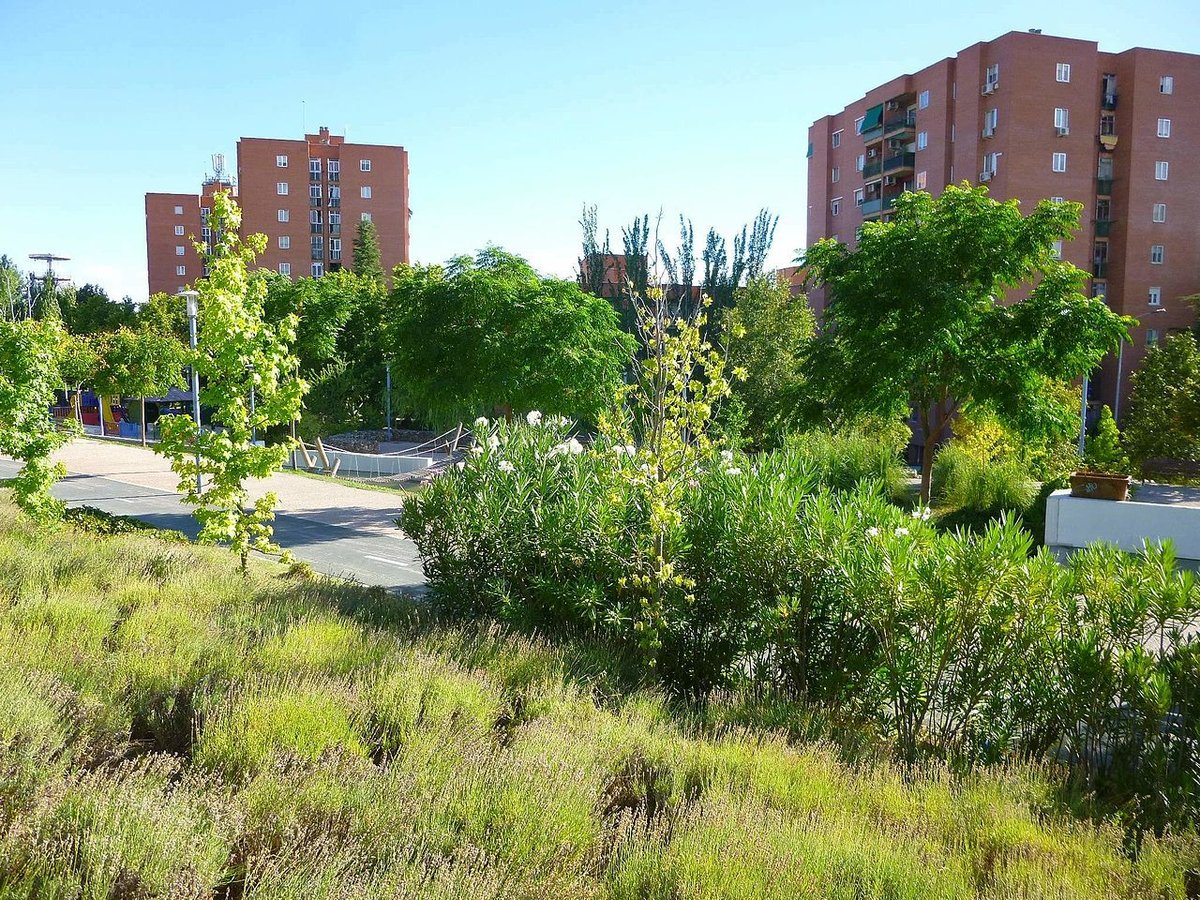
In summer, when local festivals arrive, the central park often fills with families in the early evening. Water games are sometimes set up for children, and for a while the air smells of chlorine, damp grass and fairground food. Children run through jets of water while adults look for shade beneath plane trees.
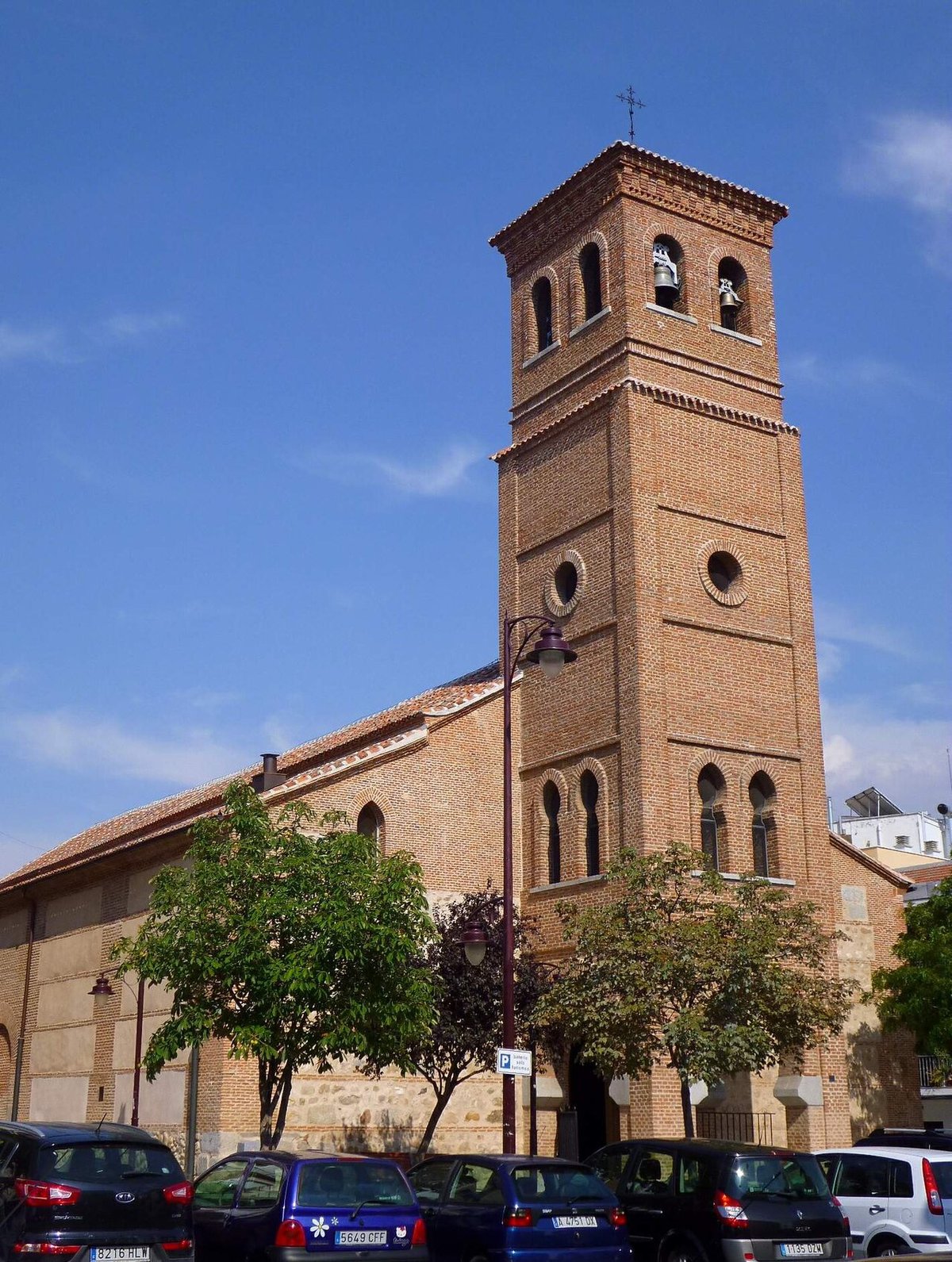
Throughout the year, processions also move through the old part of Vaciamadrid. Older women still wear mantillas, and men appear in light shirts even in the heat. Bands play pasodobles at a steady pace as children weave through the crowd. When the weather begins to cool, the sweet smell from roasted chestnut stalls often drifts along the corners.
The edge of the city
A large part of Rivas-Vaciamadrid lies within the Parque Regional del Sureste. The transition is abrupt. An avenue with a cycle lane ends, and suddenly dirt tracks lead down towards the Jarama.
One of the most common walks follows the river between poplars and former market gardens. In spring, the air carries the scent of almond blossom mixed with damp earth. At dawn, herons and ducks can be heard, along with flocks of birds lifting into the sky as a bicycle passes.
Laguna del Campillo is only a few minutes away. It was once a gravel pit and is now a sheet of water where species such as black-winged stilts and avocets are often seen. Simple wooden observation points are scattered around the edge. Bring water; there are no nearby services and on fair-weather weekends these paths fill up quickly.
Those looking for quiet tend to arrive early, when mist still rises from the river and the day has not yet gathered pace.
What people eat
Rivas shares many culinary traditions with Madrid. Cocido remains a familiar dish, especially on winter Sundays. It is served in stages: first the soup, then chickpeas with vegetables, and finally the meat.
Traditional sweets also appear. In winter and during certain celebrations, bartolillos are found in bakeries. These are triangles of fried pastry filled with cream, dusted with icing sugar that sticks to your fingers. They are usually eaten quickly, often standing up.
Getting there and choosing your moment
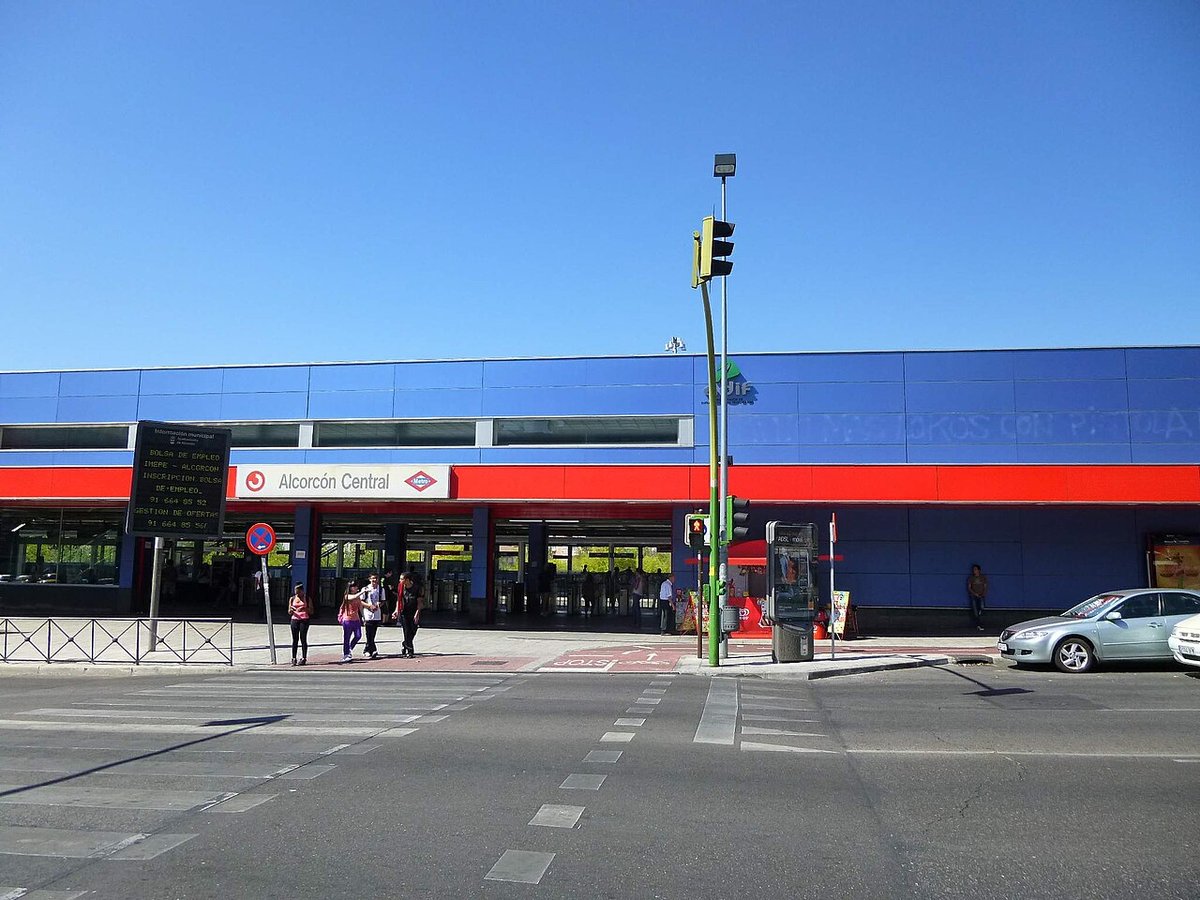
Rivas-Vaciamadrid sits around twenty kilometres from Puerta del Sol. It can be reached by public transport—several stations serve different parts—and there are direct road connections for those travelling by car.
Anyone planning to walk in the Parque Regional del Sureste should avoid midday in summer. Shade is limited and that clay soil reflects heat back at you. Spring and autumn are more comfortable, especially early in the morning or later in the afternoon.
On some Sundays during the year, a historic train runs again along an old track towards Arganda. When it coincides with good weather, its whistle can be heard across fields near El Porcal or El Soto de las Juntas.
Rivas is not a place preserved in another era. Step away from residential blocks for a few minutes and head down towards any path leading to water—the atmosphere shifts: slow-moving currents through reeds on one side, and on your back you feel that distant echo from Madrid continuing on its way